Budapest: City of Paradox and Unexpected Elegance
Few cities in Europe captivate visitors with such tension and harmony as Budapest. Straddling the river Danube, Budapest stands as a living paradox—a city defined by its layered past, architectural grandeur, resilient spirit, and modern vibrancy. Both sprawling and intimate, battered by history yet pulsing with life, Budapest rewards patient explorers with rich sights, flavors, and experiences embedded in contradiction. Where else does East meet West so vividly? Where else do memories of totalitarian rule compete with bursts of youthful optimism and bustling creative innovation?
The Two Faces: Buda and Pest
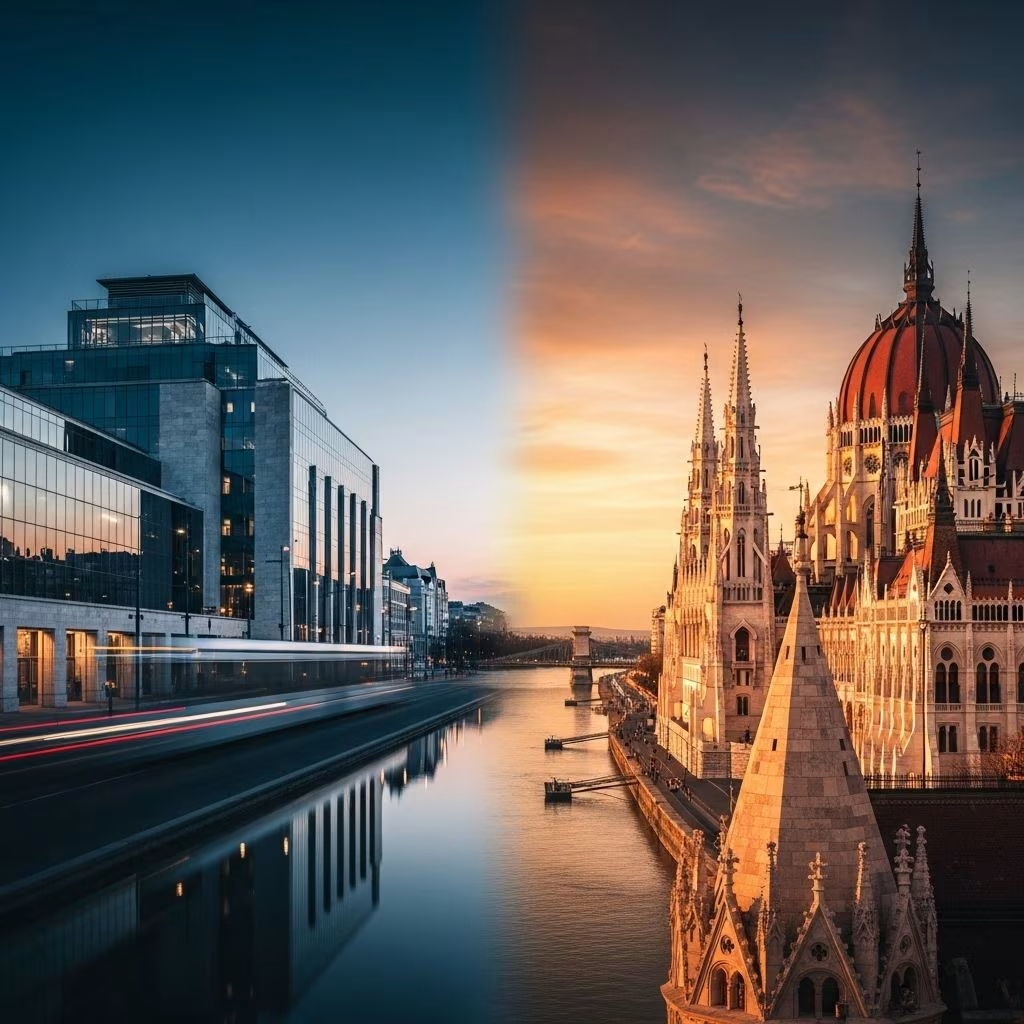
At the heart of Budapest’s complexity lies its duality. Once two independent cities—Buda and Pest—they merged in the 19th century, joined first by the mighty Chain Bridge and then by ambition, adversity, and shared dreams. But each side of the river continues to define its own identity, shaping the overall character of Hungary’s capital.
- Buda: Hilly, stately, and historic, Buda is marked by its castle, medieval streets, and sweeping panoramic views of the city and river below. It represents the city’s ancient soul and aristocratic elegance.
- Pest: Flat, busy, and cosmopolitan, Pest is the energetic commercial heart, home to grand boulevards, lively markets, wide squares, and a spectrum of cultural venues and nightlife.
The two sides form a lively whole: modern yet classic, ornate but practical, proud of its hardships and fiercely hopeful for the future.
Bridges Over Troubled Waters: The Chain Bridge
The story of the Chain Bridge is emblematic of Budapest’s paradoxes. Completed in 1849, this imposing structure was the city’s first permanent link across the Danube. Before its construction, crossing the river required ferries or, in winter, a risky trek over ice—a journey that once left Budapest’s elite stranded on one bank, famously missing an important funeral. Frustration sparked progress, and the bridge soon became a symbol both of unity and of ambition, connecting distinct city personalities into one capital. Though the bridges of Budapest were devastated during World War II, resilient reconstruction quickly restored them, reflecting the city’s ability to bounce back and reinvent itself.
Urban Living: Cafés, Markets, and Bustling Streets
Walking through contemporary Pest, you’re met not only with architectural splendor—magnificent facades, cheerful boulevards, and lush parks—but also the beating pulse of urban life. The city’s signature gathering spots anchor its social scene and anchor its paradoxical spirit:
- Vörösmarty Tér: The main pedestrian square, perfect for people watching and savoring street life.
- Gerbeaud Café: Open since the 1800s, this opulent coffeehouse is a throwback to Habsburg elegance. In the interwar years, it served as a magnet for Budapest’s well-to-do, and today it stands restored, plush, and as inviting as ever. Velvet chairs, golden accents, and decadent cakes make it both a museum and a living room for the city’s cosmopolitans.
- Great Market Hall: Housed in a dramatic industrial building, this bustling marketplace teems with local produce, Hungarian specialties, and artisan crafts—offering a window into the culinary soul of the city and providing an unfiltered avenue for everyday Budapest life.
Splendor in Stone: Budapest’s Architectural Scene
The grandeur of Budapest lives in its architecture. The Hungarian State Opera House stands as a paragon of 19th-century Neo-Renaissance opulence, rivaling opera houses in Vienna and Paris:
- The public halls, sweeping staircases, and ornate boxes evoke the city’s aristocratic heyday.
- Performances continue to be accessible to all, a reflection of the city’s love affair with high culture.
Beyond the opera, Budapest’s buildings reflect the whims and changes of history:
- The Hungarian Parliament is a riverside icon, crowned with intricate spires and domes.
- The St. István’s Basilica offers stunning views over the city from its panoramic dome, and houses a relic—St. Stephen’s mummified right hand—that connects the modern parliament city to its medieval religious heritage.
- From imposing synagogues to whimsical Art Nouveau facades and Gothic revival splendor, the city’s architecture narrates a thousand years of ambition and survival.
Thermal Waters and Spa Culture
One of Budapest’s most cherished and unusual public traditions revolves around its thermal baths. Situated atop dozens of natural hot springs, the city has been “Europe’s bathing capital” since Roman times. Today:
- Széchenyi Baths in City Park is, for many, the city’s defining attraction—a grand neo-Baroque palace hosting indoor and outdoor pools where locals play chess, relax, and gossip in the steamy embrace of mineral-rich waters.
- Other legendary spas—such as Gellért, Rudas, and Király—each reflect different epochs and architectural styles, from Ottoman domes to Art Nouveau.
Spending an afternoon soaking in these baths isn’t just about relaxation—it’s participating in a living tradition, surrounded by generations of Budapesters shedding the burdens of life in waters that have soothed populations for centuries.
The Communist Shadow: Remembering the Red Past
Budapest’s paradoxical nature is sharply on display in its relationship with the 20th century’s totalitarian regimes. After decades behind the Iron Curtain, the city saw firsthand the oppressive tides of Nazi and then Soviet domination. But rather than sweep away painful reminders, Budapest incorporates them into its urban fabric:
- Memento Park: Rather than destroy Soviet-era statues of Stalin, Lenin, and local communist leaders, Budapest’s authorities gathered them into a kitschy, thought-provoking open-air museum at the edge of the city. Here, the figures that once dominated public squares now stand in ironic silence—a “demagogue’s hell,” where they preach to no one but each other amid weeds and pigeons.
- House of Terror: Housed in the former headquarters of Hungary’s secret police, this harrowing museum documents the daily realities of dictatorship, from Nazi occupation to the dark years of communism. Grainy photographs, prison cells, and a chilling collection of personal accounts make for a stark—and necessary—reminder of the city’s resilience.
- Holocaust Memorial Center: A moving memorial and museum commemorates the Hungarian victims of the Holocaust, stressing the need for remembrance and education.
Cultural Comeback: Cafés, Music, and Nightlife
For much of the 20th century, Budapest’s iconic café culture was suppressed; communism viewed coffeehouses as breeding grounds for dissent. Today, these meeting places are restored and buzzing once again, brimming with students, creatives, and locals alike marveling at ornate plasterwork and sipping espresso beneath historic chandeliers.
The city’s artistic scene is equally vibrant, with:
- Jazz clubs and nightclubs in ruined buildings and cellars—offering everything from Romany rap to indie rock.
- One-of-a-kind boutiques and galleries featuring local designers and artists.
- The House of Music Hungary, a radical new venue in City Park, showcases Hungary’s dynamic contributions to global music.
The enduring presence of culture, even amid hardship, is a core Budapest paradox—the arts surviving where politics sought to stifle.
Spirit of the City: Resilience, Contradiction, and Renewal
Despite two world wars, revolution, occupation, and transition, Budapest has always managed to rebound. As one visitor notes, Budapest grows on you—with each stay, the urge to return intensifies. The city’s paradoxes do not merely coexist; they fuel a unique energy—one that welcomes debate, reinvention, and surprise.
- Students and young professionals, untethered from memories of communism, fill the city’s ruin pubs and electronic music venues.
- Commuters merge in underpasses, between ramshackle food kiosks and panhandlers, embracing the city’s raw diversity.
- Travelers who enjoy the city’s grit as much as its grandeur tend to fall deeply in love with Budapest, appreciating its complexity rather than searching for polish.
Notable Landmarks and Experiences
- Vajdahunyad Castle: A whimsical architectural collage in City Park, representing Hungary’s many styles and historical periods.
- Margaret Island: A traffic-free sanctuary in the middle of the Danube, with gardens, fountains, old ruins, and spas—a favorite spot for recreation.
- Zwack Museum: Home to the peculiar Hungarian herbal liqueur Unicum, providing a uniquely boozy cultural experience.
- Great Synagogue and Rumbach Street Synagogue: Among the world’s most beautiful and significant Jewish sites, blending Moorish and modern influences while highlighting Budapest’s diverse cultural heritage.
Frequently Asked Questions (FAQs)
What makes Budapest a ‘city of paradox’?
Budapest’s paradox stems from its blend of grandeur and grit, East and West, suffering and celebration. Its streets display Habsburg opulence alongside Communist-era relics, while its daily life merges old-world traditions with bold modernity.
Is Budapest more influenced by Western or Eastern Europe?
Both. Budapest historically stood at the crossroads of East and West, absorbing influences from Austria, Turkey, Russia, and beyond. Today it remains a unique hybrid, neither fully Western nor Eastern—a fact locals take pride in.
What are Budapest’s must-see attractions?
Top sights include the Chain Bridge, Buda Castle, Széchenyi Baths, the Hungarian Parliament, Great Market Hall, State Opera House, Heroes’ Square, Memento Park, and the city’s many restored cafés and thermal baths.
How has Budapest changed since the fall of communism?
Since the fall of communism, Budapest has undergone remarkable transformation—shaking off political repression for entrepreneurial spirit, creative arts, and vibrant nightlife, all while remembering its 20th-century struggles through museums and monuments.
What is unique about Budapest’s café culture?
Budapest’s cafés, with their plush interiors and storied histories, once fostered intellectual and artistic life. Repressed by communism, they have now reemerged, offering a blend of nostalgia, social connection, and urban energy unique in Europe.
Final Thoughts: Embracing Budapest’s Contradictions
Budapest offers travelers both challenge and reward. Its ever-present paradox—the collision of history with modernity, splendor with struggle—produces something vital, authentic, and endlessly fascinating. To love Budapest is to embrace its contradictions, savor its surprises, and let its zest for life change you, as only the most paradoxical city can.
References
- https://www.ricksteves.com/watch-read-listen/video/tv-show/budapest-the-best-of-hungary
- https://www.ricksteves.com/europe/hungary/budapest
- https://www.ricksteves.com/watch-read-listen/read/articles/budapest-city-of-paradox
- https://blog.ricksteves.com/cameron/2016/06/budapest-rebounds
- https://www.youtube.com/watch?v=jvSOzg_A6nc
- https://community.ricksteves.com/travel-forum/hungary/article-budapest-the-beautiful-city-with-the-darkest-of-pasts
- https://www.youtube.com/watch?v=tm1r26uNp4E
- https://blog.ricksteves.com/cameron/category/hungary/budapest
- https://www.ricksteves.com/watch-read-listen/video/great-market-hall