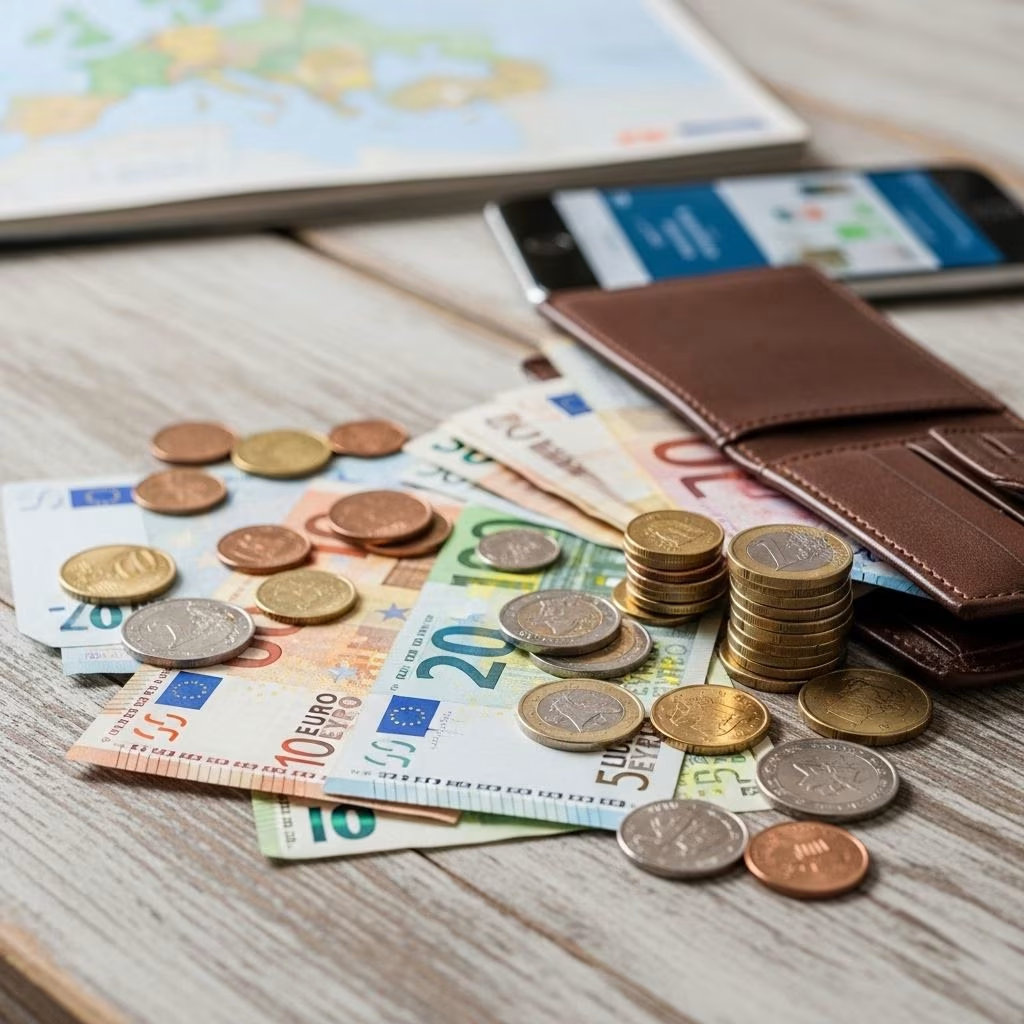
Cash and Currency Tips for Europe
\n
Traveling in Europe can be a thrilling experience, but poorly managed money can spell unnecessary stress and loss. Here’s a thorough guide packed with trusted tips to help travelers maximize every euro, pound, or dollar spent while keeping their finances safe and practical throughout their journey.
\n\n
Should You Buy Foreign Currency Before Traveling?
\n
Many first-time travelers are tempted to arrive in Europe with a pocket full of local currency, believing this will make life easier. However, most experts strongly advise against buying currency before you depart for several reasons:
\n
- \n
- Stateside exchange rates are almost always unfavorable; you lose a significant percentage to poor rates and extra commissions.
- European airports are well-equipped with ATMs, ensuring access to cash the moment you land.
- Foreign currencies purchased in advance often involve additional fees or hidden costs.
\n
\n
\n
\n
Instead, wait until you arrive to withdraw local money from an airport ATM. The process is fast, convenient, and offers far better rates.
\n\n
Avoiding (or Minimizing) Traditional Cash Exchanges
\n
Exchanging money at currency desks—whether at airports, train stations, or hotels—is almost always an expensive choice. Here’s why:
\n
- \n
- Expect to lose 5–10% of your money through poor conversion rates and commissions alone.
- Highly convenient locations can carry total fees up to 15% or more.
- Exchange offices benefit from confusing, often shifting ‘buy’ and ‘sell’ rates; the smaller the difference, the better the deal (aim for under 10% difference).
\n
\n
\n
\n
When is cash exchange practical?
\n
- \n
- During emergencies when your cards are lost, not working, or the town’s ATM is out of service.
- When crossing into smaller countries with less reliable electronic banking, especially outside the Eurozone.
\n
\n
\n
If you must exchange cash, seek offices that advertise ‘No commission’ and compare several rates before making a transaction. Always verify both the buying and selling rates.
\n\n
Using Local Currency in Europe
\n
The overwhelming majority of expenses in Europe—food, attractions, transit—can be paid with cash or card. Key insights include:
\n
- \n
- Euros are accepted in 20+ European countries. However, some popular destinations (e.g., the UK, Switzerland, Norway, Czech Republic, Hungary, Poland, Croatia, and more) each use their own national currencies.
- Avoid holding too much leftover currency by planning your expenses toward the end of your trip, or by making a final purchase at the airport for souvenirs or snacks.
- Most regional currencies can be converted back to dollars—just remember to do it before you leave the country, as it can be trickier once home.
\n
\n
\n
\n\n
Withdrawing Cash from ATMs: The European Standard
\n
European ATMs provide the best combination of convenience and fair rates. Here’s what you need to know:
\n
- \n
- US debit cards with Visa or Mastercard logos typically work across Europe’s ATM networks.
- Withdraw money after arriving abroad—it’s more efficient and less expensive than exchanging dollars or travelers checks.
- ATMs at airports, train stations, and central locations are reliable and plentiful.
- Minimum withdrawal limits and local ATM fees may apply—plan accordingly.
- For the best value, make fewer, larger withdrawals instead of multiple small ones to minimize transaction fees.
- Store extra cash securely, such as in a money belt, rather than your wallet.
\n
\n
\n
\n
\n
\n
\n
| Option | Pros | Cons |
|---|---|---|
| Airport ATMs | Immediate access, fair rates | Potential for high city/airport fees |
| Currency Exchange Desks | Widely available in tourist areas | Worst rates, extra commissions |
| Cash from Banks | Secure environment | Short business hours, possible paperwork |
\n\n
Credit Cards and Contactless Payments
\n
Europe has widely adopted credit and debit card technology, including contactless and mobile payments. Important points include:
\n
- \n
- Many shops, hotels, transit, and restaurants accept contactless ‘tap-to-pay’ cards. Some places are even cashless.
- Always carry a card with a smart chip and, ideally, PIN capability for maximum acceptance—especially at automated kiosks and gas stations.
- Keep a backup card in a separate location in case of loss or malfunction. Ideally, bring cards from different bank issuers.
\n
\n
\n
\n
Tip: Notify your bank about your travel schedule to prevent your cards being locked for fraud alerts. Monitor fees for international purchases and cash advances.
\n\n
Don’t Use Credit Cards for ATM Withdrawals Unless It’s Emergency
\n
Withdrawing cash from an ATM using a credit card should be avoided except in emergencies. Here’s why:
\n
- \n
- High cash-advance fees and immediate interest charges apply, even if you pay your bill promptly.
- There’s often a daily withdrawal limit lower than with debit cards.
\n
\n
\n\n
How Much Cash to Carry—and in What Form
\n
Cash is still necessary in some situations. Typical recommendations for travelers include:
\n
- \n
- Carry $100–200 in US dollars as emergency backup. Merchants and banks—even outside the US—have a rough idea of the dollar’s value and may accept it in a bind.
- Use local currency for day-to-day expenses, especially for markets, tips, and places not accepting cards.
- Do NOT bring large amounts of pre-purchased foreign cash or prepaid currency cards, unless you have leftovers from a previous trip.
- Avoid travelers checks: they’re outdated, expensive, and rarely accepted.
\n
\n
\n
\n
\n\n
Keeping Your Money Safe: Money Belts and Security Tips
\n
Europe’s big cities are notorious for pickpockets targeting tourists in crowded areas. The single most effective way to protect your money is by using a money belt—a small pouch that is worn under your clothes. Here’s how:
\n
- \n
- Keep your passport, extra cards, and emergency cash in your money belt, hidden away from view.
- Wear the money belt against your skin, under your shirt or waistline—never like a fanny pack.
- Only retrieve items when alone and in a safe, private area.
- An alternative is a neck pouch or hidden pocket, but the key is invisibility and security.
\n
\n
\n
\n
\n
Avoid carrying all your cash and cards in your wallet or day bag. Instead, split your funds: a small amount for daily use in your wallet, with the bulk of it securely stored in your money belt or a hotel safe.
\n\n
How to Spot and Avoid ATM Scams or Trouble
\n
While European ATMs are generally reliable, a few basic precautions go a long way:
\n
- \n
- Use ATMs attached to banks or reputable businesses, not standalone machines on the street.
- Shield your PIN when entering it—shoulder-surfers and hidden cameras are a risk anywhere.
- Monitor your account regularly to catch and report suspicious transactions immediately.
- Be wary of ‘helpful’ strangers, especially those who approach just as the ATM ‘eats’ your card.
\n
\n
\n
\n
\n\n
FAQs: Common European Travel Money Questions
\n
Q: Should I bring travelers checks for backup?
\n
A: Travelers checks are largely obsolete in Europe—most banks and merchants no longer accept them, and fees can be high. Instead, bring multiple cards and a small US cash reserve.
\n\n
Q: What if my debit card is lost or stolen?
\n
A: Contact your bank immediately to block the card. Carry a backup card kept in a separate location for continued access, and keep copies of all card numbers and international customer service contacts secured in your email or in print.
\n\n
Q: Can I use mobile payments like Apple Pay or Google Pay in Europe?
\n
A: Mobile contactless payments are increasingly accepted in hotels, transit, and major retailers in much of Europe. Still, carry a physical card for smaller shops or rural areas where mobile payments may not work.
\n\n
Q: How do I minimize foreign transaction or ATM fees?
\n
A: Use a debit or credit card that offers low or no foreign transaction fees. Make larger withdrawals to reduce per-transaction ATM fees, and use partner banks if your bank has international alliances.
\n\n
Q: Is it worthwhile to get local cash before leaving home?
\n
A: Almost never. Exchange rates and commissions are much worse than local ATMs. Wait and withdraw once you arrive at your destination airport or city.
\n\n
Smart Habits for Smoother Travel
\n
- \n
- Keep a daily note of your spending to track expenses and avoid ATM surprises.
- Leave a photo copy of your cards and passport with a trusted friend or family member at home.
- Use credit cards for hotels and larger purchases, debit cards for cash withdrawals, and cash for incidentals.
\n
\n
\n
\n\n
Summary Table: Cash, Cards, and Currency Tips
\n
| Method | When to Use | Pros | Cons |
|---|---|---|---|
| ATMs/Debit Cards | Upon arrival, for all cash needs | Great rates, easy access, secure | Transaction fees, daily withdrawal limits |
| Credit Cards | Hotels, rentals, big purchases | Purchase protection, convenience | Fees, not always accepted at kiosks |
| US Cash | Emergency backup | Universally recognized in emergencies | Poor rates, not for everyday use |
| Money Belt | All times (security) | Best theft protection | Inconvenient for frequent access |
| Travelers Checks | Rarely recommended | Replacement if lost | Obsolete, high fees, hard to cash |
\n\n
Final Thoughts
\n
By prioritizing smart ATMs use, minimizing cash exchanges, using cards securely, and safeguarding your money with a money belt, you’ll enjoy peace of mind and avoid unnecessary money hassles in Europe. Equip yourself with these cash and currency strategies so you can focus on the extraordinary sights—and memories—that European travel provides.
References
- https://www.ricksteves.com/travel-tips/money/travel-checklist-money
- https://www.ricksteves.com/travel-tips/money/cash-tips
- https://www.ricksteves.com/travel-tips/money/thrifty-50-tips
- https://www.ricksteves.com/watch-read-listen/video/travel-talks/money-safety
- https://www.ricksteves.com/travel-tips/theft-scams/travel-moneybelt
- https://www.ricksteves.com/travel-tips/money
- https://www.ricksteves.com/travel-tips/money/bank-card-precautions
- https://community.ricksteves.com/travel-forum/budget-tips/money-spending-strategies