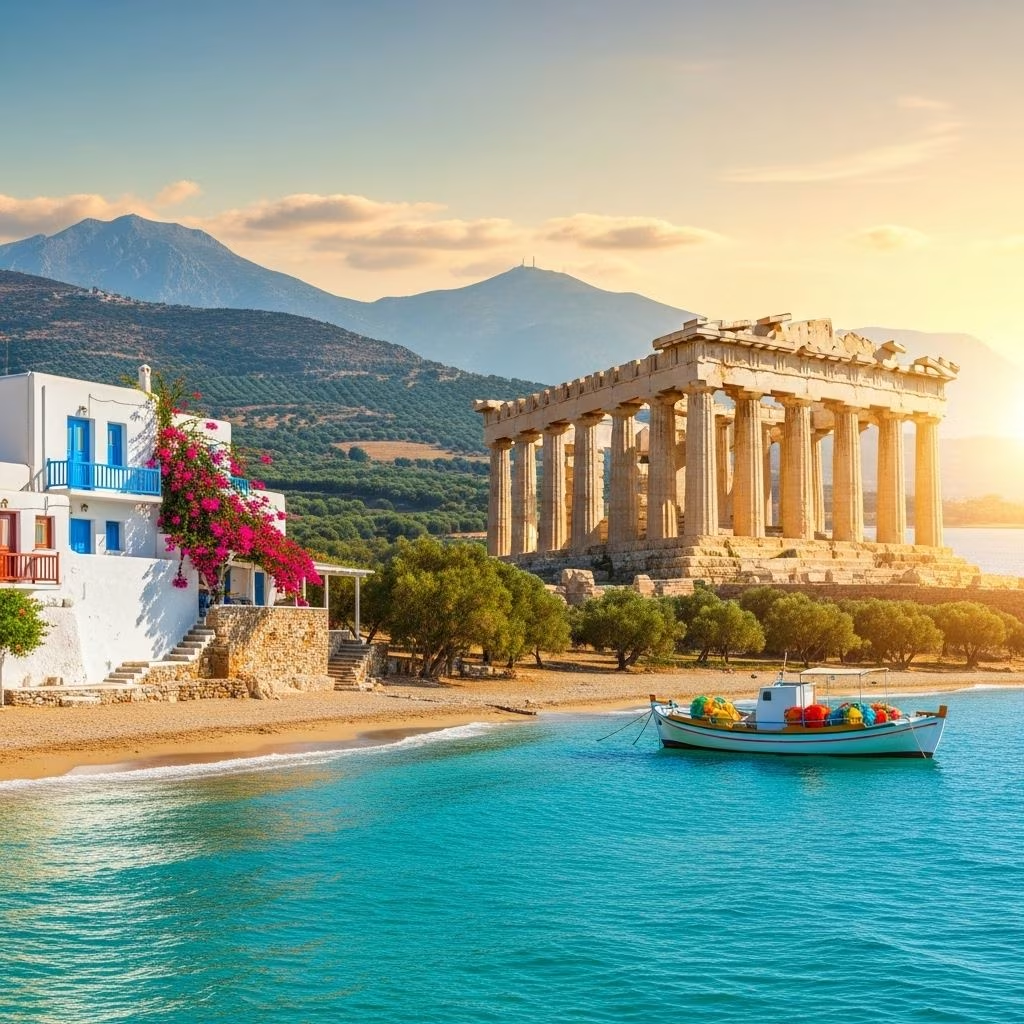
Greece: A Journey Through Time, Beauty, and Culture
Greece, the cradle of Western civilization, offers a perfect blend of ancient wonders, vibrant city life, and sun-drenched islands. From the historic streets of Athens to the unforgettable blue-and-white vistas of Santorini, traveling in Greece is an enriching experience for any visitor. This guide covers everything you need to know: where to go, what to see, how to get around, and tips for immersing yourself in Greek culture.
Why Visit Greece?
Greece is best known for its profound historical legacy, stunning landscapes, and warm hospitality. Whether you are a history buff, a food lover, or in search of breathtaking beaches, Greece will not disappoint. Some highlights include:
- Ancient Sites: Athens’ Acropolis, Delphi’s temple ruins, Olympia’s athletic sanctuaries, Mycenae and Epidavros’ legendary vestiges.
- Myth and Legend: Sites referenced in Greek mythology and epic tales, from Mount Olympus to the Oracle of Delphi.
- Vibrant Islands: Mykonos, Santorini, Hydra, and Rhodes offer iconic landscapes, beaches, and unique traditions.
- Local Culture: Lively traditional tavernas, dance and music, and a calendar full of festivals.
- Cuisine: Fresh Mediterranean flavors and classic Greek specialties like souvlaki, moussaka, and baklava.
Top Destinations in Greece
Whether you have one week or a month, Greece rewards every traveler with diverse experiences. Here are the essential regions and sites to explore:
Athens: The Ancient and Modern Capital
No visit to Greece is complete without experiencing Athens. This city is a vibrant metropolis pulsing with energy and ancient spirit. Must-see highlights include:
- The Acropolis: Greece’s most iconic site, crowned by the Parthenon, offers panoramic views and timeless architecture.
- Ancient Agora: Once a bustling market and civic center, these ruins provide insights into daily life in classical Athens.
- The Acropolis Museum & National Archaeological Museum: Home to invaluable artifacts from Greece’s glory days.
- Plaka & Monastiraki: Charming districts for wandering, shopping, and savoring local cuisine.
- Nightlife: Rooftop bars with Acropolis views, tavernas, and live music.
The Peloponnese: Land of Myths and Monuments
The Peloponnese peninsula brims with legendary history, scenic villages, and dramatic coastline. Key stops include:
- Nafplio: Picturesque seaside city with Venetian charm and neoclassical streets.
- Epidavros: Renowned for its remarkably preserved ancient theater with unmatched acoustics.
- Mycenae: Mythical home of Agamemnon and a UNESCO World Heritage Site.
- Olympia: Birthplace of the Olympic Games, still inspiring with its ancient stadium and temples.
- Kardamyli & Mani Peninsula: Rustic villages, dramatic shoreline, and traditional stone towers.
- Monemvasia: A medieval fortress town set dramatically on a sea-girt rock.
Delphi: The Sacred Oracle
Set against the slopes of Mount Parnassus, Delphi was once considered the center of the world by the ancient Greeks. The impressive temple ruins, ancient theater, and panoramic vistas make this a must-visit for lovers of myth and mystery.
The Greek Islands: Sun, Sea, and History
Greece’s islands are legendary for their beauty, variety, and relaxed pace. Each island offers a different facet of the Greek experience:
- Hydra: Renowned for its stone mansions and car-free tranquility—ideal for artists, writers, and those seeking serenity.
- Mykonos: Famous for beautiful beaches, vibrant nightlife, and iconic windmills. A short boat ride takes you to Delos, an ancient religious and trading center.
- Santorini: Perhaps the most photographed Greek island, boasting dazzling white villages atop volcanic cliffs, iconic blue-domed churches, and spectacular sunsets.
- Rhodes: Offers a mix of ancient ruins, medieval Old Town, and Crusader history; don’t miss the Palace of the Grand Master.
Trip Planning Essentials
Successful travel in Greece involves smart planning. Consider the following to make the most of your trip:
When to Go
- Spring (April–June) and Fall (September–October): Best for comfortable weather and fewer crowds.
- Summer (July–August): Peak tourist season with hot days and lively festivals—but also larger crowds and higher prices.
- Winter: Many islands are quiet or closed, but Athens and major towns still offer plenty to see.
Recommended Itinerary
For a classic two-week journey, most travelers focus on:
- Athens and its essential sights
- The top sites of the Peloponnese: Nafplio, Mycenae, Epidavros, Olympia
- A romantic Greek island escape—Mykonos with Delos, Santorini, or Hydra
Adjust the pace as you like: history buffs may linger at ancient sites, while sun-seekers may spend more time island-hopping.
Festivals and Holidays
Greece’s calendar is punctuated with local and religious festivals that offer visitors vibrant culture, communal meals, music, and dancing. The Orthodox Easter is the most important celebration, filled with fireworks and feasts throughout the country.
Getting Around Greece
Greece’s transport network is travel-friendly, allowing visitors to explore both mainland and islands efficiently:
- By Car: Excellent for exploring the Peloponnese and rural areas; roads are generally well maintained.
- Buses: Reliable intercity connections and local public transport in cities.
- Ferries: Essential for island-hopping. Major ferry ports include Piraeus (Athens), Rafina, and Patras.
- City Transit: Athens is served by a modern metro, trams, and buses; taxis are plentiful and affordable.
Greek History, Culture, and Language
Understanding Greece’s rich cultural background adds depth to every visit. Keep these in mind:
- History: Ancient Greece laid the foundations of Western philosophy, democracy, theater, and the Olympic Games. Byzantine and Ottoman influences also shaped architecture, cuisine, and religion.
- Mythology: Tales of gods, heroes, and monsters are interwoven with landscapes and landmarks you’ll visit.
- Culture: Warm hospitality (‘philoxenia’), village life, family bonds, and traditional crafts remain part of daily Greek life.
- Language: Greek is the official tongue but English is widely spoken in tourist areas. Learning a few Greek phrases is appreciated by locals.
- Cuisine: Meze (small plates), fresh seafood, seasonal vegetables, olive oil, honey and cheese—enjoy renowned Mediterranean diet and culinary traditions.
Money and Practical Travel Tips
- Currency: The Euro (€) is Greece’s currency. Credit cards are widely accepted in urban and tourist settings, but keep cash handy for rural areas and local markets.
- Accommodations: Ranging from budget-friendly guesthouses to luxury resorts, with many family-run options for authentic hospitality.
- Health and Safety: Greece is generally very safe for travelers. Carry routine medications and sun protection, and always drink plenty of water, especially in summer.
- Booking in Advance: Essential for accommodations and inter-island ferries during peak season (mid-June to August).
- Emergency Services: Dial 112 for emergencies; most tourist areas have English-speaking assistance.
Greek Survival Phrases
| English | Greek |
|---|---|
| Hello | Γειά σας (Yia sas) |
| Thank you | Ευχαριστώ (Efharistó) |
| Please | Παρακαλώ (Parakaló) |
| Yes / No | Ναι (Ne) / Όχι (Ohi) |
| How much? | Πόσο κάνει; (Póso káni?) |
| Where is…? | Πού είναι…; (Poú íne…?) |
Taste of Greece: Food and Drink
Greek cuisine celebrates simple, fresh ingredients bursting with flavor. Don’t miss:
- Meze Platters: Sample a range of small dishes—tzatziki, olives, dolmades, grilled octopus.
- Moussaka & Souvlaki: Mouthwatering staples found throughout the country.
- Fresh Seafood: Enjoy at seaside tavernas on every island and coastal village.
- Baklava and Loukoumades: Classic Greek sweets to savor with coffee or as a treat after dinner.
- Local Wines and Ouzo: Experience Greece’s emerging wine scene along with the anise-flavored national drink.
Packing and Preparation
- Light Layers: Summers are hot, but evenings can be cool, especially on islands.
- Good Shoes: Many ancient sites have uneven terrain.
- Sun Protection: Hat, sunscreen, and sunglasses are essential.
- Plug Adapters: Greece uses type C and F plugs (230V).
Frequently Asked Questions (FAQs)
Q: Do I need a visa to travel to Greece?
A: Citizens from the EU, US, Canada, Australia, and New Zealand do not need a visa for stays of up to 90 days within a 180-day period.
Q: What is the best way to get from Athens to the islands?
A: Most travelers use ferries from Piraeus port; flights are also available to major islands like Santorini and Mykonos.
Q: Is English widely spoken?
A: Yes, English is commonly understood in tourist areas, hotels, and restaurants, though learning basic Greek phrases is welcomed.
Q: Are Greek tap water and food safe?
A: Tap water is generally safe in Athens and most cities, but bottled water is recommended on many islands; Greek food hygiene is excellent in reputable establishments.
Q: Can I visit ancient sites without a guide?
A: Yes, but hiring a certified guide or using audio tours enhances your appreciation of the rich history and stories behind each landmark.
Essential Resources and Further Travel Inspiration
- Guidebooks: Detailed and up-to-date, ideal for in-depth exploration.
- Local Tours: Walking tours, food tours, and guided island excursions foster direct engagement with local culture.
- Online Resources: Official Greek tourism sites and trusted travel blogs offer seasonal updates and inspiration.
Final Thoughts
Greece’s blend of monumental history, lively culture, unique landscapes, and welcoming people make it one of Europe’s most astonishing destinations. Whether you come for the ruins, the cuisine, or the shimmering blue seas, every traveler finds their own magic in Greece.
References
- https://store.ricksteves.com/shop/p/greece-guidebook
- https://www.youtube.com/watch?v=lkYDL_frEXw
- https://www.ricksteves.com/watch-read-listen/video/travel-talks/greece-with-reid-coen
- https://www.ricksteves.com/watch-read-listen/video/tv-show/greek-islands
- https://www.ricksteves.com/europe/greece
- https://www.ricksteves.com/europe/greece/itinerary
- https://community.ricksteves.com/travel-forum/greece/guidebook
- https://www.youtube.com/playlist?list=PLD4A79C9B1F714185
- https://community.ricksteves.com/travel-forum/greece/first-trip-to-greece-itinerary-advice-needed