Romania’s Countryside: A Tapestry of Tradition and Timelessness
The rural heart of Romania, especially the storied region of Maramureș, offers an immersive journey into a land where ancient traditions thrive amidst unspoiled landscapes. Here, stone and wooden villages preserve their centuries-old customs, and modernity gently brushes against the robust fabric of local life. For travelers seeking authenticity, the Romanian countryside stands as one of Europe’s last and most vibrant repositories of folk culture.
The Landscape and Arrival in Maramureș
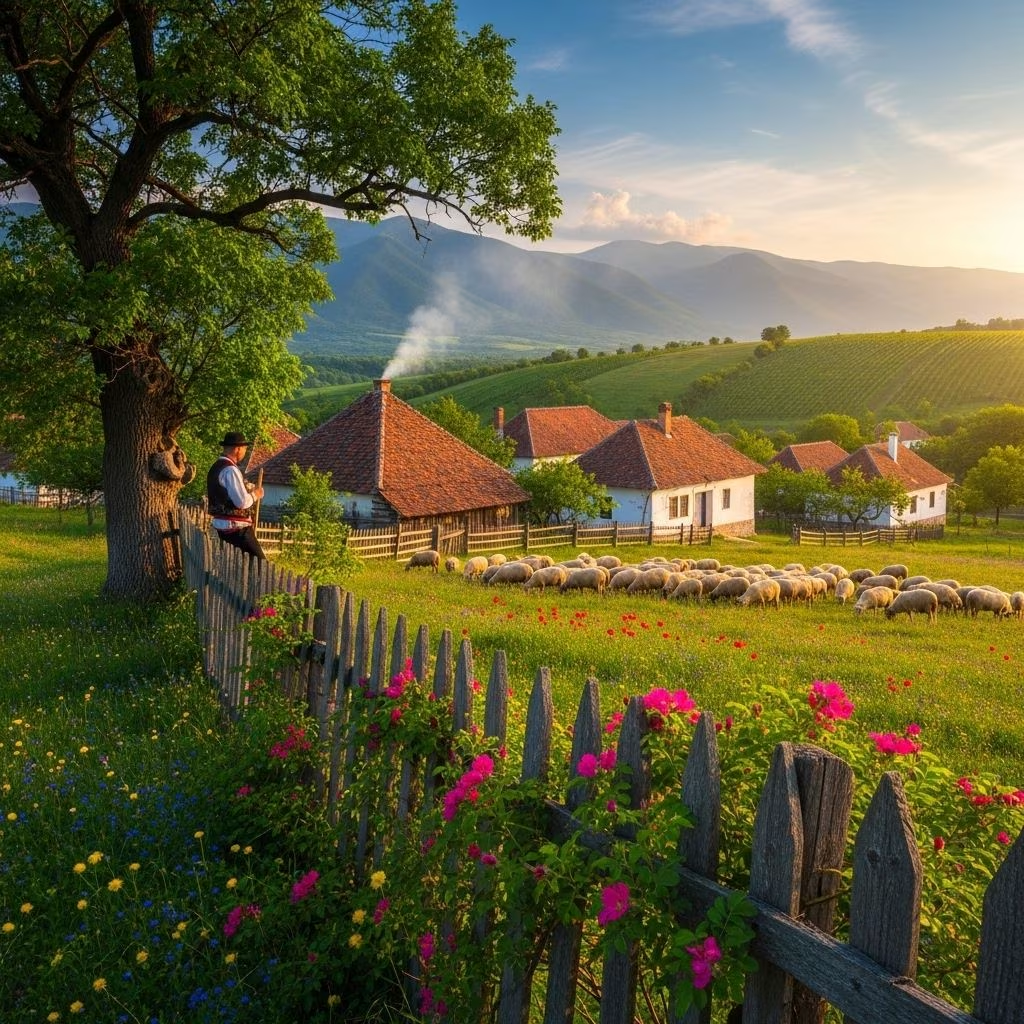
Northwest Romania is defined by its rolling hills, patchwork meadows, and river valleys. As you venture beyond the bustling city centers, the countryside opens up to reveal:
- Horse-drawn carts clattering along winding country lanes
- Fields cultivated by hand with simple wooden tools
- Traditional wooden houses adorned with distinctive, ornately carved gateways
- Villages where life follows the oraș (the rhythm of day and seasons)
Maramureș, close to the Ukrainian border, feels shielded from the rush of the modern world, possessing a fierce traditionalism that is both palpable and deeply felt. Here, modernity exists, but never at the expense of the village’s soul.
Architecture and Village Design
The hallmark of Maramureș villages is the elaborate wooden gateway, signaling pride and status while safeguarding the household. Behind these gates lies a familial compound structured by inherited wisdom:
- A main house, often with steep shingled roofs
- Timber barns storing hay, grains, or livestock
- A vegetable garden and orchard
- A hand-drawn well or even a traditional dipping well used for drawing water
These compounds reflect not only the economic resourcefulness of their inhabitants, but also their deep-rooted superstition and respect for privacy—qualities which manifest in rituals like closing the gate decisively each night, especially at dusk.
Daily Life and Enduring Customs
Life in rural Romania is a communal affair, echoed in every shared meal and seasonal gathering. The population’s distinctive clothing reveals the persistent influence of ancestry:
- Men are often seen in straw hats and homespun vests.
- Women don patterned headscarves, full skirts, and occasionally traditional jewelry, their hands marked by years of harvest and handicraft.
Chores—herding, sowing, weaving—are undertaken with a harmonious blend of individual skill and collective effort, usually passed from parent to child. In harvest months, villagers work the land with their neighbors, sharing both labor and rewards.
The Cuisine: Hearty, Fresh, and Celebratory
Visiting a countryside home in Maramureș offers an exceptional culinary experience. Meals are sumptuous and built around ingredients produced on the farm:
- Hearty salads made with freshly picked vegetables
- Cabbage rolls (sarmale) filled with pork, rice, and herbs
- Polenta (mămăligă)—a staple on every table, often paired with soft cheese or sour cream
- Pork dishes in myriad forms, reflecting the region’s reliance on animal husbandry
- Desserts and preserves from orchard fruits
Family feasts are punctuated by the toasting of homemade țuică—the celebrated plum brandy—a fiery symbol of local hospitality. Every guest hears a resounding “Noroc!” (“Cheers!”), accompanied by genuine warmth and an expectation to eat heartily.
Folk Music, Dance, and Storytelling
Dinner may signal the start—not the conclusion—of an evening gathering. After the meal, families retreat to the music room, a tradition-laden space where folk instruments are revered and skillfully played:
- Violin, accordion, and cobza provide the soundtrack for lively storytelling and dance
- Folk songs recount history, local legends, happy romances, and bittersweet farewells
- Dancing is communal, with guests young and old joining in traditional steps, strengthening generational ties
This music is more than entertainment—it’s a living link to ancestors, and an expression of communal identity.
Traditional Crafts and Rural Industry
Even in the shadow of industrial Europe, Romania’s countryside upholds ancestral crafts with pride. In family homes, centuries-old techniques are still daily practice:
- Wool spinning: Skilled women twist raw wool into yarn using ancient wooden spindles.
- Weaving: Looms are central to village homes. Mothers and daughters partner to convert spun wool into vibrant cloth—used for clothing, bedding, and decoration.
- Woodworking: Local woodcarvers craft ornate gates, tools, religious icons, and household implements.
The rural landscape is dotted with watermills. These ingenious works of engineering, powered by mountain streams, grind grain and process woven cloth using clattering wooden hammers in the fulling mills. The rhythmic pounding of the fulling mill, blending with birdsong, underscores how tradition and environment are inextricably intertwined.
Family Heirlooms and Superstitions
Homes in Maramureș often feature a guest room with prized heirlooms, where families collect their finest embroidered dowries, glossy icons, and relics from older generations. This room is both a practical display and a testament to the family’s history, intended to honor guests and ancestors alike.
Superstition remains powerful in these communities. Rituals around dawn and dusk, the careful closing of gates, the strategic placement of icons above doorways, and seasonal blessings all reflect a worldview where the natural and spiritual are tightly woven.
The Merry Cemetery: An Ode to Local Life
One of Romania’s most iconic sites is the Merry Cemetery of Săpânța, renowned for its vividly painted, wood-carved grave markers. Rather than mourn somberly, these markers commemorate villagers’ lives with:
- Humorous or poignant poems inscribed on bright blue wood
- Carved depictions of the deceased’s trade, hobby, or a memorable anecdote
- Scenes ranging from weaving, farming, and baking to more contemporary pursuits
These graves serve as an illustrated chronicle of village history, blending reverence with humor and reflecting the community’s acceptance of life’s full cycle.
Living Traditions and the Pull of Modernity
While cell phones and satellite dishes have arrived, daily life in rural Romania still pulses to rhythms set generations ago. However, the tug-of-war with modernity is ever-present:
- Young people increasingly split their time between cities and ancestral villages
- Some return for holidays, weddings, or harvest, ensuring that cultural rituals persist
- Others bring new ideas or, occasionally, modern businesses—blending innovation with tradition
Despite these influences, the Maramureș countryside is typified by a determination to persevere, as villagers continue to find pride and joy in practices that connect them with the land and each other.
Hospitality and Farmhouse Stays
Perhaps the greatest highlight of visiting rural Romania is its unmatched hospitality. Farmhouse bed and breakfasts or guesthouses invite travelers directly into family life, providing an intimate window into the region’s customs. Guests enjoy:
- Generously prepared meals from the family’s garden and farm stock
- Comfortable, rustic accommodations
- Evening gatherings with music, stories, and participation in chores or crafts
- Guided walks through the village or local countryside
Such hosts often treat visitors more like family than paying guests. Expect to be involved—whether learning to milk a cow, turning wool on a spindle, or sampling a potent homemade spirit under a starlit sky.
Travel Tips: Experiencing the Authentic Countryside
- Learn a few basic Romanian words; locals appreciate the effort.
- Respect village customs and dress modestly, especially at festivals or in churches.
- Participate in seasonal festivals or markets if possible—these events are key to understanding community bonds.
- Be prepared for rustic conditions: expect patchy roads, simple bathrooms, and the occasional farm animal sharing your route.
For those open to discovery, the countryside reveals its magic slowly—through genuine encounters, unplanned detours, and a willingness to share in customary rhythms.
Table: Key Aspects of Traditional Village Life in Maramureș
| Aspect | Description |
|---|---|
| Architecture | Elaborate wooden gates and shingled wooden houses |
| Cuisine | Farm-to-table, featuring polenta, pork, cabbage rolls, and homemade cheeses |
| Music & Arts | Folk music, dance evenings, and traditional crafts such as weaving and carving |
| Community Life | Shared labor, communal feasting, and robust hospitality for guests |
| Celebrations | Vivid religious and seasonal festivals; the Merry Cemetery’s personalized graves |
Frequently Asked Questions (FAQs)
Q: How do villagers in Maramureș preserve their traditions?
A: Traditions are preserved through daily routines, seasonal festivals, and practical transmission of crafts and customs from one generation to the next. Family compounds, heirloom guest rooms, and the continued practice of traditional music and cuisine all play a role in keeping heritage alive.
Q: What is unique about the wooden gates of Maramureș?
A: These gates are intricately carved to display a family’s status, skill, and heritage. They serve both practical and symbolic purposes—guarding the home while standing as public statements of local craftsmanship and pride.
Q: Is it possible for travelers to stay overnight in the countryside?
A: Yes, many villages offer authentic farmhouse stays—ranging from basic guest rooms to cozy bed-and-breakfasts—allowing visitors to immerse themselves in traditional rural life, join in local activities, and savor homemade meals.
Q: What role does music play in Romanian village life?
A: Folk music is integral to social gatherings, telling stories of love, hardship, history, and humor. Instruments like the violin and accordion are standard, and songs are shared across generations as part of regular family and village events.
Q: How can visitors respectfully engage with local customs?
A: Show interest and humility—participate in activities when invited, dress modestly, and remember that customs around food, hospitality, and superstition are deeply meaningful to hosts.
References
- https://www.ricksteves.com/watch-read-listen/video/tv-show/romania
- https://blog.ricksteves.com/cameron/2016/12/rse-behind-the-scenes-romania
- https://true-romania.tours/rick-steves-romania-visit/
- https://www.sfgate.com/travel/article/Rick-Steves-Romania-s-countryside-a-haven-of-12264448.php
- https://www.ricksteves.com/watch-read-listen/read/articles/bucharest-romania-little-paris-of-the-east
- https://community.ricksteves.com/travel-forum/books-movies/children-of-the-night-the-strange-and-epic-story-of-romania
- https://community.ricksteves.com/travel-forum/general-europe/romania-s-back-of-beyond-saxon-area-bbc-com-article
- https://blog.ricksteves.com/cameron/category/romania