Munich: Where Metropolitan Energy Meets Village Heart
Munich stands as one of Europe’s most captivating cities—simultaneously a thriving metropolis and a welcoming village at heart. Renowned for its safety, cleanliness, culture, and university atmosphere, Munich consistently tops lists of Germany’s most livable cities. Its pedestrian-friendly streets and proximity to spectacular natural landscapes make it a favorite for both locals and travelers seeking a unique blend of the urban and the traditional.
The Soul of Bavaria: Tradition and Modernity
Walk Munich’s vibrant avenues and you’ll quickly notice what sets it apart: the ability to cherish its storied traditions while embracing cutting-edge innovation. This is Germany’s Hollywood and Silicon Valley, stitched together with medieval palaces, lively markets, bustling beer halls, and a spirit of communal joy. Here, the past is celebrated not as a relic, but as essential to everyday life. Whether it’s the sounds of impromptu band music in a beer hall or the aroma of fresh produce in the Viktualienmarkt, Munich remains ever true to its Bavarian roots even as it pulses with modern civic life.
Marienplatz: Munich’s Historic Heart
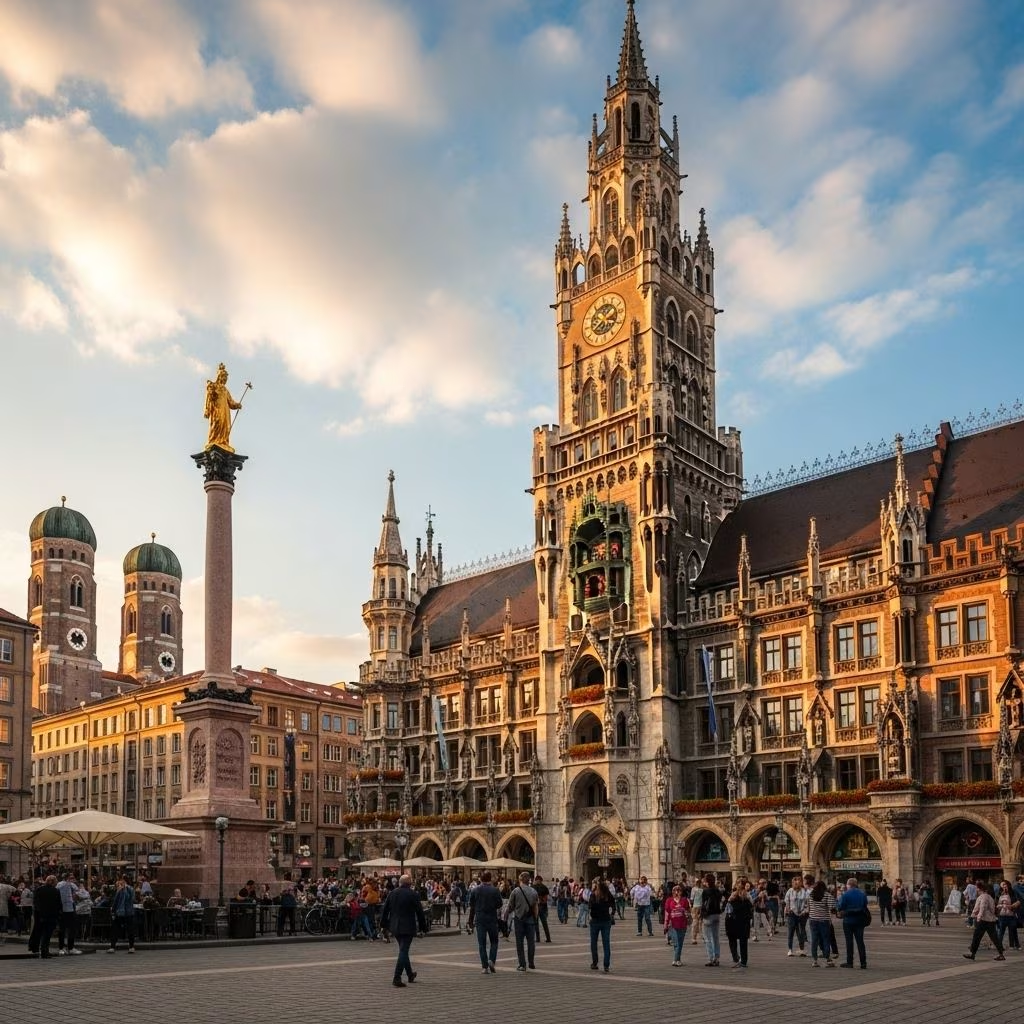
At the very heart of Munich sits Marienplatz, the city’s main square and a bustling pedestrian hub. Dominated by the ornate New Town Hall—home to the famous glockenspiel—and watched over by centuries of history, Marienplatz is where past and present converge. Here, both locals and visitors gather for festivals, explore charming shops, and soak in the iconic sights of the city.
- New Town Hall: The Neo-Gothic jewel of the square, with its clock tower and animated figurines drawing crowds daily.
- Glockenspiel: Don’t miss the daily show as life-sized puppets re-enact stories from Munich’s vibrant history.
- Pedestrian zone: Surrounding Marienplatz is one of Germany’s finest shopping and strolling districts, offering everything from luxury boutiques to historic cafes.
The Viktualienmarkt: Munich’s Market Tradition
A short stroll from Marienplatz leads to the Viktualienmarkt, Munich’s “small-town” open-air market. This beloved institution has flourished since the city’s earliest days as a critical crossroads of the salt trade. By the 1400s, its stalls were bustling beneath the watchful eye of a traditional maypole—a symbol still gracing the market today.
History and Maypole Traditions
Munich’s connection to the market is deeply woven into its culture. The maypole stands tall near the center, its blue-and-white stripes echoing Bavarian pride. Adorning each side are decorative emblems denoting the local tradespeople—the horse-drawn wagon bringing in barrels, the dancing coopers, and symbols of butchers, bakers, and merchants who have shaped the city’s economic life.
- Stalls and Pavilions: Fresh produce, flowers, meats, cheeses, and prepared foods make this a daily gathering spot for locals.
- Seasonal Rituals: The maypole occasionally serves as the centerpiece for springtime festivities and traditional Bavarian dances.
- Beer Garden: Beneath the shade of ancient chestnut trees, long communal tables host both hungry families and thirsty friends.
Beer Culture: Monks, Breweries, and Chestnut Shade
Beer is not just a drink in Munich—it’s a centuries-old cultural institution. By the 15th century, more than 30 breweries operated throughout the city, many run by monks who were licensed to sell their golden elixir. History lives on in the way breweries store their beer: deep cellars below shaded courtyards, keeping the barrels cool beneath chestnut trees. Today, you can still find this tradition alive in Munich’s many beer gardens, where picnic tables fill up under leafy canopies, echoing those earlier days.
Munich’s Beer Gardens and Halls: The Social Heartbeat
To truly experience Munich, spend an evening in one of its many beer gardens or famous halls like the Hofbräuhaus. Here, communal joy takes center stage. Families and friends of all ages gather around long wooden tables, sharing laughter, hearty food, and good cheer. Musicians in lederhosen play rollicking tunes, leading the room in age-old songs and rituals of clinking mugs. Even first-timers quickly find themselves swept up in the sense of belonging—whether joining in the chorus of “Eins, zwei, zuffa” (one, two, drink!) or bonding over shared stories and pretzels.
- Lederhosen and Traditions: Locals showcase Bavarian pride with elaborate costumes, feathered hats, and lively music.
- For Families: Kids play with coasters, mothers sip Radlers (a gentle mix of beer and lemonade), and elders reminisce over classic brews.
- For Travelers: Solo visitors find easy companionship; the communal setting means no one is left alone.
Art, History, and Regal Splendor
Munich isn’t just about markets and beer gardens; it’s a city rich in art and royal grandeur. The Residenz palace, former home of the Wittelsbach dynasty, dazzles with its lavish interiors and art collections. Crown jewels, medieval relics, and baroque chambers tell the story of Munich’s noble past. Art lovers will revel in the city’s prestigious galleries showcasing works from German masters to Renaissance giants.
- Royal Palaces: Explore the Residenz and nearby Nymphenburg Palace for insight into Munich’s aristocratic legacy.
- Museums: The Alte Pinakothek and Deutsches Museum offer world-class exhibitions, from classic paintings to engineering marvels.
- Parks: Lush spaces like the English Garden provide playful retreats—ideal for strolls, impromptu picnics, or watching urban surfers on the Isar River.
Neighborhoods with Character
While central Munich is often the focus, its surrounding neighborhoods offer further layers of charm and diversity. Each area brings its own flavor to the city’s mosaic, from historic churches and artists’ enclaves to trendy clubs and shop-lined boulevards.
- University Quarter: Home to students, bookshops, and quirky cafes, fostering the city’s intellectual vibe.
- Maxvorstadt: The art district, filled with galleries, music venues, and traditional bakeries.
- Schwabing: Known for its bohemian spirit, leafy avenues, and energetic street life.
- Glockenbachviertel: A lively blend of LGBTQ bars, artisan shops, and riverside walkways.
Experience Munich Like a Local
To truly embrace Munich’s small-town charm within its metropolitan framework, observe how locals enjoy life at a slower pace—even amid the city’s dynamic rhythm. Office workers surf the Isar River, friends linger for hours over cake and coffee, and weekend outings to the foothills of the Alps are as routine as a stroll through a market.
- Cycling Culture: The city is crisscrossed by bike paths, making two-wheeled exploration simple and scenic.
- Day Trips: Easy escapes to nearby lakes, forests, and Alpine villages are popular for Munich residents seeking nature and relaxation.
- Community Events: Traditional festivals, concerts in parks, and public art displays nurture a sense of togetherness.
Bavarian Cuisine: A Feast for All Senses
Munich’s culinary scene reflects both its village heritage and cosmopolitan tastes. Sample local specialties such as Weißwurst (white sausage served with sweet mustard), fluffy pretzels, roast pork with dumplings, or fresh seafood salads in the market. For dessert, indulge in Bavarian cream or apple strudel, paired with robust local brews or coffee.
| Dish | Description | Where to Try |
|---|---|---|
| Weißwurst | Delicate veal and pork sausage, served with pretzel | Beer gardens, market stalls |
| Leberkäse | Baked meatloaf, sliced thick for sandwiches | Bakery counters, street fairs |
| Pork knuckle | Roasted pork, crispy skin, tender meat | Bavarian restaurants, beer halls |
| Apple strudel | Warm pastry with apple and raisins | Cafés, market stands |
Beyond the City: Alps, Castles, and Adventure
Munich is a convenient gateway to some of Central Europe’s most alluring destinations. The foothills of the Alps are just a train ride or scenic drive away, beckoning with fairy-tale castles, hiking trails, and breathtaking vistas.
- Neuschwanstein Castle: Tour King Ludwig’s dreamlike palace, the inspiration for Disney’s castle iconography.
- Zugspitze: Ascend Germany’s highest peak for panoramic views of the Alps sprawling across the horizon.
- Tyrol, Austria: Easily cross the border for alpine hikes and the tranquil beauty of nearly unknown fortresses.
Tips for Travelers: Making the Most of Munich
Munich welcomes visitors with open arms, offering a wealth of both planned attractions and serendipitous discoveries.
- Self-Guided Tours: Rick Steves’ guidebooks feature in-depth walk itineraries of historic and cultural sights.
- Information Centers: Inexpensive audio guides and local maps make it simple to explore at your own pace.
- Tour Groups: Opt for guided experiences for deeper context and the chance to ask questions as you go.
- Flexible Itineraries: From iconic civic squares to peaceful gardens, Munich is best enjoyed with a mix of structure and spontaneity.
Frequently Asked Questions (FAQs)
Q: What makes Munich Germany’s most livable city?
A: Munich combines pedestrian-friendly urban planning, strong public safety, world-class culture, and proximity to natural beauty, making it exceptionally attractive to both residents and visitors.
Q: Which local festivals should travelers experience?
A: The most famous is Oktoberfest, but year-round events on Marienplatz, springtime maypole celebrations at Viktualienmarkt, and music performances in parks encapsulate Munich’s festive spirit.
Q: Are Munich’s beer gardens family-friendly?
A: Absolutely. Families and friends of all ages gather; children play games while adults enjoy relaxed conversation, hearty food, and traditional beverages.
Q: How easy is it to reach the Alps and neighboring castles?
A: Very easy—regular trains and tour buses connect Munich to destinations like Neuschwanstein Castle and Austria’s Tyrol, making day trips and alpine excursions accessible.
Q: Can travelers explore on foot or by bicycle?
A: Munich’s compact city layout and extensive network of bike paths make walking and cycling pleasant and practical ways to see the city.
The Enduring Appeal of Munich
Munich’s charm lies in its mastery of balance: cosmopolitan yet cozy, historic yet perpetually youthful. Whether exploring regal palaces, savoring market delicacies, joining communal festivities in chestnut-shaded beer gardens, or escaping to alpine wonders beyond, visitors readily discover why Munich is not just Germany’s biggest village—it’s its most heartwarming. For travelers seeking authentic connections, tradition-steeped experiences, and urban sophistication, Munich delivers an unforgettable journey.
References
- https://www.heraldnet.com/life/rick-steves-on-munich-where-thirst-is-worse-than-homesickness/
- https://www.youtube.com/watch?v=AzHPT6wdMGI
- https://www.ricksteves.com/watch-read-listen/read/articles/munich-a-metropolis-with-smalltown-charm
- https://www.youtube.com/watch?v=5j4Sis2qqFk
- https://www.ricksteves.com/watch-read-listen/video/tv-show/munich
- https://www.ricksteves.com/europe/germany/munich
- https://community.ricksteves.com/travel-forum/germany/3-week-germany-itinerary-berlin-munich
- https://community.ricksteves.com/travel-forum/germany/itinerary-review-loop-through-southern-germany-baden-wurttemberg-and-bavaria
- https://www.pbssocal.org/shows/rick-steves-europe/episodes/rick-steves-europe-munich-and-foothills-alps
- https://www.ricksteves.com/watch-read-listen/video/munich-residenz