Mardi Gras: Surprising Facts Behind the Greatest Party on Earth
Mardi Gras is world-famous for its parades, beads, dazzling costumes, and unforgettable energy—but beneath the famous revelry lies a rich tapestry of history, symbolism, and tradition. This article takes you beyond the beads and brightly colored masks to explore the origins, customs, and lesser-known facts that make Mardi Gras one of the most iconic festivals in the world.
What Exactly Is Mardi Gras?
Mardi Gras, which means “Fat Tuesday” in French, is a celebration marking the last day before Lent, the 40-day period of fasting and reflection leading up to Easter. While Mardi Gras has its roots in centuries-old European festivities, New Orleans has transformed it into a cultural phenomenon recognized worldwide.
Where Did Mardi Gras Begin?
The history of Mardi Gras traces back to medieval Europe, spreading from Rome and Venice in the 17th and 18th centuries before arriving in France. The French carried the tradition to their colonies, with Mobile, Alabama, holding the first American Mardi Gras celebration in 1703.
- 1703: First organized American Mardi Gras in Mobile.
- 1718: New Orleans is founded, soon adopting Mardi Gras celebrations.
- Early 1740s: Society balls, precursors to today’s grand Mardi Gras balls, are first hosted in Louisiana.
Why Is It Called Fat Tuesday?
The name “Mardi Gras” literally means Fat Tuesday in French. Traditionally, people would feast and use up their rich foods (like butter, eggs, and meat) before the fasting period of Lent began on Ash Wednesday.
What’s The Connection to Lent?
Mardi Gras is the festive climax of the Carnival season, which begins on Epiphany (January 6th) and ends on Fat Tuesday—the day before Lent starts. The festival’s emphasis on indulgence arises from the custom of enjoying life’s pleasures before the solemnity of Lent. Immediately after the parades on Fat Tuesday, the city transitions to a more reflective mood as Lent begins.
How Long Does Mardi Gras Last?
Contrary to popular belief, Mardi Gras isn’t just a single day—it’s a whole season known as Carnival. Carnival begins on Twelfth Night, or King’s Day (January 6), and runs through Fat Tuesday. Throughout these weeks, there are dozens of parades, balls, and vibrant street parties.
Early Mardi Gras in America: Mobile vs. New Orleans
While New Orleans may be synonymous with Mardi Gras, it was Mobile, Alabama, that threw America’s first Mardi Gras party. The French colonial city celebrated Mardi Gras as early as 1703, before New Orleans held its first celebrations in the 1730s.
The First Parades and Krewes
Mardi Gras celebrations in New Orleans began with private balls and street maskers. Public processions became popular in the late 1830s, featuring costumed riders, carriages, and flambeaux (gaslight torches) lighting the way. The Mistick Krewe of Comus formed in 1856, introducing elaborate floats and masked balls, a tradition that remains today.
- Mistick Krewe of Comus (founded 1856): Inspired the tradition of krewes and modern floats.
- Krewe: A social group that organizes a ball, parade, or other Mardi Gras event.
Mardi Gras Colors: More Than Just Decoration
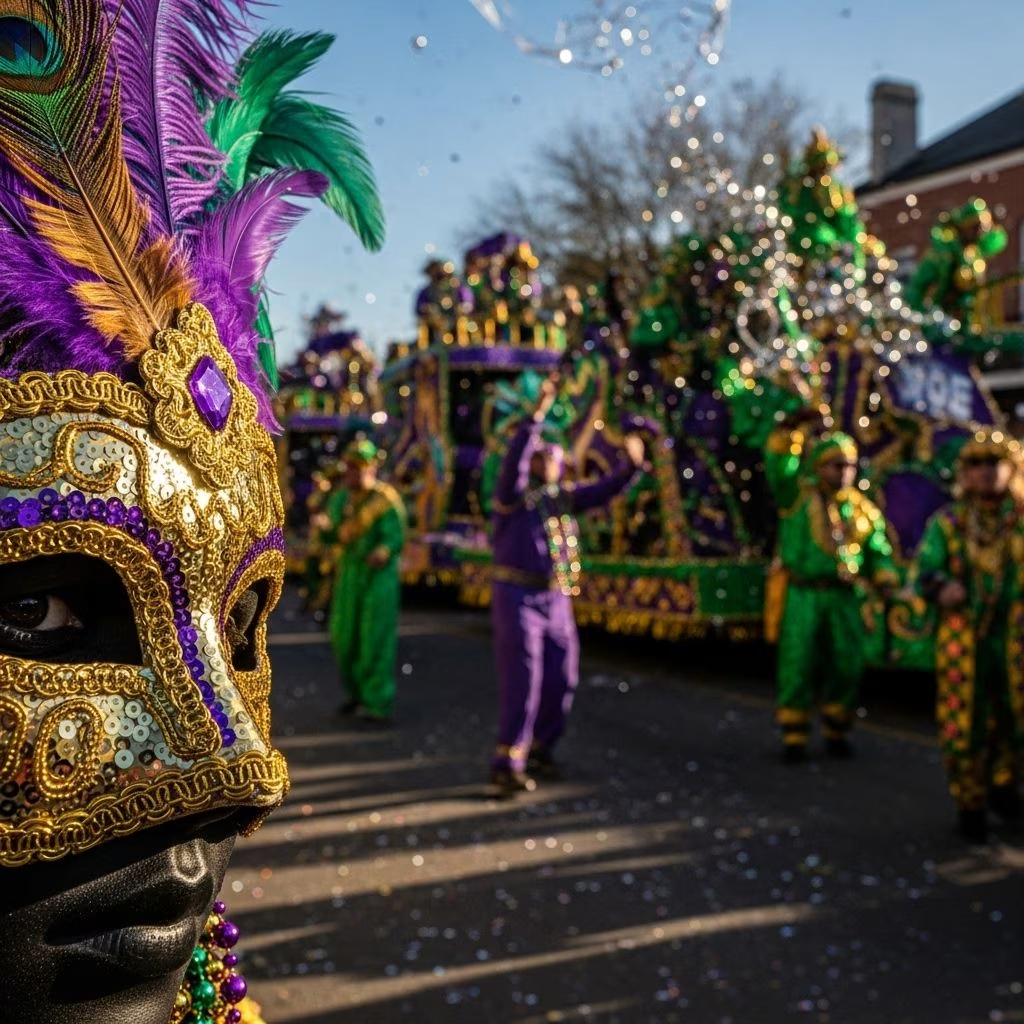
The official Mardi Gras colors—purple, gold, and green—aren’t just for show. They were chosen in 1872 by the newly-created Krewe of Rex to honor a Russian Grand Duke’s visit. They symbolize:
- Purple: Justice
- Gold: Power
- Green: Faith
The Origins of Parade Throws
Catching beads and trinkets thrown from floats is now a signature of Mardi Gras, but the tradition began in the 1870s. Krewe members would toss beads, coins (doubloons), and other small gifts—known as “throws”—to parade watchers, each color intended to recognize those with qualities of justice, faith, or power.
- Doubloons: Specially-minted coins bearing krewe symbols and the parade year.
- Beads: Historically glass, now mostly plastic, in the official colors.
Not Just Beads: The Most Coveted Throws
The Krewe of Zulu famously hands out hand-decorated coconuts, once tossed but now gently distributed for safety reasons. Other unique throws include:
- Shoes from the Krewe of Muses
- Hand-painted purses from the Krewe of Nyx
- Cups and plush toys from various krewes
The Mystery of Mardi Gras Masks
Masks aren’t just a fun accessory during Mardi Gras—they’re a legal requirement for float riders in New Orleans parades! The tradition of mask-wearing allows for freedom beneath anonymity, encouraging people to mingle and celebrate free from the constraints of social class or status.
What is a King Cake? Why Do People Find Babies in Them?
King Cake is the delicious, colorful cake that appears everywhere during Carnival. This ring-shaped pastry, often filled with cinnamon or other sweet fillings, is topped in purple, gold, and green sugar. Culturally, it commemorates the arrival of the three wise men (Epiphany) and hiding a plastic baby inside the cake symbolizes Baby Jesus.
- The guest who gets the baby in their slice is expected to buy the next cake—or host the next Mardi Gras party.
Mardi Gras Krewes: Social Clubs and Parade Powerhouses
Mardi Gras krewes range from secretive societies dating back centuries to enormous, inclusive organizations. The earliest krewes were male-only, but female krewes emerged in the late 1970s, increasing diversity and community involvement.
Mardi Gras Indians: A Tribute to Heritage
Hidden within New Orleans neighborhoods are the spectacular Mardi Gras Indians, African American groups who sew intricate, feathered suits honoring Indigenous American tribes. Their parade is less known to tourists and honors the relationship between Native Americans and enslaved people seeking freedom.
How Safe is Mardi Gras? Tips for Enjoying the Festival
- Stay in well-lit, crowded areas, and follow police instructions during parades.
- Catch throws with open hands and never reach for items on the ground during a parade—floats and horses may not stop.
- Alcohol is celebrated, but public intoxication arrests are common; moderation is key.
- Costumes are encouraged for all ages, but respect city ordinances and event organizers’ rules.
Beyond New Orleans: Where Else is Mardi Gras Celebrated?
Though New Orleans is the spiritual home of Mardi Gras in the U.S., festivities take place across the Gulf Coast, including:
- Mobile, Alabama
- Galveston, Texas
- Pensacola, Florida
- Lake Charles and Lafayette, Louisiana
- Natchez, Mississippi
Globally, similar “Carnival” festivals occur in cities including Rio de Janeiro, Venice, and Nice, each with its own unique traditions.
Fun and Unusual Mardi Gras Facts
- Krewe Titles: The official monarch of Mardi Gras is “Rex, King of Carnival.” Krewe members work year-round on parade planning and themed balls.
- Secret Societies: Most krewes keep parade themes secret and many maintain strict rules about member identity.
- Throw Preferences: Some parade attendees create signs (“Throw me something, mister!”) to improve their chances of catching unique throws.
- No Actual Parades on Bourbon Street: The most famous street is actually too narrow for large parades.
- Laissez les bons temps rouler: This Cajun French phrase means “Let the good times roll” and is the unofficial slogan of Mardi Gras.
Frequently Asked Questions (FAQs)
Q: When does Mardi Gras begin and end?
A: The Carnival season starts on King’s Day (January 6th) and ends on Fat Tuesday, the day before Lent begins, which changes each year depending on Easter.
Q: What are the official colors of Mardi Gras and what do they mean?
A: Purple represents justice, gold is power, and green stands for faith. These colors are seen throughout all parades, throws, and King Cakes.
Q: Is Mardi Gras safe for families?
A: Many parades and events are family-friendly, but it’s important to check the parade schedule, location, and your group’s comfort level before going. Daytime parades in uptown areas are especially suited to children.
Q: Who makes up a Mardi Gras krewe?
A: Krewes are made up of people from all walks of life—there are traditional all-male groups, all-female krewes, and many mixed-gender or themed krewes nowadays. Some are exclusive, others welcome anyone who pays dues.
Q: Why do people wear masks during the parade?
A: Masks symbolize equality and anonymity so all people, regardless of status, can join the celebration. Legally, float riders must wear masks to keep this centuries-old tradition alive.
Conclusion
Mardi Gras is much more than a party. It’s a celebration of history, faith, community, and creative expression. Whether you dream of catching beads beneath parade confetti or biting into a slice of King Cake, these traditions connect people to a rich cultural tapestry that spans continents and centuries. Next time you see the purple, green, and gold, remember: there’s a story behind every mask, every krewe, and every throw!
References
- https://www.mardigrasneworleans.com/history/
- https://www.cts.edu/2023/03/01/history-of-mardi-gras/
- https://en.wikipedia.org/wiki/Mardi_Gras
- https://www.insightvacations.com/blog/mardi-gras-facts/
- https://www.neworleans.com/events/holidays-seasonal/mardi-gras/mardi-gras-fun-facts/
- https://www.goodhousekeeping.com/holidays/g38924391/mardi-gras-traditions/
- https://www.trafalgar.com/real-word/the-history-of-mardi-gras/
- https://www.visitjeffersonparish.com/events/festivals/mardi-gras/mardi-gras-history/