San Sebastián: The Enchanting Gateway to the Basque Country
San Sebastián—or Donostia in the Basque language—rises from Spain’s northern coast with a blend of elegance, rich history, and vivacious Basque culture. With its famous crescent-shaped beach, vibrant Old Town, pioneering culinary scene, and stunning seaside promenade, the city stands as the Basque Country’s premier destination, inviting travelers to discover a world where tradition and modernity intertwine harmoniously.
The Coastal Allure of San Sebastián
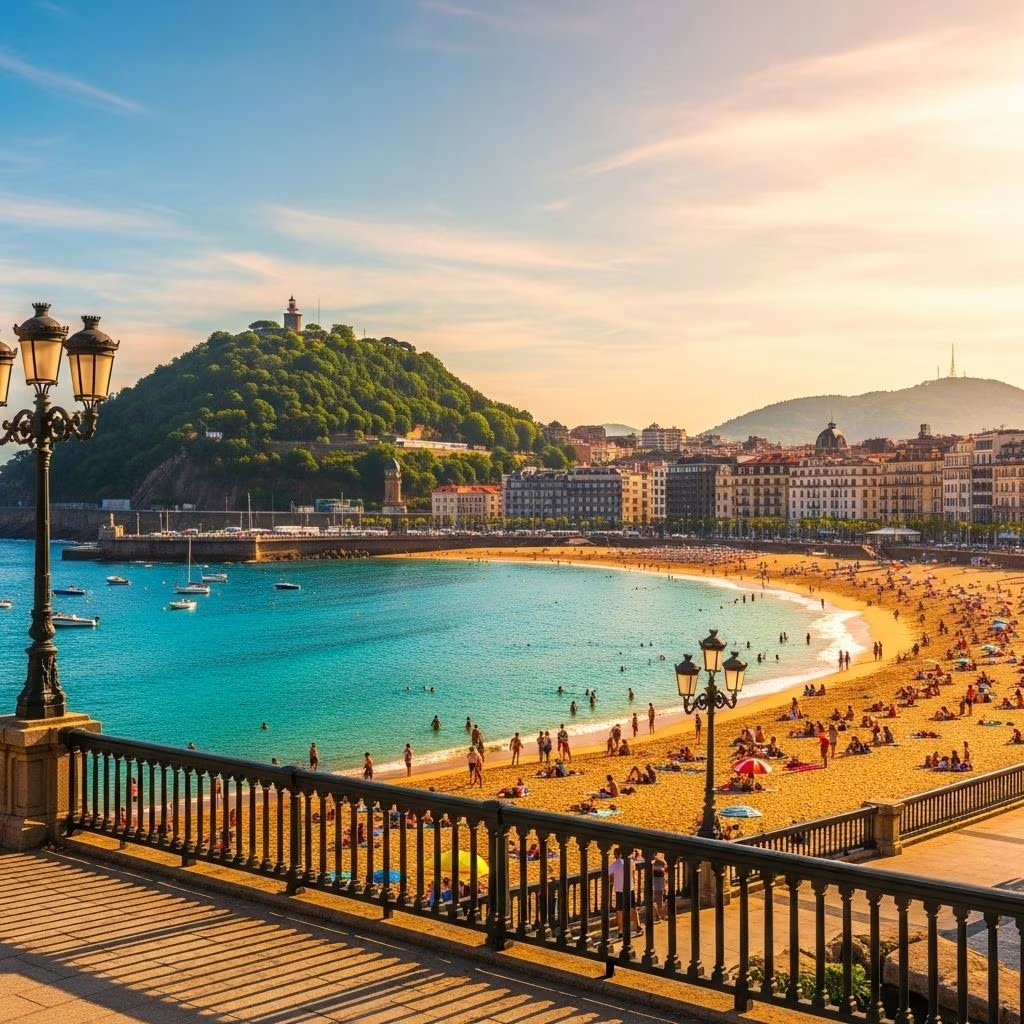
Set astride the shimmering Bay of Biscay, San Sebastián radiates a unique, romantic aura. With a population of roughly 186,000, the city pulses with both local energy and the excitement of nearly as many summer visitors. The dramatic statue of Christ atop Mount Urgull gazes serenely over a city that, much like Rio de Janeiro, combines scenic grandeur with a lively social rhythm.
- La Concha Bay: The city’s pride is its shell-shaped bay, Playa de la Concha, renowned for its soft sand and breathtaking views.
- Elegant Beachfront Promenade: Stretching two miles along the bay, this promenade has been a symbol of the city for over a century. Its iconic wrought-iron balustrade and tamarisk trees offer shade and a sense of timeless charm.
- Historical Resorts: Once a retreat for Spanish royalty and Europe’s elite, the bayfront and Miramar Palace evoke the city’s Belle Époque splendor.
- Subtle Commercial Touch: The promenade lures visitors with its tranquility; commercialism is kept at bay, and even during peak season, free showers and public services abound for sunbathers.
From Royal Seaside Retreat to Modern Marvel
San Sebastián’s international fame began in the mid-19th century when Queen Isabel II of Spain visited to bathe in its therapeutic sea waters, drawing aristocrats who soon transformed the city into a fashionable resort. By the early 1900s, San Sebastián was in its heyday—hotels, casinos, and theaters lined the bay, and the likes of Queen María Cristina hosted royal courts in Miramar Palace.
Despite Spain’s later political turmoil, even the dictator Francisco Franco frequented the city for summer holidays. Ironically, he suppressed the Basque language and culture elsewhere but could not resist San Sebastián’s seaside pleasures—though he always called it by its Spanish, not Basque, name.
The Romantic Old Town: History, Festivity, and Basque Identity
Originally established as a fishing village nearly a millennium ago, Old Town (Parte Vieja) remains at the heart of San Sebastián. Tucked between Monte Urgull and the sea, it is a vibrant labyrinth of narrow lanes, bustling markets, and centuries-old buildings that have gracefully weathered fires and wars.
- Fishing Heritage: The tiny port, now lined with seafood restaurants, hints at its medieval seafaring past.
- Constitution Square (Plaza de la Constitución): Formerly an arena for bullfights, this main square is ringed with elegant arcades whose balcony seat numbers still recall the city’s festive traditions.
- San Sebastián’s Coat of Arms: A merchant ship, displayed in the main square, symbolizes the city’s proud maritime history and transatlantic ambition.
- Noche Vieja: Evenings in the Old Town burst with life—locals and visitors mingle in busy bars, while historic corners resonate with songs and laughter.
Pintxos: The Culinary Heartbeat of the Basque Country
San Sebastián’s gastronomic reputation is legendary. The city stakes its claim as the home of the best food in Spain, a statement borne out by its galaxy of Michelin stars and, more importantly, by its lively pintxos culture—the Basque twist on Spanish tapas.
- Pintxos Bars: The Old Town alone is said to host so many pintxos bars they’re impossible to count. Each bar offers unique specialties, from txangurro (spicy crab) to delicate anchovies, seared foie gras, and innovative small plates that dazzle the eye and palate.
- Bar-Hopping Ritual: Locals graze from bar to bar, ordering a pintxo and a drink at each stop. The fun lies in sampling widely, whether it’s a classic gilda skewer or a mini sandwich with local cheese and peppers.
- Sticky Customs: When finished, diners drop napkins on the floor—a sign of appreciation for the food. Dirty napkins on the bar are frowned upon.
- Ordering Etiquette: No need to pay for each item individually; tabs are kept on trust, and a friendly smile is currency enough.
The Aristocratic Touch: Belle Époque Elegance
San Sebastián’s appeal is magnified by traces of the late 19th and early 20th centuries, when aristocratic society and cultural tastemakers helped shape its reputation.
- Miramar Palace: Overlooking La Concha beach, this royal summer residence is surrounded by immaculate gardens open to the public—an enduring symbol of San Sebastián’s posh pedigree.
- Teatro Victoria Eugenia & Casino: Belle Époque theaters and grand former casinos still host concerts and festivals.
- Festivals: From the internationally celebrated San Sebastián Film Festival to summer jazz celebrations, these events sustain the city’s chic old-world spirit.
San Sebastián as a Basque Cultural Capital
The Basque Country is defined by its unique language (Euskara), resilient traditions, and a fiercely independent spirit. Straddling the border between Spain and France, the Basque people have for centuries cultivated their own customs while adapting to outside influences.
| Basque Hallmarks | Description |
|---|---|
| Language | Euskara is Europe’s oldest living language, unrelated to Spanish or French. |
| Identity | Basques regard themselves as a distinct nation despite never having an independent state. |
| Traditions | Folk sports (stone-lifting, pelota), choral singing, dances, and colorful festivals. |
| Cuisine | Seafood, Idiazabal cheese, cider, and centuries-old recipes combined with avant-garde approaches. |
Beyond the City: Exploring the Wider Basque Country
While San Sebastián enchants all who linger, it also serves as a gateway for day trips deeper into coastal and rural Basque lands—spanning both Spanish and French territories.
- Guernica: Once devastated during the Spanish Civil War, Guernica stands as a symbol of Basque endurance and is immortalized in Picasso’s masterpiece of the same name.
- Bilbao: The region’s largest city is home to the shimmering Guggenheim Museum, a testament to Basque innovation and cultural pride.
- French Basque Country: The border blurs, but the quaint towns of Bayonne and St-Jean-de-Luz display unique maritime heritage, half-timbered houses, and traditions bridging centuries and cultures.
The Beaches: La Concha, Ondarreta, and More
San Sebastián’s beaches form the city’s soul. Each crescent of sand brings its own character, and together they offer relaxation, scenic walks, surfing, and even a touch of Belle Époque glamour.
- La Concha Beach: The city’s centerpiece and one of Europe’s most celebrated urban beaches.
- Ondarreta: Neighboring La Concha; a favorite among families and locals, with calm waters and playful gardens.
- Zurriola: Famed for surfing, this beach at the city’s eastern edge draws an energetic youthful crowd.
Off-season, the beaches offer tranquility and sweeping views. In summer, they thrum with swimmers, sunbathers, and canoes bobbing in the sparkling bay. The tradition of painting and maintaining the promenade’s distinctive ironwork and pruning tamarisk trees continues year after year—a symbol of civic pride.
Experiencing San Sebastián: Practical Tips and Local Color
- Walking: The city’s compact layout makes it ideal for exploring on foot. A stroll from the Playa de la Concha to the Old Town and up Monte Urgull reveals new vistas at every turn.
- Markets: Mercado de la Bretxa offers the freshest local ingredients. Early morning visits reveal Basque culinary culture at its source.
- Cultural Norms: The Basques have a tradition of both independence and hospitality. While Spanish is widely spoken, learning a few Basque words (like eskerrik asko for “thank you”) wins a warm welcome.
Frequently Asked Questions (FAQs)
Q: What is the best time of year to visit San Sebastián?
A: Summer (June–September) is popular for beach weather and festivals, but spring and autumn offer pleasant temperatures, fewer crowds, and vibrant local color.
Q: What are pintxos, and how are they different from tapas?
A: Pintxos are small snacks native to the Basque Country—usually served on bread and more elaborate than most Spanish tapas. They are traditionally ordered at the bar and enjoyed with a small beer or glass of wine.
Q: How easy is it to get around San Sebastián without a car?
A: Very easy. The city is compact and pedestrian-friendly, with excellent public transportation for reaching nearby beaches or hilltop viewpoints.
Q: Can I visit both Spanish and French Basque towns in one trip?
A: Yes. San Sebastián is just a short train or car ride from the French Basque towns of Bayonne and St-Jean-de-Luz, making cross-border day trips simple and rewarding.
Q: What are San Sebastián’s most notable annual festivals?
A: The International Film Festival each September is world-renowned. Other popular events include Aste Nagusia (Big Week) in August, featuring fireworks, concerts, and traditional sports.
Plan Your San Sebastián Escape
From its sun-drenched beaches and gilded promenades to the vibrant Old Town packed with the world’s finest pintxos, San Sebastián is a feast for the senses—a true gateway to the Basque Country’s past, present, and future. Step into its rhythm, savor the cuisine, and discover how this elegant seaside city captures the essence of Basque spirit, leaving every visitor longing to return.
References
- https://www.youtube.com/watch?v=3M845LgkjQY
- https://www.ricksteves.com/watch-read-listen/video/tv-show/basque-country
- https://www.ricksteves.com/watch-read-listen/read/articles/san-sebastian-gateway-to-the-basque-country
- https://www.ricksteves.com/watch-read-listen/video/basque-country-san-sebastian
- https://community.ricksteves.com/travel-forum/spain/12-full-days-should-i-include-san-sebastian
- https://www.ricksteves.com/watch-read-listen/read/articles/the-best-of-the-basque-country
- https://www.sfgate.com/travel/article/Rick-Steves-Europe-San-Sebastian-Spain-2646101.php