Italy’s Dolomites: Dramatic Peaks, Alpine Meadows, and Timeless Tradition
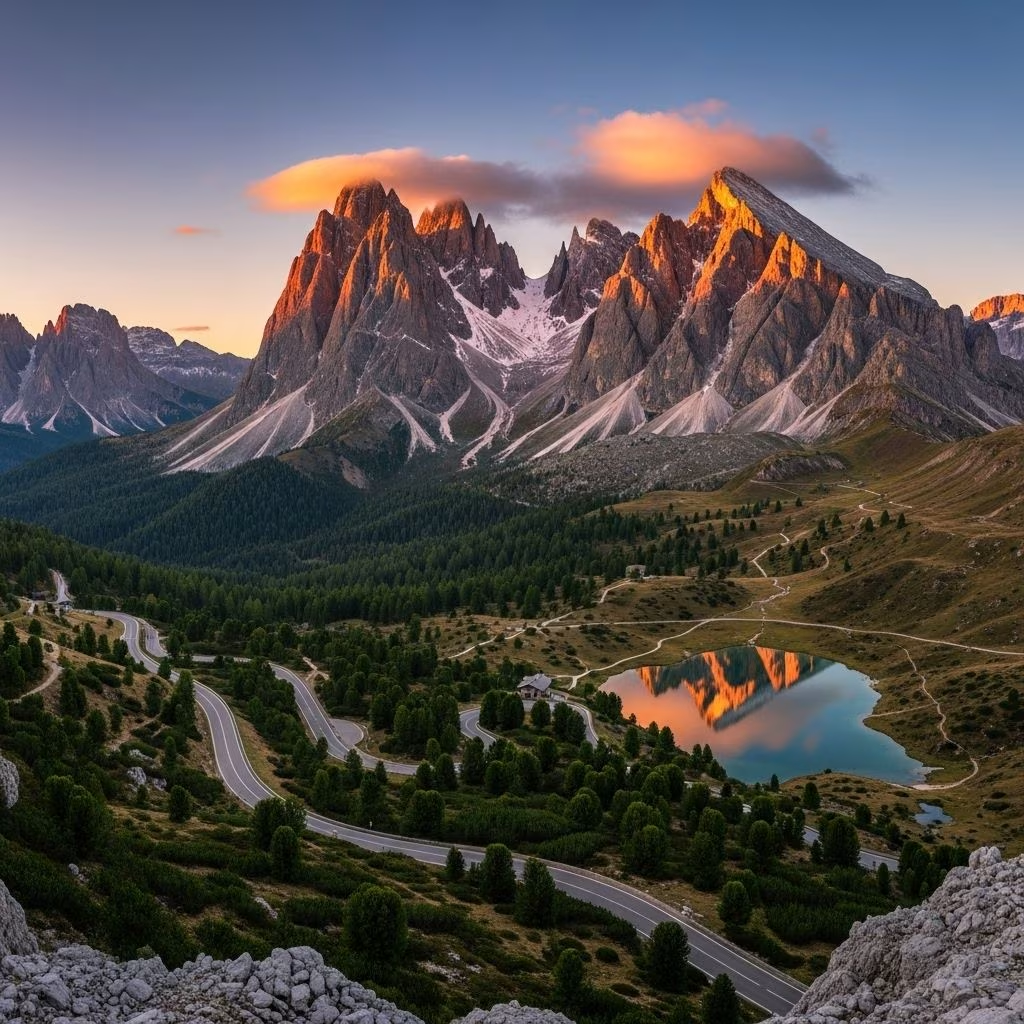
Italy’s Dolomites form the dramatic rocky rooftop of northern Italy—an iconic mountain range that offers some of Europe’s most thrilling outdoor experiences. Picture bold, light-gray stone spires flecked with eternal snow, vast flower-dotted meadows, and a horizon of jagged peaks beneath deep blue skies. Blending Italian zest with an enduring Austrian legacy, the Dolomites captivate travelers with both their natural splendor and unique Tirolean charm.
At a Glance: Dolomites Highlights
- Seiser Alm/Alpe di Siusi: Expansive, undulating alpine meadow perfect for hikes and relaxation
- Bolzano (Bozen): Gateway city featuring Italian vibrancy and Austrian tidiness—home to Ötzi the Iceman
- Kastelruth (Castelrotto): Traditional mountain village ideal for exploring the region
- Great Dolomite Road: Scenic mountain drive connecting the region’s most stunning sites
- Short Dolomite Loop Drive: A four-hour journey featuring Sella Pass and hiking opportunities
- Reifenstein Castle: A well-preserved 15th-century historic site
- Glurns: A picturesque Tirolean farm town, great for a cultural stopover
Why Visit the Dolomites?
The Dolomites are much more than a geographical marvel. Their jagged limestone formations, lush valleys, and snow-capped summits offer a setting straight from an alpine postcard. But it’s the soulful blend of Austrian and Italian traditions—felt in language, cuisine, and architecture—that creates a truly memorable mountain experience.
- Unparalleled scenery: Towering cliffs, dramatic mountain passes, and rolling meadows
- Rich cultural heritage: Bilingual German-Italian communities and Tirolean festivals
- Adventure: Hiking, cycling, horseback riding, skiing, and paragliding opportunities
- Relaxation: Peaceful villages and cozy inns perfect for unwinding
Bolzano: The Gateway to the Dolomites
Bolzano (also known as Bozen in German) is the most convenient entry point into the Dolomite region. Seamlessly blending Austrian organization with an Italian zest for life, Bolzano draws visitors for its vibrant markets, historical sites, and its unique treasure—the mummified body of Ötzi the Iceman, discovered frozen in a nearby glacier.
- Perfect base for exploring the Dolomites
- Bilingual (Italian and German) local culture
- Mix of local and international cuisine
- Historic center featuring medieval and modern elements
Kastelruth: Your Mountain Village Home Base
Kastelruth (or Castelrotto in Italian) is a cobblestoned Tirolean village, situated at the threshold of the Dolomites and famed for its easy access to the Seiser Alm. Here, you’ll find an ambiance that celebrates traditional folk culture—think cozy inns, blue-aproned locals, feathered felt hats, and a welcoming spirit.
- Short travel time to major hiking destinations
- Charming streets and local boutiques
- Lively festivals showcasing native music and dance
- Excellent local guesthouses and farm stays
Seiser Alm / Alpe di Siusi: Europe’s Largest Alpine Meadow
The Seiser Alm (or Alpe di Siusi in Italian) stretches for 3 miles wide by 7 miles long at a lofty 6,000 feet altitude. Dotted by farm huts and awash in vibrant wildflowers, this natural preserve sits at the foot of the mighty Sassolungo and Sasso Piatto peaks. Here, adventure and tranquility coexist beautifully:
- Meadow trails for every fitness level—ideal for walkers, runners, and equestrians
- Unforgettable panoramas of the Dolomite peaks
- Accessible by cable car (with cars largely restricted)
- Hearty alpine meals available at mountain huts and guesthouses
- Legendary Mount Schlern, said to be home to mythical witches
The natural beauty of Seiser Alm makes it a favorite destination for:
- Flower lovers in spring and summer
- Relaxed strolls with breathtaking views
- Active hikers and mountain bikers
- Family-friendly outings and picnics
- Photography and birdwatching enthusiasts
Mountain Drives: The Great Dolomite Road and Short Loop
The Great Dolomite Road unfurls one of Italy’s most scenic routes through the mountains, meandering from Venice to Bolzano via Belluno, Cortina d’Ampezzo, Pordoi Pass, and Val di Fassa. The road’s panoramic vistas, winding passes, and picturesque villages make it a must for road trippers.
- Striking viewpoints for photography
- Historic towns with alpine architecture
- Numerous places to stop for hiking and local delicacies
- Safe, well-maintained routes—ideal in summer and autumn
The Short Dolomite Loop Drive is a four-hour round-trip option, weaving over the Sella Pass and along the Grödner Tal (Val Gardena) valley. It’s renowned for:
- Convenient access to hiking trails
- Quiet villages like Canazei, famous for mountain hospitality
- Opportunities to stop for scenic walks and refreshments
Reifenstein Castle: Echoes of Medieval Heritage
Nestled within the Dolomite foothills, Reifenstein Castle stands as a magnificent historical landmark. This 15th-century fortress is acclaimed for its state of preservation and authentic atmosphere, allowing visitors a glimpse into the area’s medieval past.
- Guided tours provide insights into castle life and regional history
- Imposing architecture and scenic surroundings
- Unique events often staged within the castle grounds
Glurns: The Tirolean Farm Town Experience
Travelers seeking authentic rural charm will find it in Glurns, a small Tirolean farm town perfect for a short stopover en route between the Dolomites and Lake Como. Here, you’ll experience slow-paced village life, warm hospitality, and time-honored farming traditions amid verdant fields and alpine backdrops.
- Historic walls and towers
- Local specialties—cheese, yogurt, farm-fresh produce
- Bustling weekly markets
- Ideal photography setting
Cultural Blend: Austrian Roots in an Italian Landscape
What sets the Dolomites apart from other alpine regions is their distinct cultural fabric. Thanks to centuries of Austrian rule, the area retains much of its old-country tradition—felt-hats with feathers, folk music, and even breakfast yodeling—while unmistakably embracing the Italian art of good living.
- Bilingual region: nearly all locals speak both German and Italian
- Popular foods: yogurt, hearty mountain cheeses, pasta, sausages, and Strudel
- Festivals mixing Austrian music and Italian cuisine
- Handcrafted Tyrolean goods for souvenirs
Practical Tips for Visiting the Dolomites
- Best time to visit: Late spring through early fall for hiking; winter for skiing
- Getting around: Most villages connected by cable cars and shuttle buses; driving routes are scenic and accessible
- Accommodation: Wide range—from luxurious hotels to family-run inns and farmhouse stays
- Dining: Expect regional specialties, wholesome produce, and mountain views from terraces
- Activities: Hiking, mountain biking, horseback riding, guided cultural tours, and more
- Language: Knowledge of some basic German and Italian phrases is helpful
Major Dolomite Destinations Overview
| Location | Key Features | Recommended For |
|---|---|---|
| Bolzano | City vibe, Ötzi museum, gateway to the Dolomites | Cultural explorers, families |
| Kastelruth | Mountain village, access to Seiser Alm | Hikers, couples, those seeking local immersion |
| Seiser Alm | Alpine meadows, panoramic hiking, cable car access | Nature lovers, recreational hikers, families |
| Reifenstein Castle | Historic tours, architecture, events | History buffs, families |
| Glurns | Rural ambiance, local produce, markets | Slow travelers, foodies, photographers |
Outdoor Adventures in the Dolomites
- Hiking: Hundreds of marked trails ranging from gentle strolls to challenging climbs
- Mountain biking: Dedicated paths through meadows and forests
- Horseback riding: Traditional activity, especially around Seiser Alm
- Winter sports: Skiing, snowboarding, and sledding popular from December to March
- Photography: Unmatched opportunities for landscape and nature shots
Frequently Asked Questions About the Dolomites
Q: What’s the best way to reach the Dolomites?
A: Most travelers arrive via Bolzano (by train or car). From there, cable cars and shuttle buses connect to mountain villages and hiking areas.
Q: When are the Dolomites busiest?
A: Summer sees the highest number of hikers and tourists. Visiting in late spring, early summer, or autumn ensures fewer crowds and mild weather.
Q: Are the trails suitable for families?
A: Yes—many marked trails around Seiser Alm and Kastelruth are gentle and safe for children and seniors alike.
Q: Can you visit the Dolomites in winter?
A: Absolutely. The region is a winter sports paradise featuring world-class skiing, snowboarding, and mountain festivals.
Q: Is English spoken widely?
A: While some English is spoken in tourist areas, most locals speak German and Italian, so learning a few basic phrases can be helpful and appreciated.
Further Resources & Travel Planning
For a deep dive into Dolomite adventures, consult guidebooks, tour resources, or local tourism offices in Bolzano and Kastelruth. Maps and walking guides are available at hotels and cable car stations. Consider joining a guided hike or local festival for authentic cultural immersion.
SEO Optimization Tips for Dolomite Travel Content
- Use target keywords: Dolomites, Italy travel, Alpine hikes, Austrian heritage, Bolzano
- Include practical advice and cultural highlights
- Add FAQs for user engagement and helpful information
- Structure content with descriptive headings and lists for easy readability
- Deploy tables to compare main destinations
References
- https://www.youtube.com/watch?v=kZYRsbuyQKM
- https://www.ricksteves.com/europe/italy/dolomites
- https://www.youtube.com/watch?v=9BZk6eVMa00
- https://www.ricksteves.com/watch-read-listen/video/tv-show/austrian-and-italian-alps
- https://community.ricksteves.com/travel-forum/italy/dolomites-visit-advice
- https://blog.ricksteves.com/blog/tag/dolomites/
- https://www.ricksteves.com/watch-read-listen/read/articles/stretching-out-in-the-italian-alps
- https://www.youtube.com/watch?v=6f6VGHNbmXs
- https://www.ricksteves.com/tours/italy