The Roma People of Romania: A Tapestry of Tradition and Change
Among the nations of Europe, Romania is home to the continent’s largest Roma population. Widely known by the term “Gypsies”—now recognized as both inaccurate and offensive—the Roma possess a unique history and distinct cultural heritage. Their journey from ancient nomads to present-day citizens living alongside Romanians is marked by complex social challenges, resilient traditions, and a proud sense of identity that persists amid ongoing change.
To understand the Roma of Romania is to appreciate their struggle for respect, their rooted cultural practices, and their ongoing quest to balance tradition with the demands of modern life.
Origins: From Ancient India to Eastern Europe
The Roma people trace their ancestry to northern India, beginning their westward migration over a millennium ago. As they moved through Persia, the Middle East, and eventually into Europe, they developed a reputation as musicians, entertainers, metalworkers, horse traders, and, regretfully, became subject to negative stereotypes—sometimes labeled as thieves or outsiders. These labels stuck for centuries, contributing to their marginalization and the challenges they face today.
Over generations, the Roma established communities throughout eastern Europe. Romania, with its diverse population of nearly 20 million, is now home to around one million Roma. Here, ethnic Romanians live alongside Germans, Hungarians, and the vibrant Roma minority, each adding to the rich cultural mosaic of the country.
Traditional Roma Life: Family, Language, and Artisanship
Traditionally, the Roma have been nomadic, their culture shaped by constant movement and adaptation. Central to Roma life are strong family bonds, respect for elders, a sense of belonging within their community, and the preservation of their unique language. This language, passed down for centuries, remains a vital element of Roma identity even as many Roma have settled into mainstream society.
- Family: Multi-generational households and deep loyalty form the bedrock of the Roma community. Kinship and family honor guide social structure and personal conduct.
- Language: The Roma speak a distinct tongue with roots in Sanskrit, closely tied to their cultural self-understanding.
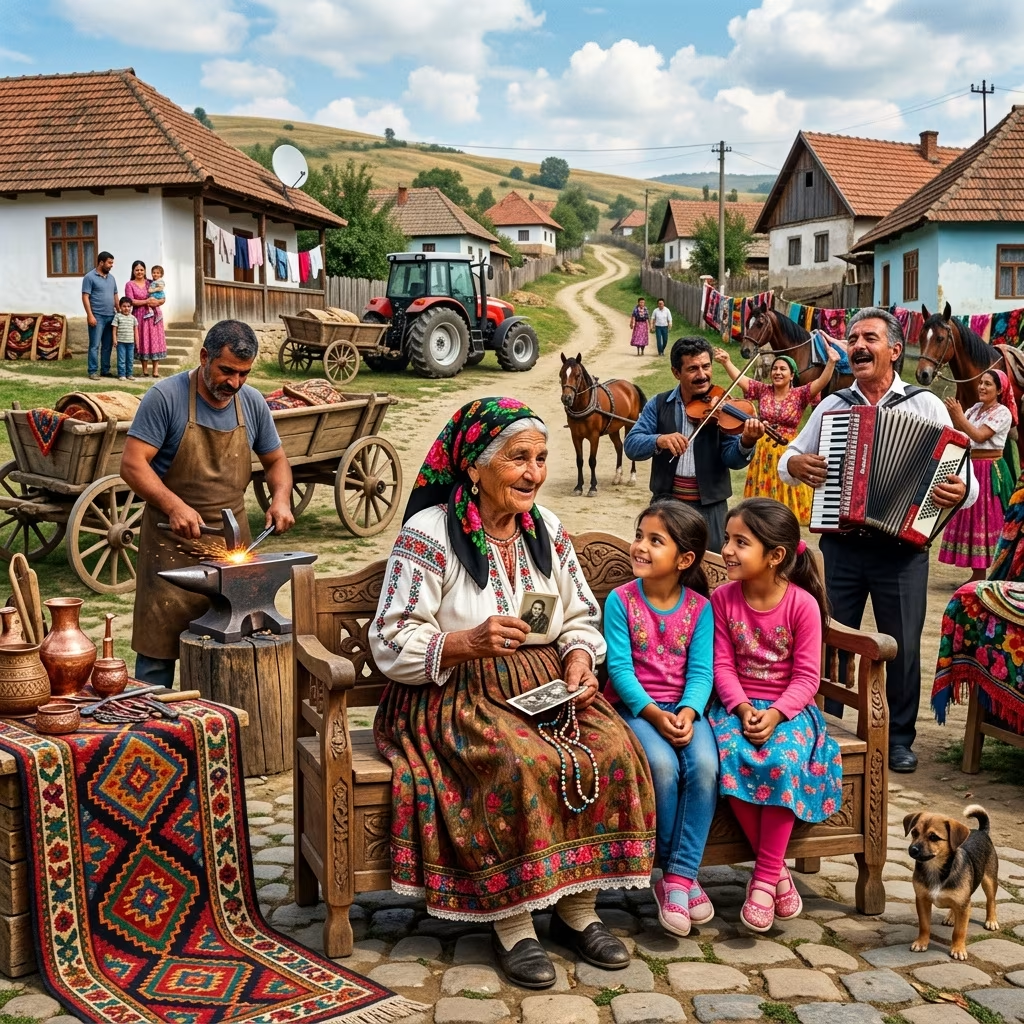
- Music and Art: Renowned for their musicianship and vibrant artistic expression, Roma musicians and dancers have profoundly influenced Eastern European folk culture. Their visual arts, from clothing to crafts, burst with color and symbolic meaning.
Metalworking: A Legacy of Craftsmanship
One of the Roma’s most enduring crafts is metalworking. Entire families, sometimes for six or seven generations, have made their living shaping copper and other metals into everyday tools, decorative items, and cookware. This tradition, passed meticulously from parent to child, sits at the heart of their identity—and serves as an example of the dignity and resilience within Roma culture.
During visits to Roma workshops, it is not uncommon to speak with family members who recall the ancestry of their trade reaching back centuries. Despite social and economic obstacles, the pride in their craftsmanship is unmistakable. Their skills remain sought after, contributing not just to their own livelihoods, but to the broader tapestry of Romanian society.
The Challenge of Settling Down: Nomadism versus Modernity
The Roma’s nomadic heritage has long clashed with the realities of modern Europe. For centuries, their mobility was central to their way of life—shaping their worldview, economy, and family dynamics. However, the rise of the nation-state and the establishment of legal, fixed borders forced many Roma to abandon this lifestyle and become sedentary.
This transformation has not been seamless. Adapting to the demands of the mainstream—regular schooling, fixed addresses, private property—has proven challenging. Maintaining their distinct culture amid pressures to assimilate results in delicate balancing acts for many Roma families, who must decide which traditions to keep, which to modify, and which to let go.
- Many Roma still struggle to balance traditional practices, such as communal child-rearing and itinerant work, with legal and social requirements of modern states.
- Some Roma communities remain marginalized, living in poverty and lacking access to basic services.
- Yet, a significant number are integrated into mainstream Romanian society, contributing as workers, artisans, and neighbors.
Stereotypes, Discrimination, and Societal Perceptions
For centuries, the Roma have faced negative stereotypes, often being painted as untrustworthy or criminal. These stereotypes are damaging, simplistic, and do not reflect the diversity and resilience of Roma communities. The term “Gypsy”, once commonly used, is now largely avoided due to its pejorative connotations.
While it is true that poverty can fuel social problems, including petty crime, it is equally crucial to recognize the many Roma who are hardworking, honest, and seek to build better lives for their families. In fact, these challenges are not unique to Roma; they are common to many marginalized communities who experience social exclusion.
| Stereotype | Reality |
|---|---|
| Roma are nomadic and reject modern society. | Most Roma in Romania live in permanent homes, often beside non-Roma neighbors. |
| All Roma are poor and uneducated. | A wide socioeconomic spectrum exists; some Roma families are well-educated and prosperous. |
| Roma do not work or contribute to society. | Many Roma maintain traditional crafts and work alongside Romanians in various trades. |
| Roma language and culture are vanishing. | The Roma language and cultural traditions are actively preserved within families and communities. |
Roma Life Today: Coexistence and Integration
Contemporary Roma life is diverse and dynamic. Most Roma families now live side-by-side with their Romanian neighbors, participating in community life, enrolling children in local schools, and contributing to the economy. While many still experience discrimination, there are growing efforts—within both Roma and non-Roma communities—to foster mutual respect and understanding.
- Community Initiatives: NGOs and government-led programs work to increase education, reduce poverty, and improve the living conditions of marginalized Roma groups.
- Youth and Education: An increasing number of Roma youth are pursuing higher education and entering professions, bringing new perspectives and opportunities to their communities.
- Cultural Pride: Festivals and cultural events celebrate Roma music, dance, and art—countering negative perceptions and highlighting their contributions to national identity.
Preserving Tradition in a Changing World
For many elderly Roma, maintaining tradition is a priority—seen in their attire, rituals, and respect for the Romani language and lore. For younger generations, the challenge is to honor their roots while embracing modern opportunities. This tension is not unique to the Roma; it echoes the broader experience of minority and migrant populations throughout the world.
Among the traditions that endure are:
- Weddings and Celebrations: Marked by elaborate music, colorful costumes, and strong communal ties.
- Apparel: Distinctive hats, embroidery, and jewelry signify clan and status within the community.
- Oral Tradition: Storytelling, music, and performance arts that pass down history and values from generation to generation.
But as noted by members of their own community, the pressures of modern society—education, employment, urbanization—mean that some traditions adapt or gradually fade. The challenge for future generations will be finding ways to keep their cultural heritage alive while thriving in a rapidly changing world.
FAQs about the Roma People in Romania
Q: Where did the Roma people originally come from?
A: Linguistic and genetic evidence indicates the Roma originated in northern India before embarking on a centuries-long migration to Eastern Europe.
Q: Why is the term “Gypsy” considered offensive?
A: “Gypsy” is an inaccurate and pejorative label historically used by outsiders. The correct term is “Roma,” which the community itself prefers and uses to describe its own ethnicity and culture.
Q: Are all Roma in Romania poor or living in shantytowns?
A: No. While some Roma communities face significant poverty, the majority of Roma live in regular housing among their Romanian neighbors, and their socioeconomic status varies widely.
Q: What are the most important values in Roma culture?
A: Family, respect for elders, community loyalty, and preservation of the Roma language and traditions are core values embraced by Roma families.
Q: How do the Roma preserve their heritage today?
A: Through music, traditional crafts such as metalworking, maintaining their language, and passing down rituals and oral history across generations.
Roma Voices: Perspectives from Within
Conversations with Roma artisans and community members reveal a deep pride in heritage, but also anxiety about maintaining identity in modern times. As one metalworker explained, their family has passed down the craft for over 450 years—a living link to their ancestors and a testament to endurance. “For Roma people, it’s important: family, respect for life, our people, art, music, and pure language,” he shared. The tension between honoring the past and adapting to the present is a constant, but many believe the strengths found in family and tradition will sustain the Roma for generations to come.
Toward Understanding and Inclusion
The Roma’s journey reflects universal struggles: migration, adaptation, and the quest for dignity amid misunderstanding. Travel, education, and open dialogue can help break old stereotypes and foster a sense of solidarity. By learning about Roma customs, respecting their contributions, and listening to Roma voices, travelers and locals alike can play a role in building a more inclusive future for all of Romania’s people.
References
- https://www.youtube.com/watch?v=_K_x4nfymds
- https://blog.ricksteves.com/blog/romania-roma/
- https://classroom.ricksteves.com/videos/romania-s-roma-or-gypsy-population
- https://www.youtube.com/watch?v=LHuXhWpEtYs
- https://www.ricksteves.com/watch-read-listen/read/articles/roma-people
- https://covinnus.com/history-roma-people-romania/
- https://community.ricksteves.com/travel-forum/italy/how-it-s-going-in-italy-stories-from-rome
- https://intltravelnews.com/2020/rick-steves-europe-swept-away-rome.html
- https://blog.ricksteves.com/cameron/2016/12/rse-behind-the-scenes-romania