Two Weeks in France: The Perfect Itinerary
From the romantic boulevards of Paris to the sun-drenched shores of the French Riviera, France offers a splendid diversity of culture, cuisine, and scenery. This comprehensive two-week itinerary showcases the highlights of France in a logical east-to-west flow, with recommendations for must-see museums, château visits, evocative villages, and breathtaking nature. Whether it’s your first trip to France or you wish to rediscover classic favorites, this guide ensures you see the country’s best—at just the right pace.
Itinerary Overview
- Days 1–4: Paris
- Days 5–6: Loire Valley
- Day 7: Dordogne
- Day 8: Carcassonne
- Days 9–10: Provence
- Days 11–12: French Riviera
- Days 13–14: Normandy & D-Day Beaches (optional return north)
Map Key Highlights
- Paris: Eiffel Tower, Louvre, Notre-Dame, neighborhood strolls
- Loire: Château de Chambord, Château de Chenonceau, Amboise
- Dordogne: Sarlat, prehistoric caves, river villages
- Carcassonne: Medieval walled city
- Provence: Pont du Gard, Avignon, Arles, hill towns
- French Riviera: Nice, Monaco, coastal walks
- Normandy: Mont St-Michel, D-Day beaches, Bayeux Tapestry
Day-by-Day Itinerary
Days 1–4: Paris – City of Light
Your journey begins in Paris, the heart of France. Take time to discover:
- Louvre Museum: See the Mona Lisa and world-class art collections.
- Sainte-Chapelle: Marvel at vibrant stained glass in this jewel-like chapel.
- Notre-Dame Cathedral: Gaze at the resilient façade and the Ile de la Cité.
- Historic neighborhoods: Wander through the Marais, Latin Quarter, and Montmartre.
- Champs-Elysées & Arc de Triomphe: Iconic walks and stunning cityscape views.
- Eiffel Tower: Visit by day and return for evening lights.
- Musée d’Orsay: Impressionist masterpieces in a grand former train station.
Stroll landscaped parks such as the Tuileries or Luxembourg Gardens, and enjoy late-night Seine River cruises for magical city views.
Tips for Paris:
- Book Louvre and Eiffel Tower tickets online to skip the lines.
- Take walking tours for vivid stories from local guides.
- Use Metro passes for quick transit around the city.
Days 5–6: The Loire Valley – Châteaux Country
Travel south to the pastoral Loire Valley, known for its storybook castles, lavish gardens, and riverside towns. Highlights include:
- Château de Chambord: The grandest Loire château, with a double-helix staircase and royal history.
- Château de Chenonceau: An elegant castle gracefully arching over the Cher River.
- Amboise: Relaxed town hosting Leonardo da Vinci’s former residence.
- Villandry Gardens: Renowned for geometric Renaissance gardens.
- Biking or boating: Gentle bike routes or canoeing along the river offer peaceful views.
Stay in family-run inns or charming B&Bs amid vineyards and sunflower fields for a genuine French countryside experience.
Day 7: The Dordogne – Prehistoric & Picturesque
Journey southwest to the Dordogne region, famed for its dramatic river gorges, honey-colored villages, and prehistoric cave art:
- Sarlat-la-Canéda: A medieval town with bustling markets and golden sandstone lanes.
- Rouffignac Cave: Admire vivid Paleolithic animal drawings deep underground.
- La Roque-Gageac: Clifftop village mirroring over the Dordogne River.
- Scenic canoe trip: See castles and villages from the gentle current.
Savor rustic duck confit, foie gras, and local walnut specialties in cozy riverside restaurants.
Day 8: Carcassonne – Medieval Citadel
Head south to Carcassonne, a fairy-tale fortified town with double ramparts and more than 50 towers. Walk the cobbled lanes, climb the fortress walls, and imagine the intrigue of medieval life. Pair your visit with a local cassoulet stew and watch the towers illuminated at night.
Days 9–10: Provence – Roman & Rustic Charms
With its golden light and fragrant fields, Provence is a feast for the senses:
- Pont du Gard: Marvel at a perfectly preserved Roman aqueduct spanning the Gardon River.
- Avignon: Visit the imposing Palais des Papes and lively squares.
- Arles: Explore Roman amphitheaters where Van Gogh found inspiration.
- Les Baux de Provence: Dramatic hilltop fortress with views for miles.
- Lavender fields (June–July): Stroll among waves of purple for unforgettable photos.
Experience Provençal food markets, sample rosé wines, and join locals for a game of pétanque under the plane trees.
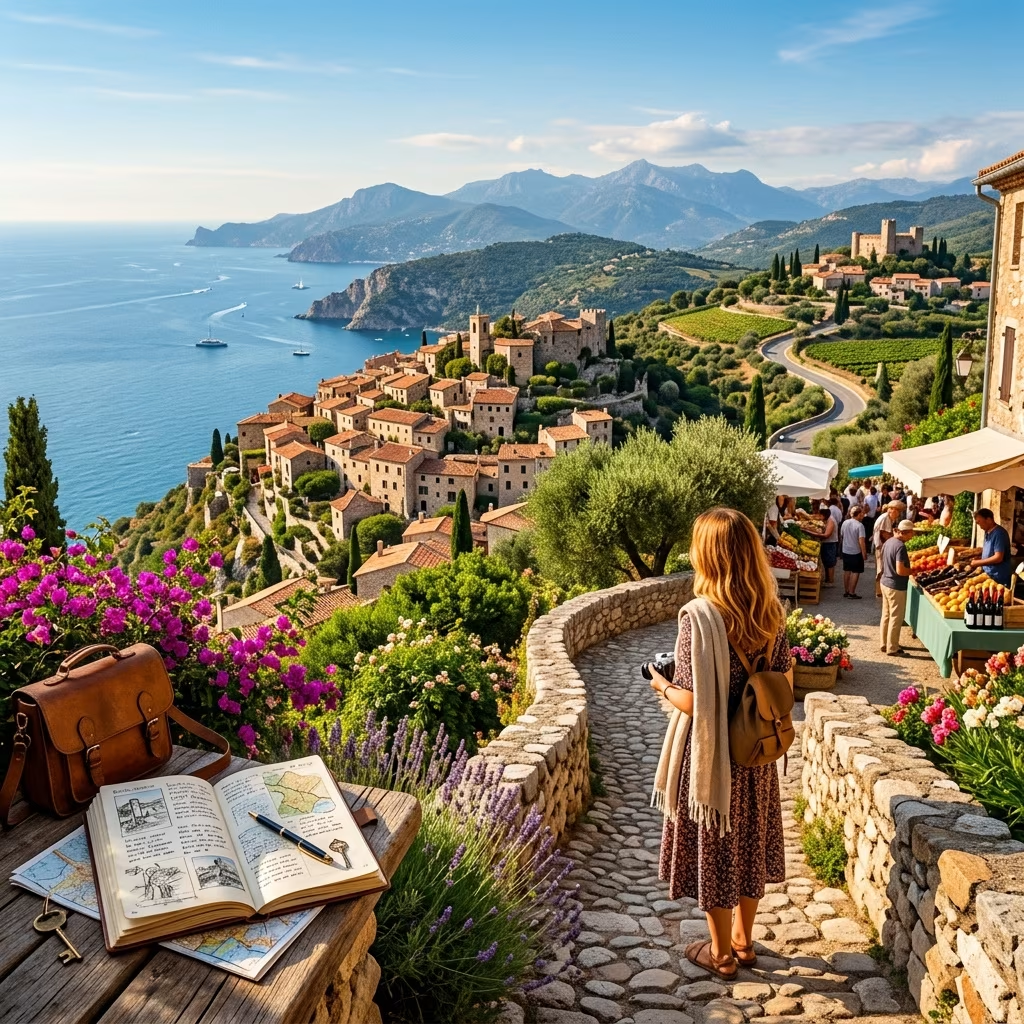
Days 11–12: The French Riviera – Glamour & the Grand Bleu
Travel to the sparkling French Riviera (Côte d’Azur) for seaside glamour and Mediterranean sun:
- Nice: Stroll the vibrant Promenade des Anglais and explore lovely old town alleys.
- Monaco: Marvel at the luxurious harbor and Royal Palace.
- Èze: Climb to a perfume-scented medieval village with panoramic views.
- Local beaches: Swim in turquoise waters or lounge in a beach club.
- Art lovers: Discover works by Chagall, Matisse, and Picasso in local museums.
Enjoy bouillabaisse and local seafood while dining with a sea view, and be sure to sample a glass of chilled rosé on a café terrace overlooking the bay.
Days 13–14: Normandy & Mont St-Michel (Optional Return North)
Some travelers choose to end their journey in the Riviera and return to Paris by train. For a classic route, add a foray northward to Normandy and the Mont St-Michel region:
- Mont St-Michel: Embark on a pilgrims’ climb to this magical tidal abbey.
- Normandy’s D-Day Beaches: Reflect at the American Cemetery and stand at historic Omaha Beach.
- Bayeux Tapestry: View the remarkable 11th-century embroidery telling the Norman conquest story.
- Honfleur: A scenic port adored by Impressionist painters.
Conclude your French adventure back in Paris for departures, or linger in Normandy for seaside tranquility.
Frequently Asked Questions (FAQs)
How many days do I need for the best of France?
A two-week trip allows you to experience France’s must-see highlights without rushing, balancing big cities, culture, and countryside charm.
Should I rent a car or rely on trains?
For Paris and big cities, trains are ideal. For rural regions like the Loire, Dordogne, and Provence, renting a car offers flexibility and access to countryside sights. Book ahead during high season.
Is this itinerary suitable for families?
Yes, most destinations are family-friendly. Children especially enjoy castles, caves, open-air markets, and the beaches of Normandy and the Riviera.
Can I follow this itinerary by public transport?
You can visit major cities by train, but rural areas such as the Dordogne and certain Loire châteaux are best reached by car or guided tour. Mix and match depending on preferences.
When is the best time to visit France?
Late spring (May–June) and early autumn (September–October) offer comfortable weather, fewer tourists, and beautiful scenery. July and August are busy, especially in coastal and tourist hotspots.
Sample Five-Day Add-Ons & Variations
- Brittany: Add rustic Breton villages, crepes, and ancient standing stones.
- Burgundy: Explore medieval towns and world-famous vineyards.
- The Alps: Landscapes for hikers and skiers, with dramatic peaks and lakes.
Practical Tips for a Smooth French Journey
- Book well in advance for summer and festival periods.
- Learn basic French greetings; locals appreciate effort even if your accent isn’t perfect.
- Carry a credit/debit card with a chip for tolls, restaurants, and train stations.
- Try regional specialties—wine, cheese, pastries—in each area; culinary variety is immense.
- Pace yourself. Each region offers enough beauty that you’ll want time to simply soak it in.
- Download offline maps and museum apps to enhance self-guided exploration.
France Itinerary Overview Table
| Day | Destination | Speical Highlights |
|---|---|---|
| 1–4 | Paris | Louvre, Notre-Dame, Montmartre, Eiffel Tower |
| 5–6 | Loire Valley | Chambord, Chenonceau, Amboise, Villandry Gardens |
| 7 | Dordogne | Sarlat, Rouffignac Cave, La Roque-Gageac |
| 8 | Carcassonne | Medieval city walls, towers, ramparts |
| 9–10 | Provence | Pont du Gard, Avignon, Arles, Lavender fields |
| 11–12 | French Riviera | Nice, Monaco, Èze, Beaches, Art Museums |
| 13–14 | Normandy | Mont St-Michel, D-Day Beaches, Bayeux Tapestry |
Top Experiences Not to Miss
- Watch the sunset from Montmartre’s Sacré-Cœur steps.
- Cycle through vineyards and walnut groves in the Dordogne.
- Marvel at Roman aqueducts and amphitheaters in Provence.
- Swim on the azure beaches of Nice or Villefranche-sur-Mer.
- Stand in awe atop the fortified walls of Carcassonne at dusk.
Frequently Asked Questions (FAQs)
How do I minimize stress when traveling between regions?
Book intercity train or car rentals in advance and plan overnight stays for longer drives. Use small group tours for hard-to-reach sites.
Are guided tours necessary?
While not required, local guides can enrich your understanding of French history, art, and traditions, especially in museum-rich cities and historic sites.
What is included in most group tours?
- Guided sightseeing and expert commentary
- Centrally located hotels with breakfast
- Group transportation between cities
- Entrance tickets to popular sights
- Flexibility for personal exploration
Conclusion: Why Visit France?
Few countries reward curious travelers as richly as France. This balanced, insightful itinerary blends artistry, cuisine, and scenery for a trip you’ll remember for a lifetime. Whether cruising Paris’ boulevards, sampling Bordeaux reds, exploring Roman marvels, or relaxing on Mediterranean shores, this journey through France will leave you inspired and longing to return.
References
- https://www.ricksteves.com/tours/france/paris-france
- https://www.ricksteves.com/tours/france/my-way-france
- https://www.ricksteves.com/tours/france/south-france
- https://www.ricksteves.com/watch-read-listen/video/travel-talks/france
- https://www.ricksteves.com/europe/france/itinerary
- https://www.ricksteves.com/tours/france
- https://community.ricksteves.com/travel-forum/france/france-itinerary-2025-last-week-june-and-first-week-july-revised
- https://community.ricksteves.com/travel-forum/france/18-days-in-france-itinerary-help
- https://community.ricksteves.com/travel-forum/france/france-itinerary-late-may-2025
- https://store.ricksteves.com/shop/p/france-guidebook