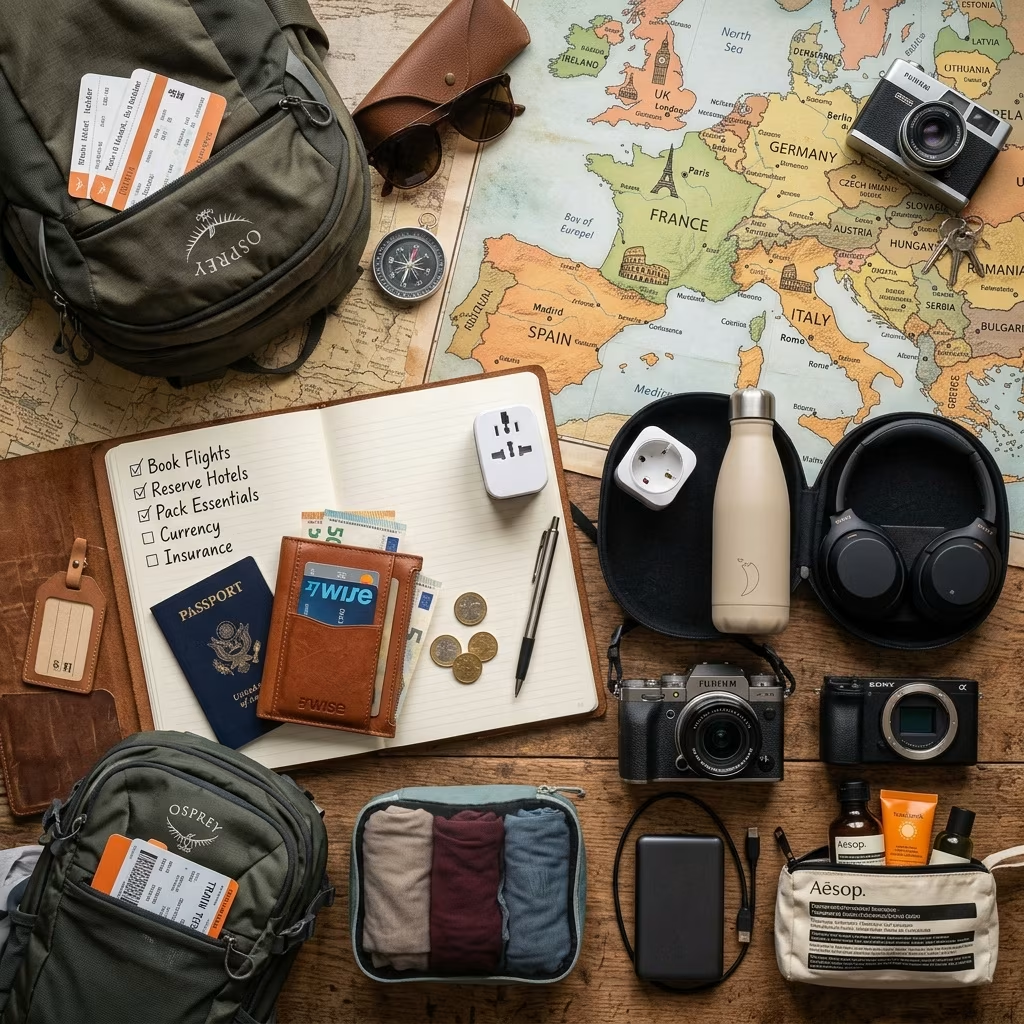
Before You Go: Essential Travel Checklist for Europe
Traveling through Europe can be a rewarding experience, but preparation is key to making your journey stress-free and memorable. Following a comprehensive travel checklist helps ensure that you have all important bases covered, from paperwork and accommodation to packing and essential travel tips. This guide synthesizes expert recommendations for travelers aiming to enjoy Europe with organization, security, and confidence.
Research and Preparation
- Guidebook and Resources: Invest in a reliable and up-to-date guidebook focusing on your itinerary regions. Detailed maps and local recommendations will save you time and help avoid tourist traps.
- Entry Authorization: Check your destination’s entry requirements. Apply for visas, and understand the current entry authorization regulations, such as ETIAS for Schengen-area travel, well in advance.
- Transportation Planning: Decide your main form of transportation — whether trains, buses, rental cars, or public transit. Reserve rail passes or point-to-point train tickets early to snag discounts and avoid queues. Research urban transport and driving rules if you plan to rent a vehicle.
- Accommodations: Book lodgings early, especially for high-demand destinations and peak travel seasons. Today’s best-value rooms are often reserved months ahead of time.
- Consider hotels, hostels, rental apartments, or bed-and-breakfasts that suit your budget and travel style.
- Keep a printed or digital record of your accommodation confirmations.
- Activities and Attractions: Research major sites, museums, festivals, and events on your route. Some must-see attractions require advance booking, so plan your “can’t-miss” items well before departure.
- Language Prep: Learn a few basic phrases in local languages to ease communication and demonstrate courtesy.
Health and Safety Preparation
- Vaccinations and Health Documents: Check if any vaccines are required or recommended for your destinations. Carry a record of immunizations and health insurance details.
- Prescriptions and Medical Needs: Pack prescription medicines in their original containers and keep a written record of generic names. Have a doctor’s note if necessary for controlled substances.
- Travel Insurance: Consider travel insurance to protect against medical emergencies, trip cancellations, or baggage loss.
- Emergency Information: Know how to reach local emergency services and keep important phone numbers handy. Learn the procedures for medical help in each country you visit.
Packing Smart: The Complete Packing Checklist
Packing light and right can be the difference between a carefree trip and one weighed down by excess baggage or missing essentials. Focus on versatile items, comfort, security, and adaptability to changing weather and activities.
Clothing Essentials
- Comfortable Shoes: Choose well broken-in walking shoes with good traction. Consider bringing two pairs: one closed-toe for extensive touring and one open-toe for warmer climates or casual days.
- Weather-Appropriate Layers: Pack tops and bottoms for both cool and warm days. Layering (e.g., sweaters, light jackets, and cardigans) is more versatile than bulky clothing.
- Rain Protection: A lightweight, waterproof jacket with a hood is vital, especially for travel through Britain and Ireland.
- Dress Options: Consider a mix of casual and dressier attire for evenings or special events. In some places, shorts and jeans are too casual for churches or upscale venues — opt for knee-length skirts or pants instead.
- Sleepwear and Accessories: Pack sleepwear, a hat, scarf, and vest (great for layering), belts (optional), and a swimsuit if you anticipate pool or beach time.
- Socks and Underwear: Bring 4-6 pairs of socks and underwear made from quick-drying fabric to allow for laundry on the go.
- Additional Items: One dress (optional), extra bra, wrinkle-resistant skirts, and baby powder (which can double as a dry shampoo).
Toiletries and Medicine
- Basic Toiletries: Toothbrush, toothpaste, floss, shampoo, conditioner, brush/comb, and lotion (preferably SPF).
- Personal Care Items: Razor, shaving cream or soap, deodorant, nail clippers, file, tweezers, feminine hygiene products.
- Health and First Aid: Sunscreen, insect repellent, Vaseline (for blisters), prescription and OTC remedies (painkiller, Pepto, decongestants, etc.), vitamins, first aid kit.
- Eyewear: Spare glasses, contact lenses and solution, or a mini eyeglass repair kit.
- Other: Clothesline, sink stopper, hand sanitizer, and travel soap.
Documents and Money Safety
- Passport and Visas: Bring your passport, driver’s license, and any required entry visas. Keep them secure and accessible at all times.
- Money Belt: Use a flat, hidden money belt to protect important documents and valuables. Alternatives include neck wallets or pants-attached hidden pockets.
- Payment Options:
- Debit card for ATM withdrawals.
- Credit card for purchases and emergencies.
- Emergency stash of hard cash (US dollars and/or Euros).
- Insurance and Contact Info: Carry insurance cards and emergency contact information.
- Document Copies: Make photocopies or scans of vital documents (passport, driver’s license, visas, insurance) to expedite replacement in case of loss. Include backup passport photos.
- Reservation Records: Print copies of reservations for flights, trains, hotels, and car rentals as a backup if your mobile device fails.
Additional Packing Considerations
- Daypack: Pack a lightweight daypack or tote for daily excursions, carrying water, snacks, guidebook pages, and maps.
- Guidebooks and Travel Info: Bring essential chapters, staple together pages, or download offline digital copies to minimize weight and bulk.
- Notepad and Pen: Handy for jotting reminders, contact info, and quick translation aids.
- Journal: A sturdy, travel-ready notebook will help capture trip memories and serve as an organizer.
Packing Tips for Efficiency and Security
- Test your bag before leaving — practice packing and make sure everything fits comfortably.
- Roll clothes instead of folding to save space and reduce wrinkles.
- Use packing cubes or zip-lock bags to organize smaller items and keep essentials easily accessible.
- Limit electronics to necessities; verify plug types and bring a universal adapter.
- Lock checked luggage, but keep valuables with you in a carry-on at all times.
Key Pre-Trip Planning Guide
| Category | Must-Have Items | Expert Tip |
|---|---|---|
| Documents | Passport, visas, driver’s license, insurance proof, backup copies | Carry originals on your body; store digital scans online |
| Money | Debit and credit cards, emergency cash, money belt | Confirm overseas card activation before travel |
| Lodging | Reservation printouts or confirmations on device | Verify cancellation policies and check-in times |
| Packing | Comfortable shoes, layered clothes, toiletries | Choose mix-and-match colors to reduce bulk |
| Miscellaneous | Guidebook, adapter, journal, notepad, emergency contacts | Download guidebook chapters before departure |
Frequently Asked Questions (FAQs)
Q: How early should I book transportation and accommodation for Europe?
A: It’s advisable to book flights and hotels as soon as your dates are set, especially for high-demand destinations or seasons. Rail passes and point-to-point train tickets can offer discounts when purchased in advance.
Q: Is it necessary to use a money belt while traveling in Europe?
A: While not strictly mandatory, a money belt or hidden pouch significantly reduces the risk of pickpocketing and loss of essential documents — it’s highly recommended for peace of mind.
Q: Should I bring a printed guidebook or rely on digital information?
A: Both have advantages. Printed guides work without battery or connectivity, while digital options save weight. Many travelers carry relevant guidebook pages or download offline maps.
Q: How much should I pack to ensure I travel light but still have essentials?
A: Focus on versatile, quick-dry clothing, and limit footwear to two pairs. Most travelers find they need less than expected; laundry facilities are widely available in Europe.
Q: What legal and health documents are required for European travel?
A: Besides your passport, check visa requirements, vaccination records, insurance details, and any necessary permits for driving or special activities. Bringing backup copies can expedite assistance if originals are lost.
Final Tips for a Successful European Journey
- Backup Technology: Bring extra phone chargers, batteries, and consider a power bank for emergency recharging.
- Stay Connected: Arrange for international cell coverage, or buy a local SIM card upon arrival.
- Travel Adaptability: Embrace flexibility — schedules can change, and spontaneous events often become the highlights.
- Respect Local Customs: Observe etiquette for dress, behavior, and communication in each country you visit.
- Emergency Preparedness: Know the local emergency services numbers (e.g., 112 in most of Europe) and nearest embassy locations.
- Protect Personal Data: Use secure Wi-Fi for sensitive transactions and avoid sharing bank info on public networks.
Your preparation and packing will lay the foundation for a memorable European journey. By following this expert checklist, you ensure that all essential details are covered, freeing you to savor your adventure, explore at your own pace, and create lasting memories with confidence and security.
References
- https://www.ricksteves.com/travel-tips/packing-light/packing-list-women
- https://www.islands.com/1901544/rick-steves-things-before-travel-vacation/
- https://www.ricksteves.com/travel-tips/packing-light/ricks-packing-list
- https://www.ricksteves.com/travel-tips/trip-planning/travel-checklist
- https://www.ricksteves.com/travel-tips/packing-light
- https://www.youtube.com/watch?v=oz4Dt3jnB-c
- https://community.ricksteves.com/travel-forum/packing/rick-s-packing-list-f9d515c7-555a-4cb7-9e49-8cf22323fa3a
- https://www.ricksteves.com/watch-read-listen/video/travel-talks/packing-light-right
- https://www.youtube.com/watch?v=58HdRSTAFec