Wales: Enchanting Land of Castles, Coasts, and Cultural Wonders
Wales, a distinctly Celtic land in the heart of the British Isles, is a place where rugged mountain landscapes sweep down to picturesque shores, and ancient castles rise from quaint towns. Explore North and South Wales to uncover dramatic scenery, lively culture, and historical wonders that rival anywhere in Britain. From the poetic peaks of Snowdonia and bustling markets of Cardiff to the seaside delights and hidden valleys, Wales offers an intriguing blend of adventure and tradition.
Wales at a Glance
- Location: Westernmost country of mainland Britain, bordered by England, the sea, and rugged mountains.
- Language: Welsh and English are both spoken (with Welsh seen on many signs).
- Highlights: Castles, national parks, Victorian seaside resorts, market towns, hiking, and traditional culture.
- Best Time to Visit: Spring through fall, with festivals and hiking at their best in late spring and early autumn.
North Wales: A Poem Written in Landscape
North Wales is famed for its scenic diversity and rich Celtic heritage. This region is packed with imposing castles, lively market towns, atmospheric seaside resorts, and Britain’s most dramatic mountain landscapes. It’s a compact area where you can quickly shift from serene beaches to slate quarries, from lush valleys to lively towns—all in a single day.
Highlights of North Wales
- Conwy: Coastal town with Britain’s best-preserved medieval walls and a grand castle.
- Caernarfon: A salty, scruffy harbor town famous for Wales’s most renowned castle—scene of the Prince of Wales’s investiture.
- Snowdonia National Park: Home to storybook villages, the mighty Mount Snowdon, and several heritage railways.
- Llangollen: Riverside market village with the eccentric 18th-century manor, Plas Newydd.
- Portmeirion: Quirky, colorful ‘Italianate’ resort uniquely nestled between mountains and sea.
- Beaumaris: Isle of Anglesey’s historic town with a never-completed, moat-encircled castle.
Unmissable Experiences in North Wales
Wander through the walled town of Conwy, where perfectly preserved defenses enclose cobbled streets and the imposing Conwy Castle—one of King Edward I’s architectural masterpieces. Climb to the ramparts for sweeping estuary and mountain views.
Further along the coast, Caernarfon beckons with the brooding strength of its castle, standing guard over the Menai Strait. The town’s slate-gray walls and lively market square offer the perfect introduction to Welsh life and history.
Explore the Victorian seaside resort of Llandudno, a genteel town developed for 19th-century holidaymakers, where a grand promenade and pebbled beaches recall the heyday of British seaside vacations.
Hike or hop aboard the celebrated Snowdon Mountain Railway to reach the summit of Mount Snowdon, Wales’s highest peak. The vistas across rolling valleys and windswept moorland remain among Britain’s most dramatic. The resort village of Betws-y-Coed provides a handy base for explorations of Snowdonia’s peaks, waterfalls (such as Swallow Falls), and lush forests, as well as being a springboard for family-friendly adventures.
Don’t miss Beddgelert, a storybook village with a poignant legend of loyalty—a stone memorial here commemorates the faithful dog Gelert. This tranquil spot offers gentle walks along riverside paths surrounded by mountain grandeur.
Industrial Heritage: Slate and Steam
- Llechwedd Slate Caverns: Descend deep under the mountains to discover Wales’s slate-mining heritage. Dramatic underground tours reveal the lives and struggles of the miners whose work once roofed the British Empire.
- Heritage railways: Historic narrow-gauge steam trains crisscross Snowdonia, once vital to industry and now beloved by visitors for their scenic routes.
Other North Wales Gems
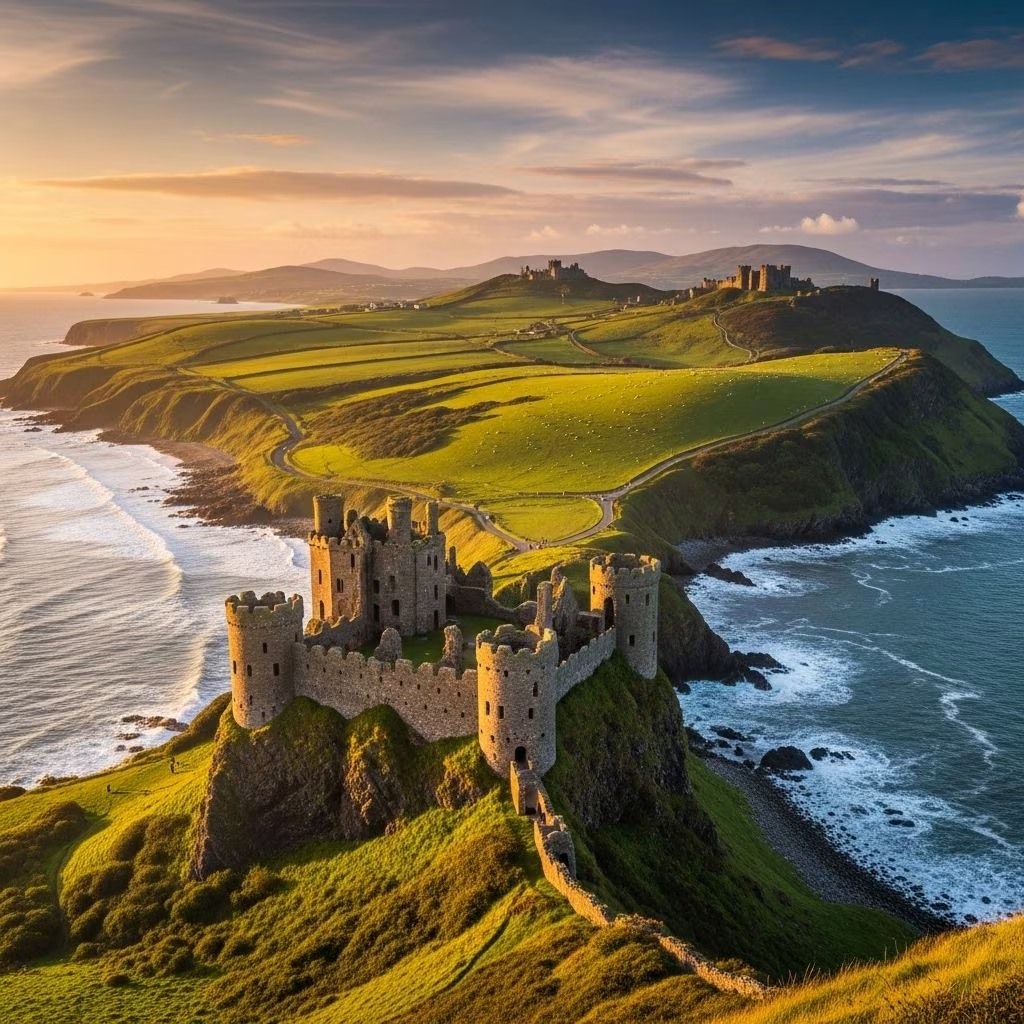
- Harlech Castle: This dramatic seaside fortress stands atop a sheer cliff, boasting a turbulent past and awe-inspiring sea views.
- Ruthin: Low-key and untouristy market town whose charm lies in its everyday Welshness.
- Beaumaris Castle: Moat-ringed and never completed, it is a picturesque reminder of Wales’s medieval glory.
- Llangollen: Known for folk festivals and the manicured eccentricity of Plas Newydd, with its unconventional history.
South Wales: Culture, Capitals, and Castles
South Wales offers a lively contrast to the north, blending revitalized city life, legendary castles, and evocative valleys. Just over the border from England’s main transit routes, it’s an accessible way to sample Welsh culture and history.
Highlights of South Wales
- Cardiff: A vibrant capital city featuring a sumptuous castle complex and a bustling, modern waterfront packed with restaurants, shops, and entertainment.
- St. Fagans National Museum of History: An immense open-air museum on Cardiff’s outskirts, with over 40 buildings reconstructing Wales’s rural past—farmhouses, a school, bakery, chapel, and cottages paint a vivid picture of how Welsh communities once lived.
- Caerphilly Castle: Britain’s second-largest castle, uniquely famous for its ‘leaning tower’ and ghostly tales.
- Tintern Abbey: Haunting medieval abbey ruins set in the lush, tranquil Wye Valley; a source of inspiration for artists and poets.
- Wye Valley: This bucolic borderland is famed for its gentle beauty, charming market towns like Monmouth, and ancient ecclesiastical sites, including the castles at Chepstow and Tintern Abbey.
Cardiff: Capital Culture and Castle Complex
Cardiff fuses Wales’s dynamic present with its storied past. The centerpiece is Cardiff Castle, an eccentric blend of Roman fortifications, medieval battlements, and whimsical Victorian architecture. Inside, lavish interiors parade fantasy murals and gilded ceilings, bearing testament to 19th-century dreams of chivalry. The city’s revitalized harborfront pulses with life, boasting striking contemporary architecture, lively pubs, and cultural venues.
Open-Air Heritage at St. Fagans
Just west of the city, St. Fagans National Museum of History sprawls across lush gardens. This living museum invites you to step back in time as you stroll among skillfully reconstructed cottages, a working bakery, ironworkers’ homes, schools, and a nonconformist chapel. Each building, painstakingly moved from its original location, showcases a different facet of Welsh heritage. Costumed guides and live demos bring the past to life.
Spectacular Castles and Sacred Ruins
Caerphilly Castle looms above its namesake town north of Cardiff. Famous for its corner tower, which leans even more precariously than Pisa’s, and for the tragic tales of its resident ghost, this fortress is one of Wales’s best—and the largest in South Wales. A maze of moats, drawbridges, and spiraling staircases makes exploring a true adventure.
Southwards, the gentle Wye Valley nestles Tintern Abbey: the hauntingly beautiful ruins of a Cistercian church, immortalized by the poet William Wordsworth and painted by J.M.W. Turner. Polished lawns and high Gothic arches shimmer beside the meandering River Wye, making this one of the most atmospheric sites in Wales.
The valley’s lush countryside continues through market towns like Monmouth, known for its historic bridges and literary spirit, down to the ancient Chepstow Castle, perched dramatically above the river cliffs.
Welsh Culture: Language, Music, and Festivals
Wales is fiercely proud of its Celtic roots. The Welsh language is visible and audible throughout the country—on road signs, in local conversation, and in the lyrical names of villages (with more than a few tongue-twisters!).
Music is in the Welsh soul: male voice choirs, folk ballads, and vibrant festivals fill the yearly calendar. National celebrations like the annual Eisteddfod showcase the best of music, poetry, and performance. Local pubs ring with singing, often in both Welsh and English, echoing a spirit of camaraderie and pride.
Throughout your journey, don’t miss a taste of traditional Welsh cakes or a hearty lamb dish, and savor the cozy warmth of a tea room in any weather.
Natural Wonders and Outdoor Adventure
- Snowdonia National Park: The largest in Wales, offering endless hiking, scrambling, and biking in a landscape of peaks, lakes, and valleys. Mount Snowdon (Yr Wyddfa) stands at 3,560 feet, drawing climbers and day-trippers alike. Sir Edmund Hillary even trained here for Everest.
- Coastal Getaways: Besides Victorian Llandudno and sandy stretches around Anglesey, Wales boasts dramatic cliffs, hidden bays, and wildlife-dense beaches—all ideal for walking and wildlife spotting.
- Hiking and Walking: The country is crisscrossed by ancient walking trails, from gentle riverside ambles to serious mountain challenges.
Wales Travel Tips
- Transport: Trains service major hubs—Cardiff, Llandudno, Conwy, Bangor, and Caernarfon—while buses reach outlying towns and national parks. Renting a car is the easiest way to explore rural areas and castles.
- Stay: Accommodation ranges from cozy B&Bs and boutique hotels to rustic inns and countryside cottages. Booking ahead is wise during summer and local festivals.
- Weather: Expect the changeable: bring waterproofs and layers. Some of the most magical moments happen when mist shrouds the valleys or sunshine lights up a ruined castle.
- Respect the pace: Welsh life is friendly, often quiet, and always distinct from its bigger neighbor. Pause, chat, and soak in the sense of place.
Frequently Asked Questions
Q: Which are the must-see castles in Wales?
A: North Wales’s Conwy, Caernarfon, Beaumaris, and Harlech are legendary for their grandeur and UNESCO World Heritage status. In the south, don’t miss Caerphilly Castle and the evocative ruin of Tintern Abbey.
Q: Where should I go hiking in Wales?
A: Snowdonia National Park is the premier hiking destination, offering everything from easy walks to challenging mountain scrambles. Trails around Beddgelert, Betws-y-Coed, and along the river valleys suit all levels.
Q: What’s the best way to experience traditional Welsh culture?
A: Attend a local music festival or Eisteddfod, visit St. Fagans National Museum of History, and spend time in rural villages for authentic pubs, community events, and a chance to hear the Welsh language in daily use.
Q: Is Wales suitable for family travel?
A: Yes. Family-friendly sites include Betws-y-Coed for outdoor fun, castles with interactive exhibits, beach resorts like Llandudno, and engaging museums such as St. Fagans.
Q: Do I need to speak Welsh?
A: No—English is universally spoken, but learning a few Welsh phrases is appreciated and adds to the adventure.
Wales Awaits
From coastlines lined with magnificent castles to poetic mountain valleys, vibrant festivals to tranquil lanes where Welsh is still spoken, Wales promises a journey of adventure, discovery, and heartfelt welcome. Whether hiking the jagged ridges of Snowdonia, wandering Victorian promenades, or savoring a cup of tea beside a castle wall, you will find this Celtic corner of Britain a land apart—timeless, hospitable, and spectacularly beautiful.
References
- https://www.youtube.com/watch?v=nIX_dpVemxA
- https://www.ricksteves.com/watch-read-listen/video/tv-show/north-wales-feisty-and-poetic
- https://www.ricksteves.com/europe/wales/south-wales
- https://www.ricksteves.com/europe/wales
- https://www.ricksteves.com/europe/wales/north-wales
- https://community.ricksteves.com/travel-forum/wales/where-to-stay-what-to-see-in-wales-in-6-days
- https://www.ricksteves.com/watch-read-listen/video/travel-talks/england-wales
- https://www.youtube.com/watch?v=IiJnJOIBSeg
- https://www.youtube.com/watch?v=VsbrpAjm_Hk