Volterra: Tuscany’s Most Authentic Hill Town
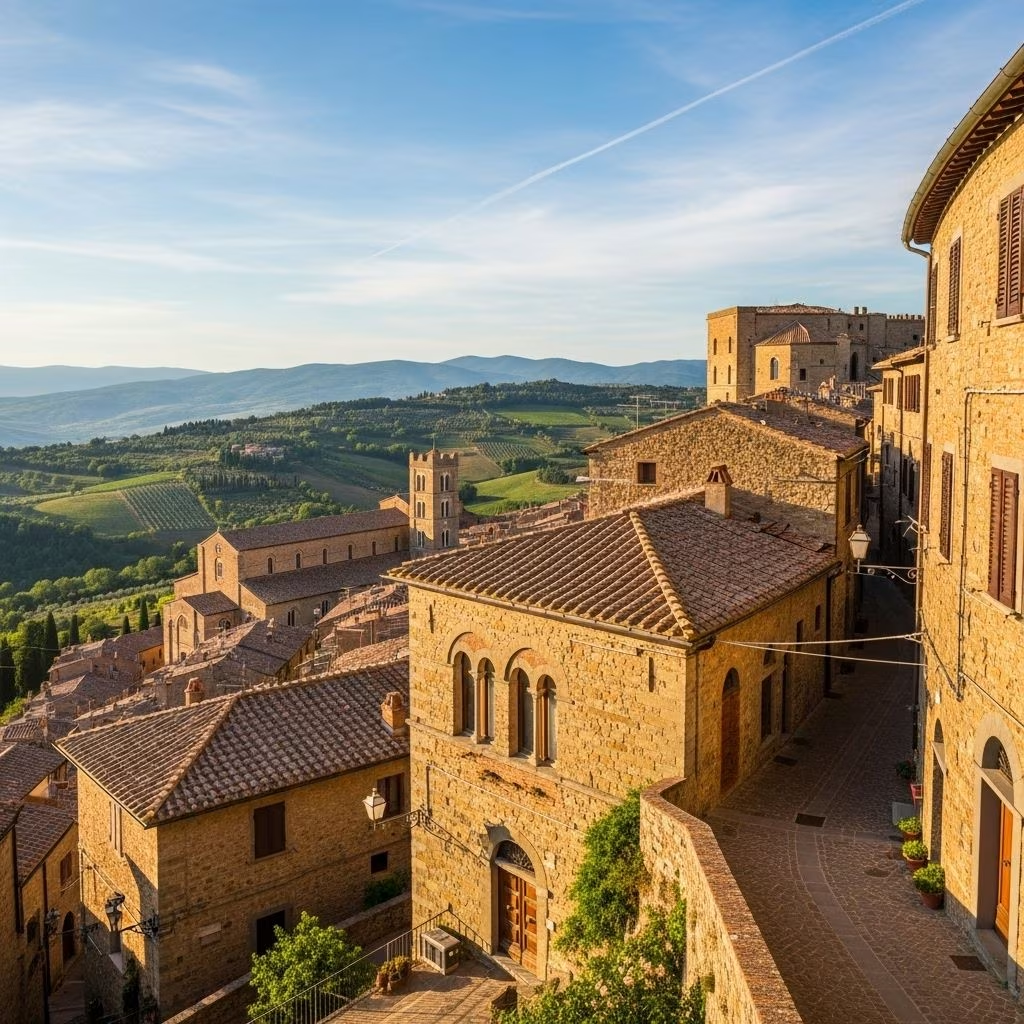
Rising proudly above the rolling hills of northern Tuscany, the medieval town of Volterra offers an enchanting slice of Italian history, artistry, and everyday life. Less polished than its famous neighbors but rich in Etruscan heritage, romantic vistas, and timeworn charm, Volterra invites travelers to slow down and savor a Tuscany few tourists truly discover.
The Timeless Atmosphere of Volterra
Sitting beneath noble stone facades in the shadow of ancient palazzi, you can feel Volterra’s layered history around every corner. The floodlit towers, the timeworn piazzas where bats flutter at dusk, and the proud medieval walls all evoke a city that originated over two millennia ago and has outlasted empires, changing tastes, and shifting borders.
- Authentic ambiance: Volterra’s vibrant community moves to a gentle rhythm, largely unruffled by crowds.
- Rustic beauty: The architecture and stonework speak of centuries of endurance and everyday life.
- Connection to the past: From Etruscan rulers to medieval merchants, the echoes of history are felt in every brick and alley.
The Etruscan Roots: Discovering Ancient Volterra
Long before Florence and Siena rose to prominence, Volterra was a powerful Etruscan city-state. The town’s roots stretch deep into antiquity, offering a rare glimpse into a civilization that shaped Tuscany’s identity centuries before Rome’s ascent.
- Massive Etruscan walls: Once spanning four miles, these fortifications were twice the size of what remains today and still impress visitors with their imposing presence.
- The Porta all’Arco: Volterra’s Etruscan gate, built with giant volcanic tuff stones, has guarded the town for over 2,000 years.
- Etruscan Museum: Home to treasures such as elaborate urns, jewelry, and engraved mirrors, the museum reveals a people who believed the afterlife could be as lively and indulgent as this one.
Wandering through Volterra, you trace the same streets as Etruscan traders and Roman scholars, with archaeological sites and museum displays bringing their stories to life.
Medieval Volterra: Palazzi, Cathedrals, and Living History
The Middle Ages left an indelible mark on Volterra, best seen in its crowded skyline of towers, fortified houses, and robust civic buildings:
- Piazza dei Priori: The central square hosts Italy’s oldest town hall, the Palazzo dei Priori—a masterpiece of 13th-century architecture with a commanding bell tower.
- Cathedral of Santa Maria Assunta: Dating from the 12th century, this cathedral features fine Romanesque design and an expressive marble pulpit.
- Palazzo Viti: Still in private hands, this lavish palace houses an extraordinary collection of art and alabaster furnishings from the 15th to the 19th centuries. Visits may end with a friendly wine tasting in the cellars.
A walk through Volterra’s medieval streets reveals civic pride and artistic achievement, with every nook hiding a tale or tradition from centuries past.
The Roman Influence: Amphitheater and Baths
Rome left its stamp on Volterra as well. Just outside the city walls awaits one of the best-preserved Roman ruins in Tuscany—the Roman Theater:
- Ancient Roman theater: Built in the 1st century BCE, its semicircular bleachers and stone stage are still clearly visible. In Roman times, crowds gathered here to watch comedies, tragedies, and orations.
- Baths complex: In the third century AD, stones from the theater were reused to build elaborate baths visible behind the site, including a tiny round sauna featuring a raised floor for heated air.
These sights allow travelers to picture ancient games and rituals that once animated Volterra, adding yet another layer to the town’s vivid historical tapestry.
Alabaster: Volterra’s Signature Craft
Around Volterra, the soft, almost translucent stone known as alabaster has been quarried and carved since antiquity. Today, local artisans carry this tradition forward, shaping delicate vases, figurines, and jewelry that grace workshops and boutiques throughout the town.
- Historic workshops: Many family-run studios remain in Volterra, where you can watch skilled craftsmen at work.
- Distinctive artistry: Each alabaster piece—whether modern or classical—demonstrates a unique blend of technical mastery and Tuscan style.
- Lovely souvenirs: Alabaster art makes for authentic keepsakes, capturing the town’s heritage in stone.
Shopping for or simply admiring Volterra’s alabaster crafts provides insight into a tradition that has shaped the local culture for over 2,500 years.
Tasting Volterra: Culinary Pleasures
Like all of Tuscany, Volterra is a feast for the senses, especially at the table. Local menus burst with flavors and ingredients unique to this corner of Italy:
- Hearty soups and stews: Savor specialties like zuppa volterrana (a robust bread-and-bean soup) and wild boar ragout.
- Handmade pastas: Try pici—thick, chewy noodles—often served with simple, flavorful sauces.
- Pecorino cheese: Fresh and aged sheep’s milk cheeses pair beautifully with local wines and honeys.
- Artisan wines: The hills yield reds that honor the region’s sunny slopes, offering the perfect accompaniment to a Tuscan meal.
Whether dining in a rustic osteria or sampling street food in the piazza, eating in Volterra is as much a part of local life as history and art.
Passeggiata: The Evening Stroll
As twilight bathes Volterra in golden light, locals and visitors alike participate in the beloved Italian tradition of the passeggiata, or evening stroll. The crowds of day-trippers vanish, and the town reveals its intimate side:
- Strolling the main street: Residents take leisurely walks, exchanging greetings and news as they move from shops to cafes.
- Atmosphere of calm: The energy shifts from bustling sightseeing to relaxed camaraderie.
- Authentic connection: The evening is prime time to meet artisans, join in conversation, and observe the true pulse of the town.
Lingering for the passeggiata is an essential part of the Volterra experience—an invitation to slow down, observe, and savor the rhythms of Tuscan life.
Volterra and San Gimignano: A Study in Contrasts
| Feature | Volterra | San Gimignano |
|---|---|---|
| Atmosphere | Authentic, tranquil, less touristy | Picturesque, crowded, very popular |
| Origins | Etruscan and Roman roots | Medieval focus, famous for towers |
| Artisan specialties | Alabaster carving | Saffron, ceramics |
| Tour highlights | Etruscan museum, Roman theater, palazzi | Medieval towers, frescoes, panoramic views |
| Evening vibes | Quiet, welcoming, local | Becomes calm after day crowds leave |
While both towns offer stunning settings and historic attractions, Volterra’s easy pace and deep roots set it apart, making it a favorite for those seeking an authentic Tuscan escape.
Why Choose Volterra?
Beyond its ancient stones and evocative streets, Volterra stands out among Tuscan hill towns for several reasons:
- Fewer crowds: Volterra’s out-of-the-way location means quieter streets, even in high season.
- Deep heritage: With Etruscan, Roman, and medieval treasures, the town spans 2,500 years of continuous history.
- Living culture: Authentic artisan shops, real markets, and community events maintain the feel of a lived-in, thriving town.
- Gateway to Tuscany: Well-placed for day excursions to Florence, Siena, the coast, and other regional gems.
For travelers yearning to step into the story of Tuscany, Volterra offers an immersive, memorable experience.
Practical Tips for Visiting Volterra
- Getting there: Volterra is about two hours by car from Florence and Siena. Public buses connect Volterra with Pisa and other Tuscan towns.
- Walking shoes: The town’s stone lanes and steep terrain call for sturdy, comfortable footwear.
- Stay overnight: While many visit for a few hours, spending the night allows you to enjoy Volterra’s peaceful evenings and morning ambiance.
- Explore beyond the walls: The nearby countryside is perfect for short hikes, vineyard tours, or soaking up panoramic views.
Frequently Asked Questions (FAQs)
Q: What is the best time of year to visit Volterra?
A: The spring and early fall offer mild weather, blooming landscapes, and fewer tourists. However, Volterra is a year-round destination, with vibrant cultural festivals in the summer and peaceful charm in winter.
Q: Is Volterra suitable for families?
A: Yes, children will love the Roman ruins, Etruscan museum, and plenty of open spaces. The compact old town is easy to navigate.
Q: Do I need a car to visit Volterra?
A: While Volterra is well connected by regional buses, a car provides more flexibility for exploring neighboring hill towns and countryside attractions.
Q: Are English-language tours available?
A: Yes, many tour companies and local guides offer English-language walking tours focusing on Volterra’s history, art, and cuisine.
Q: What makes Volterra unique compared to other Tuscan hill towns?
A: Volterra combines an authentic local feel, deep Etruscan roots, artisanal craftsmanship, and a tranquil atmosphere—far from the bustling crowds of more famous destinations.
Final Thoughts: The Enduring Allure of Volterra
In a region celebrated for its beauty and tradition, Volterra rises above as Tuscany’s most soulful hill town—a place where ancient walls still embrace daily life, artisans shape timeless treasures, and travelers can savor the true flavors of the Italian heartland. Whether you linger for a night or stay for a season, Volterra leaves an impression that endures long after you leave its storied stones behind.
References
- https://orderisda.org/culture/travel/the-best-of-italys-small-towns/
- https://www.ricksteves.com/watch-read-listen/read/articles/volterra-and-san-gimignano-hill-towns-with-a-twist
- https://www.islands.com/1622409/italy-most-underrated-hill-town-volterra-according-rick-steves/
- https://www.ricksteves.com/watch-read-listen/video/volterra
- https://www.ricksteves.com/europe/italy/tuscan-hill-towns
- https://www.ricksteves.com/watch-read-listen/video/volterra-wine
- https://www.youtube.com/watch?v=l6giCOMMsb8