York: A Living Chronicle of England
Among Britain’s most compelling cities, York stands as a vibrant crossroads of millennia—where Roman orders once marched, Vikings traded, and medieval guilds shaped one of the most enduringly atmospheric towns in Europe. Encircled by magnificent stone walls and pierced by narrow, winding lanes, York is both living history and lively present, blending grand sights and everyday English pleasures within its captivating embrace.
The Heartbeat of York: A Tapestry of Eras
Founded as a Roman provincial capital in AD 71, York’s strategic importance grew throughout the centuries—each new civilization layering its mark upon the city. As the capital of the Anglo-Saxon kingdom of Northumbria, then trading center Jorvik during the Viking Age, and later a Norman stronghold, every era is indelibly stamped into York’s brickwork. Today, the city’s medieval walls echo with stories, and its cobbled lanes brim with both nostalgia and energy.
The City Walls: A Walk Through Time
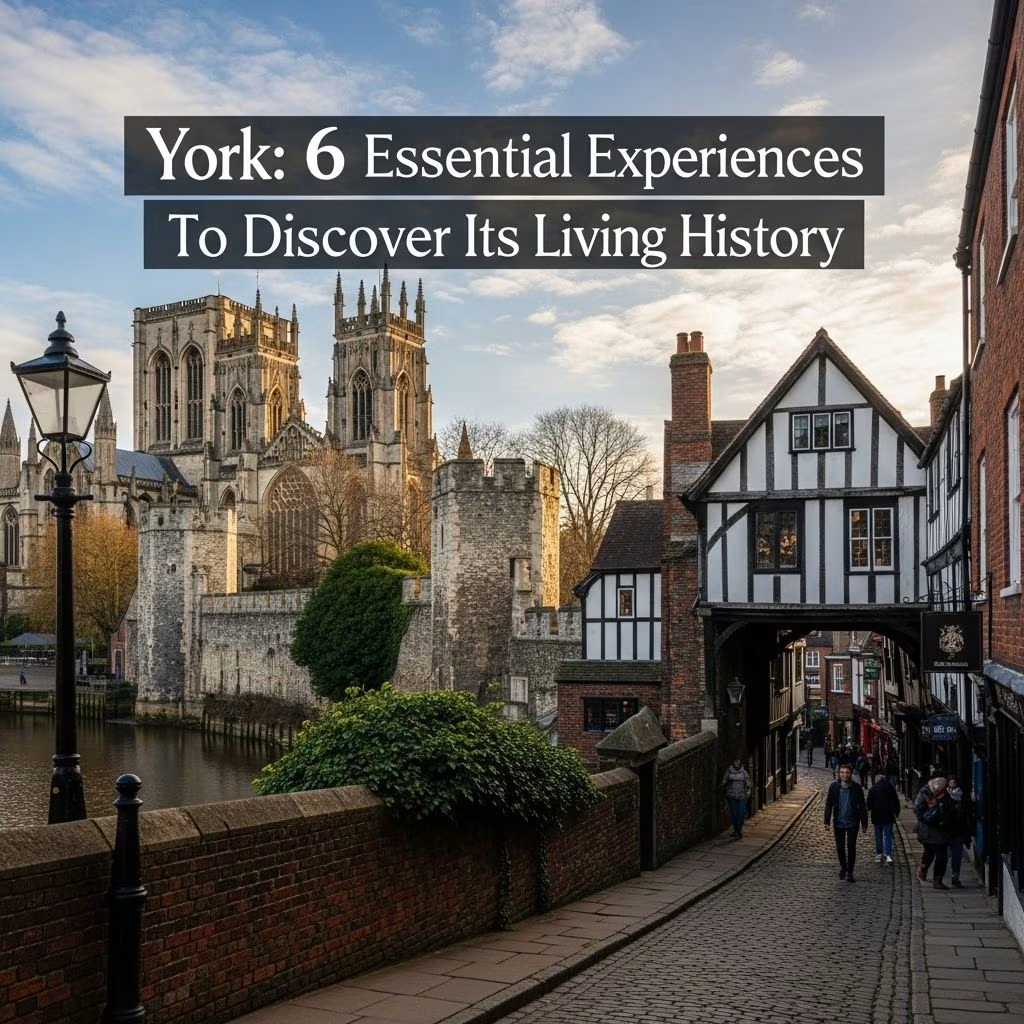
Walking York’s encircling walls is like tracing England’s history through stone. The lower courses are Roman, topped by Danish and Norman repairs, while the crenellated parapets evoke the turbulent Middle Ages. Each stone, archway, and gate—known locally as bars—has played its part in the city’s defense and development.
- Bootham Bar: The northern gate, with foundations from the Roman fortress.
- Micklegate Bar: The royal entrance, which once displayed the heads of traitors in grim warning.
- Multangular Tower: A rare visible remnant of Roman York, featuring a ten-sided military bastion.
Strolling the medieval ramparts offers elevated views of the city’s rooftops, lush gardens, and famous Minster—a panorama layered with centuries of English life.
York Minster: England’s Finest Gothic Church
Dominating York’s skyline is York Minster—the largest Gothic cathedral in northern Europe and one of the most stunning expressions of medieval craft and faith. The Minster’s spire towers above the city as a beacon, its stained glass flooding the nave with radiant color. For over 800 years, it has witnessed coronations, synods, and the spiritual rhythm of the north.
- The Great East Window (1405–1408) is the largest expanse of medieval stained glass in the world, portraying the biblical story from Genesis to Revelation.
- The Five Sisters Window offers delicate monochrome glass, memorializing women who died in World War I.
- Daily evensong services fill the vast nave with choral harmonies—an immersive tradition that connects visitors with centuries of worship.
| Feature | Highlight |
|---|---|
| Architecture | Exquisite Decorated and Perpendicular Gothic |
| Stained Glass | 80 original medieval windows, including Great East Window |
| Interior | Ornate choir screen, intricate chapter house, medieval tombs |
| Views | Climb the Central Tower for sweeping city vistas |
The Shambles & Medieval Quarter: Walking Through Old England
Beneath half-timbered overhangs and twisted chimney pots, The Shambles offers an evocative stroll through York’s medieval soul. Originally a butchers’ lane (meat hooks still visible in some doorways), the street is tightly packed, its timber houses nearly touching overhead. Today, it bustles with artisan shops, sweet-scented bakeries, and plenty of Harry Potter-inspired charm.
- Shambles Market: A daily market brimming with local produce and crafts.
- Medieval lanes: Tiny snickelways (narrow alleys) reveal quirky tea rooms, fragrant chocolatiers, and traditional pubs.
- Hidden courtyards: Offers rare glimpses into ancient guild houses and secret gardens—York’s best-kept secrets await the curious.
Layers of History: Museums and Living Heritage
York’s storied past is brought vividly to life in its world-class museums, each offering an immersive journey into bygone eras.
Jorvik Viking Centre
Experience the city’s Norse roots at the Jorvik Viking Centre. Through interactive rides and archaeological exhibits, visitors come face-to-face with Viking-age York—known as Jorvik. Sights, sounds, and even scents of a recreated Viking street paint an evocative portrait of daily life among ninth-century settlers. Genuine relics, from tools to jewelry, ground the experience in real discoveries unearthed beneath modern streets.
York Castle Museum
Step into the living past at York Castle Museum, which recreates Victorian high streets, period shops, and domestic rooms in stunning detail. Each display is a time capsule, from the cobbled Kirkgate (an entire Edwardian street reassembled inside the museum) to poignant wartime galleries. Founded by Dr. Kirk to preserve history on the brink of modernization, the museum blends nostalgia with powerful social history.
National Railway Museum
All aboard for a celebration of steam and speed at Britain’s premier railway museum. Housed in an enormous roundhouse, the National Railway Museum traces 200 years of transport innovation with beautifully preserved locomotives and carriages. Marvel at:
- Mallard: The world’s fastest steam locomotive, record-holder since 1938.
- Royal Trains: Lavish carriages that once carried British monarchs.
- Hands-on exhibits explaining the inner workings of mighty engines—perfect for all ages.
Yorkshire Museum & Gardens
The Yorkshire Museum showcases treasures spanning Roman mosaics, Anglo-Saxon relics, Viking jewelry, and Norman artifacts. The surrounding botanic gardens—built atop ruined abbey walls—make for an idyllic picnic or reflective pause between forays into the city.
More than Sights: York’s Lively Traditions and Modern Pleasures
York is no mere open-air museum. Its streets thrum with vibrant English life, blending centuries-old customs with contemporary flair. Dine or drink in ancient snugs where medieval stonemasons once toasted a day’s work, or join locals for:
- Morris dancers in town squares, celebrating seasonal festivals with rhythmic steps and jingling bells.
- Open-air markets and bustling riverside cafes—ideal for people-watching and sampling Yorkshire specialties.
- Evening ghost walks, where costumed guides recount York’s most spine-chilling legends along shadowy lanes.
Food & Drink
York’s culinary scene is a blend of traditional and trendy. Sample:
- Yorkshire pudding: Crisp, golden, and ubiquitous in local Sunday roasts.
- Fat Rascals: Fruity, buttery scones particular to the north.
- Craft ales and English gin in cozy heritage pubs.
Practical Tips for Exploring York
- Getting around: The historic core is wonderfully walkable. Most sights cluster within the city walls.
- Travel connections: Quick, direct train service links York to London and Edinburgh (about two hours in either direction).
- When to visit: Spring and early fall strike a balance between manageable crowds and lively street scenes; winter offers atmospheric Christmas markets beneath twinkling lights.
- Guided walks—historical or ghostly—offer insights into York’s hidden stories and characters. Many depart from under the clocktower at the Shambles Market.
Top 6 Essential Experiences in York
- Climb the central tower of York Minster for panoramic city views.
- Stroll the medieval city walls at sunrise or sunset.
- Wander the Shambles and pause in a timber-framed tearoom.
- Board a Victorian train at the National Railway Museum.
- Time-travel through the centuries in the Castle Museum’s reconstructed streets.
- Discover Viking York at the interactive Jorvik Centre.
Frequently Asked Questions (FAQs)
What makes York a must-visit destination in England?
York offers an unrivaled combination of history, architecture, and vibrant urban life, with world-class museums, a spectacular Gothic Minster, and walkable medieval streets, making it a favorite outside London.
How much time should I spend in York?
A well-planned two-day visit allows you to explore the main sights, museums, and enjoy the city’s atmosphere, but history lovers will find plenty to fill three or more days.
Is York suitable for families?
Absolutely—York’s hands-on museums, interactive Viking Centre, and car-free central streets are ideal for children, while adults enjoy its historic sites and culinary traditions.
Do I need to book attractions in advance?
For major sights like York Minster, Jorvik Viking Centre, and the National Railway Museum, advance booking during peak seasons is recommended to avoid long queues, especially on weekends and holidays.
Are there walking tours available?
Yes, varied tours run daily, exploring York’s history, architecture, and legends. Ghost walks are especially popular in the evenings.
York’s Timeless Appeal
Whether you seek the echoes of Roman legions, the hush of Gothic cloisters, or the lively bustle of outdoor markets, York delivers an immersive English experience where the past is not just remembered, but vividly alive. More than just a collection of sights, York rewards the wanderer with serendipitous moments—a friendly greeting at a market stall, the tolling of Minster bells, the warmth of an ancient pub, or the thrill of uncovering yet another hidden lane.
Plan Your Visit: York at a Glance
- Location: North Yorkshire, northeast England
- Founded: AD 71 (Roman Eboracum)
- Best for: History lovers, families, architecture enthusiasts, foodies
- Getting there: Direct trains from London (2 hrs), Edinburgh (2.5 hrs), Manchester (1.5 hrs)
References
- https://blog.ricksteves.com/blog/york-vikings-church/
- https://www.ricksteves.com/watch-read-listen/video/tv-show/england-bath-and-york
- https://www.ricksteves.com/europe/england/york
- https://www.youtube.com/watch?v=jCiaa8_zbgw
- https://www.ricksteves.com/watch-read-listen/read/articles/york-old-england
- https://blog.ricksteves.com/blog/tag/york/
- https://community.ricksteves.com/travel-forum/england/must-see-in-york
- https://blog.ricksteves.com/blog/york-a-city-of-many-dimensions/
- https://www.heraldnet.com/life/rick-steves-europe-york-minster-englands-most-amazing-church/