Zalipie: Poland’s Extraordinary Painted Village
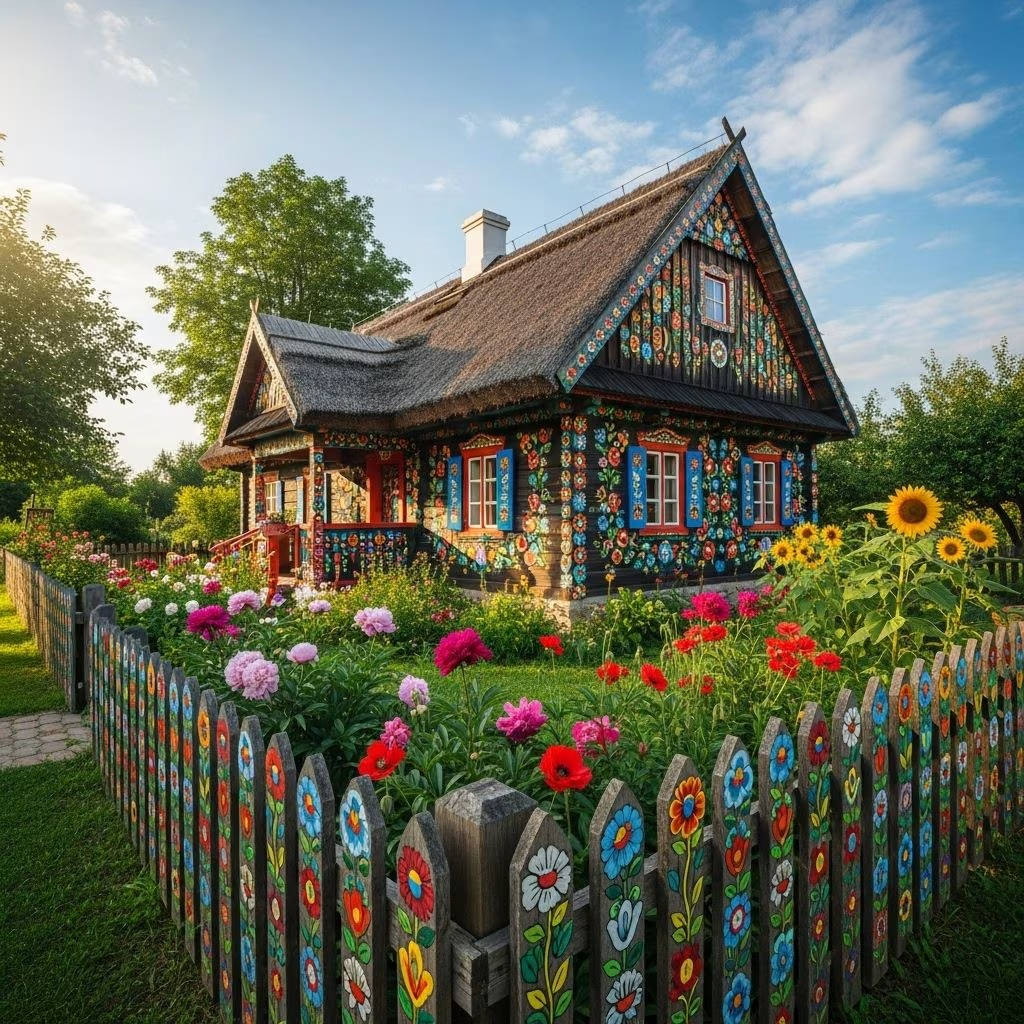
Nestled in the tranquil fields of southeastern Poland, the village of Zalipie is a living canvas of vibrant folk art. While many rural settlements are known for their peaceful ambiance or local customs, Zalipie has achieved fame as Poland’s painted village—a unique enclave where nearly every surface is adorned with a profusion of hand-painted flowers. From cottages and barns to wells, fences, furniture, and even doghouses, the floral motifs transform everyday scenery into a fairy tale landscape. This remarkable tradition has turned Zalipie into a cultural landmark and a must-visit destination for travelers seeking beauty and authenticity.
The Origins of a Colorful Tradition
The story of Zalipie’s painted cottages begins in the humble context of rural home life in the late 19th century. At the time, most homes in the region lacked chimneys, and smoke from wood-burning stoves would stain ceilings and walls with soot. It was women who first addressed this problem creatively: to brighten their living spaces and conceal the grime, they began to paint over the marks using homemade brushes and paint made from basic materials like lime, eggs, and milk. Initial patterns were simple white dots and circles, but over the years these evolved into ever-more elaborate designs inspired by the vibrant flowers blooming nearby.
Paintbrushes were often fashioned from birch or willow sticks; some women even improvised with horsehair or cow hair. As color pigments became accessible in the 20th century, a kaleidoscope of new hues and more sophisticated compositions decorated both interiors and exteriors.
- Late 1800s: Introduction of painted designs to cover soot-stained walls.
- Early 20th century: Development of richer paints, expansion onto outside surfaces.
- Post World War II: Local pride and enthusiasm turned house painting into a thriving tradition, branching out beyond practical needs.
The Blossoming of Folk Art
With each passing generation, the floral painting tradition was refined and passionately preserved by the women of Zalipie. What started as practical home improvement became a flourishing folk art movement. Flowers such as lupines, peonies, lilies, and roses—mirroring those growing in the fields—became the principal motifs, often arranged in exuberant bouquets or wreaths. The visual language of Zalipie’s designs drew inspiration from Polish folk customs, echoing other traditional crafts like painted Easter eggs (pisanki) and decorative paper cuttings (wycinanki).
Every surface became fair game: ovens, ceilings, doors, wells, fences, wagons, animal pens, and even entire facades. Over time, entire streets and clusters of buildings took on a storybook appearance, their vivid palettes enduring through decades of seasonal changes.
Felicja Curyłowa: The Maestro of Painted Flowers
Though many women contributed to the legacy of painted cottages, Felicja Curyłowa (1904–1974) became the most celebrated artist of Zalipie. She created her first mural at age 10 and soon devoted her life to covering every inch of her family’s home with lavish bouquets, leaves, birds, and animals. When she ran out of unpainted surfaces inside, she took her designs outdoors—transforming not only her home but also the doghouse, the barn, and the family well.
Curyłowa’s artistry was so influential that her home is now a centerpiece of the village, preserved as a museum open to visitors who wish to experience her whimsical world firsthand.
- Her designs graced not only private homes but also public spaces; she was commissioned to decorate a famous Kraków restaurant (Wierzynek), a luxury ocean liner (the MS Batory), and even a porcelain set made by the renowned Włocławek factory.
- Her lifelong devotion inspired future generations of Zalipie’s women to cultivate the village’s folk art legacy.
The Painted Village Today: Art Alive Everywhere
Zalipie remains a living treasure trove of folk art with over thirty painted houses. The tradition has only grown stronger, its motifs brightening the daily lives of villagers and bewitched travelers from all over the globe. Homeowners continue to embellish:
- Walls, both inside and outside
- Stoves, ovens, and ceilings
- Garden gates, wells, and fences
- Everyday objects such as dishes, furniture, and tools
- Barns and animal pens
- Public spaces, churches, and even bus stops
Some houses are open to guests, providing immersive tours and the chance to watch— or even try— flower painting under the tutelage of local artists.
Highlights Not to Miss:
- The House of the Women Painters (Dom Malarek): A cultural center and folk art museum where visitors can observe or participate in workshops and see flower painting demonstrations live.
- Felicja Curyłowa’s Homestead: Preserved as a museum exhibiting her life, art, and the evolution of the floral tradition.
- Saint Joseph’s church: A rare example of sacred space decorated in this unique, folk-inspired style.
Cultural Significance and Community Spirit
The tradition is more than just an aesthetic—it’s a vibrant thread connecting generations of women, their families, and the broader community. Painting is seen as a shared celebration, a way of creating beauty and binding neighbors together. Over time, the tradition helped the village achieve a striking collective identity and makes Zalipie stand out among Europe’s cultural heritage destinations.
Once rooted in the necessity of home maintenance, the custom has evolved into a living symbol of pride, optimism, and creative freedom. Today, it continues to inspire local youth and new generations of artisans, ensuring its future amid changing times.
The Annual Painted Cottage Competition: Malowana Chata
A highlight of Zalipie’s year is the celebrated Malowana Chata (Painted Cottage) competition, held every June since the aftermath of World War II. Started to heal the wounds of war and commemorate Poland’s resilience, the event encourages villagers to repaint or update their floral frescoes or create new ones. The competition draws attention not just to individual excellence but to the persistence and growth of communal folk heritage.
During the festival, the village becomes alive with creative energy as:
- Artists of all ages unveil new works
- Workshops, outdoor painting demonstrations, and guided tours are held
- Prizes are awarded for the most inventive and skillfully executed designs
This tradition ensures continual renewal and invites visitors to witness art in motion, as the people of Zalipie refresh and expand their visual legacy year after year.
Visiting Zalipie: What to See and Do
The journey to Zalipie rewards travelers with much more than picturesque photo opportunities. The painted village invites you to slow down, appreciate the intricacy of folk expression, and engage directly with one of Poland’s most cherished living traditions.
- Explore Painted Houses: Many homes open their doors to visitors for tours or painting workshops. Experience interior frescoes and garden displays up close.
- Visit the Folk Art Museum: The House of the Women Painters showcases objects, photographs, and documents chronicling Zalipie’s transformation into a living museum.
- Participate in Art Workshops: Learn the techniques and floral motifs firsthand from local artists, and take home a hand-painted keepsake.
- Discover Painted Wells, Bridges, and Barns: The floral artistry extends to communal infrastructure—be sure to wander and spot as many unique designs as possible.
- Attend the Malowana Chata Festival: Enjoy the full spectacle of renewal and community gathering each June, when fresh designs are revealed.
- Visit Saint Joseph’s Church: A remarkable example of folk decoration meeting worship, this church captivates with its distinctive painted interiors.
Why Zalipie Captivates Travelers
The draw of Zalipie lies in its authenticity, vibrancy, and the profound sense of local pride that saturates each painted petal and vine. Its unique status as a living folk art village has made it a subject of fascination for ethnographers, artists, travel writers, and countless tourists. With its visually stunning houses and storied traditions, Zalipie offers a rare window into the daily life and creativity of rural Poland—proving how the past can blossom beautifully into the present.
Table: Key Features of Zalipie’s Painted Tradition
| Feature | Description |
|---|---|
| Origins | Late 19th-century, women’s solution to soot-stained walls using homemade paints and brushes. |
| Art Motifs | Floral patterns—roses, peonies, lilies, lupines; sometimes animals or birds as accents. |
| Surfaces Painted | Interiors, exteriors, wells, barns, stoves, furniture, doghouses, fences, even churches. |
| Notable Artists | Felicja Curyłowa—her house is now a museum and village landmark. |
| Annual Event | Malowana Chata (Painted Cottage) competition—held every June for over 70 years. |
Frequently Asked Questions (FAQs)
Q: Where is Zalipie located?
A: Zalipie is a small village in southeastern Poland, situated about 68 km (42 miles) from the city of Kraków. It lies in the Małopolska (Lesser Poland) region—easily accessible by car or bus routes from the city.
Q: Who started the floral painting tradition?
A: The tradition began with the women of Zalipie around the late 1800s, as a creative way to hide soot stains from their chimneys-less stoves by painting over them.
Q: What kind of paints and brushes do Zalipie’s artists use?
A: Early artists used brushes made from birch, willow sticks, or animal hair and paints concocted from lime, milk, eggs, clay, charcoal, and natural pigments. Today, modern paints are commonly used, but some traditional techniques remain.
Q: Can tourists participate in painting workshops?
A: Yes, several homes and the House of the Women Painters (Dom Malarek) offer workshops where visitors can try their hand at creating classic Zalipian floral designs.
Q: Is Zalipie open year-round for tourists?
A: Most painted houses and the museums can be visited throughout the year, but June—during the Malowana Chata competition—is especially lively and colorful.
Preserving and Celebrating a Living Heritage
Despite changing times and modernization, Zalipie remains a shining tribute to the communal spirit, ingenuity, and love of beauty embedded in Polish rural life. Through its artfully painted houses, evolving competitions, and visitor-friendly workshops, Zalipie proves that folk traditions can thrive—generously inviting the world to witness and share in its blossoming story.
References
- https://www.atlasobscura.com/places/the-painted-village-of-zalipie-zalipie-poland
- https://keytopoland.com/post/visit-zalipie-the-painted-village-in-poland
- https://www.artsy.net/article/artsy-editorial-tiny-polish-village-filled-flower-painted-cottages
- https://discovercracow.com/zalipie-poland/
- https://www.kuriositas.com/2013/10/zalipie-polands-painted-village.html
- https://www.travelswithcharie.com/2022/05/the-painted-houses-of-zalipie.html
- https://spacesarchives.org/explore/search-the-online-collection/various-artists-the-painted-village/