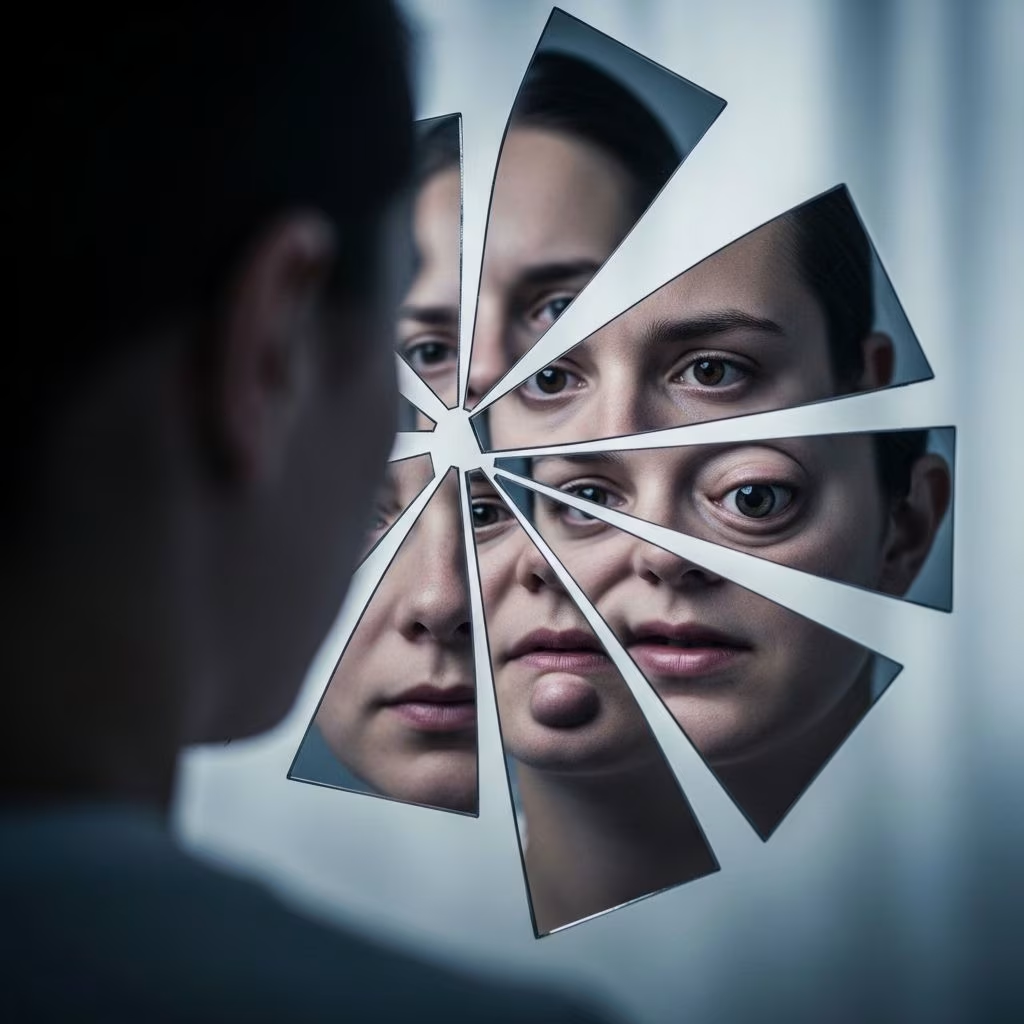
Body Dysmorphic Disorder (BDD) is a chronic mental health condition where an individual is excessively preoccupied or distressed by one or more perceived flaws in their appearance, which are often unnoticeable to others. This article provides an in-depth understanding of BDD—exploring its symptoms, causes, how it’s diagnosed, effective treatment options, and answers to frequently asked questions. Early intervention and awareness can lead to more successful management and a better quality of life for those affected.
What is Body Dysmorphic Disorder?
Body Dysmorphic Disorder is a psychiatric condition characterized by an overwhelming focus on perceived physical imperfections, which are minimal or not observable to others. This preoccupation often causes significant distress and impairs daily functioning, work, or social life. While everyone may occasionally worry about their appearance, people with BDD become so fixated on their perceived flaws that it dominates their thinking and behavior.
- Preoccupation with one or more non-existent or minor flaws in their physical appearance.
- Repetitive behaviors, like mirror checking, grooming, or skin picking.
- Frequent seeking of reassurance about appearance.
- Social withdrawal due to embarrassment over perceived defects.
Who is Affected by BDD?
BDD affects both men and women and commonly begins in the teenage years, a period when individuals may already have heightened sensitivity about body image and self-esteem. However, it can start at any age.
- Estimated prevalence: Approximately 2% of the population.
- Affects both genders equally, though the body areas of concern may differ (e.g., muscle size for men, facial features for women).
- Often coexists with other mental health conditions, such as depression, anxiety, and obsessive-compulsive disorder (OCD).
Symptoms of Body Dysmorphic Disorder
The symptoms of BDD extend beyond simple vanity or occasional concern about appearance. Hallmarks include:
- Extreme preoccupation with a perceived flaw in appearance that others cannot see or consider minor.
- Engaging in repetitive, time-consuming behaviors:
- Excessive grooming or skin picking
- frequently looking in mirrors or completely avoiding them
- Seeking reassurance from others
- Comparing with others’ looks
- Persistent efforts to hide perceived defects using makeup, clothes, or body positioning.
- Reluctance to appear in photographs or be seen in public.
- Significant distress or anxiety related to appearance concerns.
- Difficulty functioning in social, work, or school settings.
- May seek unnecessary cosmetic procedures or surgeries.
Common Areas of Concern
- Skin (scarring, acne, wrinkles)
- Nose (size, shape)
- Hair (thinning, bald spots)
- Face shape/features (chin, lips, forehead)
- Breasts, genitalia, muscles, or other body parts
Causes and Risk Factors for Body Dysmorphic Disorder
The exact causes of BDD are not fully understood. Like many mental health conditions, it likely results from a combination of genetic, biological, psychological, and environmental factors. These can include:
- Genetics: Family history of BDD or other mental health disorders may increase risk.
- Neurobiological factors: Imbalances of certain brain chemicals, particularly serotonin, have been linked to BDD.
- Personality traits: Perfectionism, low self-esteem, and self-criticism can contribute to the development of BDD.
- Environmental Influences:
- Childhood teasing, bullying, or abuse
- Societal pressures and cultural standards of beauty
- Media portrayal of ‘ideal’ bodies and faces
- Significant life transitions or stress
- Other mental health conditions: Co-occurring disorders, like anxiety or OCD, may play a role.
How is Body Dysmorphic Disorder Diagnosed?
Timely diagnosis of BDD can be challenging, as individuals often feel ashamed or are convinced their issue is purely physical, not psychological. Diagnosis is usually based on:
- A comprehensive psychological evaluation that explores patterns of thought, emotional reactions, and behaviors related to body image.
- Detailed personal and medical history, including information about family, social, and academic or occupational functioning.
- Assessment of signs and symptoms using standardized checklists and discussions with the individual (and sometimes family members).
- Occasionally, ruling out other mental or physical health problems that could explain the behavior.
Individuals are sometimes referred to specialists, such as psychiatrists or clinical psychologists, who have expertise in diagnosing and treating BDD.
| Criterion | Description |
|---|---|
| Preoccupation | With one or more perceived defects or flaws in physical appearance that are not observable or appear slight to others. |
| Repetitive Behaviors | Engagement in repetitive behaviors (e.g., mirror checking, excessive grooming, skin picking) or mental acts in response to appearance concerns. |
| Impairment | Clinically significant distress or impairment in social, occupational, or other important areas of functioning. |
| Exclusion | The appearance preoccupation is not better explained by another mental disorder (e.g., dissatisfaction with body shape in eating disorders). |
Effective Treatments for Body Dysmorphic Disorder
BDD often requires a combination of therapeutic strategies for optimal results. Early intervention can prevent symptoms from worsening and improve quality of life. The most common evidence-based treatments include:
Cognitive Behavioral Therapy (CBT)
CBT is the mainstay of BDD treatment and is supported by extensive research. This form of therapy helps individuals:
- Identify and challenge automatic negative thoughts about appearance.
- Understand how thoughts, emotions, behaviors, and rituals are interconnected.
- Develop healthier patterns of thinking and behavior.
- Learn strategies to reduce avoidance, mirror-checking, and reassurance-seeking behaviors.
- Address the emotional distress that accompanies BDD and improve overall functioning.
Family support and involvement can be important—especially for adolescents—encouraging understanding, coping, and recovery.
Medications
Though there are no medications specifically approved by the FDA for BDD, certain drugs used for other mental health disorders can be effective—particularly in moderate to severe cases or when therapy alone isn’t enough. Medications frequently prescribed include:
- Selective serotonin reuptake inhibitors (SSRIs): A class of antidepressants that can decrease obsessive thoughts and ritualistic behaviors linked to BDD.
- Other medications: Sometimes, additional drugs may be used for symptom management or when SSRIs alone are insufficient.
Combination treatment (CBT plus medication) is often most effective.
Hospitalization and Intensive Treatment
Hospital admission may be necessary in rare, severe cases—particularly if:
- The individual is unable to function in daily life
- There is risk of self-harm or suicide due to overwhelming distress
Other Therapeutic Approaches
- Coping and management skills: Techniques to manage anxiety and emotional distress, such as relaxation exercises.
- Psychoeducation: Learning about BDD helps reduce stigma and misunderstanding, both for patients and their families.
- Support groups: Peer support through groups or online communities can be valuable for sharing experiences and coping strategies.
- Emerging treatments: Research is ongoing into neurostimulatory interventions and novel pharmacotherapy for more treatment-resistant cases.
Cosmetic and Medical Procedures: Risks and Realities
Many individuals with BDD seek out dermatological, surgical, or dental treatments in hopes of ‘fixing’ their perceived flaws. However, these often provide only temporary relief, if any, and can worsen psychological distress in the long term. Most experts strongly recommend against cosmetic interventions for people with BDD:
- Unnecessary surgery does not address underlying psychological issues and may result in dissatisfaction or increased distress.
- The desire for repeated procedures can lead to health risks and complications.
Living with Body Dysmorphic Disorder
Living with BDD can be challenging, but support and evidence-based treatment can make a profound difference. Practical steps for managing daily life include:
- Establishing routines and healthy habits (regular sleep, nutrition, activity).
- Learning stress management and relaxation techniques.
- Seeking professional help early and following the recommended treatment plan.
- Involving support networks of friends and family for encouragement and understanding.
It is important for those with BDD and their loved ones to recognize symptoms early and seek professional help before symptoms become disabling. The long-term outlook is improved by early intervention, consistent treatment, and ongoing support.
Frequently Asked Questions (FAQs)
What is the difference between BDD and simple vanity or insecurity?
While most people occasionally feel dissatisfied with some aspect of their appearance, BDD involves persistent, intrusive thoughts and excessive behaviors that interfere with daily life and cause significant distress. The perceived flaws are minimal or invisible to others, but deeply distressing to the individual.
Can BDD be cured?
There is no quick cure for BDD, but many individuals improve significantly with appropriate treatment—especially when it includes cognitive behavioral therapy, medication, or both. Ongoing management is often needed.
Is BDD just about wanting cosmetic surgery?
No. People with BDD may seek cosmetic procedures, but surgery rarely addresses the underlying problem and often fails to bring long-term satisfaction. The disorder lies in distorted thoughts and feelings, not in the actual appearance.
What should I do if I think I have BDD?
If you recognize symptoms of BDD in yourself or someone else, reach out to a mental health professional experienced with body image issues. Early treatment leads to better outcomes.
Can children or teenagers develop BDD?
Yes. The disorder commonly begins in adolescence, and early intervention is particularly important for young people to prevent academic or social disruption and develop healthy coping skills.
Are there support groups for BDD?
Yes. Many local and online resources exist, offering peer support and information about coping strategies, treatment options, and personal stories of recovery.
How can friends or family help someone with BDD?
Providing emotional support, encouraging treatment, learning about the disorder, and avoiding criticism of appearance are all vital ways to help someone struggling with BDD.
Resources for Support and Further Information
- Consult licensed mental health practitioners specializing in body image disorders.
- Contact national mental health organizations or hotlines for guidance and referrals.
- Participate in support groups and educational workshops for individuals with BDD and their families.
References
- American Psychiatric Association. Diagnostic and Statistical Manual of Mental Disorders (DSM-5).
- Mayo Clinic: Diagnosis and treatment of BDD.
- International OCD Foundation: Treatment guidelines for BDD.
References
- https://www.mayoclinic.org/diseases-conditions/body-dysmorphic-disorder/diagnosis-treatment/drc-20353944
- https://pmc.ncbi.nlm.nih.gov/articles/PMC7059151/
- https://www.betterhealth.vic.gov.au/health/conditionsandtreatments/body-dysmorphic-disorder-bdd
- https://bdd.iocdf.org/professionals/therapists-guide-to-bdd-tx/
- https://www.nhs.uk/mental-health/conditions/body-dysmorphia/
- https://my.clevelandclinic.org/health/diseases/9888-body-dysmorphic-disorder
- https://www.eatingdisorderhope.com/treatment-for-eating-disorders/eating-disorder-hotlines
- https://pmc.ncbi.nlm.nih.gov/articles/PMC6343413/
- https://www.mayoclinic.org/diseases-conditions/body-dysmorphic-disorder/symptoms-causes/syc-20353938