What’s the Difference Between Pink Eye and a Corneal Abrasion?
Pink eye and corneal abrasions are two distinct eye conditions, yet both can cause eye discomfort and affect your vision. Although their symptoms may overlap, their origins, severity, and treatments are different. Understanding how to distinguish between them is essential for getting the correct care and protecting your eye health.
Symptoms: Pink Eye vs. Corneal Abrasion
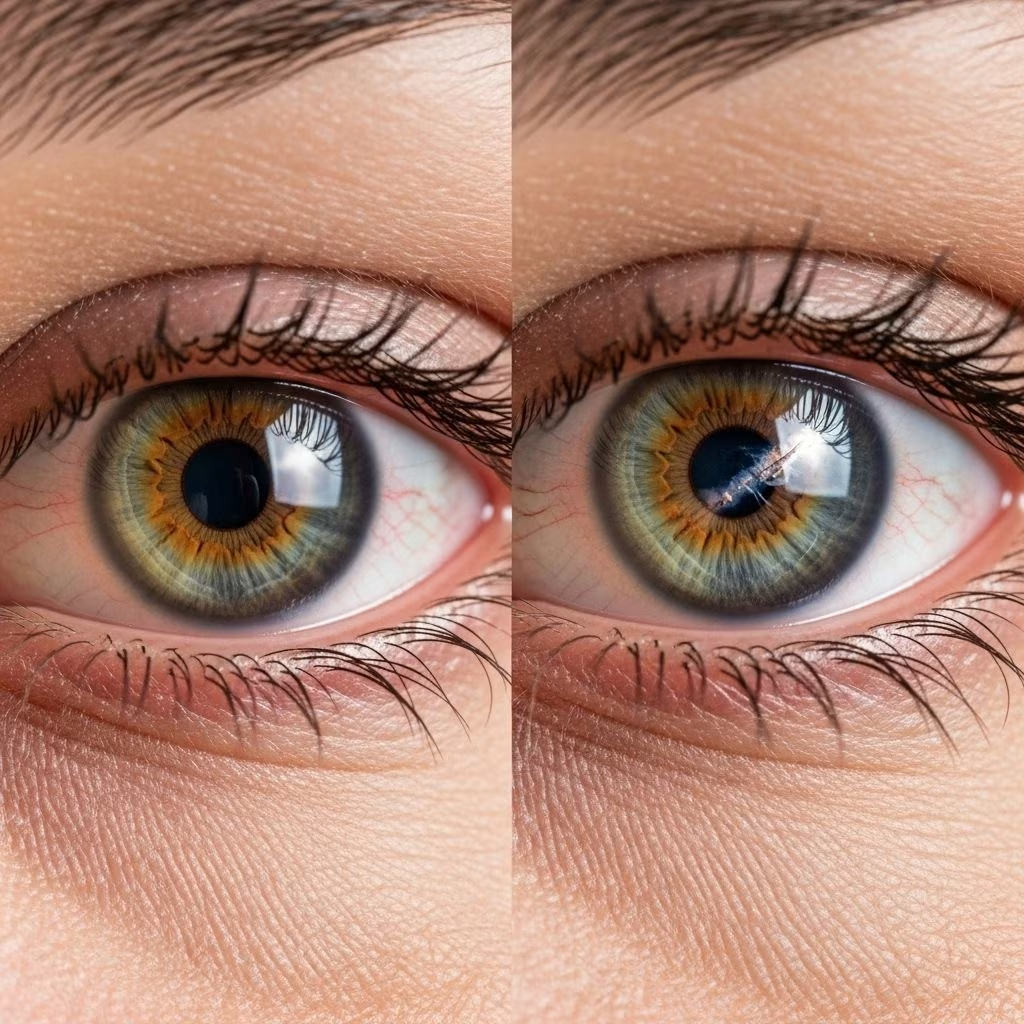
Both conditions may lead to redness, discomfort, and visual changes. However, several symptoms help differentiate pink eye from a corneal abrasion.
| Symptom | Pink Eye (Conjunctivitis) | Corneal Abrasion (Scratched Cornea) |
|---|---|---|
| Redness | Generalized, often prominent in the whites of the eye | May be confined to the area near the scratch, sometimes after frequent rubbing |
| Pain | Soreness, burning, or mild pain | Sharp, intense, localized pain, feeling like something is in the eye |
| Itchiness | Common, especially with allergic pink eye | Uncommon; more often, there is irritation or a gritty sensation |
| Discharge | Watery (viral/allergic) to thick/pus-like (bacterial) | Minimal or absent |
| Vision changes | Blurriness, sometimes sensitivity to light | Blurry vision, marked sensitivity to light |
| Tearing | Present | Often marked and profuse |
| Eyelid swelling | Common | Possible but usually only if the injury is significant |
Pink Eye Symptoms
- Pink or red tint to the whites of the eyes
- Itching and burning sensations
- Swollen eyelids
- Discharge (watery with viral, thicker with bacterial)
- Crusting of lashes, especially upon waking
- Possible temporary blurry vision or sensitivity to light
- Typically affects both eyes, though it can start in one
Corneal Abrasion Symptoms
- Sharp, localized pain in one eye
- Sensation of something stuck in the eye
- Profuse tearing
- Sensitivity to light (photophobia)
- Redness primarily near the abrasion
- Decreased or hazy vision in the affected eye
- Pain that worsens with blinking or opening eyes
Causes: How Do They Occur?
The underlying causes differ significantly between pink eye and corneal abrasions.
Pink Eye Causes
- Viral Infections: Most common cause, often spreads with colds or respiratory illnesses. Highly contagious.
- Bacterial Infections: Also highly contagious; discharge is usually thicker and yellow or greenish.
- Allergies: Triggered by pollen, pet dander, dust mites, or other environmental allergens. Not contagious.
- Irritants: Exposure to smoke, chemicals, or chlorine can cause inflammation and mimic pink eye.
Corneal Abrasion Causes
- Physical Injury: Commonly caused by contact with a foreign object, fingernail, makeup brush, or edge of paper.
- Environmental Hazards: Grit, dust, sand, or plant materials entering the eye, especially in windy or outdoor environments.
- Contact Lenses: Wearing damaged or dirty lenses, or improper insertion/removal.
- Occupational Risks: Jobs involving metal, wood, or tools that create airborne debris.
- Eye Rubbing: Especially when something is already in the eye or when the eyes are dry.
When to Seek Medical Care
Both pink eye and corneal abrasions can threaten your vision without prompt management. You should consult a healthcare provider if you experience:
- Severe eye pain
- Marked vision changes or loss
- Signs of infection (yellow/green discharge, swelling, fever)
- Symptoms not improving or worsening after 24-48 hours
Any suspected eye injury, especially with significant discomfort or trouble seeing, should be evaluated by an eye doctor immediately.
Diagnosis: How Eye Professionals Tell Them Apart
An eye doctor will assess your symptoms and perform a thorough eye examination. Accurate diagnosis is key for targeted treatment.
- History: Recent contact with sick individuals points to pink eye; a history of eye trauma, exposure to debris, or new contact lens use suggests a corneal abrasion.
- Physical Exam: The doctor will examine eye redness, discharge, and location of pain.
- Special Tests:
- Fluorescein staining: A special dye highlights a corneal abrasion under blue light, making scratches visible.
- Slit-lamp exam: Magnifies the cornea and conjunctiva for a detailed view.
- Culture or swab: For suspected bacterial pink eye, to guide antibiotic therapy.
Treatment: Managing Each Condition
Treatment of Pink Eye
The approach depends on the cause of conjunctivitis:
- Viral Pink Eye: Most cases resolve on their own within 1–2 weeks. Supportive care includes lubricating eye drops, cold compresses, and keeping the eyes clean. Avoid touching or rubbing the eyes to prevent spreading.
- Bacterial Pink Eye: Treated with antibiotic eye drops or ointments. Symptoms should improve within a few days of starting treatment.
- Allergic Pink Eye: Managed by avoiding allergens, using antihistamine or anti-inflammatory eye drops, and applying cool compresses.
Avoid using contact lenses until cleared by a doctor, and do not share towels, cosmetics, or personal items.
Treatment of Corneal Abrasion
- Lubricating Drops: Artificial tears soothe irritation and promote healing.
- Antibiotic Eye Drops/Ointment: Prevents infection in the damaged cornea.
- Pain Management: Nonsteroidal anti-inflammatory drops or oral medications.
- Patching: Generally not used for small abrasions; some deep or extensive scratches may require a temporary bandage contact lens.
- No Contacts: Do not wear contact lenses until fully healed and cleared by a physician.
Avoid rubbing your eyes, and do not try to remove deeply embedded foreign bodies yourself. Large, persistent, or vision-threatening abrasions may require further intervention.
Prevention: Protecting Your Eyes
- Wash your hands frequently, especially before touching your face or eyes.
- Avoid sharing eye cosmetics, towels, and pillows.
- Use protective eyewear during sports, construction, or any activity involving debris or hazardous materials.
- Take care with contact lens hygiene. Only use fresh solution and never wear damaged or expired lenses.
- Minimize eye rubbing, especially when the eyes feel irritated or dry.
- Manage allergies and limit exposure to known triggers.
Frequently Asked Questions (FAQs)
How can I tell if my eye problem is pink eye or a scratched cornea?
Pink eye typically causes both eyes to become pink, itchy, and watery, usually with noticeable discharge. A scratched cornea almost always affects only one eye and is characterized by sharp, severe pain, tearing, and the sensation that something is stuck in the eye. If you’ve recently had eye trauma or exposure to debris, and only one eye is affected, it’s more likely a corneal abrasion.
Is pink eye contagious? What about corneal abrasions?
Viral and bacterial conjunctivitis (pink eye) are highly contagious and can spread through direct or indirect contact. Allergic pink eye is not contagious. Corneal abrasions themselves are not contagious, but if they become infected, there is a risk of eye infection—these cannot be spread to others.
How long does it take to heal?
Viral pink eye usually clears in 1–2 weeks, while bacterial pink eye often improves within a few days of antibiotic treatment. Most corneal abrasions heal within two to three days, although deeper injuries can take longer.
What complications should I be aware of?
- Pink Eye: Can occasionally lead to more serious eye infections if untreated, especially if caused by bacteria.
- Corneal Abrasion: If not treated properly, can result in corneal infections (ulcers), recurrent erosions, or even lasting vision impairment.
When should I see a doctor?
Always see a doctor if you experience severe pain, vision loss, extensive redness, signs of infection (such as thick discharge, swelling, or fever), or if symptoms do not start to improve within 24–48 hours after treatment has begun.
Summary
Both pink eye and corneal abrasions may share symptoms such as redness and vision changes, but their causes and treatments differ significantly. If you have persistent, severe, or worsening eye symptoms, always consult an eye professional to safeguard your sight and promote recovery.
References
- https://www.healthline.com/health/eye-health/pink-eye-vs-corneal-abrasion
- https://www.voeyedr.com/pink-eye-vs-scratched-cornea/
- https://www.insightvisioncenter.com/pink-eye-vs-scratched-cornea/
- https://visionsource-rioeyecare.com/blogs/our-blogs/scratched-cornea-vs-pink-eye
- https://www.medicalnewstoday.com/articles/scratched-cornea-vs-pink-eye
- https://reddeereyecare.com/scratched-cornea-vs-pink-eye-how-to-tell-the-difference/
- https://newsnetwork.mayoclinic.org/discussion/eye-irritation-abrasion-or-pink-eye-when-to-see-an-eye-doctor/
- https://www.visionveritaseyecare.com/what-is-commonly-misdiagnosed-as-pink-eye/