Bone densitometry, commonly called a bone density scan or DEXA (dual-energy X-ray absorptiometry) scan, is a key diagnostic tool for evaluating bone health and the risk of osteoporosis-related fractures. This detailed guide will explain the science behind the test, why doctors order it, who should consider having it, how the procedure works, its benefits and limitations, and answers to the most frequently asked questions about bone densitometry.
What Is a Bone Densitometry Scan?
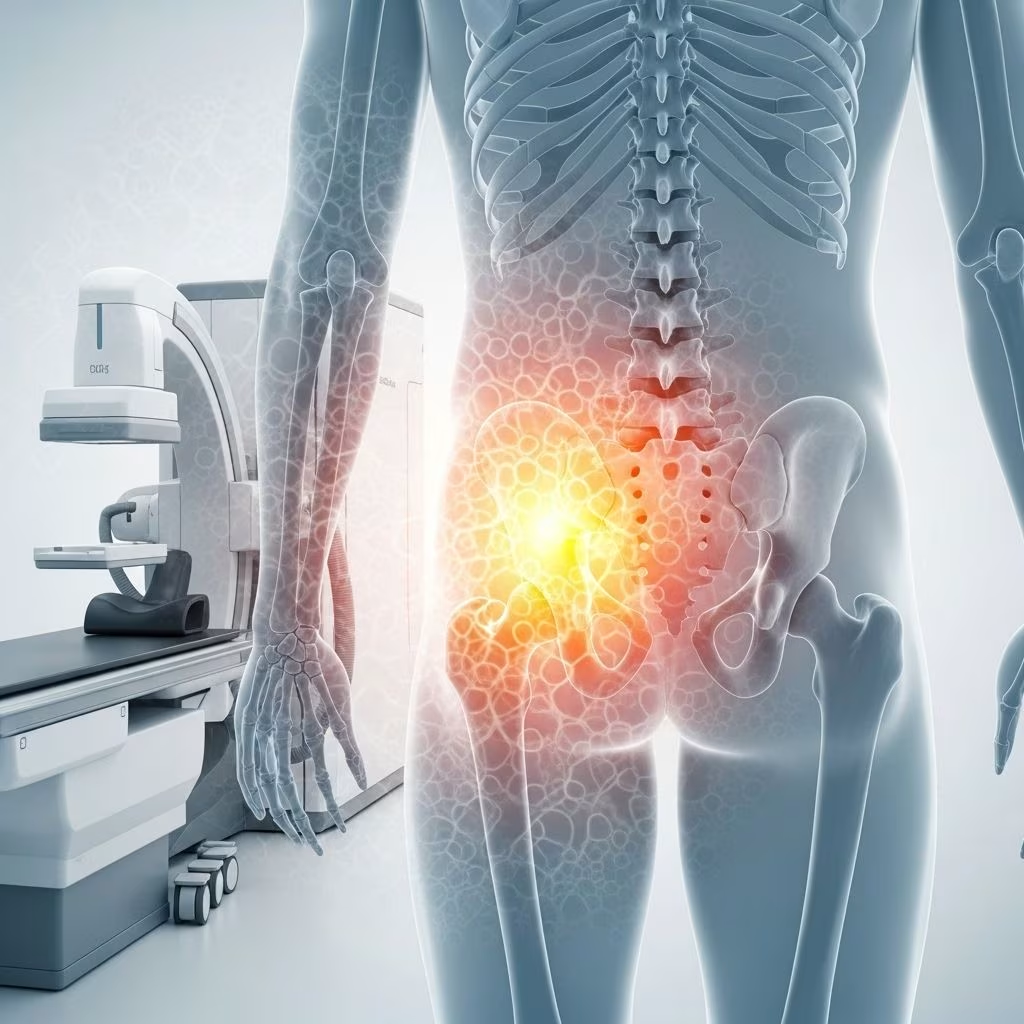
A bone densitometry scan—usually performed using DEXA or DXA technology—uses low-dose X-rays to measure the amount of minerals, primarily calcium, in a region of bone. The result is a precise and noninvasive assessment of bone mineral density (BMD), which is the gold standard for diagnosing osteoporosis and assessing fracture risk in adults.
- Central DEXA scans: Measure bone density at clinically relevant sites such as the spine and hip—locations most vulnerable to osteoporotic fractures.
- Peripheral DEXA (p-DEXA) scans: Used to test the wrist, fingers, forearm, or heel. These are less comprehensive but sometimes used for quick assessments.
Why Is Bone Density Testing Done?
Bone densitometry is primarily used to detect osteoporosis, a condition characterized by fragile bones. The test helps physicians:
- Detect lowered bone density before a fracture occurs.
- Evaluate the risk of bone fractures due to osteoporosis.
- Confirm a clinical diagnosis of osteoporosis following certain types of bone breaks.
- Monitor the effectiveness of osteoporosis treatment over time.
Osteoporosis can develop silently over years with no symptoms. Routine bone density testing is critical for early detection and prevention of complications.
Who Should Get a Bone Density Test?
Although osteoporosis is more common in women post-menopause, anyone with risk factors may benefit from bone density testing. Your doctor might recommend the test if you:
- Have lost significant height (usually more than 1.5 inches or 3.8 centimeters), which may be a sign of spinal compression fractures.
- Have experienced fragility fractures (those resulting from minor falls or stresses).
- Take medications associated with bone loss, such as long-term corticosteroids (e.g., prednisone).
- Have lowered hormone levels (e.g., post-menopause for women, after prostate cancer treatment for men).
- Have chronic conditions linked to weakened bones (like rheumatoid arthritis, some cancers, or certain eating disorders).
How Does a Bone Density Test Work?
The DEXA scanner sends a thin, low-dose X-ray beam with two different energy levels through the bone. Soft tissue absorbs one energy peak, and bone absorbs the other. By subtracting the soft tissue reading from the total, the system calculates the mineral content in the bone. Special software processes this data into a bone density measurement displayed on a computer.
Equipment Used in Bone Densitometry
- The central DEXA machine consists of an X-ray generator below a padded examination table and an imaging detector above.
- The peripheral DEXA device is compact and portable, often shaped like a box, designed to measure extremity sites like the wrist, finger, or foot.
Types of Bone Density Testing
| Type of Test | Area Scanned | Common Use |
|---|---|---|
| Central DEXA | Spine, Hip (and sometimes full body) | Standard screening for osteoporosis and general fracture risk |
| Peripheral DEXA (p-DEXA) | Wrist, Finger, Forearm, Heel | Initial or quick assessments; not as detailed as central DEXA |
| VFA (Vertebral Fracture Assessment) | Spine | Screens for vertebral (spinal) fractures during a DEXA scan |
How to Prepare for a Bone Density Scan
- Inform your physician and technician if you might be pregnant.
- Refrain from taking calcium supplements for at least 24 hours before the test.
- Avoid DEXA scans soon after barium contrast studies or nuclear medicine tests, as these could affect results.
- Wear comfortable, loose-fitting clothing. You may need to change into a gown. Remove metal objects such as jewelry and belts from your clothing.
What to Expect During the Procedure
Central DEXA test:
- You will lie on your back on a padded table. For spine measurements, your legs may rest on a support to flatten the lower spine.
- The device’s imaging arm will pass over your hips and spine, while you remain still. Occasionally, you’ll be asked to hold your breath for a few seconds to avoid image blurring.
- The scan typically takes 10 to 30 minutes to complete.
- If your provider is scanning your hip, one foot may be placed in a temporary brace to rotate your hip inward.
Peripheral DEXA test:
- You place your forearm, finger, hand, or foot into the scanner’s opening.
- This test is brief, usually lasting just a few minutes. The results are often available soon after the scan.
Understanding Your Bone Density Results
Your bone density can be measured and described in several ways:
- BMD (Bone Mineral Density): The absolute mineral content of bone, often reported in grams per square centimeter.
- T-score: Compares your bone density to the normal peak bone density of a healthy young adult of your sex. This is the main number used for osteoporosis diagnosis.
- Z-score: Compares your bone density to what is expected in someone of your age, sex, and size. Helpful for assessing bone loss in younger individuals.
| T-score Range | Interpretation |
|---|---|
| -1.0 or above | Normal bone density |
| -1.1 to -2.4 | Low bone density (osteopenia) |
| -2.5 or below | Osteoporosis |
Your health care provider will interpret your results, considering your medical history, risk factors, and physical examination.
Benefits of Bone Density Testing
- Early detection of osteoporosis: Allows for earlier intervention before fractures occur.
- Assessment of fracture risk: Supports decisions about medication, lifestyle adjustments, and follow-up frequency.
- Monitoring treatment: Helps evaluate the effectiveness of ongoing osteoporosis treatment or changes in therapy.
- Simple, noninvasive, and quick: The DEXA scan involves no injections, is painless, and uses very low doses of radiation.
Risks and Limitations of Bone Densitometry
- The scan involves minimal radiation exposure, much less than a chest X-ray.
- Bone density scans do not detect fractures directly, cancer, or infections (these require other imaging tests).
- DEXA results should not be interpreted in isolation and must be combined with other clinical information for treatment decisions.
- DEXA scans are generally not recommended for people without risk factors or for children unless a specific concern exists.
- Recent barium studies and some metallic implants may lead to inaccurate results.
After the Bone Density Test
- You can resume normal activities immediately after the test; there’s no recovery time needed.
- Your result is usually available within a few days. The physician who ordered the scan will review your T-score and Z-score, discuss your fracture risk, and recommend any necessary treatment or lifestyle changes.
- If there’s a high risk for fractures, your doctor may suggest medication, calcium and vitamin D supplementation, weight-bearing exercises, or repeat testing according to standard guidelines.
Frequently Asked Questions (FAQs)
What is the difference between a bone density test and a bone scan?
A bone density test (DEXA scan) measures bone mineral content for osteoporosis screening. A bone scan uses a radioactive tracer and is typically used to detect cancers, infections, or fractures throughout the skeleton.
Does the DEXA scan involve radiation? Is it safe?
The DEXA scan uses minimal radiation, much less than most conventional X-rays. The procedure is widely considered safe when clinically appropriate.
How often should bone density testing be repeated?
Repeat intervals depend on age, gender, initial results, risk factors, and treatment. Usually, follow-up testing is done every 1–2 years if you are at high risk or undergoing treatment, but your doctor will personalize recommendations.
Can men develop osteoporosis and need bone density testing?
Yes. While osteoporosis is more common in women, men—especially older adults, men on certain medications, or those with chronic medical conditions—can develop osteoporosis and should be tested if they have risk factors.
What can affect bone density results?
Recent ingestion of calcium supplements, some types of imaging, recent fractures, orthopedic hardware (like metal rods or artificial joints), and incorrect positioning can all affect test results. Always follow pre-test instructions and tell your provider about any recent medical tests or implants.
How to Maintain Healthy Bones
- Engage in regular weight-bearing exercise (e.g., walking, jogging, dancing).
- Consume adequate amounts of calcium and vitamin D as recommended by your healthcare provider.
- Avoid smoking and limit alcohol intake.
- Manage chronic conditions and review all medications with your physician.
- Discuss fall prevention strategies if you are at risk.
References
- MedlinePlus. Bone Density Scan
- Radiologyinfo.org. Bone Density Scan (DEXA or DXA)
- Mayo Clinic. Bone Density Test
References
- https://medlineplus.gov/lab-tests/bone-density-scan/
- https://www.radiologyinfo.org/en/info/dexa
- https://www.mayoclinic.org/tests-procedures/bone-density-test/about/pac-20385273
- https://www.niams.nih.gov/health-topics/bone-mineral-density-tests-what-numbers-mean
- https://my.clevelandclinic.org/health/diagnostics/10683-dexa-dxa-scan-bone-density-test
- https://www.youtube.com/watch?v=OkjndlCsqBQ
- https://www.bonehealthandosteoporosis.org/patients/diagnosis-information/bone-density-examtesting/
- https://www.youtube.com/watch?v=68odYBQfKgQ