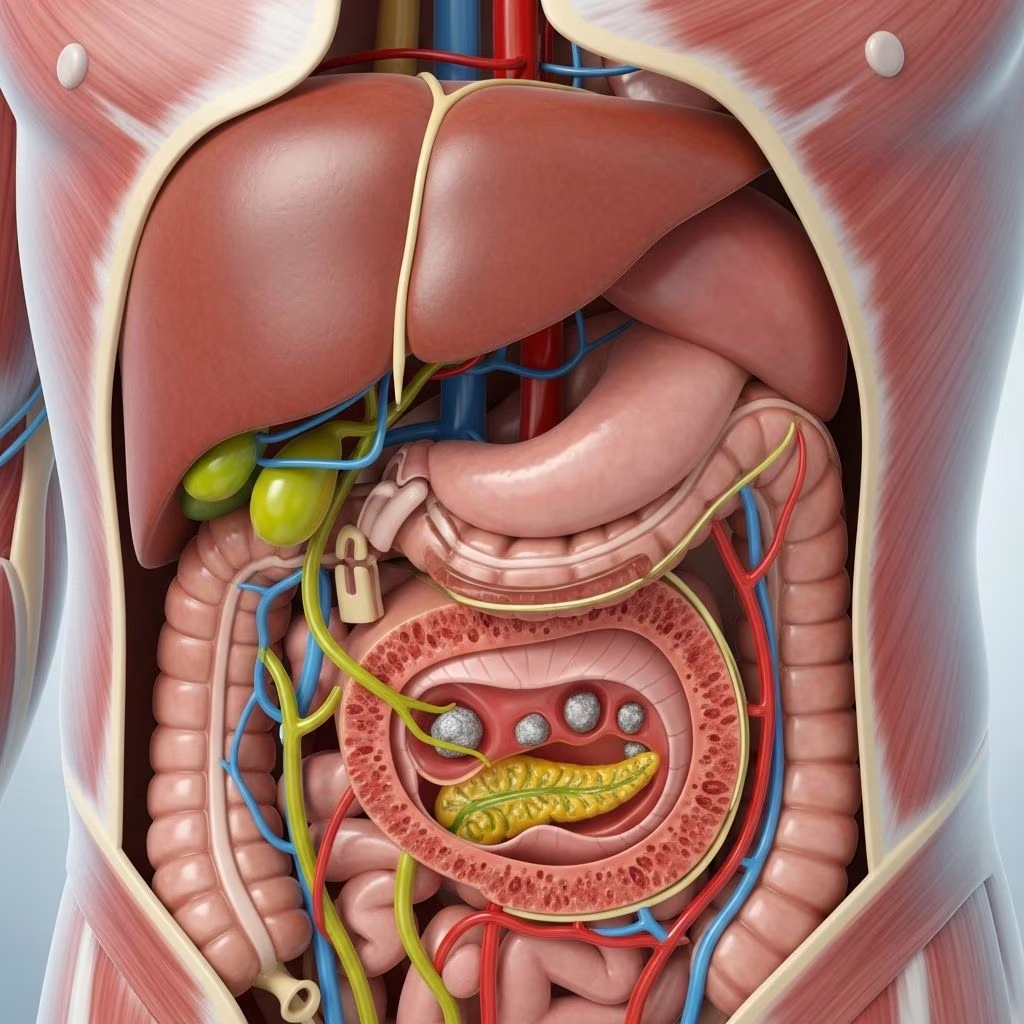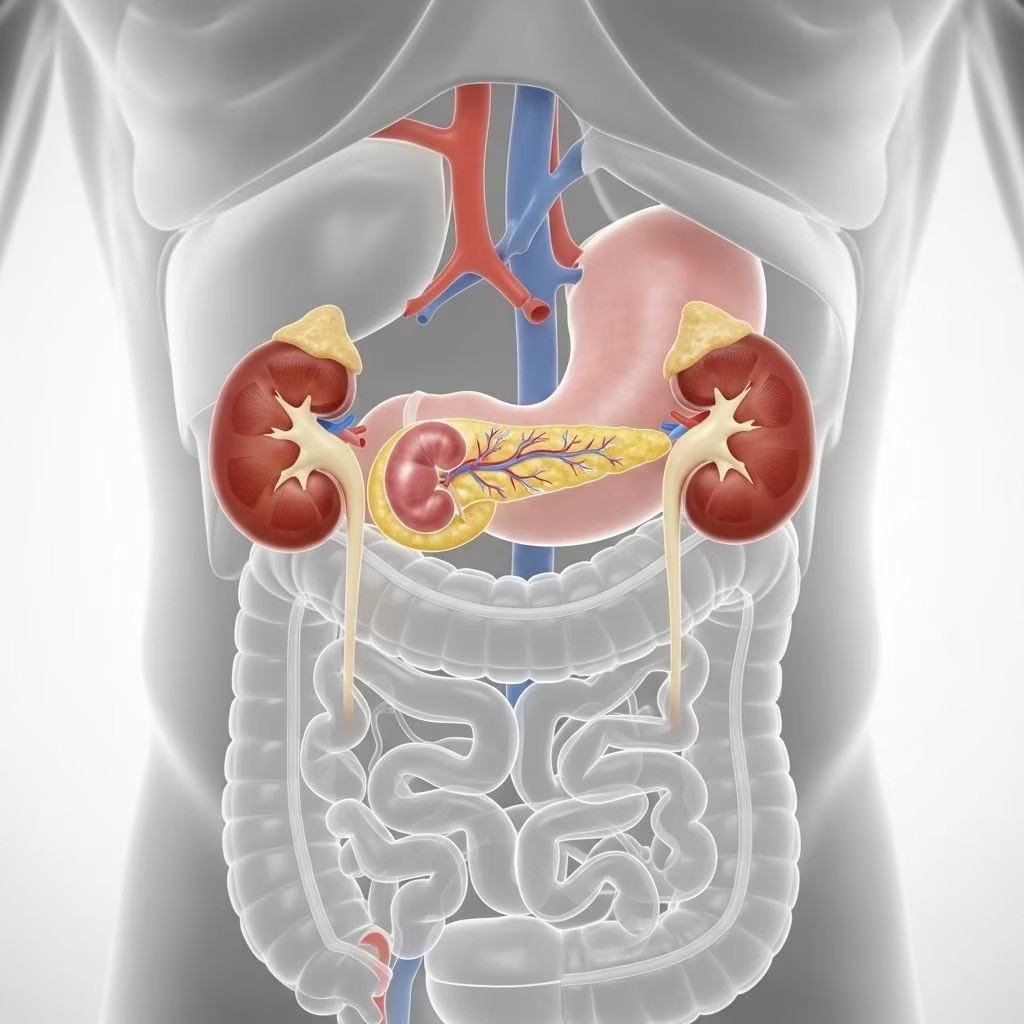
For individuals facing both kidney failure and diabetes, a combined kidney and pancreas transplant can provide renewed health and significantly improve quality of life. This advanced surgical procedure, also known as a simultaneous pancreas and kidney (SPK) transplant, offers the possibility of normalizing blood sugar levels and eliminating the need for both dialysis and insulin therapy.
Overview: What is a Combined Kidney-Pancreas Transplant?
A combined kidney and pancreas transplant is a surgical operation in which both a healthy kidney and pancreas are transplanted, usually from the same deceased donor, into a recipient during the same procedure. This transplant is most commonly performed on people with type 1 diabetes who have also developed chronic kidney disease or end-stage renal disease (ESRD) due to diabetes-related kidney damage.
- Purpose: To restore normal kidney function and enable insulin independence by providing a healthy pancreas that produces insulin.
- Main goal: To eliminate the need for dialysis and insulin injections, and to improve the overall quality of life.
The procedure can also be used for some people with type 2 diabetes, but this is less common. Most organs for this procedure come from deceased donors, though in rare instances a living kidney donor may be used along with a pancreas from a deceased donor.
Who Might Need a Combined Kidney and Pancreas Transplant?
The majority of recipients for a kidney and pancreas transplant are those who:
- Have type 1 diabetes, which has led to advanced chronic kidney disease or kidney failure.
- Need both improved blood sugar regulation and removal of the need for dialysis.
- Have not responded adequately to conventional management like insulin therapy and renal replacement treatments.
This type of transplant is typically considered when:
- The patient has reached ESRD and is either on dialysis or will require it soon.
- Blood sugar levels are not well controlled despite optimal medical therapy.
- There are complications from diabetes, such as neuropathy (nerve damage) or retinopathy (eye damage), that could benefit from better metabolic control.
While type 2 diabetes is not a typical indication for this transplant, select cases—especially those with insulin dependence and kidney failure—may be considered in some specialized centers.
Eligibility and Evaluation
Candidacy is determined through comprehensive evaluations at a transplant center, which typically assesses:
- Overall health status and ability to tolerate surgery
- Presence of other chronic conditions (heart disease, infection, cancer)
- Lifestyle factors, such as adherence to medical advice and avoidance of harmful behaviors like ongoing smoking or substance use
Contraindications
- Active infections or untreated cancers
- Uncontrolled psychiatric illness
- Severe heart or lung disease
- Other issues that could compromise surgery or aftercare
Types of Kidney and Pancreas Transplant
Depending on timing and individual needs, transplant types include:
- Simultaneous Pancreas-Kidney (SPK) Transplant: Both organs are transplanted in one operation, usually from the same donor (most common approach).
- Pancreas After Kidney (PAK) Transplant: The kidney is transplanted first (sometimes from a living donor), then the pancreas at a later date.
- Pancreas Alone: Rare, only for select patients with problematic diabetes but functioning kidneys.
Pre-Procedure Steps: Preparation and Assessment
Before undergoing a kidney-pancreas transplant, prospective recipients go through extensive testing and preparation, including:
- Imaging tests to evaluate organ function, such as ultrasounds, CT scans, and heart evaluations.
- Blood tests to assess compatibility—including human leukocyte antigen (HLA) matching, blood typing, and viral screens.
- Medical history assessment, including management of underlying diabetes complications.
- Education and counseling about the transplant process, risks, and lifelong need for medications.
The Kidney and Pancreas Transplant Procedure: What to Expect
The surgery is a complex operation that usually takes between five and eight hours and is performed under general anesthesia. Here is an overview of what typically happens:
- Organ Retrieval: The kidney and pancreas (usually from the same deceased donor) are removed and prepared for transplantation.
- Surgical Transplantation:
- The new kidney is placed in the lower abdomen and connected to the recipient’s blood vessels and bladder.
- The pancreas is also placed in the lower abdomen, with its blood supply reestablished and the small intestine connected to allow digestive enzymes to drain safely.
- Native Organs: The recipient’s own non-functioning kidneys and pancreas are usually left in place unless they are causing complications like infection or high blood pressure.
- Recovery Room: After surgery, the patient is closely monitored in a recovery unit, then transferred to a regular hospital room.
Recovery After Combined Transplant
Recovery after a kidney and pancreas transplant requires close medical supervision during the hospital stay, which typically lasts one to two weeks. The first three months are especially demanding as the body adapts to the new organs and medication regimens are established.
- Monitoring: Frequent blood tests to monitor organ function and medication levels.
- Physical Activity: Early rehabilitation to gradually build up strength and activity levels.
- Education: Training on how to recognize signs of organ rejection, infection, or complications.
- Follow-up: Regular appointments with a transplant team for the first year, followed by decreasing frequency as recovery progresses.
Lifelong Changes and Maintenance
- Commitment to daily immunosuppressive medications to prevent organ rejection.
- Continued blood pressure, cholesterol, and diabetes monitoring (if any issues persist).
- Adoption of a healthy lifestyle, including balanced nutrition and physical activity.
- Prompt notification to healthcare providers if signs of illness, infection, or rejection occur.
Potential Risks and Complications
Kidney and pancreas transplantation, like all major surgeries, carries risks. It is important to be aware of both immediate and longer-term complications:
- Rejection of the organs: The body’s immune system may attack the new kidney or pancreas, especially if medication is not taken as prescribed.
- Infection: Immunosuppressive drugs increase susceptibility to infections.
- Clotting or bleeding: Blood clots or excessive bleeding during or after surgery.
- Organ failure: Grafted organs may occasionally fail to function or lose function over time.
- Cardiovascular risks: Increased risk of heart-related events due to underlying diabetes
References
- https://www.froedtert.com/stories/improving-quality-life-kidney-and-pancreas-transplant
- https://www.healthline.com/health/kidney-disease/kidney-pancreatic-transplant
- https://optn.transplant.hrsa.gov/media/2348/pancreas_guidance_201712.pdf
- https://pmc.ncbi.nlm.nih.gov/articles/PMC6715578/
- https://www.healthline.com/health-news/type-1-diabetes-the-benefits-and-limitations-of-a-pancreas-transplant
- https://pmc.ncbi.nlm.nih.gov/articles/PMC9047730/
- https://www.medicalnewstoday.com/articles/316987
- https://physicians.dukehealth.org/articles/successful-outcomes-simultaneous-pancreas-kidney-transplant
- https://www.emoryhealthcare.org/centers-programs/pancreas-transplant-program/about
- https://www.bidmc.org/centers-and-departments/transplant-institute/pancreas-transplant/who-needs-a-pancreas-transplant