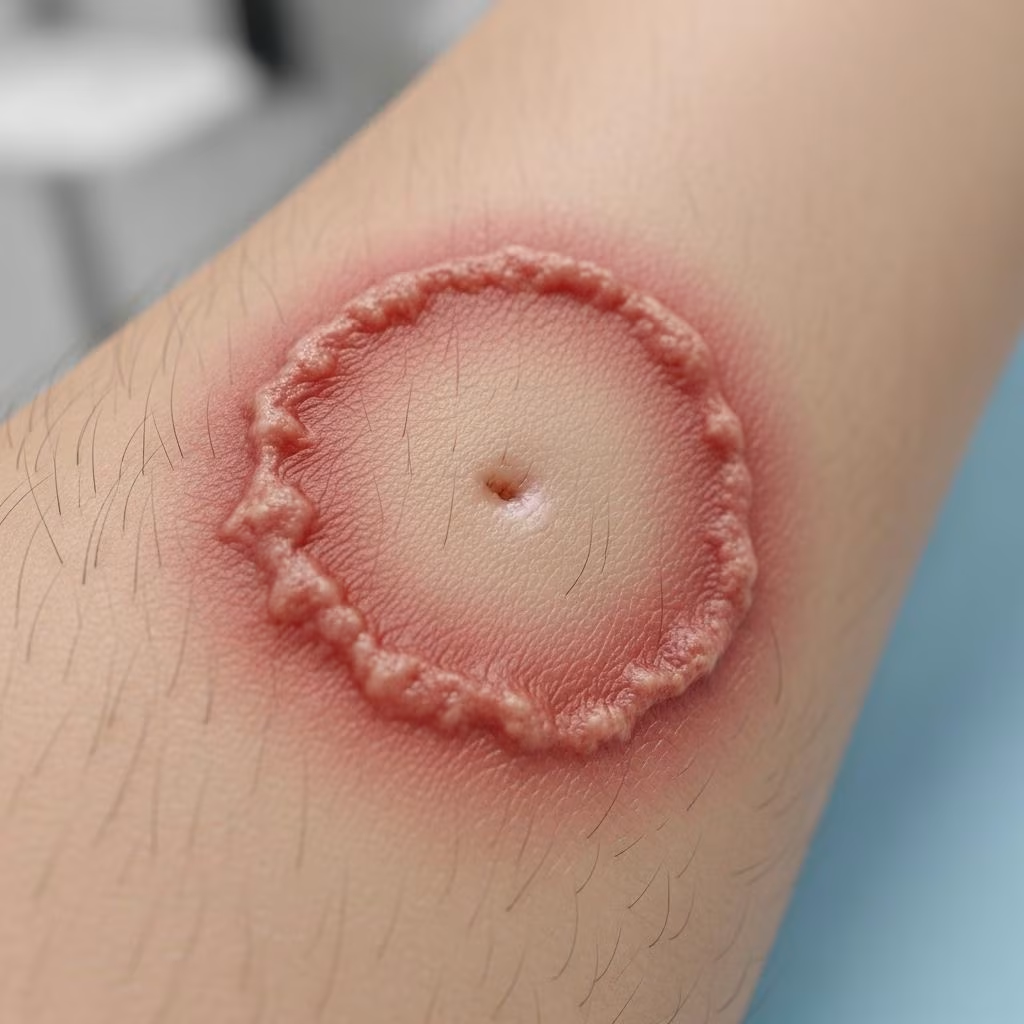
Cramps But No Period: Causes, What It Means, and When to Seek Help
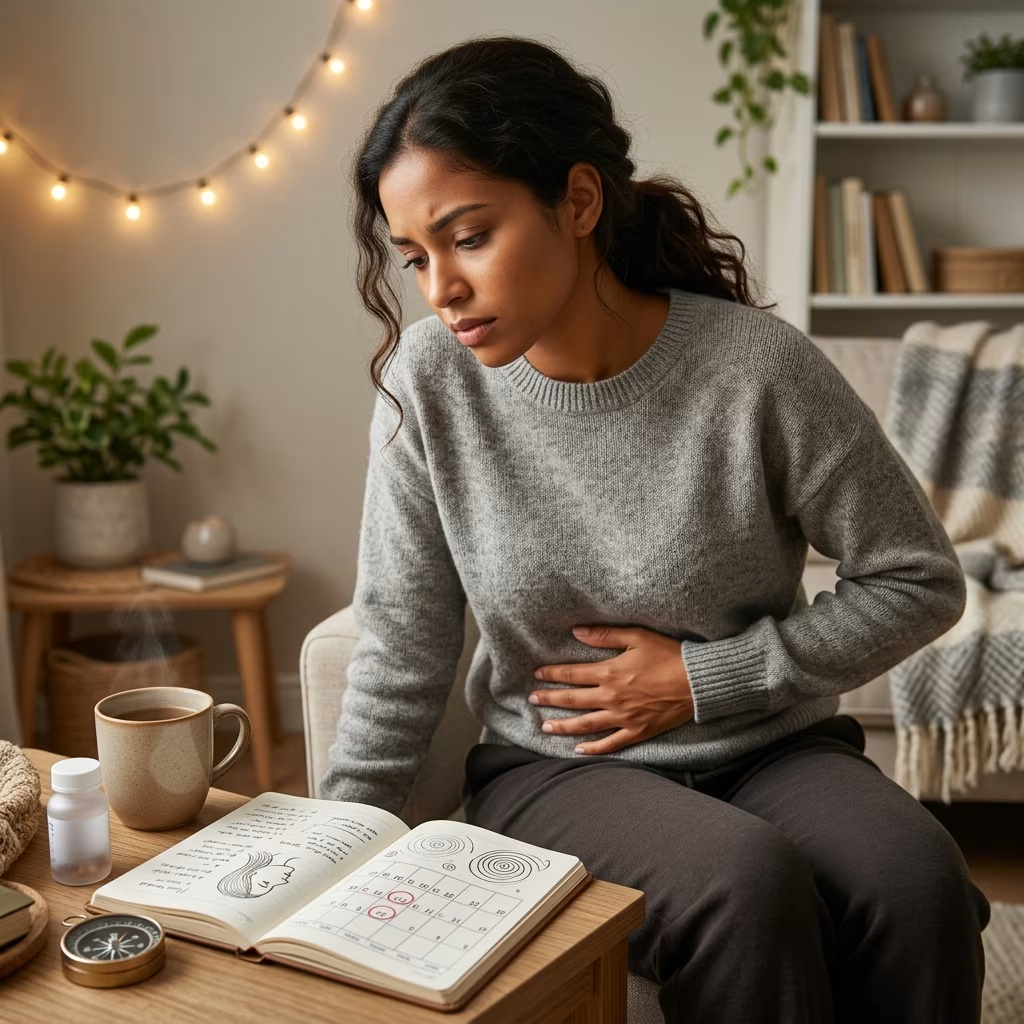
Period cramps are notorious for disrupting everyday life. But what if you feel cramps without your period in sight? Many people are caught off-guard when abdominal or pelvic pain emerges outside the menstrual cycle. Cramping is not always an immediate cause for alarm, but it is important to understand its underlying causes, associated symptoms, and when it might signal a health issue requiring medical attention.
Why Do Menstrual Cramps Happen?
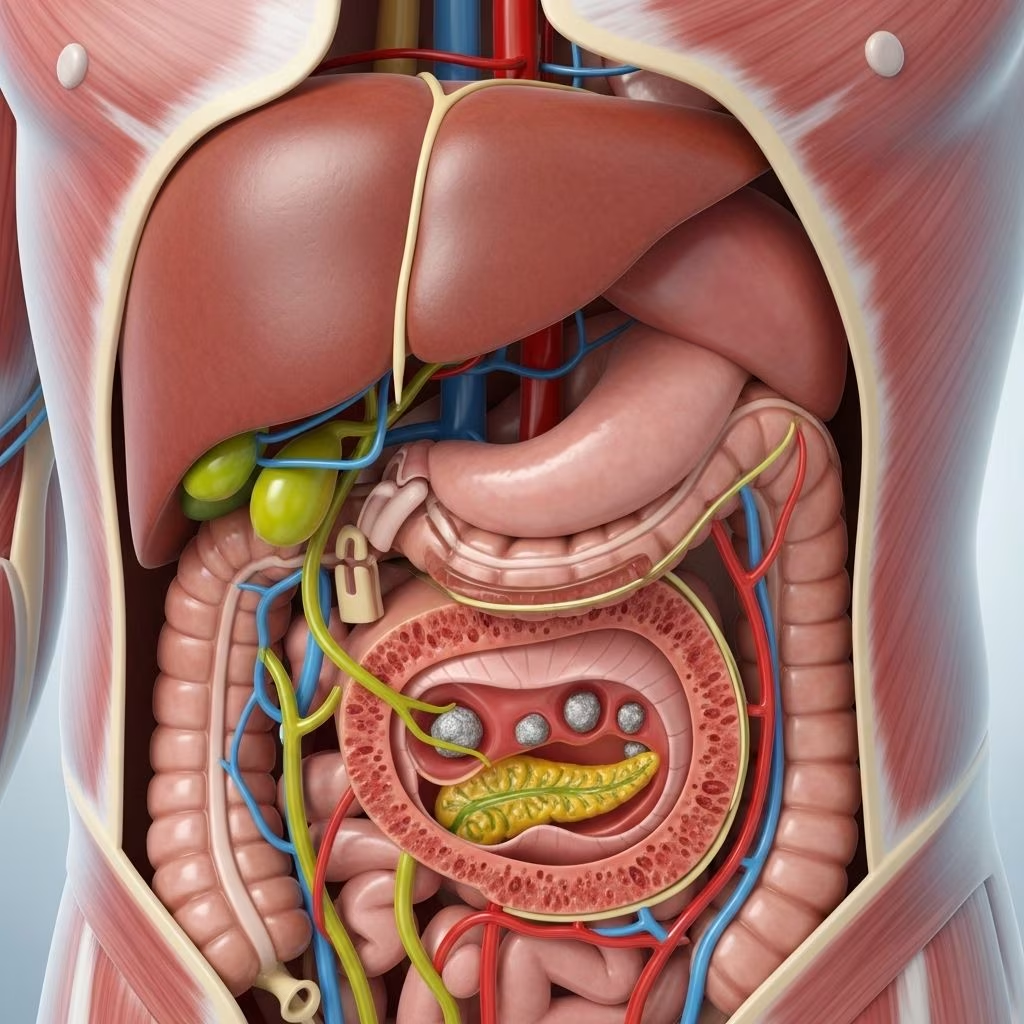
Menstrual cramps (dysmenorrhea) occur when the uterus contracts to help expel blood and tissue. The pain typically centers around the lower abdomen, pelvis, or even the back. But cramps can strike at other times—and for reasons beyond menstruation. The uterus and reproductive organs frequently cause non-menstrual pain, but so can other pelvic structures like the bladder, intestines, and even muscles.
Common Causes of Cramps with No Period
Gynecologists emphasize that abdominal cramps can stem from a variety of reasons besides menstruation. Below are the leading potential causes:
- Pregnancy
- Ovulation
- Endometriosis
- Urinary Tract Infection (UTI)
- Gastrointestinal Issues
- Pelvic Inflammatory Disease (PID)
- Ovarian Cysts
- Fibroids
- Appendicitis
- Interstitial Cystitis
- Stress or Lifestyle Factors
- Other Health Conditions
What Are the Most Common Symptoms Associated with Non-Period Cramps?
Symptoms often depend on the cause, but key features to look for include:
- Lower abdominal pain (dull, sharp, or throbbing)
- Pelvic discomfort
- Spotting or abnormal vaginal bleeding
- Gastrointestinal changes (constipation, diarrhea)
- Urinary symptoms (pain, burning, frequency)
- Systemic symptoms (fever, fatigue)
Note: If cramps are accompanied by severe pain, fever, or abnormal discharge, speak to your doctor promptly.
Understanding Each Cause: Detailed Overview
1. Pregnancy
Early pregnancy can cause mild cramping as the fertilized egg implants in the uterus. This cramping is usually brief and may be accompanied by spotting. Other signs may include breast tenderness, fatigue, and nausea. If cramps intensify or there’s heavy bleeding, seek medical advice.
2. Ovulation
Ovulation-related pain (mittelschmerz) occurs mid-cycle as an egg is released from the ovary. It is characterized by pain on one side of the lower belly and can feel dull or sharp, lasting from minutes to two days. The side of pain often alternates depending on which ovary is active.
3. Endometriosis
Endometriosis involves uterine-like tissue growing outside the uterus, leading to severe cramps, chronic pelvic pain, and pain during sex or bowel movements. Symptoms may span the entire menstrual cycle for some women. A history of severe cramps and other symptoms may prompt a gynecologist to investigate further.
4. Urinary Tract Infection (UTI)
UTIs cause bladder or pelvic discomfort, pain during urination, frequent urges to urinate, and possibly fever. The pelvic pain from a UTI is often mistaken for menstrual cramps. Medical treatment is essential to prevent complications.
5. Gastrointestinal Issues
Conditions like IBS (Irritable Bowel Syndrome), constipation, or infections can mimic pelvic cramps. These are typically accompanied by gastrointestinal symptoms such as bloating, urgent bowel movements, or diarrhea.
6. Pelvic Inflammatory Disease (PID)
PID is an infection of the reproductive organs, often resulting from untreated sexually transmitted infections. Symptoms include pelvic cramps, fever, abnormal discharge, bleeding between periods, and pain during sex or urination.
7. Ovarian Cysts
Ovarian cysts can create cramping or pressure, especially if they are large or rupturing. Sudden, severe pain may suggest a ruptured cyst and warrants immediate medical attention.
8. Fibroids
Fibroids are non-cancerous growths in the uterus. They cause pelvic pressure and cramps, heavy or irregular bleeding, and sometimes urinary symptoms.
9. Appendicitis
Appendicitis can present as lower abdominal cramps, eventually progressing to severe pain, fever, and tenderness. Surgical intervention is often necessary, and it’s considered a medical emergency.
10. Interstitial Cystitis
This chronic bladder condition causes persistent pelvic pain and urinary symptoms. Pain may worsen during certain activities or after eating specific foods.
11. Stress and Lifestyle Factors
Emotional stress and lifestyle disruptions can trigger hormonal imbalances that lead to uterine or pelvic cramps, even when you don’t have your period. These cramps usually resolve once stress is managed.
12. Other Health Conditions
Rarely, other conditions such as muscle strains, hernias, or even cancer can lead to pelvic or abdominal pain.
Table: Common Conditions Causing Cramps Without a Period
| Condition | Main Symptoms | Associated Risks | When to See a Doctor |
|---|---|---|---|
| Pregnancy | Cramping, spotting, nausea | Miscarriage, ectopic pregnancy | Severe pain, heavy bleeding |
| Ovulation | Pain mid-cycle, one-sided cramps | Usually benign | Persistent severe pain |
| Endometriosis | Chronic cramps, pain during sex | Infertility, chronic pain | Daily pain, medication ineffective |
| UTI | Urinary pain, frequent urges | Kidney infection | Fever, back pain, blood in urine |
| PID | Pelvic pain, discharge, fever | Scarring, infertility | Unresolved pain, fever, abnormal discharge |
| Ovarian Cysts | Sudden sharp pain, bloating | Rupture, torsion | Severe, sudden pain |
| Fibroids | Heavy periods, pelvic pressure | Anemia, fertility issues | Significant bleeding, persistent pain |
| Appendicitis | Increasing lower belly pain, fever | Peritonitis | Sudden, severe pain |
When Should You Get Medical Attention?
Most cramps resolve independently, but consult your healthcare provider immediately if you experience:
- Severe or worsening cramps
- High fever, vomiting, or chills
- Heavy vaginal bleeding
- Unexplained discharge (especially foul-smelling)
- Pain during sex or urination
- Symptoms that last for several days without improvement
Early diagnosis and management of underlying conditions improve long-term health and reduce risk of complications.
What to Expect at the Doctor’s Office
Your physician will likely review your medical history and perform a pelvic exam. Common diagnostic steps include:
- Urine pregnancy test
- Urine analysis for infection
- STD screening
- Blood tests
- Pelvic ultrasound
- Further imaging if needed
A thorough diagnosis helps rule out concerning causes and guides appropriate treatment.
Managing and Treating Cramps Without a Period
Treatment depends on the underlying cause, but general strategies include:
- Over-the-counter pain relievers (ibuprofen, acetaminophen)
- Heating pad for muscle relaxation
- Stay hydrated
- Rest and gentle movement
- Prescription medication for infections or chronic conditions
- Dietary changes to support gut and hormone health
For chronic or severe cases, your doctor may recommend:
- Hormonal therapy
- Surgical procedures (for endometriosis, fibroids, cysts)
- Physical therapy
- Referrals to specialists
Preventing Non-Menstrual Cramps
While not all causes can be prevented, consider these steps:
- Practice safe sex (using protection, regular STD testing)
- Maintain good hydration and balanced diet
- Manage stress with relaxation techniques
- Regular physical activity
- Listen to your body; track symptoms and cycles
Frequently Asked Questions (FAQs)
Why do I have cramps but no period?
Cramps without a period can be caused by ovulation, pregnancy, urinary infections, endometriosis, gastrointestinal issues, or other conditions. Additional symptoms help clarify the source.
Is cramping without a period a sign of pregnancy?
Early pregnancy can cause mild cramping as the embryo implants. Take a pregnancy test if you suspect pregnancy, especially if your period is late or you have other signs like spotting or breast tenderness.
When should I be worried about cramps without a period?
If pain is severe, persistent, connected with fever, vomiting, abnormal discharge, or heavy bleeding, seek urgent medical care.
Can stress cause cramps when you’re not on your period?
Yes, chronic stress can disrupt hormones that control the reproductive system, sometimes triggering cramps in the absence of a period.
What helps relieve cramps when they’re not related to your period?
- Pain relievers
- Hot compresses
- Gentle stretching
- Staying hydrated
- Rest
Takeaway
Cramps without a period are common and often harmless. Recognizing associated symptoms, tracking your cycles, and seeking care for persistent or severe discomfort can help maintain pelvic and reproductive health. Understanding the potential causes equips you to address symptoms early and confidently seek professional help when needed.
References
- https://www.prevention.com/health/health-conditions/a42052946/cramps-but-no-period/
- https://www.medicalnewstoday.com/articles/322929
- https://www.goodhousekeeping.com/health/a41340417/cramps-but-no-period/
- https://avivaromm.com/dysmenorrhea/
- https://www.todaysparent.com/family/womens-health/cramps-but-no-period/
- https://www.goodhousekeeping.com/period-health/
- https://www.goodmorningamerica.com/wellness/story/breaking-stigma-painful-periods-debilitating-81226040
- https://www.healthline.com/health/endotough/period-symptoms-not-to-ignore
- https://www.hollandandbarrett.com/the-health-hub/conditions/womens-health/menstruation/period-pain-but-no-period/