Dairy-Free Diet for Adolescents with Chronic Fatigue Syndrome
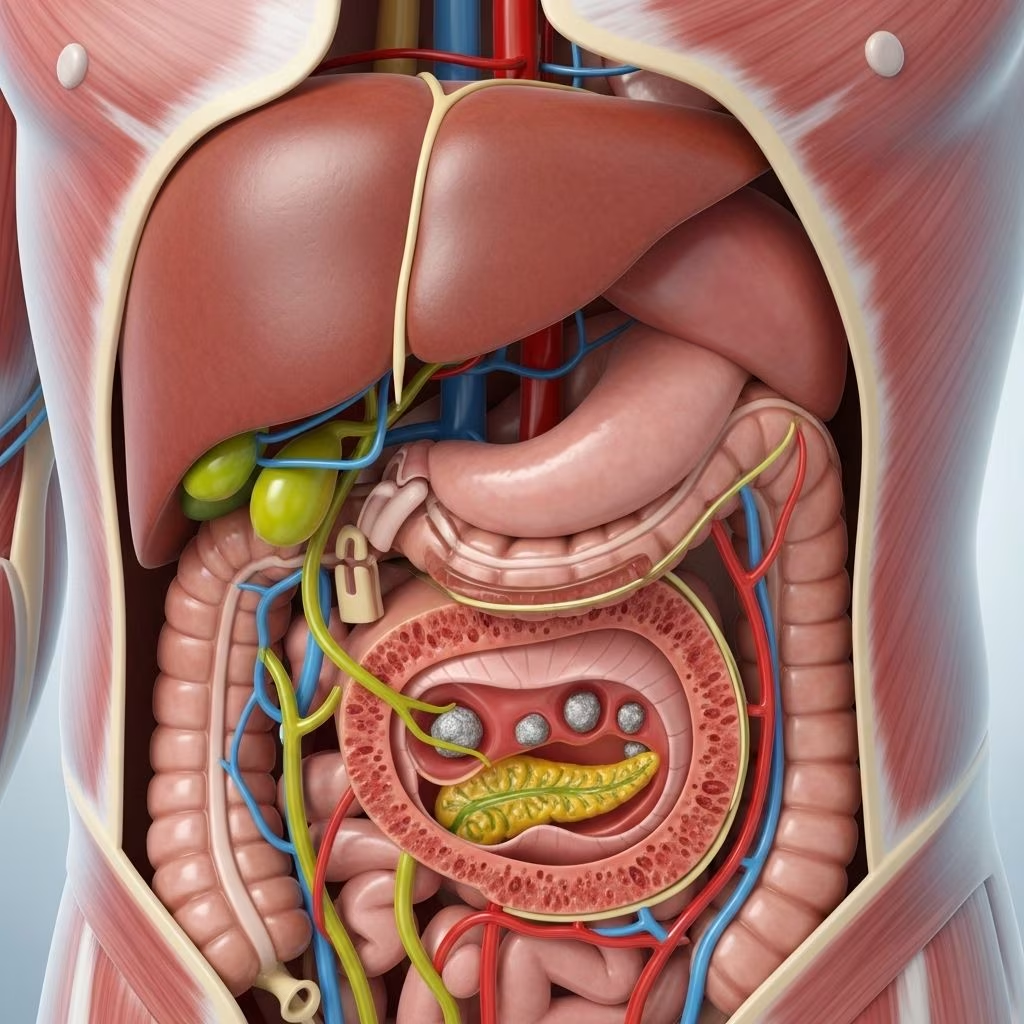
This resource offers detailed guidance for implementing a dairy-free diet specifically for adolescents diagnosed with Chronic Fatigue Syndrome (CFS). Following evidence-based recommendations, it addresses the reasons for eliminating dairy, practical steps for avoiding milk and milk-derived foods, and tips to ensure nutritional balance and safety in growing teens.
Why a Dairy-Free Diet for CFS?
Recent research suggests that a significant percentage of adolescents with chronic fatigue syndrome experience symptoms related to cow’s milk protein intolerance. Removal of dairy from their diet has been shown to:
- Reduce or eliminate gastrointestinal distress such as abdominal pain, early satiety, and reflux
- Improve symptoms like nausea, fatigue, and general well-being
- Help distinguish CFS-related symptoms from those exacerbated by food sensitivities
Dairy intolerance in this population is typically not an immediate allergic (anaphylactic) reaction. Instead, it involves chronic symptoms that improve when dairy is eliminated and return upon reintroduction.1,2,3
What Is a Dairy-Free Diet?
A dairy-free diet excludes all sources of milk from any animal, including cow, goat, and sheep milk. This includes not only obvious dairy foods (milk, cheese, yogurt, ice cream) but also any processed foods containing milk derivatives such as casein, whey, lactose, and certain additives.
The primary goals of a dairy-free diet:
- Eliminate all foods and ingredients derived from milk
- Replace nutrients typically obtained from dairy (like calcium and vitamin D) with non-dairy alternatives
- Prevent accidental exposure by recognizing less obvious sources of dairy in processed foods
How to Interpret Food Labels
Learning to interpret ingredient lists accurately is critical to maintaining a safe dairy-free diet. The following key points will help:
- Read every ingredient list every time, even if you have used the product before, as formulations may change.
- Look for these words, which signal the presence of milk:
- Milk
- Butter (including butterfat, butter oil, buttermilk, buttermilk powder)
- Cheese
- Cream
- Curds
- Casein or caseinates (hydrolyzed casein, sodium caseinate, calcium caseinate, etc.)
- Whey (hydrolyzed whey, whey protein, whey solids, etc.)
- Lactose, lactalbumin, lactoglobulin
- Ghee
- Nougat, custard, pudding, caramel (may often contain dairy)
- Precautionary labeling such as “may contain milk” or “processed in a facility with milk” is important for those with severe sensitivities. Discuss with your healthcare provider whether you need to avoid these products.
- Processed foods like breads, crackers, soups, “non-dairy” creamers, and margarines may legally contain milk derivatives. The term “nondairy” is not regulated to mean milk-free.
Ingredients That Always Indicate Milk Presence
- Casein/caseinate
- Ghee
- Lactalbumin/lactoglobulin
- Whey
- Curds
Common Foods That May Contain Hidden Dairy
- Baked goods: breads, rolls, cookies, cakes, muffins
- Processed meats: hot dogs, lunch meats, sausages (some brands use milk protein as filler)
- Margarine (unless specifically labeled dairy-free)
- Instant potatoes, soups, and mixes
- Salad dressings and sauces
- Chocolate, caramels
- Breakfast cereals and nutrition bars
- Pasta and rice dishes with added seasoning or sauces
Alternatives to Dairy Foods
Eliminating dairy requires thoughtful substitution to maintain nutritional adequacy and food enjoyment. When selecting commercial dairy-free products, always confirm that they are not produced on shared equipment with dairy unless you are not highly sensitive.
| Dairy Food | Suggested Dairy-Free Substitute |
|---|---|
| Milk | Fortified soy, rice, oat, almond, cashew, hemp, or pea milks |
| Yogurt | Plant-based yogurts (soy, coconut, almond, oat) |
| Cheese | Vegan cheeses (check for casein or whey on the label) |
| Butter | Dairy-free margarine, plant oils (olive, canola, avocado) |
| Ice Cream | Non-dairy frozen desserts (coconut, soy, rice, almond, oat-based) |
| Cream Cheese | Vegan versions made from nuts or soy |
| Sour Cream | Dairy-free alternatives (look for plant-based labels) |
Choosing Calcium and Vitamin D Sources
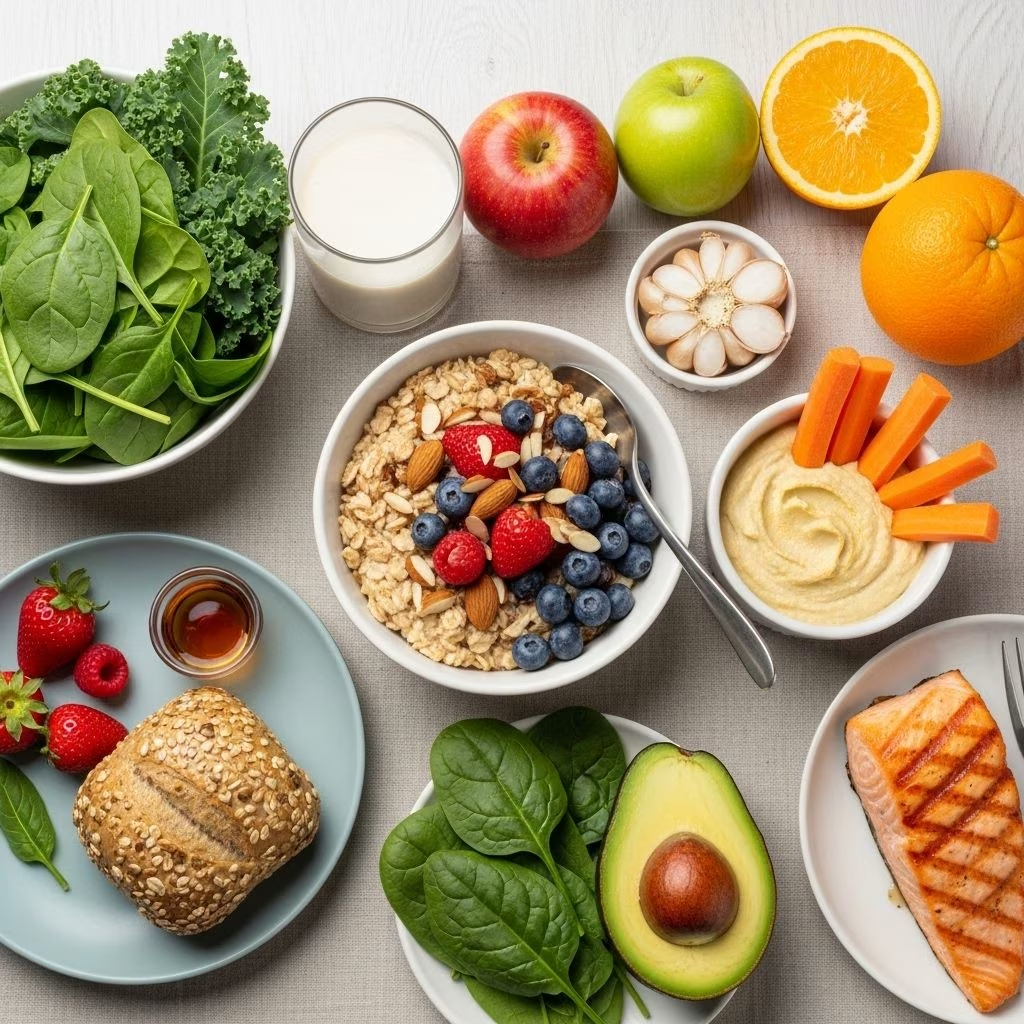
Dairy is a traditional source of calcium and vitamin D, both crucial for adolescent bone health. Suitable alternatives include:
- Calcium-fortified non-dairy milks and yogurts
- Dark leafy greens (kale, collard greens, bok choy, turnip greens)
- Canned sardines or salmon with bones (if non-vegetarian)
- Calcium-set tofu
- Almonds, tahini, figs, oranges (less concentrated but contributing sources)
Many non-dairy milks are also fortified with vitamin D. Check nutrition facts panels for fortification details. Supplements may be recommended, especially if dietary intake is insufficient.
Meal Planning Tips for Dairy-Free Adolescents
Adapting to a dairy-free diet takes creativity and intention. Here are practical suggestions for families:
- Involve your child in the selection and preparation of dairy-free foods to empower them and foster independence.
- When dining out, inform restaurant staff about dietary restrictions and ask about hidden sources of milk in menu items, sauces, and dressings.
- Prepare simple snacks and meals at home to avoid accidental exposure, such as:
- Fresh fruit and nut butter
- Vegetable sticks with hummus
- Rice cakes with avocado
- Trail mix (without milk chocolate chips)
- Plant-based yogurt parfaits
- Try replacement recipes for favorite comfort foods: pizzas with vegan cheese, dairy-free macaroni and cheese, and smoothies made from non-dairy yogurts or milks.
- Always pack safe snacks when attending social events, school, or camp to avoid inadvertent dairy intake.
Sample One-Day Dairy-Free Meal Plan
| Meal | Example Foods |
|---|---|
| Breakfast | Oatmeal made with fortified almond milk, topped with berries and chia seeds |
| Snack | Apple slices with sunflower seed butter |
| Lunch | Grilled chicken or tofu salad with leafy greens, vegetables, and olive oil vinaigrette; whole-grain bread (dairy-free) |
| Snack | Non-dairy yogurt with granola |
| Dinner | Stir-fried vegetables and rice with grilled shrimp or beans; side of steamed broccoli |
| Dessert | Banana “nice cream” (frozen bananas blended with almond or oat milk) |
Ensuring Safety and Good Nutrition
Eliminating all dairy, especially over a prolonged period, can create risk for certain nutrient gaps. Strategies to ensure balanced nutrition include:
- Consult a registered dietitian with pediatric experience for personalized assessment and menu planning.
- Monitor growth, weight, and laboratory markers (especially calcium and vitamin D status) periodically if the diet is long-term.
- Use fortified foods and, if necessary, supplements for nutrients like calcium, vitamin D, vitamin B12, and riboflavin.
- Encourage a wide variety of whole foods to support overall health—fruits, vegetables, whole grains, lean proteins, and healthy fats.
Common Concerns and Practical Advice
Dining Away from Home
- Educate your adolescent to ask about ingredients in unfamiliar foods—especially in restaurants, school cafeterias, and other social settings.
- Review menus in advance to identify safe choices and develop strategies for substituting problematic ingredients.
- Consider bringing your own dairy-free spreads, salad dressings, or desserts when visiting friends or participating in group meals.
- Remind your teen to avoid sharing milk-based foods or drinks with others, even if the amount seems small.
Managing Cravings and Social Situations
- Find dairy-free versions of favorite treats—there are now many options for pizza, macaroni and cheese, ice cream, and more.
- Encourage participation in choosing snacks and menu items so that your adolescent feels empowered and involved.
- Discuss with family and friends why dairy-free eating is essential—awareness supports better social inclusion and minimizes the risk of accidental exposure.
Frequently Asked Questions (FAQs)
Q: What is the difference between milk allergy and milk intolerance?
A: Milk allergy is an immune response that can cause severe reactions, including anaphylaxis. Milk intolerance (common in CFS) is a non-allergic sensitivity, usually causing chronic gastrointestinal symptoms.
Q: Do lactose-free products count as dairy-free?
A: No. Lactose-free products still contain milk proteins (casein and whey) and are not safe for those avoiding all dairy for protein intolerance.
Q: How quickly do symptoms resolve after stopping dairy?
A: Research indicates that within two weeks, most adolescents with milk protein intolerance and CFS experience significant symptom improvement. However, full resolution can vary person to person.
Q: Are all plant-based milks nutritionally equal to cow’s milk?
A: No. Check labels for fortification with calcium, vitamin D, and B12. Soy milk is highest in protein; other options may be lower in protein or nutrients unless fortified.
Q: Should supplements be used on a dairy-free diet?
A: In some cases, especially for calcium and vitamin D, supplements may be needed. Work with your healthcare provider or dietitian for personalized guidance.
Summary and Key Takeaways
- Dairy intolerance is common among adolescents with CFS and can worsen symptoms.
- Strict avoidance of all milk and milk-derived foods can reduce gastrointestinal and related complaints.
- Check labels carefully—milk proteins are often hidden in processed foods.
- Replace nutrients typically provided by dairy with safe, fortified alternatives and a varied diet.
- Work closely with a healthcare team for individualized planning and monitoring.
Additional Resources
- Pediatric Dietitian or Registered Dietitian (RD) specializing in food allergies or sensitivities
- National Institute of Allergy and Infectious Diseases (NIAID): Milk Allergy Guidelines
- Society for Adolescent Health and Medicine
- Food Allergy Research & Education (FARE): Label Reading Tips
This guide provides an overview and not medical advice. For personalized meal planning and support with a dairy-free diet, consult your physician and a registered dietitian familiar with adolescent nutrition.
References
- https://switch4good.org/could-dairy-affect-chronic-fatigue-syndrome-in-your-teenager/
- https://www.me-foreningen.no/wp-content/uploads/2020/11/Rowe-MECFS-Norway-2020-1.pdf
- https://www.healthrising.org/forums/resources/dairy-contributes-significantly-to-symptoms-in-chronic-fatigue-syndrome-adolescents.344/
- https://healthlibrary.brighamandwomens.org/SummerHeat/90,P01696
- https://pure.johnshopkins.edu/en/publications/cows-milk-protein-intolerance-in-adolescents-and-young-adults-wit-3
- https://hopkinscf.org/clinical-care/nutrition/
- https://clf.jhsph.edu/publications/comment-dietary-guidelines-advisory-committee-dietary-guidelines-americans