What Is Focal Segmental Glomerulosclerosis (FSGS)?
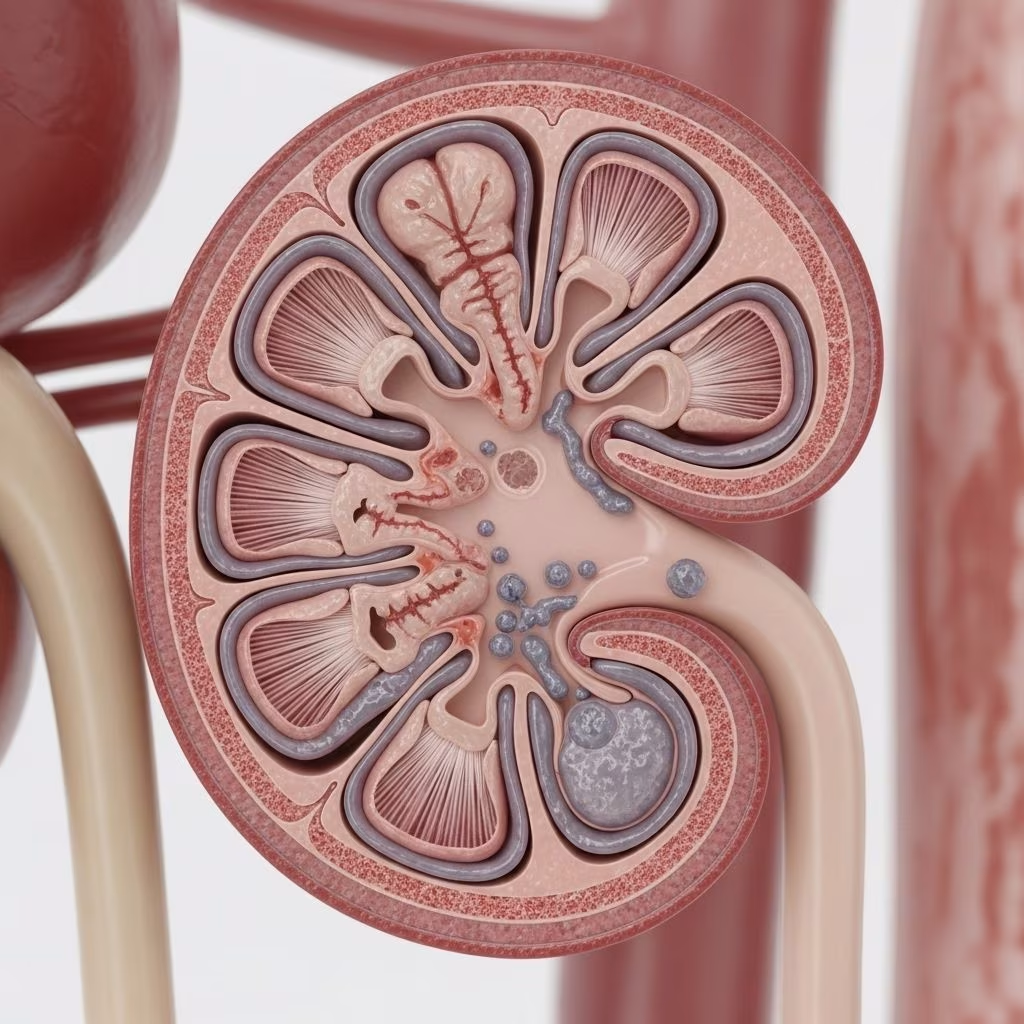
Focal segmental glomerulosclerosis (FSGS) is a rare but serious kidney disorder in which some glomeruli—the tiny filtering units inside your kidneys—become scarred (sclerosis). These glomeruli play a crucial role in filtering waste from your blood and maintaining body fluid balance. Scarring disrupts their function, potentially leading to progressive kidney damage and, in severe cases, kidney failure.
What Causes FSGS?
Damage to specialized cells within the glomeruli, called podocytes, initiates the scarring process. Diverse underlying triggers account for the different types of FSGS:
- Primary (Idiopathic) FSGS: The most common type, with no clear cause. Hypothesized factors include permeability-related proteins in the blood that damage podocytes.
- Secondary (Adaptive) FSGS: Caused by distinct, identifiable conditions that stress the glomeruli, including:
- Obesity
- Diabetes
- Sickle cell anemia
- Sleep apnea
- Other chronic kidney diseases
- Certain medications (e.g., heroin, bisphosphonates, anabolic steroids)
- Viruses (e.g., HIV)
- Genetic (Familial) FSGS: Linked to inherited genetic mutations, often suspected when several family members are affected. Symptoms typically appear in childhood.
Summary Table: Types of FSGS
| Type | Key Features | Common Causes |
|---|---|---|
| Primary | No identifiable cause, protein permeability factors suspected | Idiopathic, podocyte injury |
| Secondary | Specific underlying condition | Obesity, infection, medication, diabetes, sickle cell disease |
| Genetic | Inherited podocyte defects, early onset | Familial gene mutations |
Risk Factors for FSGS
- Sex: Slightly more frequent in men and boys
- Ethnicity: Higher prevalence in people of African descent
- Age: Can affect both children and adults; genetic cases often start in childhood
- Health conditions: Obesity, diabetes, sickle cell disease, sleep apnea
- Family history: Genetic predisposition increases risk
- Drug exposure: Certain medications and illicit drugs
Symptoms of FSGS
FSGS primarily presents with symptoms of nephrotic syndrome. These include:
- Foamy urine: Due to excess protein loss (proteinuria)
- Generalized or dependent edema: Swelling in the legs, ankles, or around the eyes (fluid retention)
- Poor appetite: Often a result of kidney dysfunction
- Weight gain: Due to fluid buildup
- Fatigue: Associated with chronic illness
- Hypertension: High blood pressure is common, occasionally severe, especially in some ethnic groups (e.g., Afro-Caribbean)
- High cholesterol and low blood protein levels: Consequences of protein loss
Symptoms can vary depending on the type and severity of FSGS.
How Is FSGS Diagnosed?
Diagnosis of FSGS requires a combination of clinical assessment and laboratory tests:
- Physical examination: Swelling, high blood pressure, and other physical signs are assessed.
- Urine tests: Check for excess protein, blood, or abnormal substances.
- Blood tests: Evaluate kidney function (creatinine, BUN), albumin, cholesterol levels.
- Renal biopsy: Definitive diagnosis is made by examining kidney tissue under a microscope. FSGS is characterized by segmental scarring affecting some glomeruli.
Additional testing may be performed to identify secondary or genetic causes, such as screening for infections, autoimmune diseases, or genetic mutations.
Treatment Options for FSGS
Treatment depends on type and underlying cause. The primary goals are to slow kidney damage, reduce proteinuria, control symptoms, and prevent progression to kidney failure.
- Medications:
- Corticosteroids: Often used for primary FSGS to reduce inflammation and immune activity.
- Immunosuppressants: Such as cyclosporine, tacrolimus, or mycophenolate, for steroid-resistant cases.
- ACE inhibitors or ARBs: Help lower blood pressure and reduce protein leakage.
- Diuretics: To manage swelling by removing excess fluid.
- Statins: May be used to control high cholesterol.
- Treating underlying conditions: Essential for secondary FSGS; focus on weight management, controlling diabetes, addressing infections, or discontinuing causative medications.
- Dietary changes: Low-salt, low-protein diet; limit cholesterol and saturated fat intake.
- Treatment of genetic FSGS: More challenging, as affected children may be resistant to standard therapies. Genetic counseling may be recommended.
- Dialysis or kidney transplant: Required if kidney failure occurs and other treatments prove ineffective.
Prognosis and Complications
The outcome for people with FSGS varies widely and depends on age, cause, response to treatment, and progression rate. Complications include:
- Chronic kidney disease: Progressive loss of kidney function
- Kidney failure: May require dialysis or transplantation
- Persistent symptoms: Ongoing proteinuria, edema, hypertension
- Cardiovascular disease: Increased risk due to high blood pressure and cholesterol
Living with FSGS
- Regular monitoring: Frequent check-ups with nephrologist
- Lifestyle changes: Healthy diet, exercise, medication compliance
- Support networks: Counseling and peer support can help with adjustment
- Managing side effects: Close management of treatment side effects and monitoring for complications
Frequently Asked Questions (FAQs)
Q: Is FSGS curable?
A: There is currently no cure for FSGS. However, treatment can slow disease progression, manage symptoms, and prevent complications.
Q: Can FSGS recur after a kidney transplant?
A: FSGS can return in the transplanted kidney in some cases, especially with certain types of primary FSGS.
Q: How is FSGS different from other glomerular diseases?
A: FSGS refers to a specific pattern of glomerular scarring. Other diseases, such as minimal change disease, also cause nephrotic syndrome but do not show the same scarring or have different underlying causes.
Q: What research is being done for FSGS?
A: Ongoing studies aim to identify specific molecules and genetic factors involved in FSGS, which could lead to targeted therapies and better treatment options in the future.
Q: Who should be screened for familial FSGS?
A: Screening is recommended for individuals with a family history of early-onset kidney disease, proteinuria, or resistance to usual therapies.
Additional Resources
- National Kidney Foundation
- American Kidney Fund
- Renal support groups
- Genetic counseling services
Summary and Key Takeaways
- FSGS is a rare, potentially serious kidney disorder marked by segmental glomerular scarring.
- It presents most commonly with nephrotic syndrome—swelling, foamy urine, and high blood pressure.
- Causes include primary (idiopathic), secondary (due to health conditions or drugs), and genetic forms.
- Diagnosis requires kidney biopsy; treatment is tailored to the underlying cause and type.
- Prognosis varies; close monitoring and management are vital.
References
- https://medlineplus.gov/ency/article/000478.htm
- https://www.ncbi.nlm.nih.gov/books/NBK532272/
- https://www.healthline.com/health/kidney-health/focal-segmental-glomerulosclerosis
- https://pmc.ncbi.nlm.nih.gov/articles/PMC11099322/
- https://www.mayoclinic.org/diseases-conditions/fsgs/symptoms-causes/syc-20354693
- https://www.medicalnewstoday.com/articles/fsgs-kidney
- https://www.healthline.com/health/nephrotic-syndrome