Juvenile osteochondritis is a condition marked by pain, swelling, and decreased mobility in the joints of children and adolescents. It most commonly affects active children between ages 10 and 15 and often involves the knee, but may also impact the ankle, elbow, shoulder, or hip. Early diagnosis and appropriate treatment can greatly reduce the risk of long-term joint complications.
Understanding Juvenile Osteochondritis
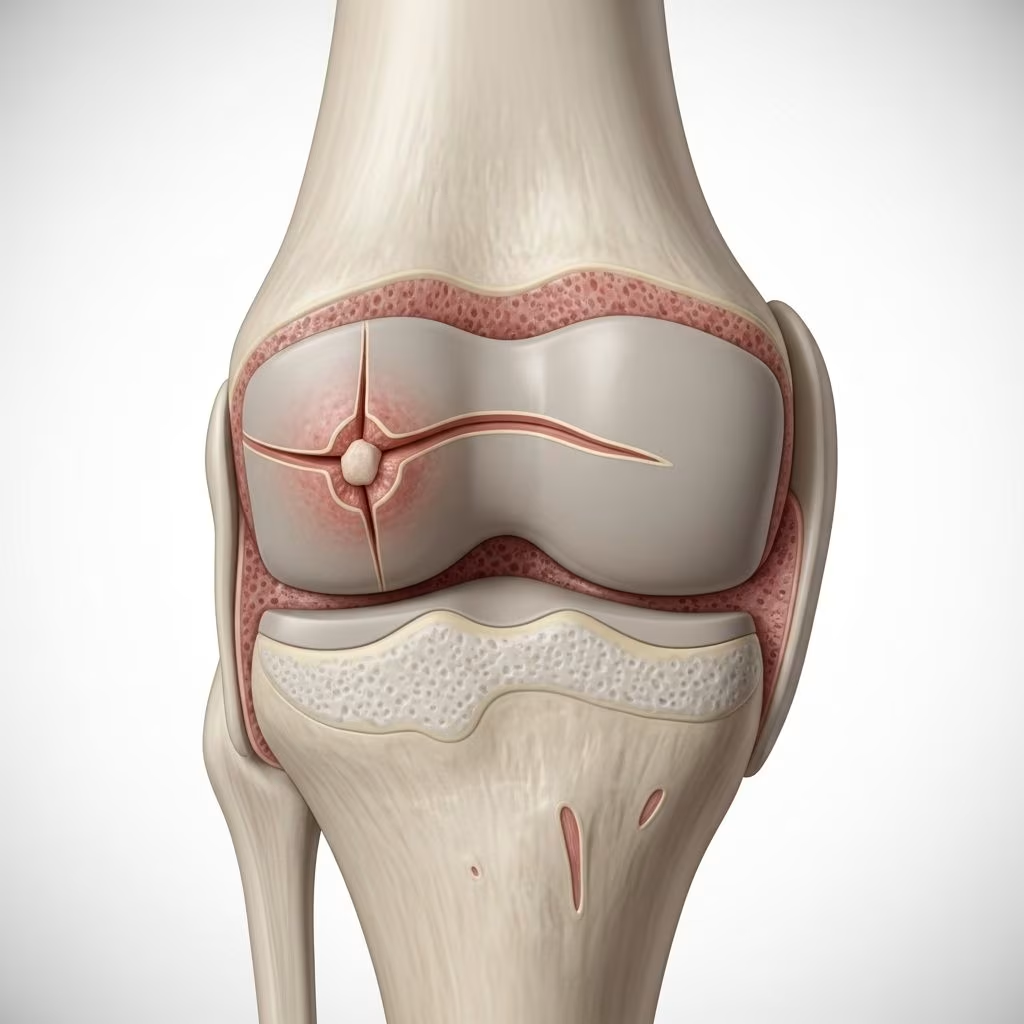
Juvenile osteochondritis is a disorder that disrupts the normal function of a child’s joint, most often resulting in discomfort, decreased movement, and swelling. Traditionally, it’s called juvenile osteochondritis dissecans (JOCD) when the disorder specifically involves a separation or instability of a small segment of bone and cartilage within a joint.
- Most often affects children between 10 to 15 years old.
- Knees are the most frequently involved joints but can also affect elbows, ankles, shoulders, or hips.
- Condition is more common among children engaged in vigorous physical activity.
- When appropriately treated, most children recover and regain normal function.
Parents may feel alarmed if a child is diagnosed with this condition. Understanding the core aspects of juvenile osteochondritis can help families make informed health decisions.
What is Juvenile Osteochondritis?
Juvenile osteochondritis occurs when a small area of bone beneath the cartilage in a joint becomes partially or completely separated from the rest of the bone. The issue most commonly occurs because the child’s growth plates are still open and susceptible to injury and microtrauma.
- Estimated prevalence: 15–29 children per 100,000 affected per year.
- Named “juvenile” due to its higher incidence while children’s bones are still growing.
- Joints most often affected: knee, followed by ankle, elbow, shoulder, and hip.
- The condition may result from injury to the small blood vessels supplying the bone, repetitive stress, or a combination of both.
Children diagnosed with juvenile osteochondritis often participate in sports or weight-bearing activities, increasing their exposure to microtrauma in their joints.
What are the Symptoms of Juvenile Osteochondritis?
The symptoms are not universal; they can vary widely. Some children experience pronounced signs, while others may show little to no symptoms. Symptoms frequently intensify during physical activities and may gradually worsen if left untreated.
- Pain in the affected joint, often worsened by activity
- Swelling around the joint with possible areas of tenderness
- Lack of full joint mobility—the child may be unable to straighten or bend the joint completely
- Locking of the joint—momentary inability to move the joint
- Audible or tactile cracking or popping sounds during movement
- Stiffness, especially after periods of inactivity or rest
Symptoms might be mild at first but can progress over time if the condition is not addressed effectively. In some cases, small pieces of bone and cartilage may break off and move within the joint, causing increased pain, locking, or swelling.
What Causes Juvenile Osteochondritis?
The precise etiology of juvenile osteochondritis remains unclear. However, several risk factors and theories have been proposed based on current pediatric orthopedic research:
- Repetitive trauma: Micro-injuries from repetitive activities or sports-related stress may cause damage to the small blood vessels feeding the bone beneath the cartilage.
- Genetics: Some children may have a genetic pre-disposition, as family history has been linked to increased risk.
- Abnormal bone growth or ossification: Disrupted bone formation may affect how the joint manages weight and movement stress.
- Inflammation: Local or systemic inflammation could contribute to bone and cartilage weakness.
- Reduced blood flow (vascular insufficiency): Decreased oxygen and nutrient supply can weaken the bone’s ability to heal minor injuries, leading to greater damage over time.
Ultimately, the onset of juvenile osteochondritis likely involves a combination of genetic, mechanical, and vascular factors. It’s important to note that the condition often develops in otherwise healthy, active children without any preceding major injury.
Who’s at Risk for Juvenile Osteochondritis?
Not every child is equally at risk for developing juvenile osteochondritis. Several patterns have emerged regarding risk:
- Physically active children—especially those involved in repetitive or high-impact sports like soccer, basketball, gymnastics, or baseball.
- Boys appear to be affected more often than girls, with ratios reported as high as 2:1 or greater.
- Children aged 10 to 15 years are at the highest risk as their growth plates remain open.
- A positive family history of joint disorders may increase risk.
Certain sports involving running, jumping, or repetitive throwing place substantial stress on the knees, ankles, and elbows—joints most commonly affected by osteochondritis in young people.
What are the Complications of Juvenile Osteochondritis?
Juvenile osteochondritis is not usually life-threatening, but it can lead to several significant complications if not addressed promptly and thoroughly.
- Chronic pain and persistent swelling, which may interfere with daily activities
- Reduced joint mobility, potentially impacting participation in sports or even routine life activities
- Recurrent joint locking or instability, resulting from loose bone or cartilage fragments
- Development of early-onset osteoarthritis if the condition causes prolonged or severe joint damage
With effective management, most children can avoid these outcomes and resume their usual activities after healing. Failure to treat the condition, however, increases the risk of long-term joint problems and the need for more complex interventions later in life.
Treatment for Juvenile Osteochondritis
Treatment approaches for juvenile osteochondritis depend on the patient’s age, the stage and location of the lesion, and the severity of symptoms. The goal is to promote healing of the bone and restore normal joint function while minimizing the risk of long-term complications.
Conservative Management
This is the first-line and most commonly successful approach in children and early adolescents, particularly when the bone fragment remains stable.
- Activity modification: Restrict sports or high-impact activities to prevent further joint stress and allow for healing.
- Rest: Temporary cessation or modification of activity to reduce pain and promote bone healing.
- Use of braces or splints: Support the affected joint and limit its motion, especially during the healing phase.
- Physical therapy: Tailored rehabilitation exercises to maintain range of motion, support muscle strength, and slowly restore joint function.
About two-thirds of adolescents with juvenile osteochondritis respond well to conservative management, eventually regaining pain-free joint movement and returning to their usual activities.
Surgical Intervention
If conservative measures fail or the condition presents with loose or unstable bone fragments, surgery may be recommended. Surgical procedures may include:
- Arthroscopic intervention to remove loose fragments, stabilize the bone, or promote healing with drilling or fixation techniques.
- Removal of unstable cartilage or bone pieces that threaten joint health.
- Advanced surgical repair if the lesion is extensive or not healing with less invasive methods.
Surgery for juvenile osteochondritis generally has a high success rate (up to 90%) and often results in rapid improvement and a relatively short recovery period. Return to sports is usually possible following staged and monitored rehabilitation.
Outlook for Children with Juvenile Osteochondritis
The long-term outlook, or prognosis, for children with juvenile osteochondritis is often positive when the condition is recognized and treated early. Most children can expect:
- A full return to previous activities and sports after a period of rest and rehabilitation
- Minimal to no lasting joint problems, provided treatment guidelines are carefully followed
- A low risk of recurrence, especially if risk factors are managed or modified
Prompt diagnosis and treatment are associated with the best outcomes. Delayed diagnosis or incomplete adherence to treatment recommendations increase the risk of chronic pain, joint instability, and degenerative arthritis later in life.
How Is Juvenile Osteochondritis Diagnosed?
Early and accurate diagnosis of juvenile osteochondritis is central to ensuring optimal outcomes for affected children. Diagnosis typically involves:
- Detailed medical history: Assessment of activity level, symptom onset, family history, and prior injuries.
- Physical examination: Focused on the joint’s range of motion, tenderness, swelling, and possible mechanical symptoms like catching or locking.
- Imaging studies:
- X-rays: Often the first imaging tool, helping visualize bone changes.
- MRI scans: Detailed images to assess the cartilage, underlying bone, and any loose fragments within the joint.
Rapid evaluation by a pediatric orthopedic specialist is recommended for children with persistent or severe joint pain, especially if accompanied by swelling, mechanical symptoms, or loss of motion.
Can Juvenile Osteochondritis Be Prevented?
Because the precise causes of juvenile osteochondritis remain uncertain, reliable prevention is difficult. However, parents and coaches can take practical steps to support joint health among active children:
- Encourage a balanced approach to physical activity, with periods of rest and cross-training to avoid repetitive stress injuries.
- Teach proper techniques for jumping, running, and throwing.
- Do not ignore persistent or severe joint pain during activity; seek medical advice early.
- Support early return to activity only after full healing and medical clearance.
Awareness among parents, coaches, and healthcare providers can facilitate prompt recognition and management, reducing the risk of complications.
Frequently Asked Questions (FAQ)
What is the difference between juvenile and adult osteochondritis?
Juvenile osteochondritis primarily affects children and adolescents with open growth plates, usually resulting in better healing potential than adult osteochondritis, which occurs after bone growth is complete and tends to have a higher risk of persistent joint issues.
Can children outgrow juvenile osteochondritis?
Many children heal fully with conservative management. Because their bones are still developing, the affected area can often reattach and stabilize as the child grows, especially if treated before the growth plates close.
Is surgery always necessary?
No. Most children recover without surgery using rest, bracing, and physical therapy. Surgery is reserved for cases that do not improve or when there is an unstable or loose bone/catilage fragment.
Can juvenile osteochondritis cause arthritis later in life?
Early and effective treatment greatly reduces the risk, but if left untreated or if severe damage occurs, there is a risk of developing early-onset osteoarthritis.
What is the recovery time for juvenile osteochondritis?
Recovery times vary. Conservative treatment may take several months, while surgical recovery is typically 4–6 weeks, followed by a period of rehabilitation. Full return to activity depends on healing and medical advice.
Key Takeaways
- Juvenile osteochondritis commonly affects active children between 10 and 15 years of age, especially boys, and most often targets the knee joint.
- Symptoms include joint pain, swelling, and decreased mobility, particularly during exercise.
- Prompt diagnosis and management—usually with rest and activity modification—lead to excellent outcomes for most children.
- Surgery, when needed, is highly effective and typically followed by a full recovery.
Awareness, early intervention, and adherence to recommended treatment are crucial for preventing complications and ensuring a healthy future for affected children.
References
- https://www.healthline.com/health/knee-pain/juvenile-osteochondritis
- https://pmc.ncbi.nlm.nih.gov/articles/PMC7917878/
- https://www.medicalnewstoday.com/articles/juvenile-osteochondritis-dissecans
- https://pmc.ncbi.nlm.nih.gov/articles/PMC4714482/
- https://www.healthline.com/health/osteochondroses
- https://pmc.ncbi.nlm.nih.gov/articles/PMC4799442/
- https://journals.sagepub.com/doi/10.1177/18632521231152269