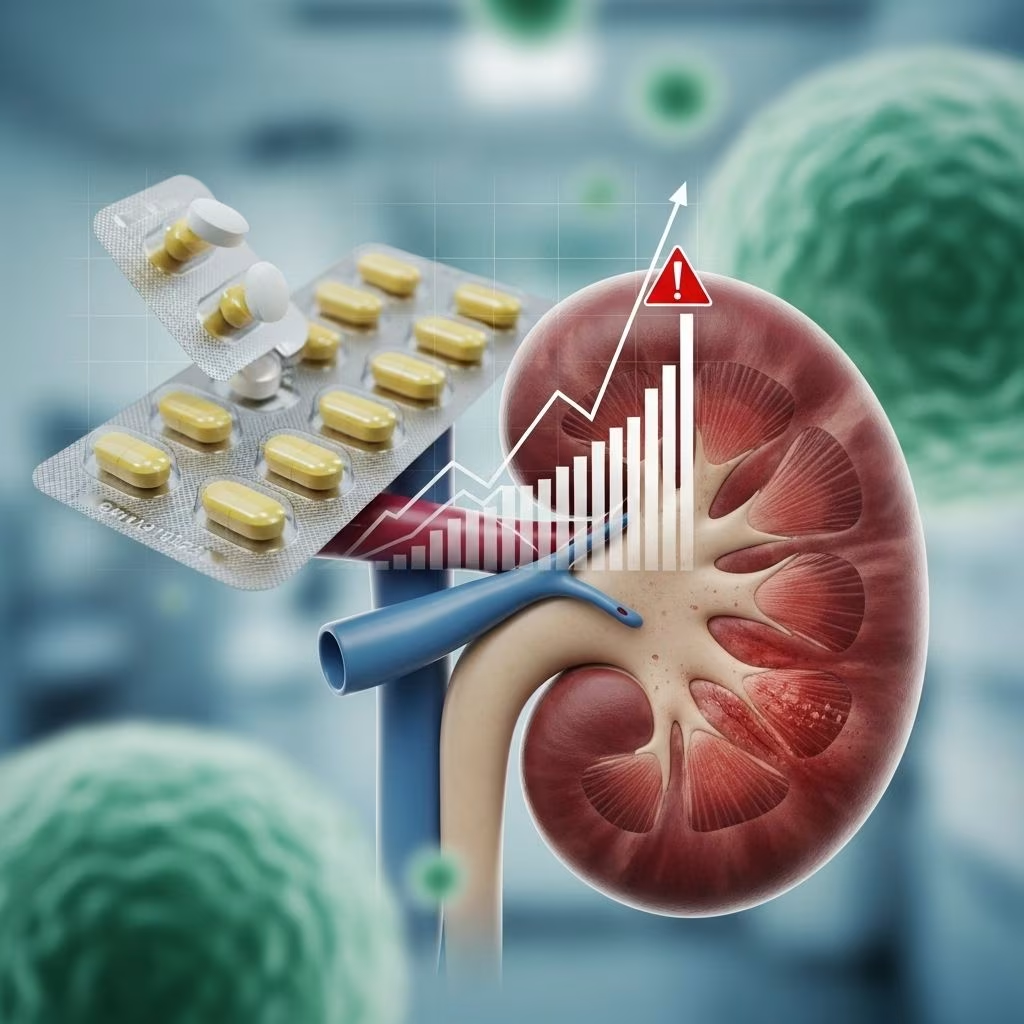
Proton pump inhibitors (PPIs) are widely prescribed for conditions like ulcers and gastroesophageal reflux disease (GERD). Although they effectively reduce stomach acid and treat digestive issues, research has revealed potential links between PPI use and kidney complications, including both acute kidney injury (AKI) and chronic kidney disease (CKD). This article delves into these concerns, the symptoms, causes, and how to lower your risk while using PPIs.
Understanding Proton Pump Inhibitors (PPIs)
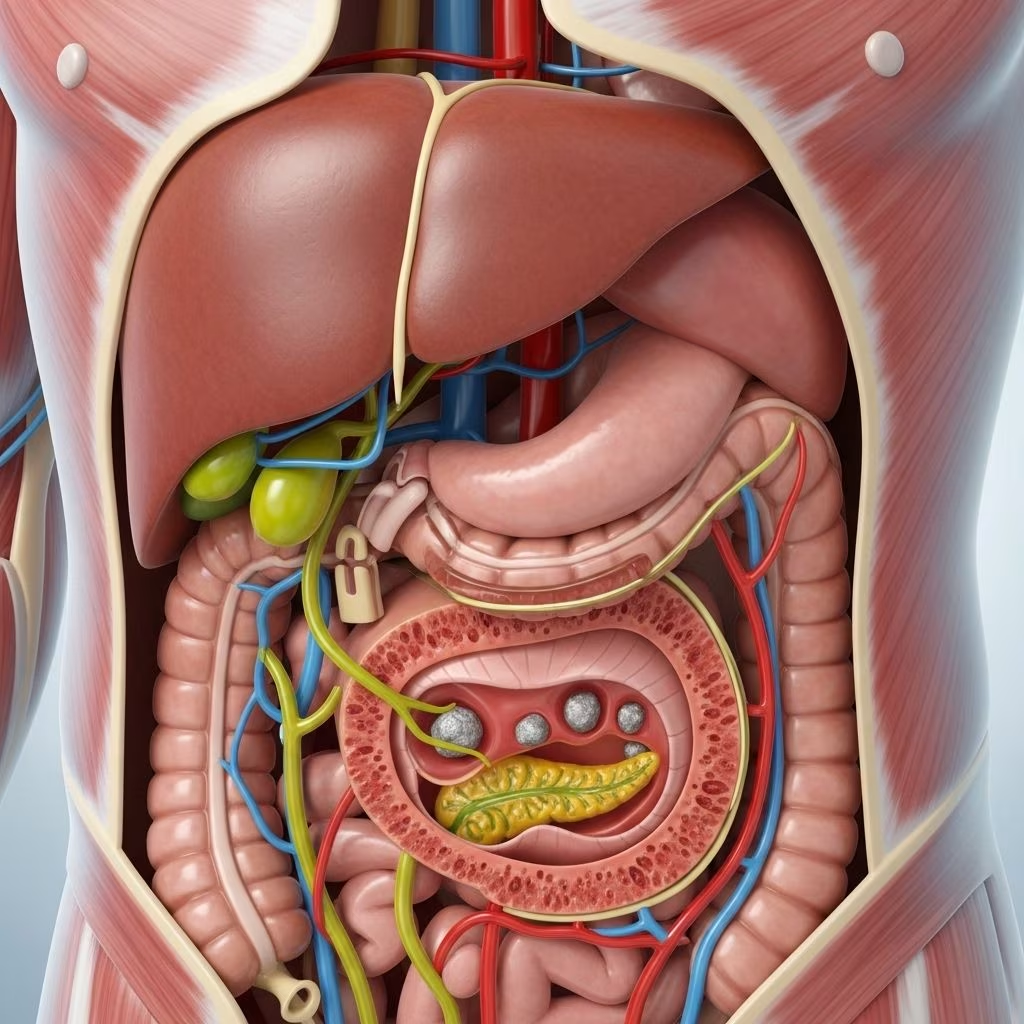
Proton pump inhibitors are a class of medications used to lower the production of stomach acid. Commonly prescribed for:
- Gastroesophageal reflux disease (GERD)
- Stomach and duodenal ulcers
- Erosive esophagitis
- Zollinger-Ellison syndrome
Some PPIs are available over the counter (OTC), while others require a prescription. They are often recommended for short-term use but may be taken longer for certain chronic conditions.
How Do PPIs Affect Your Kidneys?
Evidence connects PPI use to an increased risk of kidney issues, both acute and chronic. The two primary kidney conditions associated with PPIs are:
- Acute Kidney Injury (AKI): Sudden loss of kidney function occurring hours or days after onset.
- Chronic Kidney Disease (CKD): Progressive loss of kidney function over years.
Acute Kidney Injury (AKI) and PPIs
AKI related to PPIs most commonly results from acute interstitial nephritis, an inflammation of the kidney’s tubules and surrounding tissues. This immune-mediated reaction typically develops within weeks of medication initiation.
- Symptoms of AKI may include:
- Swelling in legs, ankles, or around the eyes
- Decreased urination
- Fatigue
- Nausea
- Confusion
- Drug-induced interstitial nephritis is a leading cause of AKI related to PPIs.
- AKI increases long-term risk for CKD.
Chronic Kidney Disease (CKD) and PPIs
Long-term studies have found an association between PPI use and an increased risk of CKD, even in those with no prior AKI history. This chronic progression can be silent for years before symptoms emerge and is harder to diagnose early.
- CDC estimates roughly 15% of U.S. adults have CKD.
- PPI use has been linked to a 20–50% higher risk of CKD according to some cohort studies.
- The mechanism may involve repeated kidney injuries or other unknown pathways.
Still, not all research finds a definitive link—some large-scale observational studies report no significant difference in CKD risk between PPI users and those using alternative reflux medications known as H2 blockers.
Which PPIs Are Cause For Concern?
The concern for kidney complications extends to the whole class of PPIs, including both prescription and OTC versions, such as:
- Omeprazole (Prilosec)
- Lansoprazole (Prevacid)
- Esomeprazole (Nexium)
- Pantoprazole (Protonix)
- Rabeprazole (AcipHex)
There isn’t enough evidence to single out one PPI as riskier than the others; most share similar risks related to kidney function.
Who Should (and Shouldn’t) Take PPIs?
PPIs may be appropriate for:
- People diagnosed with severe GERD unresponsive to lifestyle or other treatments
- Patients with ulcers or bleeding conditions in the GI tract
- Individuals with Zollinger-Ellison syndrome
PPIs may not be the best choice for:
- Those requiring only short-term symptom relief
- Individuals at higher risk for kidney disease (history of AKI or CKD, elderly, etc.)
- People with unexplained swelling, decreased urination, or preexisting electrolyte imbalances
Uses and Risks: Quick Comparison Table
| Condition | PPIs Recommended? | Potential Risk |
|---|---|---|
| Severe GERD or Peptic Ulcer | Usually Yes | Kidney Injury (with long-term use) |
| Mild/Recurrent Heartburn | Usually No – consider alternatives | Kidney Injury (if unnecessary chronic use) |
| Previous Kidney Disease/AKI | Caution–Consult Specialist | Higher risk of recurrence or progression |
Can PPI-related Kidney Damage Be Reversed?
Early detection of kidney injury increases the potential for recovery. With discontinuation of the offending PPI and appropriate medical management:
- AKI due to interstitial nephritis can sometimes be reversed, especially if recognized early and treated with corticosteroids or other interventions.
- Progression to CKD or permanent kidney failure is more likely with delayed recognition or prolonged injury.
If you suspect kidney injury while on PPIs, consult your healthcare provider promptly for kidney function tests and evaluation of alternatives.
Common Side Effects of PPIs
Besides possible kidney issues, common side effects from PPIs include:
- Headache
- Abdominal pain
- Diarrhea or constipation
- Nausea or vomiting
- Flatulence
- Low magnesium levels (*hypomagnesemia*)
- Vitamin B12 deficiency (with long-term use)
Rare but serious complications may include increased risk of bone fractures, infections (such as Clostridioides difficile), and, as discussed, kidney injury or disease.
How to Protect Your Kidneys When Using PPIs
Your doctor may recommend:
- Using the lowest effective dose for the shortest duration required
- Regularly monitoring kidney function, especially for those with preexisting risk factors or prolonged therapy
- Switching to alternatives, such as H2 receptor blockers (ranitidine, famotidine), if suitable
- Reporting promptly any new symptoms (swelling, reduced urination, persistent fatigue)
- Periodic blood tests to check kidney function and electrolyte levels
When to Seek Medical Help
Contact your healthcare provider if you experience:
- Unexpected swelling (legs, ankles, face)
- Sudden weight gain
- Reduced or absent urination
- Unexplained fatigue or confusion
- Severe muscle cramps or weakness
- Nausea or vomiting that is persistent
These may be signs of kidney injury or impaired function.
Frequently Asked Questions (FAQs)
Q: Which PPIs are most dangerous for kidney health?
A: All PPIs carry a similar risk for kidney complications. No particular PPI is significantly riskier than the others, so risk should be assessed on an individual case basis.
Q: Can I stop PPIs abruptly if I am worried about my kidneys?
A: Never stop prescription PPIs suddenly without consulting your doctor, as rebound acid hypersecretion may occur. Your provider can help determine safe alternatives and a plan for tapering if necessary.
Q: Do H2 blockers cause the same kidney risks?
A: H2 blockers (such as ranitidine, famotidine) have not been linked to the same elevated kidney injury risk as PPIs. They may be an alternative for some patients, depending on their indications and medical history.
Q: What symptoms should I watch for if I use PPIs?
A: Monitor for swelling, new onset of fatigue or weakness, decreases in urination, or unusual confusion. Report these promptly to your healthcare team.
Q: Are PPIs safe for long-term use?
A: PPIs can be safely used long-term for specific medical reasons, but ongoing re-evaluation is crucial. Risks like kidney injury, infection, or bone loss increase with continuous use; regular doctor review is essential.
Takeaway
PPIs are highly effective drugs for acid-related gastrointestinal conditions. However, emerging research suggests a need for caution, particularly with long-term or unnecessary use, due to possible risks for acute or chronic kidney injury. Discuss with your healthcare provider the benefits and potential risks of PPIs for your situation, explore alternatives if suitable, and report any signs of kidney issues promptly. Strategic, evidence-based use can help keep your stomach and kidneys as healthy as possible.