Tonsillectomy and IgA Nephropathy: Understanding the Clinical Relationship
IgA nephropathy (IgAN) is one of the most common types of glomerulonephritis worldwide, marked by the deposition of immunoglobulin A (IgA) in the kidney’s glomeruli. Over recent decades, researchers have explored the potential connection between upper airway infections, tonsillar immune function, and the progression of IgA nephropathy. One proposed intervention, tonsillectomy — the surgical removal of the tonsils — has generated ongoing debate and research interest concerning its effects on kidney outcomes, proteinuria, and overall disease progression.
What Is IgA Nephropathy?
IgA nephropathy is a kidney disorder caused by the buildup of IgA complexes in the glomeruli (clusters of tiny blood vessels in the kidneys), leading to inflammation and sometimes chronic kidney damage. The disease can progress to end-stage renal disease in a significant subset of patients.
- Key Characteristics:
- Episodes of visible blood in urine (macrohematuria) often linked to upper respiratory infections.
- Variable disease trajectory; some experience minimal symptoms, others progress to severe renal impairment.
- Common findings include hematuria, proteinuria, and sometimes hypertension.
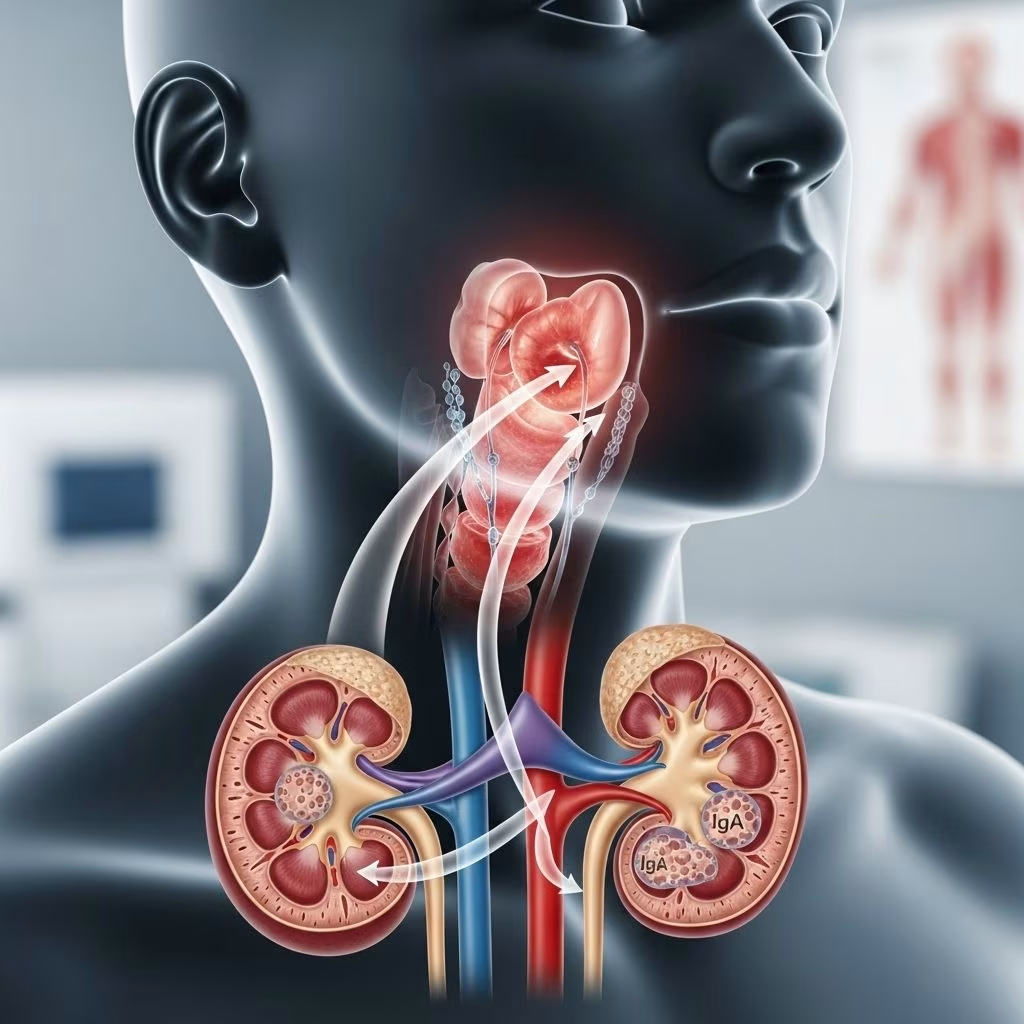
Recent research suggests defective glycosylation (sugar modifications) of IgA from tonsillar tissue may play a role in the pathogenesis of the disease, raising the question of whether tonsil removal could influence disease outcomes.
The Role of the Tonsils in IgA Nephropathy
The tonsils are lymphatic tissues in the oropharynx, playing a significant role in the body’s mucosal immune response. In individuals with IgA nephropathy:
- Tonsillar IgA is abnormally processed or overproduced, leading to systemic release of defective IgA.
- These aberrant IgA molecules deposit in glomeruli and drive inflammation and kidney injury.
- Episodes of tonsillar infection or stimulation may trigger disease flare-ups.
Studies have shown that tonsillar B lymphocytes and related lymphoid tissues are implicated in generating nephritogenic IgA1, lending biological plausibility to surgical intervention as a therapeutic strategy.
Tonsillectomy: What Is It and Why Is It Considered?
Tonsillectomy is a common surgical procedure that involves removing the palatine tonsils. Historically, it has been performed for recurrent tonsillitis or airway obstruction.
- Emerging evidence linked recurring tonsillar infection with worsened IgA nephropathy symptoms.
- Researchers proposed tonsillectomy as a potentially disease-modifying intervention to reduce the source of aberrant IgA.
- The procedure itself does not cause significant immune deficiency or increase risk of upper respiratory infections long-term.
Research on Tonsillectomy Outcomes in IgA Nephropathy
Multiple observational studies, controlled trials, and international reviews have examined the potential benefits and limitations of tonsillectomy for patients with IgAN.
Positive Findings (Primarily from East Asia)
- Improved Urinary Findings: Reduced hematuria and proteinuria post-tonsillectomy.
- Stabilized Renal Function: Slower progression of kidney damage in some cohorts.
- Better Renal Survival: Favorable effects on long-term kidney survival rates in combination with corticosteroid therapy.
- No Significant Increase in Infections: Tonsillectomy did not raise the incidence of upper respiratory tract infections or cause immune deficiency.
Global Contrasts and Conflicting Evidence
- European Studies: Did not show clear or consistent benefit; many reported no association between tonsillectomy and improved outcomes in IgAN.
- Study Limitations:
- Many positive studies were uncontrolled, retrospective, or paired tonsillectomy with steroids.
- Randomized controlled trials often failed to confirm early observational findings.
- Potential biases due to patient selection, genetics, and ethnic differences.
- Genetic Factors: Genetic variants linked to both tonsillectomy risk and IgAN susceptibility may help explain differing results between populations.
- International Guidelines: Currently recommend tonsillectomy only for selected Japanese patients with IgAN already receiving corticosteroids.
Indications for Tonsillectomy in IgA Nephropathy
There is no universal agreement on when tonsillectomy should be considered for IgA nephropathy, but proposed indications include:
- Deterioration of urinary findings (worsening hematuria or proteinuria) after tonsillar infections.
- Mild to moderate renal damage (not advanced renal failure).
- Patients who continue to experience recurrent tonsillitis with IgAN exacerbations.
Tonsillectomy may not benefit IgAN patients with marked or irreversible renal damage. The decision to undergo surgery should be guided by clinical context, patient preferences, and regional expert recommendations.
Combination Therapies: Corticosteroids and Tonsillectomy
Recent multicenter studies and prospective cohort analyses have examined the association of corticosteroid therapy alone, and in combination with tonsillectomy, on kidney survival in IgAN.
- Corticosteroids: Associated with reduced risk of kidney events over mid-term follow-up.
- Combination Therapy (CS + Tonsillectomy):
- Further lowers risk of kidney progression compared to corticosteroids alone.
- Particularly favored in Japanese clinical practice and included in recent international guidelines for select patients.
- Observed benefit not universally confirmed outside East Asia, possibly due to genetic and environmental factors.
| Therapy | Impact on Kidney Events | Regional Support |
|---|---|---|
| Corticosteroids Alone | Moderately lowers risk | Global |
| Corticosteroids + Tonsillectomy | Significantly lowers risk (in East Asian populations) | Strongly supported in Japan |
| Tonsillectomy alone | Inconsistent evidence; not globally recommended | Mixed |
Risks, Limitations, and Considerations
- Tonsillectomy Risks: Surgery carries general anesthesia risks, bleeding, infection, and rare postoperative complications.
- Limitations: Most supporting studies are retrospective and paired with simultaneous immunosuppression — causality remains uncertain.
- No Guarantee: Tonsillectomy does not reverse existing kidney damage and may not aid advanced cases.
- Patient Selection: Best outcomes seen in specific populations; patient genetics and disease stage matter.
Current Clinical Guidelines and Regional Differences
Due to conflicting evidence:
- Japan: Tonsillectomy is recommended for select patients with IgAN on corticosteroids.
- Europe & North America: Not routinely recommended; research ongoing.
- International Guidelines: Emphasize individualized treatment, weighing risks and benefits based on local evidence and resources.
Other Targeted Therapies and Future Directions
- Budesonide (targeted-release formulation): New treatments aim to deliver corticosteroids directly to the intestinal immune tissue, paralleling the logic behind tonsillectomy but in a non-surgical format.
- Precision Medicine: Genetic studies may help identify which patients are likely to benefit from tonsillectomy or targeted immunomodulation.
Frequently Asked Questions (FAQs) About Tonsillectomy and IgA Nephropathy
Q: Can tonsillectomy cure IgA nephropathy?
A: No, tonsillectomy is not a cure for IgA nephropathy. The procedure may help reduce disease activity or slow progression in select patients, especially when combined with corticosteroid therapy, but it does not reverse existing kidney damage nor guarantee disease remission.
Q: Who should consider tonsillectomy if they have IgA nephropathy?
A: Patients with mild to moderate renal damage who experience recurrent or severe tonsillitis-associated disease flare-ups, and who are candidates for corticosteroid therapy, may be considered for tonsillectomy after discussion with their nephrologist.
Q: Are there risks or complications from tonsillectomy?
A: Any surgery carries risks, including anesthesia complications, bleeding, infection, and postoperative pain. Severe complications are rare but should be discussed in advance.
Q: Will removing my tonsils affect my overall immune system?
A: Tonsillectomy has not been shown to cause significant long-term immune deficiency or increased risk of respiratory infections in the context of IgAN treatment.
Q: Is tonsillectomy recommended worldwide for IgA nephropathy?
A: No. Current recommendations mainly support the procedure for select patients in Japan. In other regions, tonsillectomy is not routinely used for IgA nephropathy due to inconsistent evidence.
Summary Table: Tonsillectomy and IgA Nephropathy Evidence
| Study Location | Reported Benefit | Combined With Steroids? | Clinical Recommendation |
|---|---|---|---|
| East Asia (Japan, China) | Significant improvement in kidney outcomes, especially when combined with steroids. | Yes, often. | Recommended for select patients. |
| Europe | No clear benefit; some studies show no association. | Varied. | Not routinely recommended. |
| North America | Insufficient evidence; not part of standard care. | Occasional but rare. | Not recommended. |
Conclusion
The potential role of tonsillectomy in the management of IgA nephropathy is the subject of ongoing global research and debate. While patients in East Asia may experience improved kidney outcomes, particularly when tonsillectomy is combined with corticosteroids, evidence is less compelling in Western populations. Treatment decisions must take into account individual disease characteristics, genetic factors, and evolving clinical guidelines. Patients are encouraged to maintain close communication with their healthcare providers and stay informed about new research and therapies.