Zantac and Kidney Cancer: What You Need to Know
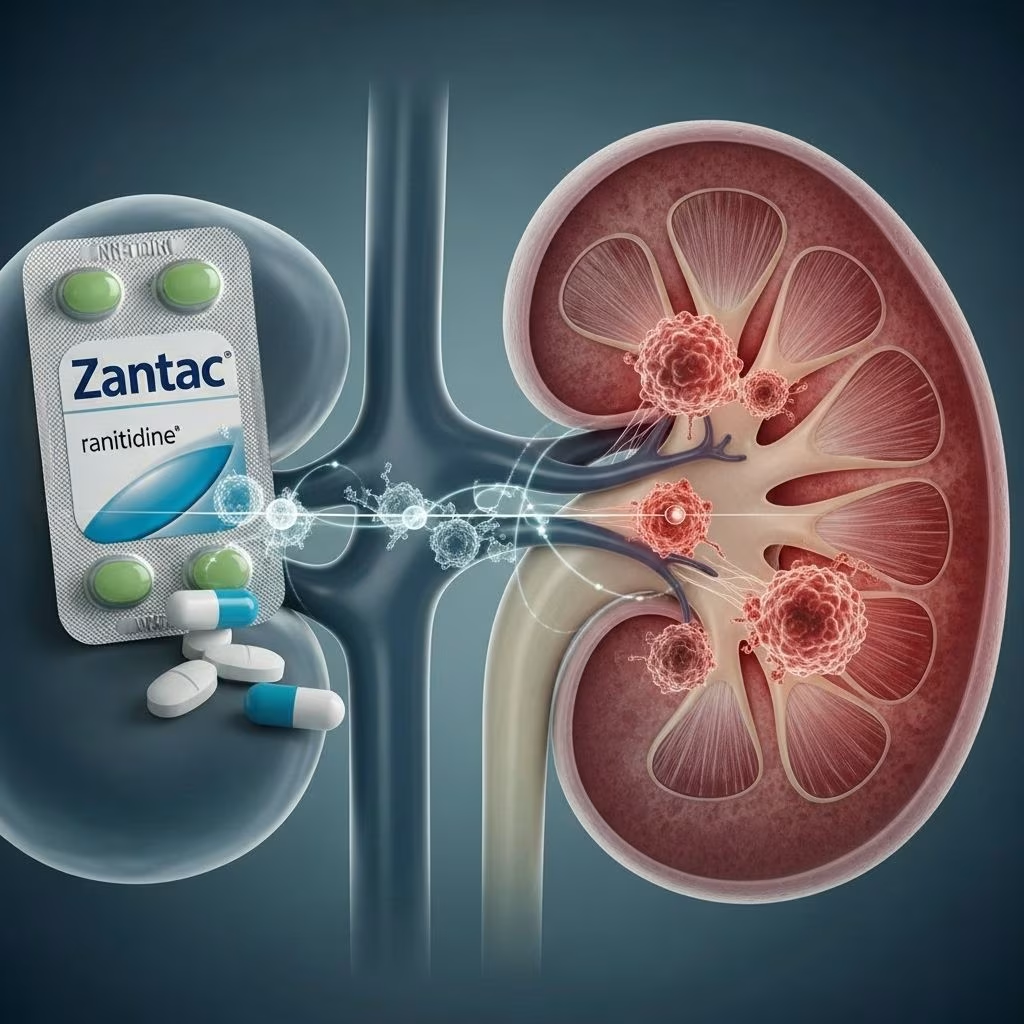
Zantac (generic name: ranitidine) was once a widely used medication for heartburn, acid reflux, and stomach ulcers. Recent concerns have emerged regarding a potential link between Zantac and kidney cancer, centering on the contamination of the drug with NDMA (N-Nitrosodimethylamine), a probable human carcinogen. This article explores the scientific evidence, health risks, legal context, and patient guidance surrounding Zantac, NDMA, and kidney cancer.
What is Zantac (Ranitidine)?
Zantac was a popular over-the-counter and prescription medication used primarily to:
- Treat heartburn and acid reflux
- Help heal or prevent ulcers in the stomach and intestines
- Manage conditions associated with excess stomach acid
Its active ingredient, ranitidine, belongs to a class of drugs known as H2-blockers, which reduce the amount of acid the stomach produces. For decades, millions of people worldwide used Zantac for both chronic and occasional digestive symptoms.
Zantac, NDMA Contamination, and Cancer Risk
In 2019, alarming laboratory results revealed that some batches of Zantac (ranitidine) contained high levels of NDMA, a chemical classified as a probable human carcinogen by international regulatory agencies. NDMA forms through chemical reactions either during the manufacturing process, breakdown in storage, or once ingested and metabolized in the body.
Key points about NDMA contamination:
- NDMA may appear in medications due to instability of ranitidine, which can degrade into NDMA over time, especially when stored at high temperatures.
- NDMA is found in small amounts in water and certain foods but becomes hazardous at higher concentrations or with prolonged exposure.
- The U.S. Food and Drug Administration (FDA) issued alerts and eventually recommended recalling all ranitidine products from the market.
Is There a Link Between Zantac and Kidney Cancer?
The connection between Zantac and kidney cancer is an evolving topic in medical research. The central concern is not the active ingredient itself, but rather the presence of NDMA as a contaminant.
- Experimental animal studies have shown that exposure to NDMA at high levels can cause kidney tumors, as well as tumors in the liver, respiratory tract, and blood vessels.
- The Agency for Toxic Substances and Disease Registry concluded that laboratory rats exposed to NDMA were more likely to develop kidney cancer.
- The Environmental Protection Agency (EPA) recognizes NDMA as a potential cause of kidney cancer based on animal research.
However, as of now, there is no definitive scientific proof that Zantac causes kidney cancer in humans. Most evidence is based on animal models or indirect associations. Ongoing studies at cancer centers such as Memorial Sloan Kettering aim to clarify the specific risks associated with NDMA in humans.
It is important to note:
- Not all ranitidine products contained unsafe levels of NDMA.
- The FDA states that if you have been diagnosed with kidney cancer after Zantac use, consultation with a medical professional is required to evaluate possible causation based on your usage and risk factors.
How Do Carcinogenic NDMA Contaminants Get Into Zantac?
NDMA can form in Zantac as a result of:
- Chemical instability of ranitidine: Ranitidine can react under certain conditions and degrade into NDMA over time or under heat exposure.
- Storage conditions: Medications stored at high temperatures are more likely to develop higher levels of NDMA contamination.
Pharmaceutical companies are responsible for ensuring that drug products are chemically stable and free from harmful impurities. Several lawsuits argue that Zantac manufacturers failed in this duty by allowing unstable products to reach consumers.
Other Potential Cancers Linked to Zantac
Medical and legal sources list multiple cancer types linked to excessive NDMA exposure due to ranitidine contamination, though a direct causal relationship may not be confirmed for all. The following cancers are most commonly cited:
- Kidney cancer
- Liver cancer
- Stomach cancer
- Intestinal cancer
- Colorectal cancer
- Lung cancer
- Esophageal cancer
- Pancreatic cancer
- Bladder cancer
- Brain cancer
- Breast cancer
- Prostate cancer
- Uterine cancer
- Ovarian cancer
- Thyroid cancer
- Nasal/throat cancer
- Leukemia
- Non-Hodgkin’s lymphoma
- Multiple myeloma
Research continues into which of these, if any, are significantly impacted by NDMA-contaminated ranitidine use.
Lawsuits and Legal Actions Regarding Zantac
With the revelation of NDMA in Zantac, both individual and class-action lawsuits sprang up across the U.S. and globally. Key points include:
- Claims focus on manufacturers’ failure to ensure product safety and warn about NDMA contamination risks.
- Many lawsuits use the legal theory of negligence, arguing that consumers and patients were harmed as a result of corporate carelessness or lack of disclosure.
- Multidistrict litigation (MDL 2924) consolidates numerous federal lawsuits about ranitidine and cancer for coordinated pre-trial procedures.
- Settlements or verdicts may depend on individual cases, ongoing research, and regulatory findings.
If you believe Zantac contributed to a cancer diagnosis, consulting a specialist lawyer is recommended to explore possible legal options.
How Do I Know If Zantac Caused My Kidney Cancer?
Establishing a direct connection between Zantac use and an individual’s kidney cancer diagnosis is complex and requires:
- Thorough review of medical history and records
- Assessment of the duration and amount of Zantac or ranitidine usage
- Consultation with a physician, often supported by an oncologist or toxicologist
- Understanding of other personal cancer risk factors
No clinical test currently can definitively prove Zantac as the cause of cancer, but expert medical review is essential for any personal injury or compensation claim.
What to Do If You Think Zantac Caused Your Kidney Cancer
- Seek advice from your healthcare provider for a full evaluation.
- Document your medication history, including dates and dosages of Zantac or ranitidine used.
- Contact a lawyer experienced in pharmaceutical or product liability cases if you are considering legal action.
What To Do If You’ve Taken Zantac
If you are worried about a possible risk from previous Zantac use:
- Do not panic—most people exposed will not develop cancer.
- Monitor your health and speak with your doctor, especially if you notice symptoms such as blood in the urine, unexplained weight loss, persistent pain in the side, or abdominal swelling.
- Explore alternatives for treating stomach or acid reflux conditions. Many other medications without NDMA concerns are available.
Prevention and Safety Tips
- Stop using Zantac or ranitidine products, following medical guidance.
- Use only FDA-approved medications for digestive problems moving forward.
- Maintain regular screening routines as recommended for your age and risk factors—especially if you have a family history of cancer or other risk factors.
- Adopt a healthy lifestyle: balanced diet, regular exercise, limiting tobacco and excess alcohol, as these habits contribute to overall cancer risk reduction.
Table: Zantac, NDMA, and Cancer Risk At a Glance
| Subject | Details |
|---|---|
| Drug Name | Zantac (ranitidine) |
| Main Concern | NDMA contamination (probable carcinogen) |
| Primary Cancer Risk | Kidney cancer; also liver, stomach, and more |
| Mechanism | Instability of ranitidine leading to NDMA formation in storage/body |
| Legal Action | Multiple class-action and individual lawsuits under negligence/product liability |
| Official Status | FDA recall; research ongoing |
Frequently Asked Questions (FAQs)
Q: Should I be worried if I used Zantac in the past?
A: Most former users will not develop kidney cancer, but it is important to monitor your health and consult your doctor if you have concerns or symptoms. Ongoing research strives to clarify the precise risks.
Q: What is NDMA and why is it dangerous?
A: NDMA is a chemical classified as a probable human carcinogen. At high exposures, it has been shown to cause cancer in animal studies, including kidney, liver, and other cancers. In contaminated medications, its levels may exceed those considered safe for humans.
Q: Has Zantac been recalled from the market?
A: Yes. The FDA recommended a full recall of all Zantac (ranitidine) products in 2020 after discovering that NDMA levels could increase over time and exceed safe daily intake limits, particularly under improper storage conditions.
Q: What other medications can I use for heartburn or reflux?
A: Alternative H2-blockers (such as famotidine) and proton pump inhibitors (PPIs) are available for treating similar digestive issues. Always consult with your physician before switching or starting any medication.
Q: How can I participate in a lawsuit if I believe I’m affected?
A: Contact a legal expert specializing in product liability or pharmaceutical litigation. They can review your case and advise you on the next steps, potential compensation, and required evidence.
References and Additional Resources
- FDA Drug Safety Communications (for official guidance and recall information)
- Memorial Sloan Kettering Cancer Center (for ongoing research updates)
- Agency for Toxic Substances and Disease Registry (for NDMA safety details)
This article provides general information and is not a substitute for professional medical advice or legal consultation. Always speak to a healthcare provider regarding your specific health needs or legal rights if you suspect harm from any medication.
References
- https://justicecounts.com/product-liability/kidney-cancer/
- https://www.zantaclawsuit.com/kidney-cancer
- https://onmyside.com/zantac-ranitidine-cancer-lawsuit-lawyer/
- https://pmc.ncbi.nlm.nih.gov/articles/PMC8035224/
- https://www.healthline.com/health/kidney-cancer/kidney-cancer-types
- https://aacrjournals.org/cebp/article/31/1/45/675489/Ranitidine-and-Risk-of-Bladder-and-Kidney-Cancer-A
- https://www.nature.com/articles/s41598-022-26691-0
- https://www.elifecycle.org/archive/view_article?pid=lc-1-0-1