


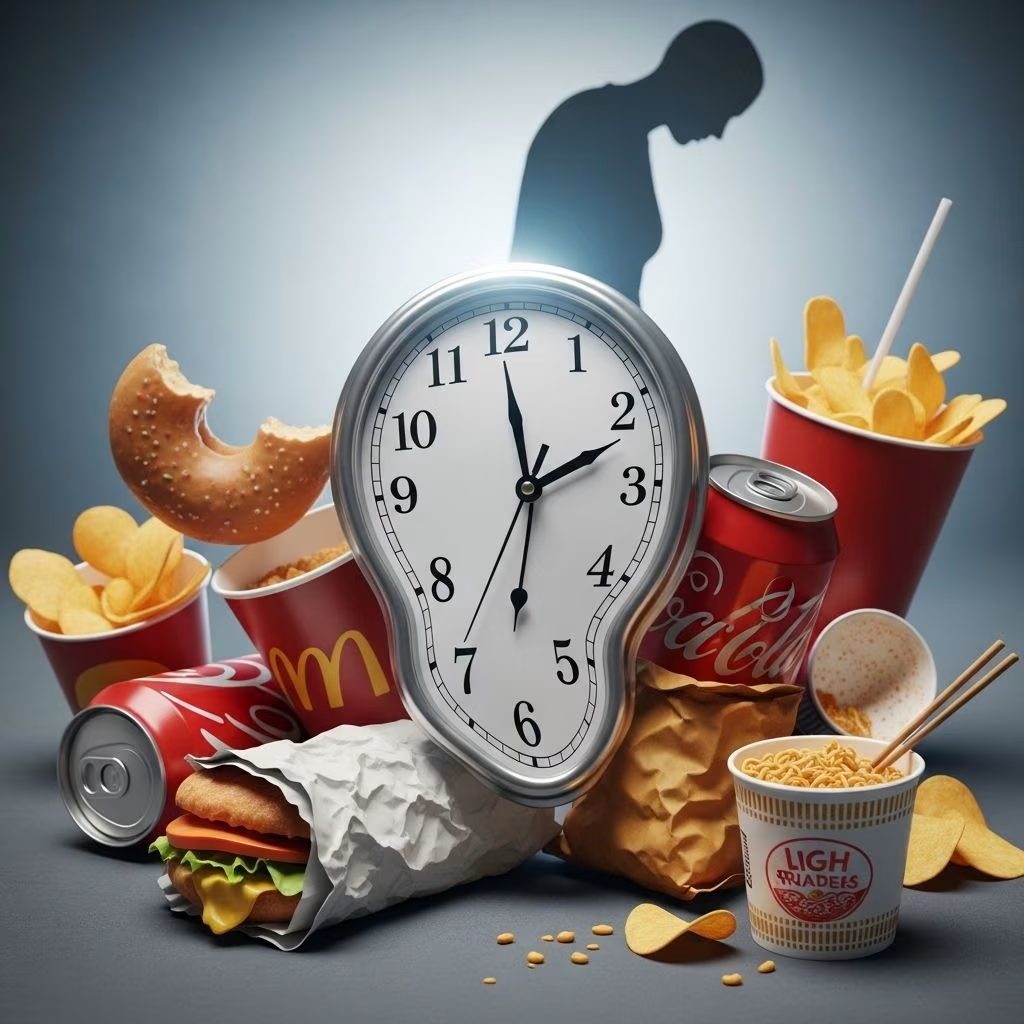
10 Common Diet Mistakes That Slow Down Your Metabolism
Your metabolism determines how efficiently your body burns calories and supports healthy weight loss. But well-intentioned diet mistakes can sabotage your metabolism, causing energy slumps and making weight control difficult. Are you unwittingly making choices that slow your calorie-burning engine? Explore these ten common pitfalls and learn science-backed strategies to keep your metabolism humming.
Mistake 1: Drastically Cutting Calories
While consuming fewer calories than you burn is fundamental for weight loss, slashing your intake too severely can send your metabolism into safety mode. When your daily calories dip below your body’s basic needs (often around 1,200 calories for women), your system starts conserving energy aggressively. This ‘starvation response’ leads to:
- Loss of muscle mass, which burns more energy than fat at rest
- Drop in resting metabolic rate, making it harder to shed fat and easier to gain weight back
- Lower energy and nutrient shortfalls
Solution: Opt for a moderate calorie deficit (500–750 per day) and prioritize nutrient-dense foods. Combine calorie control with regular exercise for safe, sustainable fat loss.
Tip: Aim for slow, steady weight loss (0.5–1kg/week) and avoid drastic or fad diets.
Mistake 2: Skipping Breakfast
Skipping your first meal has become fashionable for busy people, but it can backfire if you want to stoke your metabolism. Breakfast acts as a metabolic reset button after an overnight fast. Research shows that people who eat a balanced breakfast:
- Have higher resting metabolic rates throughout the day
- Experience better appetite control and fewer mid-morning energy slumps
- Are less likely to overeat later
Solution: Make time for a nutritious breakfast with protein, healthy fats, and fiber. Even simple options, like fruit with nuts or Greek yogurt, can help.
Mistake 3: Eating Irregularly or at Unusual Times
Erratic meal times confuse your body’s natural ‘food clock’, which regulates metabolism in sync with your circadian rhythm. Inconsistent eating patterns can:
- Disrupt your body’s ability to efficiently convert food to energy
- Encourage nighttime eating when metabolism naturally slows
- Increase risk of bingeing due to fluctuating hunger signals
Solution: Stick to a regular meal schedule, distributing calories evenly across the day. Avoid large, late-night meals and listen to genuine hunger cues.
Mistake 4: Avoiding Caffeine Entirely
Caffeine, found in coffee and tea, is a natural metabolic booster. Studies show moderate caffeine intake can rev up calorie burn by 5–8%. Tea provides metabolism-boosting catechins, which may raise fat burn by up to 12%.
- Coffee: Stimulates the central nervous system for increased energy expenditure
- Tea: Antioxidants like catechins support fat burning
Solution: Enjoy caffeinated beverages in moderation. Two to three cups of coffee or tea daily can rev your metabolic engine, but avoid excess that can disrupt sleep.
Mistake 5: Choosing Refined White Carbs Over Whole Grains
Not all carbohydrates are created equal. Refined ‘white’ carbs—like white bread or sugary snacks—offer little fiber or nutrients and cause rapid spikes and crashes in blood sugar, slowing fat burn. In contrast, replacing white carbs with whole grains and fiber-rich plant foods leads to:
- Up to 30% more fat burned, thanks to added fiber
- Better appetite and weight control over time
- Steadier energy and improved digestive health
Solution: Swap white bread, rice, and pasta for their whole grain counterparts. Aim for at least 25g of fiber daily—roughly three servings of fruits and vegetables plus whole grains and legumes.
Mistake 6: Drinking Only Room-Temperature Water
Hydration is vital for metabolism, but the temperature of your water might give you a slight boost. German research found that drinking six cups (48 ounces) of cold water daily can burn about 50 extra calories, potentially leading to a 5-pound annual loss.
- Cold water requires your body to expend energy to warm it to body temperature
- Staying hydrated prevents sluggish metabolism
Solution: Aim for at least 6–8 cups of water a day, and consider making some of it cold to take advantage of this slim metabolic perk.
Mistake 7: Eating Foods With Pesticide Residues
Pesticides, specifically organochlorines, are environmental toxins that can interfere with your metabolism. Research from Canada indicates that people with higher concentrations of these chemicals in their fat cells experience a greater-than-normal dip in metabolic rate during weight loss, possibly because toxins impair energy-burning processes. Evidence also suggests:
- Chemicals stored in fat may hinder the body’s ability to mobilize energy
- Pesticide exposure can increase the risk of unwanted weight gain
Solution: Prioritize organic produce for items notoriously high in pesticide residues, such as peaches, apples, strawberries, bell peppers, and leafy greens. Wash all fruits and vegetables thoroughly and try to eat ‘clean’ when possible.
Mistake 8: Not Consuming Enough Protein
Protein is essential not just for muscles, but for keeping your metabolism active. Protein’s ‘thermic effect of food’ (TEF) means your body uses more calories to digest and process it than any other macronutrient. Benefits of adequate protein intake:
- Preserves and builds lean muscle, which burns more calories at rest
- Boosts your calorie burn by up to 35% after meals compared to high-carb meals
- Keeps appetite in check and reduces unhealthy snacking
Solution: Include a serving of lean protein—eggs, chicken, beans, nuts, or low-fat dairy—in every meal and snack. Distribute protein throughout the day for optimal benefits.
Mistake 9: Not Getting Enough Iron
Iron is critical for oxygen transport, allowing your muscles to burn fat for fuel efficiently. Many people, especially menstruating women, don’t get enough, risking anemia and oxygen-deprived muscles, which leads to slowed metabolism and low energy.
- Iron deficiency makes workouts feel harder and reduces fat-burning capacity
- Low iron stores can cause extreme fatigue, weakness, and poor exercise performance
Solution: Fill your plate with iron-rich foods like lean red meat, shellfish, beans, lentils, spinach, and iron-fortified cereals. If you suspect a deficiency, ask your doctor about testing and supplements.
Mistake 10: Missing Out on Vitamin D
Vitamin D isn’t just for bone health—it plays a vital role in maintaining metabolism-revving muscle mass. Deficiency is extremely common, especially in people over 50 and those who get little sun exposure.
- Low vitamin D can impair the function and maintenance of muscle tissue
- Few foods provide enough vitamin D (fatty fish, egg yolks, fortified dairy and cereals being exceptions)
Solution: Aim for 600 to 800 IU of vitamin D per day. Get outdoors for sunlight when you can, include fortified foods in your diet, and talk to your doctor if you may benefit from a supplement.
Frequently Asked Questions (FAQs)
Q: What is metabolism, and why does it matter for weight loss?
A: Metabolism encompasses all the processes your body uses to convert food to energy. A healthy metabolism burns more calories at rest and helps you maintain or lose weight more easily.
Q: How can I tell if my metabolism is slow?
A: Symptoms of sluggish metabolism include unexplained weight gain, persistent fatigue, difficulty losing weight despite good habits, and feeling cold often. Consult with a healthcare provider before making assumptions.
Q: Can I permanently damage my metabolism with restrictive dieting?
A: Extreme, long-term calorie restriction can decrease your metabolic rate while you diet, but metabolism usually rebounds when normal eating resumes. However, repeated cycles of crash dieting may slow recovery.
Q: Can supplements speed up my metabolism?
A: Few supplements have clinically proven effects on metabolism. The best way to support a healthy metabolism is through balanced nutrition, regular physical activity, and healthy lifestyle habits.
Q: What are the best foods for a fast metabolism?
A: Lean proteins, whole grains, iron-rich foods, vitamin D-rich foods, and plenty of fruits and vegetables support a lively metabolism. Also, adequate hydration and moderate caffeine intake can provide an extra boost.
Quick Reference Table: Diet Mistakes and Fixes
| Diet Mistake | Why It Slows Metabolism | How To Fix |
|---|---|---|
| Drastic Calorie Cutting | Body conserves energy, burns muscle | Moderate calorie deficit plus exercise |
| Skipping Breakfast | Lowers metabolic rate | Eat a nutritious breakfast daily |
| Irregular Meal Times | Disrupts internal food clock | Stick to regular eating patterns |
| No Caffeine | Miss metabolic-boosting effects | Drink moderate coffee/tea |
| Refined Carbs | Low fiber, spikes blood sugar | Switch to whole grains and more fiber |
| Room-Temperature Water | No thermogenic effect | Include cold water daily |
| Pesticide Exposure | Toxins impair metabolism | Eat organic for high-risk produce |
| Low Protein Intake | Loss of calorie-burning muscle | Include protein at each meal/snack |
| Low Iron | Fatigue, impaired fat burning | Eat iron-rich foods |
| Vitamin D Deficiency | Loss of muscle mass, slower metabolism | Get vitamin D from sun or supplements |
Key Takeaways
- Balance is essential: Extreme restrictions and irregular habits backfire on metabolism.
- Nutrient quality matters as much as calories—focus on protein, fiber, iron, and vitamin D.
- Hydration, regular meals, and moderate caffeine can support a healthy calorie burn.
By understanding and correcting these common mistakes, you can help keep your metabolism robust, energize your days, and achieve healthy, sustainable weight goals.
References
- https://psrihospital.com/common-mistakes-that-slow-down-your-metabolism/
- https://thegoodbug.com/blogs/news/common-weight-loss-mistakes-slowing-metabolism
- https://www.prevention.com/weight-loss/a20475557/common-diet-mistakes-that-slow-metabolism/
- http://www.webmd.com/diet/ss/slideshow-diet-mistakes
- https://www.acefitness.org/resources/everyone/blog/6090/slow-metabolism-8-things-that-slow-down-your-metabolism/
- https://www.diamondhealthinc.com/common-mistakes-when-losing-weight/
- https://www.bangkokhospital.com/en/bangkok/content/wrong-way-loss-weight
- https://www.telegraph.co.uk/health-fitness/diet/weight-loss/exercise-not-the-key-to-weight-loss-this-is-what-works/
- https://dietitiandirectory.com/weight-loss/top-3-common-mistakes-that-are-stopping-weight-loss-and-what-to-do-instead-from-a-registered-dietitian/


