


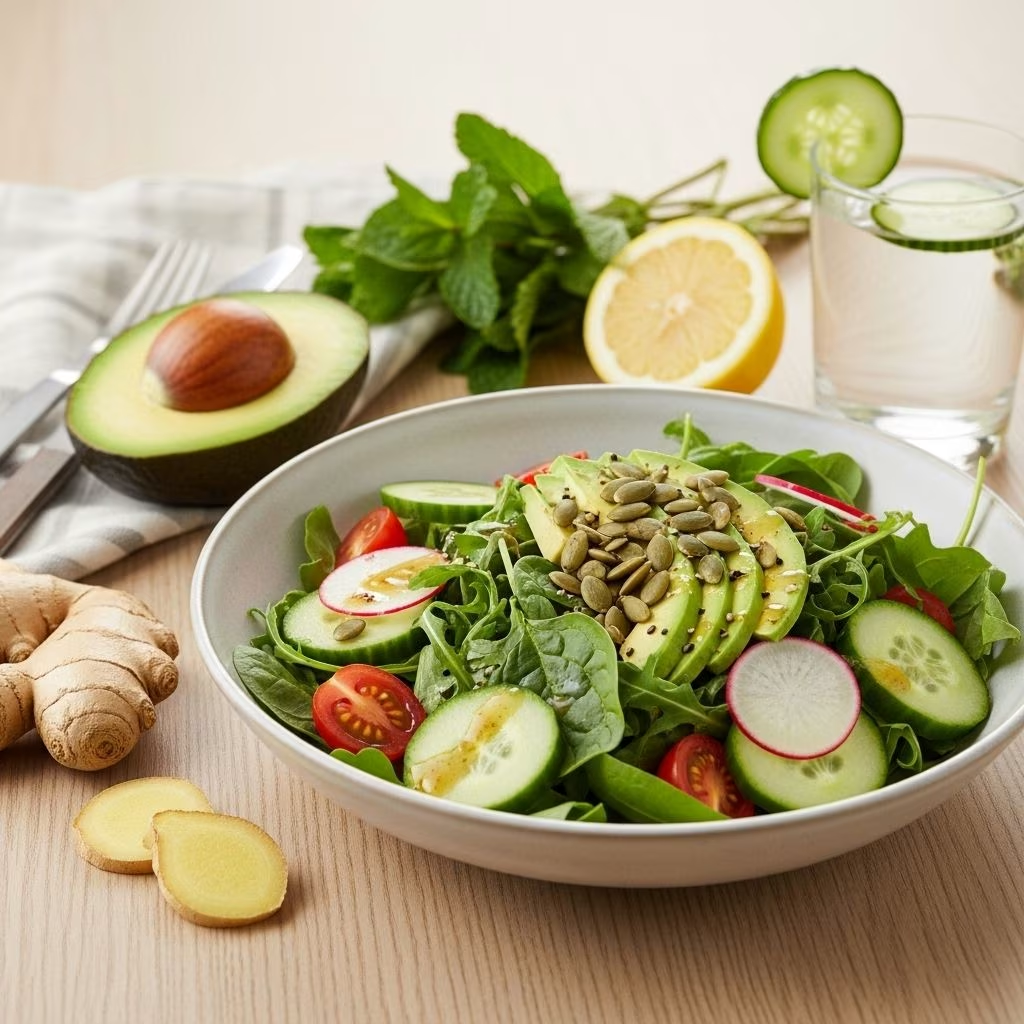
Bloating is an uncomfortable, swollen feeling that can detract from how you look and feel, often caused by water retention, digestive sluggishness, or gas buildup. Nutritionists agree: while occasional bloat is normal, the right combination of foods and lifestyle changes can quickly restore comfort and confidence in your body. Here, we reveal registered dietitians’ favorite anti-bloat foods, the science behind their choices, and key everyday habits for lasting digestive ease.
Understanding Bloating: Why It Happens
Bloating occurs when the digestive system struggles to process certain foods, or when the body retains excess water and gas. Triggers can include eating too fast, overeating, consuming gas-producing foods, or even hormonal fluctuations. Chronic bloating may be linked to food intolerances, digestive conditions like IBS, or imbalances in gut bacteria.
- Common causes: air swallowing, dehydration, salty foods, excess sugar alcohols, and constipation.
- Foods high in fat can slow down digestion, increasing fullness and bloat.
- High-fiber foods like beans and some vegetables can cause bloat, especially if introduced rapidly.
Fortunately, many nutritionist-approved foods actively help beat the bloat. Let’s explore their top recommendations.
Nutritionists’ Top Foods to Reduce Bloating
Experts say that targeted, nutrient-rich foods can help ease digestion, support fluid balance, and encourage regularity, all of which relieve bloat.
1. Greek Yogurt
Greek yogurt is packed with probiotics, beneficial bacteria that restore gut balance, improve lactose digestion, and promote healthy waste elimination. Tip: Choose the unsweetened, plain variety to avoid added sugars, which can worsen bloating for some people.
- Why it works: Probiotics may help reduce gas and ease digestive inflammation.
- How to enjoy: Top with blueberries or strawberries for fiber and antioxidants.
2. Bananas
Bananas provide both potassium and prebiotic fiber, aiding fluid balance and feeding healthy gut bacteria. Potassium helps your body eliminate excess sodium, a major culprit in water retention.
- One medium banana contains ~400 mg potassium and 3g fiber.
- Eat bananas as snacks, blend into smoothies, or slice onto oatmeal.
3. Cucumbers
With their ultra-high water content (96%), cucumbers act as natural diuretics, flushing out excess fluids and sodium. Their skin also offers a small amount of fiber to support bowel movements.
- Add sliced cucumbers to salads, water infusions, or simply snack on them plain.
4. Ginger
Ginger is celebrated for its ability to relax the digestive tract and accelerate stomach emptying, reducing gas and discomfort. The enzyme zingibain in ginger aids protein breakdown for smoother digestion. Enjoy as a fresh tea, grate into stir-fries, or chew a thin slice post-meal.
5. Berries (Blueberries, Strawberries, Blackberries)
Berries are loaded with fiber, polyphenols, and water, supporting regularity and feeding good gut bacteria. Their antioxidant compounds may also help reduce inflammation linked to IBS symptoms, including bloat. Berries make great toppers for yogurt or overnight oats.
6. Celery
About 95% water and packed with mannitol, a sugar alcohol with a gentle laxative effect, celery can pull water into the digestive tract, softening stool and relieving constipation-associated bloating.
- Snack tip: Spread with a nut butter or add to green juices.
7. Pineapple
This tropical fruit is a source of bromelain, an enzyme that breaks down proteins for easier digestion, helping prevent the fullness and indigestion linked to protein-rich meals. Pineapple is also refreshing and hydrating.
8. Papaya
Papaya contains papain, an enzyme with effects similar to bromelain. Papain assists in protein digestion and speeds up gut transit, alleviating that heavy feeling after large meals.
9. Asparagus
Asparagus offers prebiotic fiber (inulin) and acts as a natural diuretic, encouraging water excretion. Regular consumption supports beneficial gut bacteria and urinary health.
- Lightly steam or grill for salads and sides; add to omelets or frittatas.
10. Oats
Oatmeal is rich in soluble fiber (especially beta-glucan), which forms a gel that can bind excess water and regulate bowel movements, reducing gas and bloating. Choose plain steel-cut or rolled oats for best results.
11. Kiwi
Kiwi fruit contains actinidin, an enzyme that assists protein breakdown and stomach emptying. With its fiber, vitamin C, and potassium, kiwi is an excellent addition to a de-bloat diet.
12. Quinoa
As a gluten-free whole grain rich in fiber and protein, quinoa is less likely than wheat or barley to cause digestive discomfort for sensitive individuals or those with gluten intolerance.
13. Fennel
Fennel and its seeds are traditional digestive aids thanks to their antispasmodic and carminative (gas-relieving) properties. Sipping fennel tea or chewing seeds after meals can alleviate bloating and cramping.
14. Watermelon
This summertime favorite is over 90% water, making it ideal for staying hydrated and reducing water retention. Watermelon is especially helpful if your bloating worsens in hot weather.
15. Turmeric
Turmeric’s active compound, curcumin, may help decrease gut inflammation and symptoms of IBS, including bloat. Add it to soups, smoothies, or make a golden milk latte.
Sample Day: Nutritionist-Approved De-Bloat Menu
Here’s how a sample day might look when focused on de-bloating. Each meal combines hydration, fiber, and compounds known to calm digestion.
| Meal | Menu Example | De-Bloat Benefit |
|---|---|---|
| Breakfast | Overnight oats with Greek yogurt, blueberries & banana slices; ginger tea | Probiotics, fiber, potassium, gut soothing |
| Snack | Kiwi and a handful of strawberries | Enzymes, fiber, hydration |
| Lunch | Quinoa salad with cucumbers, asparagus, edamame, chopped fennel, olive oil-lemon dressing | Gluten-free, diuretic, fiber-rich |
| Snack | Slices of watermelon with a twist of lime | Hydration, low sodium |
| Dinner | Grilled salmon with steamed celery & broccoli, brown rice, pineapple salsa | Bromelain enzymes, hydration, lean protein |
| After Dinner | Papaya slices or fennel tea | Digestive enzymes, calming |
Food and Habits to Avoid When Trying to De-Bloat
- Salty processed foods: Increase water retention and puffiness.
- Sugar alcohols (sorbitol, mannitol, xylitol): Found in sugar-free gums/candies; can cause gas.
- Carbonated drinks: Introduce extra air into the digestive tract.
- Beans & cruciferous vegetables (broccoli, cabbage): Cause gas, especially if not cooked thoroughly. Rinsing and cooking well can help.
- High-FODMAP fruits: Apples, pears, and some melons may trigger bloat in some people with sensitive guts.
- Dairy for the lactose intolerant: Can worsen bloating in sensitive individuals.
Everyday Non-Food Tips for Beating Bloat
Food matters, but common-sense habits are equally important. Nutritionists recommend:
- Eat slowly and chew thoroughly to minimize swallowed air.
- Avoid oversized meals; opt for smaller, more frequent ones if prone to bloat.
- Stay well hydrated with water, herbal teas, and water-rich foods.
- Aim for daily movement (like walking or gentle yoga) to encourage healthy digestion.
- Limit alcohol, which can disrupt gut bacteria and promote dehydration.
- Keep a food & symptom diary if you suspect intolerances or IBS.
Frequently Asked Questions About Beating Bloat
Q: Can vitamins or supplements help reduce bloating?
A: Some people benefit from targeted supplements like probiotics (for gut flora) or digestive enzymes (for food breakdown). However, focus first on food-based options; speak to a nutritionist or doctor for persistent problems.
Q: How quickly can I expect bloating to resolve with these foods?
A: Results can be seen within a few hours to a few days depending on the underlying cause and your consistency. Immediate relief often comes from hydrating foods and gentle movement.
Q: Which drinks are best for de-bloating?
A: Water, unsweetened herbal teas (like peppermint, ginger, fennel), and green tea all support digestion and reduce retention. Avoid sodas or fizzy beverages for fastest results.
Q: Are there medical conditions I should rule out if I’m always bloated?
A: Yes. Persistent, frequent, or painful bloating may signal underlying digestive issues like IBS, celiac disease, infections, or intolerances. Consult a healthcare provider for evaluation.
Q: Is it normal to feel bloated after eating healthy foods?
A: Yes—especially when increasing fiber quickly. Introduce new high-fiber foods slowly, drink plenty of water, and prepare vegetables well to help your system adapt.
Key Takeaways for a Flatter, Happier Stomach
Nutritionists agree that battling bloat is about choosing foods that hydrate, support digestion, and minimize gas production. Foods that commonly make their lists include yogurt, bananas, berries, cucumbers, ginger, and other enzyme- or fiber-rich produce. Pair these smart food choices with healthy eating habits and steady hydration for reliable results.
Above all, listen to your body and keep a record of what works best for you. If bloating remains a chronic issue, consult with a registered dietitian or medical professional for personalized insight.
References
- https://www.healthline.com/nutrition/foods-that-help-with-bloating
- https://health.clevelandclinic.org/foods-that-help-with-bloating
- https://newsnetwork.mayoclinic.org/discussion/mayo-clinic-q-and-a-food-to-reduce-bloating/
- https://www.health.harvard.edu/staying-healthy/how-to-get-rid-of-bloating-tips-for-relief
- https://naturopathic.org/news/692843/18-Foods-To-Add-To-Your-Diet-When-You-Start-Feeling-Bloated-.htm
- https://www.uclahealth.org/news/article/6-things-you-can-do-prevent-bloating
- https://www.adventhealth.com/adventhealth-whole-health-institute/blog/nutrition-tips-curb-gas-and-bloating


