


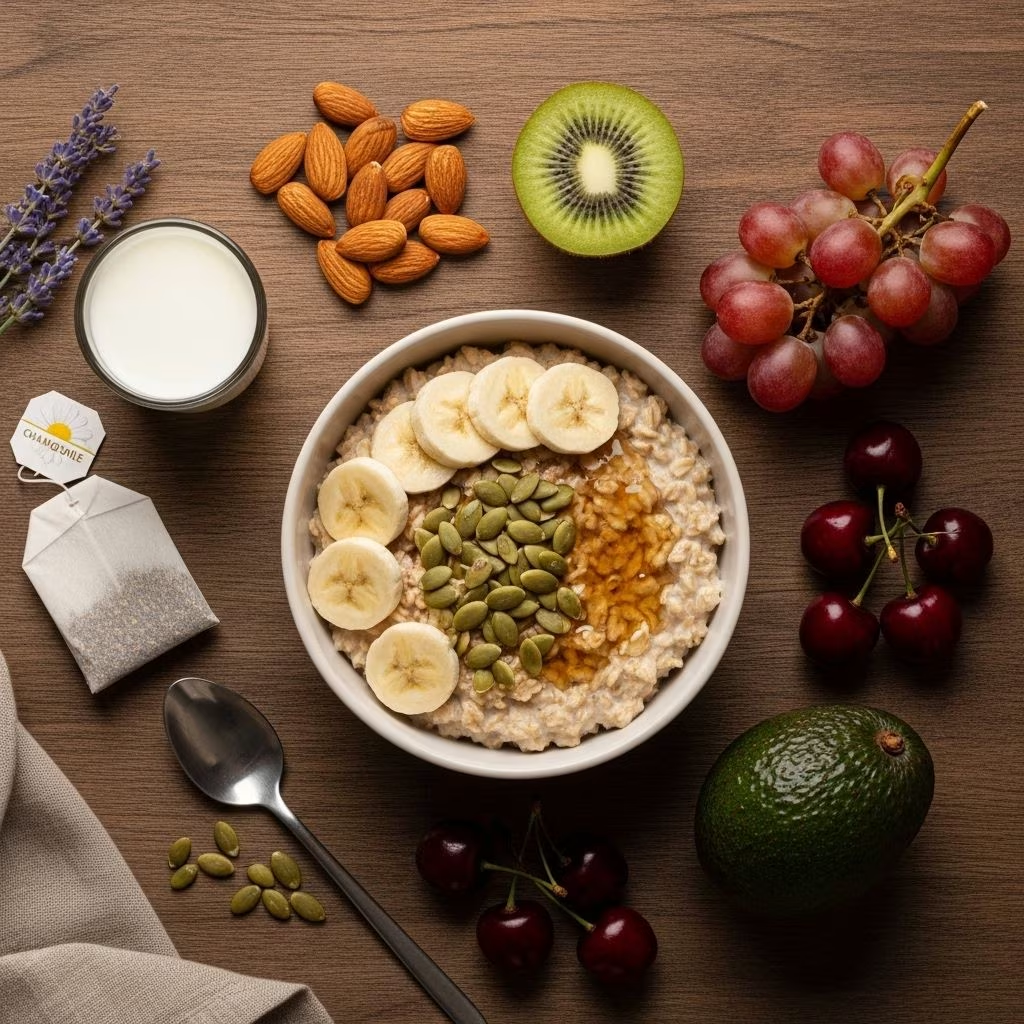
10 Sleep-Boosting Foods to Help You Fall Asleep Faster and Stay Rested
Quality sleep isn’t just about turning off devices or creating a bedtime routine—it’s about what you eat, especially in the hours before you settle down for the night. Research increasingly shows that your evening snacks and meals can contain potent nutrients and compounds that help regulate circadian rhythms, produce calming brain chemicals, and trigger hormones necessary for restorative sleep. Read on for the science-backed foods to add to your diet for better rest.
Why Diet Matters for Sleep Quality
Consistent sleep is crucial for brain health, immune function, mood regulation, and the prevention of chronic diseases. Experts recommend 7–8 hours of uninterrupted sleep per night, yet millions struggle with falling asleep or staying asleep. Certain foods nourish your body with nutrients that directly affect nerve function, hormone production, and the sleep-wake cycle. Eating these foods regularly—especially in the evening—may help reduce sleep disturbances.
- Melatonin: The hormone that signals your body to prepare for sleep.
- Serotonin: A brain chemical that stabilizes mood and regulates sleep cycles.
- Magnesium: A mineral that relaxes muscles and nerves, helping to reduce insomnia.
- Tryptophan: An amino acid converted into serotonin and melatonin in the body.
- Antioxidants: Compounds that reduce inflammation and oxidative stress, supporting restful sleep.
Top Sleep-Boosting Foods
1. Almonds
Almonds are packed with healthy fats, fiber, and antioxidants, but their most sleep-friendly assets are magnesium and melatonin. Magnesium helps relax muscles and nerves, reducing nighttime tossing and turning. Melatonin, naturally present in almonds, signals your internal clock that it’s time to wind down. Studies in animals have shown increased sleep duration after consuming almond extracts, though more human trials are needed.
- Source of magnesium, melatonin, and vitamin B.
- May help reduce the risk of insomnia.
- Suggestion: Eat a small handful before bed.
2. Turkey
Turkey isn’t just a holiday staple—it’s high in quality protein and contains tryptophan, an amino acid that raises melatonin levels and increases feelings of drowsiness. The protein in turkey may also promote tiredness, helping people fall asleep more quickly and stay asleep longer.
- High in lean protein, selenium, and tryptophan.
- Helps boost melatonin and serotonin production.
- Suggestion: Enjoy a couple of slices or add to a salad as an evening snack.
3. Chamomile Tea
Chamomile is celebrated for its calming effects. This herbal tea contains apigenin, an antioxidant that binds to specific receptors in the brain associated with initiating sleep and reducing insomnia. Chamomile also provides flavones that help reduce inflammation and may support overall nighttime health.
- Contains apigenin, a sleep-promoting antioxidant.
- May reduce sleep latency and improve quality.
- Suggestion: Brew a cup about 30 minutes before bed.
4. Kiwi
Kiwi fruit is low-calorie, nutrient-dense, and a notable natural source of serotonin, which modulates the sleep-wake cycle. Clinical studies suggest that eating two kiwis one hour before bedtime can improve both the duration and quality of sleep. The fruit also provides vitamin C, vitamin E, folate, and antioxidants that reduce inflammation and may support melatonin production.
- Source of serotonin, vitamin C, and folate.
- Can increase total sleep time and reduce night awakenings.
- Suggestion: Eat one or two kiwis in the evening.
5. Tart Cherry Juice
Tart cherry juice has gained attention for its potential to relieve insomnia and reduce the time needed to fall asleep. This juice is a rich source of melatonin and antioxidants, which fight inflammation and oxidative stress that can interfere with sleep. Multiple studies have found tart cherry juice effective at increasing sleep duration, especially in older adults struggling with insomnia.
- High in melatonin, magnesium, and antioxidants.
- May lessen oxidative damage and improve sleep efficiency.
- Suggestion: Drink 1/2 cup of tart cherry juice 1–2 hours before bed.
6. Fatty Fish
Fatty fish like salmon, mackerel, tuna, and sardines are rich in omega-3 fatty acids and vitamin D, both of which play crucial roles in serotonin regulation. These nutrients also help reduce inflammation and support overall brain health, creating optimal conditions for sleep. Eating fatty fish has been associated with improved sleep quality in research studies.
- Source of omega-3s and vitamin D.
- Supports serotonin production and neural health.
- Suggestion: Include fatty fish at dinner a few times per week.
7. Walnuts
Walnuts supply plant-based omega-3s, melatonin, and magnesium—-all linked to better sleep. Their antioxidants also help combat night-time inflammation, which can interrupt restful sleep. Enjoyed raw or lightly toasted, walnuts make an ideal addition to evening snacks.
- Good source of melatonin and magnesium.
- Contains plant-based omega-3 fatty acids.
- Suggestion: Add a handful to oatmeal or yogurt before bed.
8. Pumpkin Seeds
Pumpkin seeds are highly concentrated with magnesium and tryptophan. Just one ounce provides well over a third of your recommended magnesium intake, nourishing your nervous system in preparation for sleep. They’re also rich in antioxidants and healthy fats.
- Rich in magnesium, tryptophan, and healthy fats.
- May help promote muscle relaxation and reduce stress.
- Suggestion: Snack on roasted pumpkin seeds in the evening.
9. Oats
Oats are more than just a breakfast food—they can deliver a substantial dose of magnesium and tryptophan for the night ahead. The complex carbohydrates in oats help raise serotonin and lower cortisol, supporting both restful sleep and mood regulation. Additionally, oats provide fiber for digestive health and butyric acid, which supports the calming neurotransmitter GABA.
- Source of magnesium, tryptophan, and fiber.
- Supports GABA production for calmness.
- Suggestion: Have a small bowl of oatmeal or overnight oats an hour before bedtime.
10. Spinach
Spinach, like other leafy greens, is high in magnesium, tryptophan, and fiber. It also contains a unique set of antioxidants—lutein, zeaxanthin, lycopene, and beta carotene—that protect against blue light exposure and support melatonin production. Spinach supports deep sleep and recovery during rest.
- Contains magnesium, tryptophan, and powerful antioxidants.
- May promote deeper, restorative sleep.
- Suggestion: Add cooked spinach to dinners or evening snacks.
Table: Sleep-Promoting Nutrients in Foods
| Food | Key Nutrient(s) | Sleep Mechanism |
|---|---|---|
| Almonds | Magnesium, Melatonin | Muscle/nerve relaxation, regulates circadian rhythm |
| Turkey | Tryptophan, Protein | Increases serotonin/melatonin, drowsiness |
| Chamomile Tea | Apigenin, Flavones | Calms nerves, initiates sleep |
| Kiwi | Serotonin, Folate, Vitamin C | Regulates body clock, boosts antioxidant levels |
| Tart Cherry Juice | Melatonin, Antioxidants | Improves sleep duration, reduces inflammation |
| Fatty Fish | Omega-3s, Vitamin D | Supports serotonin, reduces inflammation |
| Walnuts | Melatonin, Omega-3s | Regulates sleep cycle, combats oxidative stress |
| Pumpkin Seeds | Magnesium, Tryptophan | Relaxes muscles, helps serotonin production |
| Oats | Magnesium, Fiber, Butyric Acid | Boosts serotonin, lowers cortisol |
| Spinach | Magnesium, Lutein, Fiber | Deep restorative sleep, blue light protection |
Tips for Including Sleep-Boosting Foods in Your Diet
- Keep evening meals light: Heavy dinners can disrupt digestion and delay sleep onset.
- Choose complex carbs: Foods like oats and whole grains help stabilize blood sugar for steady sleep.
- Include multiple sources: Combine foods rich in magnesium, tryptophan, and antioxidants for a synergistic effect.
- Avoid caffeine and sugar: These ingredients disrupt the sleep cycle and should be limited after mid-afternoon.
- Establish a routine: Consistency in meal and snack timing helps reinforce circadian rhythms.
Frequently Asked Questions (FAQs)
What is the best time to eat sleep-promoting foods?
Experts recommend consuming sleep-enhancing foods one to two hours before bedtime for optimal effect.
Can eating these foods replace sleep medications?
While diet can help improve sleep quality, it should not be used as a substitute for prescribed medication for chronic sleep disorders. Consult a physician for ongoing sleep problems.
Are there foods I should avoid before bed?
Limit caffeine, spicy or fatty foods, and alcohol in the evening, as these can stimulate the nervous system, cause indigestion, and disrupt sleep cycles.
How long does it take to notice improvement in sleep from dietary changes?
Some people may notice faster sleep onset and fewer night awakenings within days to weeks of consistently incorporating sleep-promoting foods.
Do portion sizes matter for sleep-promoting foods?
Yes, stick to moderate servings. Overeating—even healthy snacks—can strain digestion and have the opposite effect, leading to discomfort or disrupted sleep patterns.
Supporting Lifestyle Changes for Better Sleep
Pairing sleep-enhancing foods with good sleep hygiene—including regular sleep/wake times, minimizing screen time before bed, and keeping your sleeping space quiet and dark—can dramatically improve nightly rest. Nutrition is just one piece of the puzzle. Consistent dietary choices, balanced with physical activity and relaxation techniques, lay the foundation for healthy, restorative sleep over the long term.
Key Takeaways: Eat Well, Sleep Well
- The foods you eat in the evening can significantly impact your sleep quality, duration, and ease of falling asleep.
- Focus on snacks rich in magnesium, tryptophan, serotonin, and melatonin for optimal nighttime recovery.
- Combine dietary improvements with strong sleep hygiene to amplify results.
Experiment with adding these foods into your nightly meals and snacks. Your body and mind may reward you with deeper, more satisfying sleep and greater energy the next day.
References
- https://www.healthline.com/nutrition/9-foods-to-help-you-sleep
- https://pmc.ncbi.nlm.nih.gov/articles/PMC9859770/
- https://www.sleepfoundation.org/nutrition/food-and-drink-promote-good-nights-sleep
- https://www.goodrx.com/well-being/sleep/what-to-eat-before-bed
- https://www.prevention.com/food-nutrition/a65102154/fruits-veggies-sleep-quality-study/
- https://www.prevention.com/health/sleep-energy/a20471197/best-foods-to-eat-at-night-to-help-you-sleep/
- https://www.prevention.com/health/sleep-energy/a36689062/tired-after-eating/
- https://www.prevention.com/weight-loss/g20435175/bedtime-habits-for-weight-loss/
- https://www.prevention.com/health/a63749870/natural-remedies-for-insomnia-sleep-tips/


