


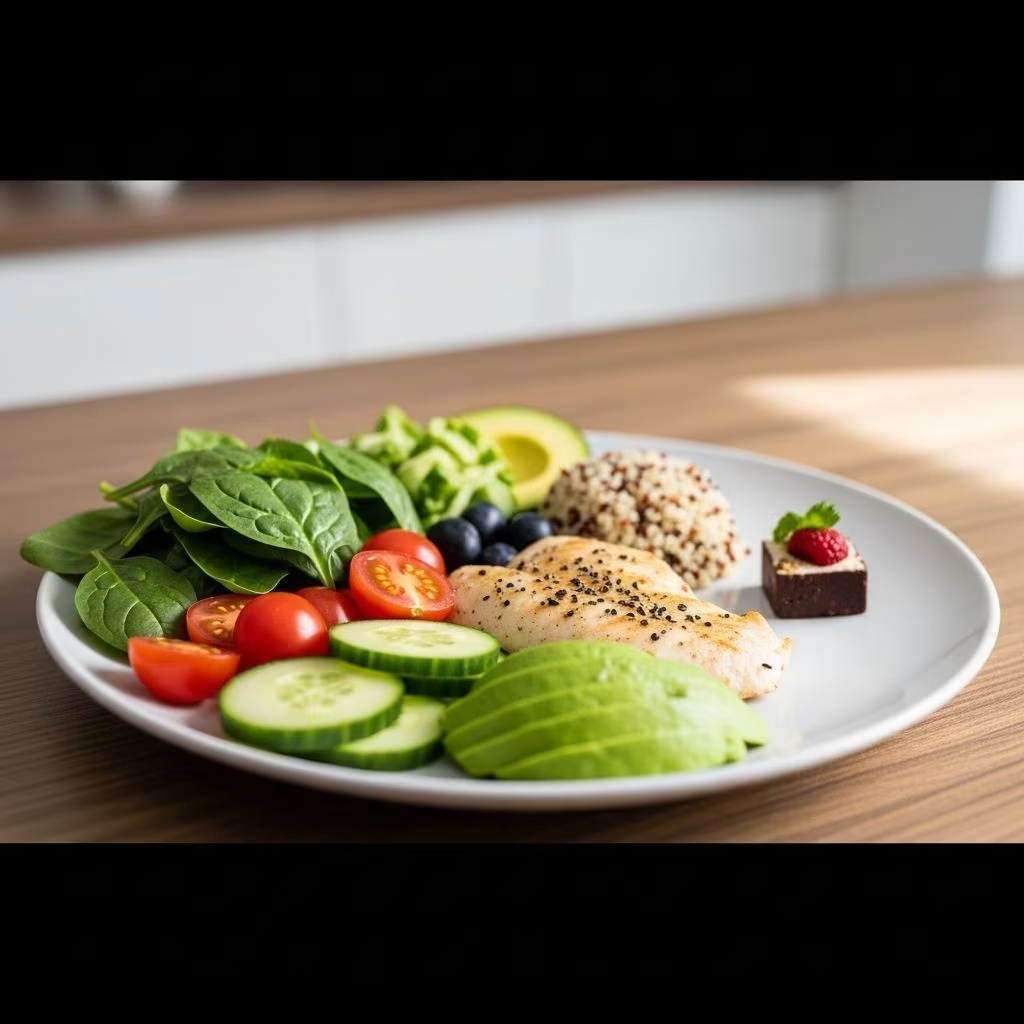
6 Smart Ways to Lose Weight Without Feeling Hungry All the Time
Losing weight is a common goal, but for many, the fear of constant hunger and deprivation is a real obstacle. The good news: sustainable weight loss isn’t about going hungry—in fact, the secret to healthy weight loss lies in choosing foods and strategies that keep you feeling full and satisfied. This guide explores six proven methods to help you lose weight effectively, without feeling hungry all the time.
Why Hunger Sabotages Most Diets
Hunger is one of the strongest biological signals we experience, and it can quickly undermine even the best intentions to eat less. Traditional diets often fail because they leave you feeling hungry, irritable, and deprived. That’s why changing your approach—by focusing on foods and habits that manage hunger—is critical for both weight loss and long-term health.
1. Control Your Portions
Portion control is one of the most effective ways to lower calorie intake without feeling deprived or constantly hungry.
- Eat from smaller plates and bowls. Studies show this simple trick can fool your brain into thinking you’re eating more, helping you feel satisfied with less food.
- Visual cues help. Use your hand as a guide: a clenched fist equals one cup (a reasonable portion for carbohydrates), your palm is a serving of lean protein (about 4 ounces), and two tablespoons of healthy fats (such as olive oil or nut butter) fits comfortably in your thumb and forefinger pinch.
- At restaurants, order an appetizer instead of a main dish, split entrees, or ask for a takeout box immediately and pack away half of your meal before you start eating. This reduces the temptation to overindulge.
Mindful portioning allows you to enjoy a wider variety of foods and flavors, keeping your meals interesting while you shed excess pounds.
2. Don’t Skip Meals
While it might seem logical to eat less by skipping meals, research suggests this approach often backfires.
- Skipping meals leads to dips in blood sugar, making you more likely to binge or make unhealthy food choices later in the day.
- Eating regular meals (ideally three balanced meals per day) helps stabilize your appetite, so you never feel ravenous or out of control around food.
- Portion-controlled, nutrient-rich meals keep hunger at bay while still contributing to your calorie deficit for weight loss.
Building a predictable routine around eating—even if you aren’t counting calories—can have a profound effect on your ability to stick to a weight loss plan without constant cravings.
3. Eat More Fiber
Fiber is a magic ingredient for appetite control and digestive health. Here’s why you need more of it in your diet:
- Natural appetite suppressant: Fiber-rich foods expand in your stomach, helping you feel full quicker and for longer periods of time.
- Gut health benefits: Fiber feeds the good bacteria in your digestive tract, leading to more stable hunger hormones and better digestion.
- Examples of fiber-rich foods: Whole grains (oats, quinoa, brown rice), beans and legumes, fruits (berries, apples, pears), and most vegetables (especially leafy greens and cruciferous vegetables).
Aim for at least 25 grams of fiber daily. Gradually increase fiber intake and remember to drink plenty of water to avoid digestive discomfort.
4. Load Up on Protein
Protein is crucial in any weight loss plan—not only for muscle maintenance, but also for managing hunger and boosting the calories you burn.
- Satiety power: Protein influences satiety hormones and takes longer to break down compared with carbs or fats, helping you feel full after eating.
- Thermogenic effect: Your body expends more energy digesting protein (called the thermic effect of food), so you actually burn more calories processing protein-rich meals.
- Protein sources: Prioritize lean meats (chicken, turkey, fish), eggs, low-fat dairy, tofu, tempeh, beans, and lentils. For maximum effect, aim for at least 20 grams per meal.
This focus will help you maintain or even increase muscle mass during weight loss, which is key for keeping your metabolism robust.
5. Have Plenty of Healthy Fats
Although fat was once deemed the enemy of weight loss, we now understand that healthy fats are vital for satiety, energy, and metabolic health.
- Healthy fats keep you full longer by slowing stomach emptying and preventing blood sugar spikes (and crashes) that contribute to “hangry” feelings.
- Good sources include avocados, olive oil, nuts, seeds, nut butters, fatty fish (like salmon, mackerel, sardines), and coconut oil in moderation.
- Don’t overdo it: Fats are calorie-dense, so it’s important to stick to suggested servings—generally, about 20–35% of your total daily calories should come from fats.
Balancing your fat intake improves the flavor and satisfaction of meals, while supporting hormone function and energy balance during active weight loss.
6. Balance Out Your Carbs
There’s no need to eliminate carbohydrates completely, but smart choices and moderation matter.
- Balanced carbs: Opt for complex, high-fiber carbs like sweet potatoes, quinoa, whole grain bread or pasta, and brown rice, which digest more slowly and help keep you full.
- Proportion is key: According to dietary guidelines, carbs should make up 45–65% of your daily calories. If you eat 2,000 calories a day, aim for roughly 900–1,300 calories from carbs (225–325 grams), keeping portions in check and favoring quality sources.
- Combine with protein and fat: Pairing carbs with protein and fat slows down absorption, stabilizes blood sugar, and further curbs hunger between meals.
Balance—not elimination or excess—is the key to sustainable weight loss and the energy you need to thrive.
Quick Comparison: Macronutrient Effects on Satiety
| Macronutrient | Satiety Impact | Recommended Sources |
|---|---|---|
| Fiber | Very High | Vegetables, whole grains, fruits, legumes |
| Protein | High | Lean meats, fish, eggs, legumes, dairy |
| Fat | Moderate/High | Avocado, nuts, seeds, olive oil, fatty fish |
| Carbohydrates | Varies (complex>simple) | Whole grains, beans, starchy vegetables |
Frequently Asked Questions (FAQs)
Q: Will these strategies help me lose weight even if I don’t exercise?
A: While exercise accelerates weight loss and offers numerous health benefits, these nutrition-focused strategies can help you shed pounds even with limited physical activity by reducing your overall calorie intake and keeping hunger in check.
Q: How can I increase fiber in my diet without feeling bloated?
A: Add fiber gradually and drink plenty of water. Start with cooked vegetables, beans, and whole grains, then steadily add raw produce and fiber-rich snacks.
Q: Can eating healthy fats really help with weight loss, or will they make me gain weight?
A: Healthy fats, when eaten in recommended amounts, help you feel fuller and reduce cravings for less healthy foods. Just be mindful of quantities; stick to suggested portions to support weight loss.
Q: Do I need to count calories to lose weight?
A: While tracking calories can be useful for some, focusing on portion sizes, food quality, and balanced meals is often enough for sustainable weight loss.
Q: What should I do if I’m feeling hungry between meals?
A: Choose a small snack rich in protein and fiber—like Greek yogurt with berries, a handful of nuts, or hummus with veggies—which can curb hunger and prevent overeating at your next meal.
Practical Tips for Lasting Success
- Plan meals and snacks in advance to avoid random, unhealthy choices.
- Eat slowly and mindfully, enjoying the colors, textures, and flavors of your food.
- Stay hydrated—sometimes thirst masquerades as hunger.
- Prioritize sleep and find healthy ways to manage stress, both of which impact hunger hormones.
Start Your Satisfying Weight Loss Journey Today
You don’t need to starve, skip meals, or cut out entire food groups to lose weight. By following these science-backed methods, you can create a nourishing, filling, and sustainable eating pattern that supports real results—without battling hunger at every turn.
References
- https://www.prevention.com/weight-loss/a30188568/lose-weight-without-exercise-0/
- https://www.prevention.com/weight-loss/a20439221/lose-weight-without-diet-or-exercise/
- https://www.mayoclinic.org/healthy-lifestyle/weight-loss/in-depth/weight-loss/art-20047752
- https://www.prevention.com/weight-loss/g20512093/12-surprisingly-effective-ways-to-halt-your-hunger/
- https://www.prevention.com/weight-loss/g20496057/6-ways-to-lose-weight-without-feeling-hungry-all-the-time/
- https://www.prevention.com/weight-loss/a20454606/lose-weight-without-starving/
- https://www.prevention.com/weight-loss/g20484531/6-mini-weight-loss-moves-that-lead-to-major-results/
- https://www.prevention.com/weight-loss/a20435183/tips-on-how-to-stop-overeating/
- https://www.prevention.com/weight-loss/g20497578/slow-down-meals-for-weight-loss/


