


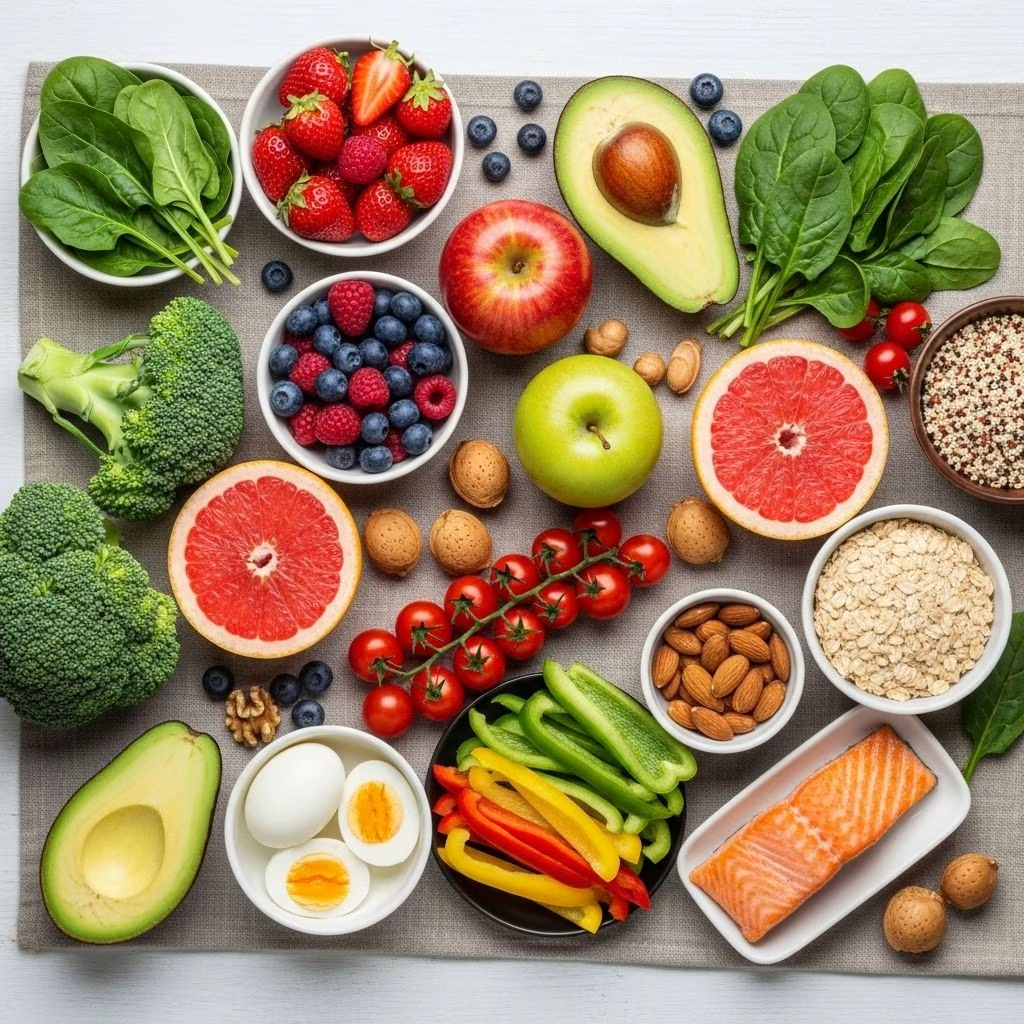
When it comes to shedding extra pounds, the conversation often focuses on what not to eat. But science reveals a more inspiring road to success: some foods, especially those high in fiber, protein, and healthy fats, do more than satisfy your hunger—they can supercharge your metabolism, keep you full longer, and support sustainable weight loss. In this guide, you’ll discover the surprising foods that nutrition experts recommend, the reasons they work, and simple ways to incorporate them into your routine for real results.
Why Whole Foods Matter for Weight Loss
The fundamentals of healthy weight loss revolve around whole, minimally processed foods rich in nutrients, fiber, and satiety-inducing compounds. Not only do these foods help control cravings, but they also support your overall health and metabolism. According to experts, here’s what your weight loss diet should center on:
- Lean proteins: Boost metabolism, build muscle, and keep you full.
- Whole grains: Provide sustained energy and fiber for digestive health.
- Healthy fats: Regulate hormones and increase satiety (fullness).
- Vegetables and fruits: Deliver essential nutrients, antioxidants, and fiber with minimal calories.
Top 10 Surprising Weight Loss Foods
Beyond the familiar staples, there are some lesser-known foods that can power up your weight loss efforts. Let’s break down why these work and how you can enjoy their benefits every day.
1. Beans and Lentils
Fiber-rich and protein-packed, beans and lentils keep you full longer than most foods. Whether you choose black beans, chickpeas, or lentils, you’ll benefit from:
- High amounts of soluble fiber, which slows digestion and controls blood sugar spikes.
- Plant protein that helps preserve muscle during weight loss.
Tip: Add beans to salads, soups, or grain bowls, or try a lentil stew for dinner.
2. Greek Yogurt
This creamy treat is more than a snack—it’s a powerful weight loss ally thanks to:
- Double the protein of traditional yogurt, curbing hunger for hours.
- Probiotics that support gut health, which may influence weight regulation.
Tip: Top plain Greek yogurt with berries and chia seeds for a satisfying breakfast or snack.
3. Eggs
Eggs are a breakfast staple for good reason. Studies show that starting your day with eggs can aid weight loss by:
- Delivering high-quality protein for long-lasting fullness.
- Supporting muscle maintenance during weight loss.
Tip: Enjoy eggs boiled, scrambled, or in a veggie-packed omelet.
4. Avocado
This creamy fruit is rich in heart-healthy monounsaturated fats and fiber:
- Fats promote satiety and curb overeating.
- Fiber slows digestion and adds bulk without extra calories.
Tip: Slice avocado over toast, salads, or tacos, or blend into smoothies for creamy texture.
5. Berries
Berries—such as strawberries, blueberries, and raspberries—are nutrient-dense, low in calories, and loaded with fiber and antioxidants:
- Fiber helps keep you full and digestive regularity.
- Natural sweetness helps satisfy sugar cravings, aiding calorie control.
Tip: Mix berries into yogurt, oatmeal, or enjoy as a snack.
6. Oats
Whole oats are famed for their high soluble fiber (beta-glucan) content, which can:
- Increase feelings of fullness at breakfast and reduce overall calorie intake.
- Stabilize blood sugar and lower cholesterol.
Tip: Prepare overnight oats for convenient, healthy mornings or add oats to smoothies for extra bulk.
7. Leafy Greens
Spinach, kale, arugula, and other leafy greens are incredibly low in calories—yet high in fiber, water volume, and essential nutrients. They fill you up for very little energy cost:
- Allow you to eat larger portions with fewer calories.
- Support liver detoxification and overall health.
Tip: Build salads, serve as a base for bowls, or blend greens into smoothies.
8. Salmon and Fatty Fish
Salmon, sardines, mackerel, and other oily fish are high in protein and omega-3 fatty acids:
- Protein increases satiety and thermogenesis (calorie burning).
- Omega-3s support metabolism and heart health.
Tip: Grill or bake salmon with vegetables for a satiating, balanced meal.
9. Nuts
Despite being calorie-dense, nuts like almonds, walnuts, and cashews increase satiety thanks to their unique combination of protein, healthy fats, and fiber. In moderation, they’re linked to better weight outcomes in many studies.
- Chewing nuts takes time, encouraging mindful eating.
- Healthy fats help control appetite and blood sugar.
Tip: Enjoy a small handful as a snack, or sprinkle on cereals and yogurt.
10. Spicy Peppers
Capsaicin—the compound that provides heat in chili peppers—may temporarily increase metabolism and reduce appetite. Spicy foods also encourage eating more slowly, giving your body time to register fullness.
- May enhance calorie burning and curb overeating.
Tip: Add chopped jalapeños or sriracha to scrambled eggs, soups, or grain bowls for extra kick.
Putting It Into Practice: Balanced Plates for Weight Loss
How can these foods fit into your daily meals? Here’s a sample day of weight loss-friendly eating featuring some of these superstar foods:
| Meal | Example Foods |
|---|---|
| Breakfast | Oatmeal topped with Greek yogurt and berries; coffee with a splash of milk |
| Lunch | Leafy greens salad with grilled salmon, avocado, chickpeas, and vinaigrette |
| Snack | Small handful of almonds; carrot sticks |
| Dinner | Lentil stew with kale and tomatoes; whole grain toast |
Foods to Eat in Moderation or Avoid
While focusing on weight-loss-friendly foods, it’s also important to reduce your intake of common culprits that stall progress:
- Processed foods (e.g., chips, packaged snacks, fast food)
- Sugary drinks (soda, sweetened teas, energy drinks)
- Refined grains (white bread, pasta, pastries)
- Trans fats (found in many processed baked goods and fried foods)
Focusing on whole foods naturally leaves less room for these calorie-dense, nutrient-poor options.
Expert Advice: Weight Loss Food Habits and Myths
- Keeping a food journal can double your chances of weight loss success by promoting awareness and accountability.
- Aim for at least 30 grams of fiber daily—found in fruits, vegetables, legumes, and whole grains—to aid digestion and keep you full.
- Avoid falling for “diet” versions of foods, such as low-fat peanut butter or gluten-free cookies—these often have added sugars and may not actually save you calories.
- Certain high-fat foods (like cheese) may contribute to weight gain if eaten in large quantities, particularly for those genetically predisposed.
- The Mediterranean and DASH diets both emphasize whole foods, healthy fats, and plant-based ingredients, and are supported by research for both weight and overall health.
Tips for Incorporating Weight-Loss Foods into Your Diet
- Plan meals around a source of protein (beans, fish, eggs, yogurt).
- Fill half your plate with vegetables at lunch and dinner.
- Choose whole grains over refined ones.
- Snack on nuts or fruit to avoid processed snack foods.
- Add spices and herbs (including hot peppers) to boost flavor without extra calories.
Common Questions About Surprising Weight-Loss Foods
Q: Can eating more fat actually help me lose weight?
A: Yes, but only if you prioritize healthy fats such as avocado, nuts, and olive oil, and keep portions in check. These fats help regulate satiety hormones and reduce cravings.
Q: Are all carbs bad for weight loss?
A: No. Whole grains and fiber-rich carbohydrates like oats, quinoa, and legumes are beneficial for weight loss, unlike refined carbs (white bread, pastries), which should be limited.
Q: How much fiber do I need per day?
A: Most adults need 21–38 grams of fiber per day, depending on age and gender. Prioritize beans, whole grains, fruits, and vegetables.
Q: Is it OK to snack if I’m trying to lose weight?
A: Yes. Snacks can help stabilize blood sugar and curb cravings. Choose whole, minimally processed options like Greek yogurt, nuts, fruit, or vegetable sticks.
Q: Does eating protein really make a difference?
A: Absolutely. Protein increases metabolism, preserves lean muscle mass, and keeps you full, making it valuable for anyone pursuing healthy weight loss.
Summary: Build Your Own Weight-Loss Plate
Effective, lasting weight loss is about more than calorie counting—it’s about choosing nourishing foods that work with your body’s natural signals. By focusing on the foods above and building each meal around protein, fiber, and healthy fats, you can enjoy delicious food while moving towards your healthiest weight. Remember, small, sustainable changes to your daily habits matter more than perfection. Embrace variety, be mindful of portions, and celebrate every healthy choice along the way.
References
- https://tampabayendocrine.com/weight-loss-tips/
- https://uncnri.org/2018/04/23/kohlmeier-23andme-weight-loss/
- https://www.goodrx.com/conditions/weight-loss/tips-to-lose-weight
- https://www.webmd.com/obesity/features/surprising-foods-weight-loss-problems
- https://www.prevention.com/weight-loss/a20471253/surprising-weight-loss-myths/
- https://www.youtube.com/c/PVNmagazine/videos
- https://www.cdc.gov/healthy-weight-growth/healthy-eating/fruits-vegetables.html
- https://www.orlandohealth.com/content-hub/10-surprising-eating-habits-that-are-making-you-gain-weight/
- https://www.bhf.org.uk/informationsupport/heart-matters-magazine/nutrition/sugar-salt-and-fat/shockingly-fatty-foods


