


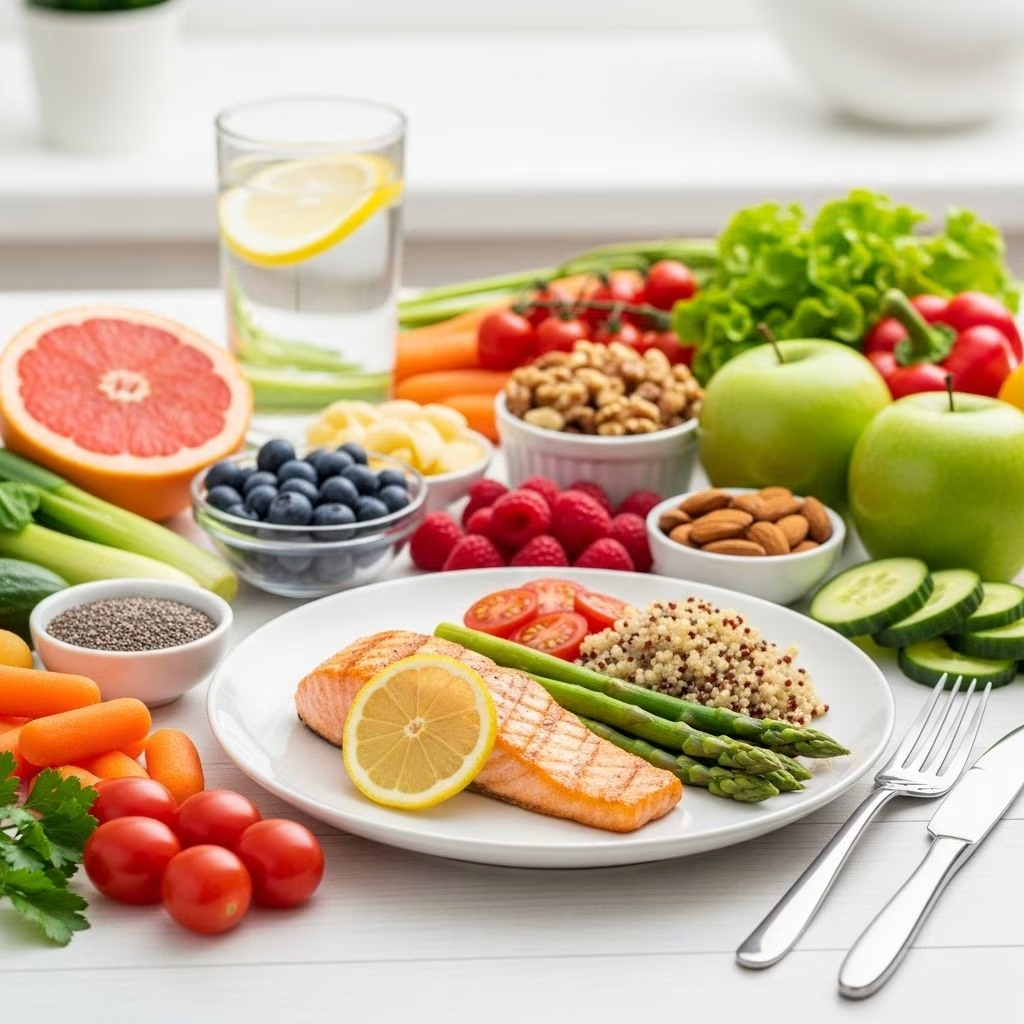
Week 1 Healthy Eating: Your Fresh Start
Embarking on a successful weight loss program starts with making smart choices in your kitchen and pantry. The first week sets the tone for lasting habits, so it’s crucial to purge unhealthy items, stock up on wholesome foods, and implement proven strategies that make healthy eating easier. This guide covers how to prepare for your journey, the science-backed foods that aid weight loss, simple meal ideas, and frequently asked questions.
Purge, Restock, and Reframe: The Foundation of Success
Every sustainable weight loss program begins with a fresh start. Begin by cleaning out your refrigerator, freezer, and pantry. Remove processed foods high in sugar, sodium, and unhealthy fats. Replace them with whole ingredients that nourish your body and keep you satisfied.
- Eliminate temptation: Donate or discard sugary snacks, deep-fried foods, soda, and processed treats.
- Stock up smartly: Fill your shelves with high-quality proteins, whole grains, fibrous vegetables, and healthy fats. These foods promote fullness and energize your metabolism.
- Plan ahead: Make a comprehensive grocery list each week, focusing on fresh, minimally processed foods.
Setting up an environment that supports healthy choices is proven to help you stay on track and minimize impulsive eating.
Healthy Eating Strategies: Smart Tips for Weight Loss
Weight loss success is not just about what you eat, but also how you eat. Consider these techniques to make your first week easier:
- Eat mindfully: Slow down, savor each bite, and pay attention to hunger cues.
- Balance your plate: Fill half your plate with vegetables, a quarter with lean protein, and a quarter with whole grains or starchy vegetables.
- Stay hydrated: Drinking water and choosing foods with high water content, like cucumbers and spinach, can help regulate appetite.
- Limit added sugars and processed carbs: Opt for naturally sweet options such as fruit instead.
- Prepare and pack meals in advance: Portion out snacks, prep lunches, and make dinner plans to minimize unhealthy choices.
Making small, consistent changes each day is more sustainable and leads to lasting results.
Foods That Support Weight Loss: What to Fill Your Pantry With
Certain foods are especially helpful for weight loss due to their effects on metabolism, satiety, and nutrient density. Here are top picks to include in your week 1 plan:
Lean Proteins
- Chicken, turkey, salmon, lean beef: Protein-rich foods help build muscle, boost metabolism, and keep you full.
- Eggs: Whole eggs provide both fat and protein, stabilizing energy and minimizing cravings.
- Beans, lentils, and chickpeas: Plant-based protein sources offer fiber and slow carbohydrate absorption, balancing blood sugar.
Whole Grains
- Quinoa, brown rice, buckwheat, amaranth: These grains are high in fiber and support fullness, making them ideal meal bases.
Fibrous and Nutrient-Dense Vegetables
- Kale: Rich in vitamins, minerals, and antioxidants. Contains manganese, which plays a key role in metabolism.
- Spinach: High in folate, water, and fiber.
- Cucumber: Low in calories, high in water and antioxidants such as quercetin. The seeds help maintain digestive health.
- Sweet potatoes and yams: These root vegetables offer fiber, vitamin C, and beta-carotene, enhancing satiety.
- Mushrooms: Varieties like shiitake and oyster have antioxidant and anti-inflammatory properties that may boost metabolism.
Healthy Fats
- Coconut oil: Contains medium-chain triglycerides (MCTs), which may increase metabolic rate.
- Dark chocolate: Includes antioxidants and satiating fats that help control cravings.
Flavorful Additions that Enhance Weight Loss
- Ginger: Relaxes the intestinal tract, lowers inflammation, improves digestion, and may aid fat loss.
- Turmeric: Contains curcumin, which has anti-inflammatory properties and aids against insulin resistance.
- Cayenne pepper: Capsaicin temporarily increases metabolism and promotes fat burning.
Low-Sugar Fruits
- Grapefruit: High fiber and a potential positive effect on insulin levels make grapefruit a strong weight-loss ally.
Metabolism-Boosting Beverages
- Coffee & Tea: Caffeine can stimulate thermogenesis and enhance energy expenditure, supporting fat burning. Limit to 400 mg caffeine per day.
Sample Meal Ideas for a Fresh Start
Combining the right foods makes it easier to achieve fullness, support metabolism, and enjoy delicious meals. Here are easy suggestions for breakfast, lunch, dinner, and snacks:
Breakfast
- Greek yogurt parfait with flaxseeds, sliced berries, and a drizzle of honey.
- Scrambled eggs with spinach, mushrooms, and cherry tomatoes.
- Quinoa porridge topped with chia seeds and a slice of grapefruit.
Lunch
- Grilled salmon salad over kale and cucumber, dressed with olive oil and lemon.
- Lentil and chickpea stew with carrots, sweet potatoes, and turmeric spiced broth.
- Chicken breast wrap in a whole grain tortilla with hummus and mixed greens.
Dinner
- Roasted lean beef with quinoa pilaf and steamed broccoli.
- Baked sweet potato stuffed with black beans, spinach, and salsa.
- Turmeric ginger chicken stir fry with brown rice.
Smart Snack Options
- Sliced cucumber with hummus.
- Roasted chickpeas or lentils sprinkled with cayenne pepper.
- Dark chocolate square and a handful of walnuts.
Frequently Asked Questions (FAQs)
Q: Why is fiber important for weight loss?
A: Fiber helps increase satiety, slows digestion, and supports healthy gut microbiota. It makes you feel full longer and helps regulate hunger hormones.
Q: Should I avoid all fats while trying to lose weight?
A: No. Healthy fats from foods like nuts, seeds, coconut oil, and avocado aid absorption of fat-soluble vitamins and help you feel satisfied, reducing overeating.
Q: How does protein help with weight management?
A: Protein supports muscle growth, has a higher thermic effect than carbohydrates and fats, and provides lasting fullness to curb frequent snacking.
Q: Can I eat chocolate and still lose weight?
A: Yes. Eating small amounts of dark chocolate can satisfy cravings and provide antioxidants. Moderation is key; focus on quality over quantity.
Q: What are practical ways to stay consistent with healthy eating?
A: Plan meals in advance, keep healthy snacks accessible, practice mindful eating, and set small, achievable goals for steady progress.
SEO Table: Metabolism-Boosting Foods at a Glance
| Food | Main Benefit | Why It Supports Weight Loss |
|---|---|---|
| Quinoa | Protein, Fiber | Combats hunger and stabilizes energy |
| Lean Chicken | High-Quality Protein | Promotes muscle growth and fat burning |
| Salmon | Omega-3, Protein | Reduces inflammation, boosts metabolism |
| Spinach | Folate, Fiber | Low-calorie fullness, high nutrients |
| Cucumber | Water, Antioxidants | Promotes hydration, low calorie |
| Cayenne Pepper | Capsaicin | Promotes thermogenesis (fat burning) |
| Sweet Potatoes | Beta-Carotene, Fiber | Supports fullness and nutrient intake |
| Grapefruit | Fiber | Improves satiety and insulin sensitivity |
| Coffee | Caffeine | Boosts metabolism, increases energy |
| Eggs | Protein, Healthy Fats | Keeps you full, supports muscle |
| Beans and Lentils | Plant Protein, Fiber | Supports satiety, stabilizes blood sugar |
Key Takeaways for Your First Week
- Removing processed, sugary, and unhealthy foods is essential for resetting your eating habits.
- Eating a variety of lean proteins, whole grains, fibrous vegetables, and healthy fats boosts satiety and metabolism.
- Mindful eating, hydration, meal planning, and smart snacking help you stay consistent and focused.
- Small, daily changes lead to significant long-term success; focus on progress, not perfection.
Starting your weight loss journey with a well-stocked kitchen, practical strategies, and foods scientifically proven to aid fat loss ensures you’re building a foundation for sustainable change. As you continue, keep learning, experimenting with new healthy recipes, and celebrating every positive step toward your goal.
References
- https://www.prevention.com/weight-loss/g24805401/fat-burning-foods/
- https://www.prevention.com/food-nutrition/healthy-eating/a65919516/foods-to-boost-metabolism/
- https://www.prevention.com/weight-loss/a20452777/weight-loss-program-healthy-foods/
- https://www.prevention.com/weight-loss/
- https://www.prevention.com/weight-loss/diets/a63174975/best-diets-for-weight-loss-2025/
- https://www.prevention.com/weight-loss/diets/a60578947/how-to-lose-weight-fast-safely/
- https://www.prevention.com/weight-loss/diets/
- https://www.prevention.com/weight-loss/a20465042/lose-weight-over-40/
- https://www.prevention.com/weight-loss/g20458643/the-perfect-day-of-eating/
- https://www.prevention.com/weight-loss/a30188568/lose-weight-without-exercise-0/


