


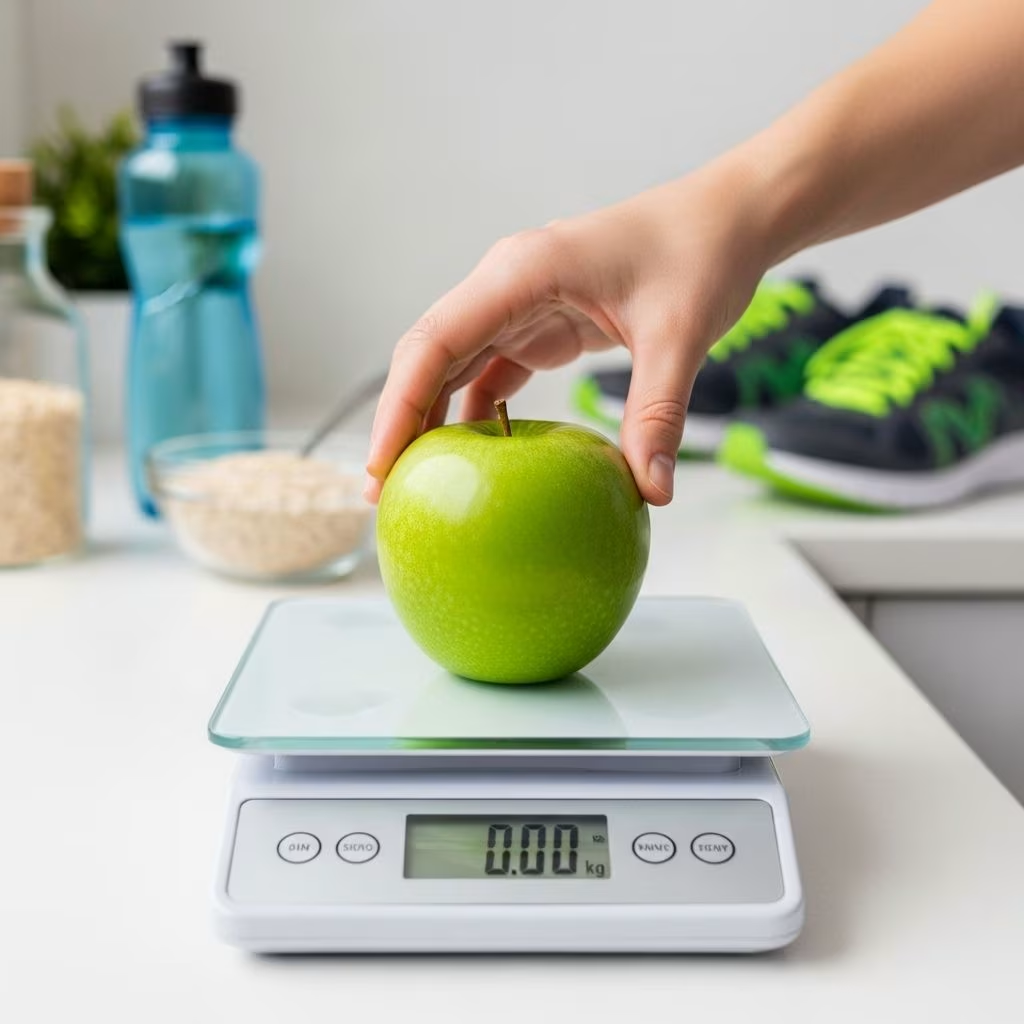
11 Realistic Habits for Lasting Weight Loss Success
Forget crash diets and impossible workouts—the key to sustainable weight loss lies in adopting practical habits that support a healthy lifestyle for the long term. Backed by nutritionists and health experts, these strategies are designed to help you achieve your goals, feel more energetic, and keep the weight off—without feeling deprived or overwhelmed.
Why Realistic Habits Matter More Than Diet Trends
Weight loss that lasts is not about temporary programs or extreme restrictions. The most successful people lose weight by building healthy routines around balanced eating, regular movement, and self-care . Small, consistent changes beat quick fixes every time.
1. Eat Regular Meals to Keep Your Metabolism Balanced
Skimping on meals might seem like a shortcut to shedding pounds, but it backfires by slowing your metabolism and priming your body to store fat .
- Maintain a pattern. Eating at regular intervals helps manage hunger and energy.
- Avoid extreme hunger. Skipping meals can cause overeating later.
- Support steady hormones. Regular meals reduce stress hormones like cortisol, which are linked to weight gain.
2. Fill Half Your Plate with Vegetables
Non-starchy vegetables are nutrient-rich and naturally low in calories. Centering your meals around them boosts fullness without added calories .
- Vegetables add volume, helping to control portions of higher-calorie foods.
- Fiber supports digestion and improves feelings of satisfaction.
- Variety matters—choose colorful veggies daily.
3. Strength Train for a Metabolic Advantage
Building muscle does more than tone—you’ll burn more calories even when at rest. Experts recommend strength training at least twice a week .
- Muscle tissue boosts metabolic rate.
- Weight training helps reshape your body composition, replacing fat with lean muscle.
- Focus on multi-joint movements (like squats or push-ups) for optimal results.
4. Don’t Skip Breakfast Unless You Truly Don’t Want It
Contrary to some dieting trends, breakfast can set a positive tone and prevent overeating later.
If you don’t enjoy breakfast, there’s no need to force it. But if you do, choose options that include protein to keep you satisfied and energized .
- Choose Greek yogurt with fruit, eggs with veggies, or oatmeal with nuts.
- Try to avoid sugary pastries and opt for whole, unprocessed foods instead.
5. Ditch Sugary Drinks (and Limit Diet Ones Too)
Liquid calories accumulate fast and don’t provide the fullness of whole foods. Sodas, flavored coffees, energy drinks, and even fruit juices often pack more sugar than a dessert .
- Swap for water, unsweetened teas, or sparkling water with lemon.
- Be wary of diet sodas too: some research links them with increased appetite and cravings .
- Try adding cucumber, mint, or berries to your water for flavor without calories.
6. Find Enjoyable Ways to Be Active Every Day
Regular movement helps manage weight and boosts mood—but strenuous workouts aren’t required. The key is consistency and enjoyment .
- Aim for at least 150 minutes per week of moderate activity (like brisk walking or cycling).
- Break activity into short sessions throughout your day.
- Don’t underestimate small daily movements—walking, cleaning, gardening, or even standing up more often increases your total calorie burn (thanks to N.E.A.T, or non-exercise activity thermogenesis) .
7. Practice Mindful and Focused Eating
Eating while distracted leads to overeating and less enjoyment of food. Mindful eating means savoring each bite and paying attention to hunger cues .
- Turn off screens during meals.
- Chew slowly and notice textures, flavors, and how full you feel.
- Mindful eating helps you naturally eat less and feel more satisfied.
8. Prioritize Getting Enough Sleep
Sleep impacts weight more than most realize. Less than 7 hours per night disrupts hormone balance, slows metabolism, and triggers cravings for sugary or fatty foods .
- Establish a consistent sleep routine (go to bed and wake up at the same time).
- Keep electronics out of the bedroom to avoid blue light exposure.
- Lack of sleep also increases cortisol, a stress hormone linked with stubborn weight gain.
9. Keep a Food Log for Accountability
Tracking what you eat increases awareness and responsibility. People who log their food intake are more likely to reach—and maintain—their goals .
- Use a physical journal or a smartphone app (like MyFitnessPal).
- Not just calories—record hunger and mood to spot patterns.
- Reviewing your log can highlight mindless eating and drive positive change.
10. Don’t Skip Meals (and Why Consistency Wins)
Occasionally skipping a meal seems harmless, but it often results in later overeating and energy crashes .
- Eating consistently keeps your metabolism steady and cravings in check.
- Meal skipping raises cortisol, further encouraging your body to store fat.
- Instead, keep healthy snacks on hand if you’re busy, such as nuts, fruit, or yogurt.
11. Choose Healthy Fats Over Processed Ones
Healthy fats satisfy hunger and keep your body running smoothly. Avocados, olive oil, nuts, seeds, and fatty fish are your go-to sources .
- Replace processed, hydrogenated fats (like in fried foods or packaged snacks) with whole, natural fats.
- Omega-3 fatty acids in fish (salmon, sardines) support metabolism and heart health.
- Don’t fear fats—they’re necessary for nutrient absorption and long-term fullness.
How Ultra-Processed Foods Hold You Back
Not all calories are created equal. Research shows that a diet focusing on whole, minimally processed foods (like fresh vegetables, whole grains, lean proteins) leads to greater fat loss compared to diets high in ultra-processed foods, even when calories are matched .
- Ultra-processed foods often disrupt appetite regulation and gut health.
- Whole foods support sustainable weight loss by encouraging fat loss, not muscle loss.
- Your body is naturally satisfied with the textures, fiber, and nutrients from unprocessed foods.
Adopt a “Lifestyle, Not Diet” Mindset
Quick-fix diets may help you lose weight initially, but they aren’t sustainable and often lead to rebound weight gain . Instead, focus on making your new habits second nature:
- Don’t overhaul everything overnight—change one habit at a time.
- View setbacks as learning opportunities, not failures.
- Celebrate non-scale victories (more energy, better sleep, improved confidence).
Table: Sustainable Habits vs. Quick-Fix Diets
| Long-Term Habits | Quick-Fix Diets |
|---|---|
| Emphasize whole foods and regular meals | Severely restrict calories or eliminate food groups |
| Allow flexibility and lead to lasting change | Require unsustainable discipline, often leading to yo-yo dieting |
| Boost energy, mood, and overall health | Can cause energy dips, irritability, and loss of muscle |
| Encourage body appreciation and self-care | Fuel guilt, obsession, or negative self-image |
Frequently Asked Questions (FAQs)
Q: Will I lose weight faster if I skip meals?
A: Skipping meals usually results in greater hunger later, making you more likely to overeat and less likely to make nutritious choices. Eating regular, balanced meals keeps metabolism and mood steady.
Q: Can I lose weight without eliminating carbs or fat?
A: Yes. Carbohydrates and fats both provide important nutrients and energy. Focus on whole grains, beans, fruits, healthy fats, and portion control instead of strict exclusions.
Q: Do I have to join a gym to lose weight?
A: No. Simple activities like walking, cycling, gardening, or using household items for resistance can all help you reach your goals. Consistency is more important than intensity.
Q: What should I do if the number on the scale isn’t changing?
A: Progress can appear in many ways: feeling more energetic, sleeping better, or needing smaller clothing sizes. Your body may also be building muscle while losing fat—especially with strength training. Look at overall lifestyle benefits, not just weight.
Q: How long will it take to see results?
A: Sustainable weight loss averages 1–2 pounds per week. Consistency with healthy habits yields the best results over months—not days or weeks.
Takeaways: Let Habits Shape Your Health
No matter your starting point, focusing on consistency and progress, not perfection, puts you on a path to lasting weight management. Over time, these habits become second nature, supporting not just a healthier body, but also more energy, confidence, and joy in life.
References
- https://www.prevention.com/weight-loss/diets/a60578947/how-to-lose-weight-fast-safely/
- https://www.prevention.com/weight-loss/a36065492/rethinking-body-weight/
- https://www.prevention.com/weight-loss/a30188568/lose-weight-without-exercise-0/
- https://www.prevention.com/food-nutrition/healthy-eating/a65664887/ultra-processed-foods-weight-loss-gut-health-study/
- https://www.prevention.com/weight-loss/
- https://www.prevention.com/weight-loss/a20510994/how-this-busy-mom-of-4-lost-92-pounds/
- https://www.prevention.com/weight-loss-success-stories/
- https://www.prevention.com
- https://www.prevention.com/weight-loss/diets/a20718413/apple-cider-vinegar-for-weight-loss/
- https://www.prevention.com/weight-loss/g20482528/this-is-your-perfect-day-for-weight-loss/


