


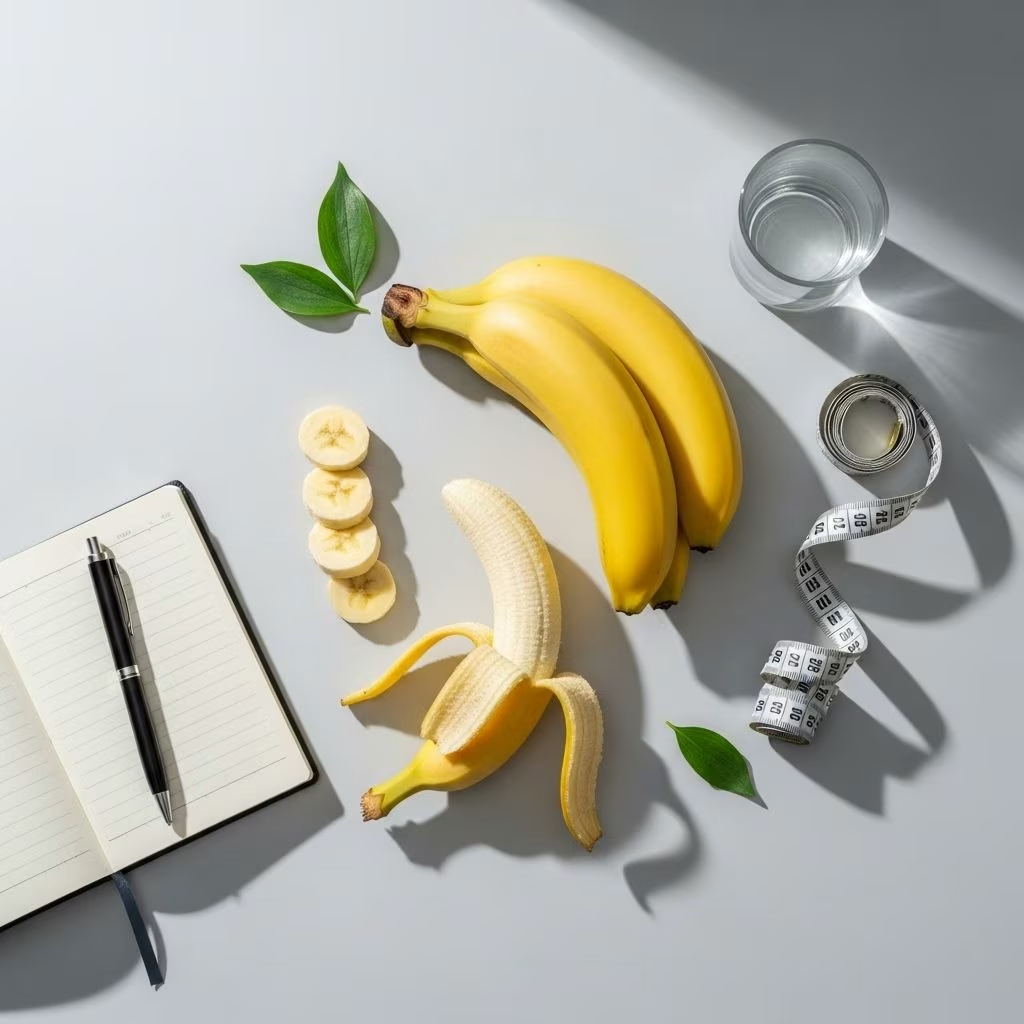
Bananas are one of the world’s most popular fruits, offering natural sweetness, impressive nutritional value, and versatility for all kinds of diets. But when conversations turn to weight loss, bananas sometimes get a bad rap—usually due to their carbohydrate and natural sugar content. So what’s the truth behind bananas and weight loss? Let’s explore the scientific evidence, health benefits, expert insights, and practical strategies to help you decide if bananas deserve a spot in your healthful eating plan.
Bananas and Weight Loss: Overview
Eating bananas does not inherently cause weight gain or sabotage weight loss—in fact, including bananas in a balanced diet may provide benefits for appetite control, digestive health, and energy. The key lies in understanding banana nutrition, how your body digests the fruit, and how to enjoy bananas as part of your overall dietary pattern.
- Bananas are low in calories compared to many other snack foods.
- They supply dietary fiber that helps keep you feeling full.
- Bananas offer resistant starch (especially when less ripe), which may support healthy blood sugar levels and satiety.
- Some myths persist about bananas causing weight gain due to their sugar content, but the full story is nuanced and science-backed.
Banana Nutrition: What’s Inside?
Bananas are a nutritional powerhouse, packed with vitamins, minerals, fiber, and beneficial plant compounds with few calories and minimal fat. The nutritional content can vary slightly depending on ripeness and banana size. Here’s an approximate breakdown of one medium banana (about 118 grams):
| Nutrient | Amount | % Daily Value |
|---|---|---|
| Calories | 105–113 | 5% |
| Protein | 1.0–1.3 g | 3% |
| Carbohydrates | 27–29 g | 10% |
| Dietary Fiber | 3.1–3.3 g | 11–12% |
| Sugars | 14–18 g | – |
| Total Fat | 0.3–0.4 g | 1% |
| Potassium | 375–450 mg | 9–13% |
| Vitamin B6 | 0.4–0.5 mg | 20–27% |
| Vitamin C | 10–14 mg | 11–18% |
| Magnesium | 32 mg | 8% |
| Manganese | 0.3 mg | 14% |
Bananas are virtually fat-free, low in protein, and rich in carbohydrates—most of which are natural sugars and fiber. This combination makes them a satiating, nutrient-dense snack or meal addition. In addition to their macro- and micronutrient content, bananas are an abundant source of antioxidants such as dopamine and catechins, which support overall health and cellular function.
The Science Behind Bananas and Weight Loss
Fiber Content: Satiety and Digestion
Dietary fiber is strongly linked to appetite control and healthy weight management. Bananas contain about 3 grams per medium fruit—enough to contribute significantly to daily fiber goals.
- Fiber slows digestion, promoting a steady release of energy and prolonging feelings of fullness after eating.
- Fiber-rich diets are associated with lower risk of chronic disease, improved gut health, and healthy body weight over time.
- According to studies, even modest increases in daily fiber intake can support weight loss in overweight and obese individuals, partially by reducing overall calorie intake.
Calories: Modest and Manageable
Despite their natural sugar content, bananas are not calorie-dense. One medium banana contains just over 100 calories—substantially less than most processed snacks, trail bars, or desserts. When used to replace high-calorie foods, bananas can readily fit into a calorie-controlled diet for weight management.
Resistant Starch: The Power of Green Bananas
Banana carbohydrates shift as the fruit ripens:
- Unripe (green) bananas: Higher in resistant starch, which is a type of carbohydrate that resists digestion and functions like soluble fiber in the gut.
- Ripe bananas: More of the resistant starch is converted to natural sugars (glucose, fructose, sucrose), resulting in a sweeter flavor but less direct impact from resistant starch.
Why is resistant starch important for weight loss?
- It slows absorption of sugar, minimizing blood sugar spikes and crashes that can contribute to overeating.
- It promotes the growth of healthy gut bacteria, supporting digestive health and inflammation reduction.
- It may increase post-meal fat burning and improve insulin sensitivity, making it easier for your body to regulate energy usage.
Glycemic Index: Bananas and Blood Sugar Impact
Baked into the banana’s natural structure is a property called the glycemic index (GI), which describes how quickly a food raises blood sugar after eating. Bananas rate from low to medium on this scale, with less ripe bananas having a lower GI than fully ripened ones.
- Green bananas (lower GI): Slower digestion, gentler impact on blood sugar, ideal for people with insulin sensitivity concerns.
- Yellow/riper bananas (moderate GI): Faster absorption, still moderate in their impact compared to high-GI processed foods.
For most healthy individuals, bananas do not cause significant blood sugar spikes when consumed in normal portions. Pairing bananas with protein, fat, or fiber-rich foods (such as nut butter, yogurt, or oats) can further blunt any blood sugar response.
Addressing the Myths: Do Bananas Cause Weight Gain?
One of the most pervasive weight loss myths is that bananas are “fattening” due to their sugar content. Here are the facts:
- Compared to candy, soda, or pastries, bananas are far lower in both total sugars and calories.
- Their fiber content balances the effect of sugars by slowing their absorption.
- No studies directly link moderate banana consumption to weight gain; in fact, people who eat more fruits and vegetables generally have lower body weights over time.
- Weight gain results from overall calorie excess, not from eating bananas specifically.
Expert Insights: Are Bananas Good for a Weight-Loss Diet?
Registered dietitians and nutritionists commonly recommend bananas as a healthy, nutrient-rich fruit choice for people pursuing weight loss, with a few caveats:
- Eat bananas in appropriate portion sizes (usually one medium banana at a time) to stay mindful of overall calorie and carbohydrate intake.
- Pair bananas with protein and healthy fats to maximize satiety and stabilize blood sugar.
- Use bananas as a smart replacement for higher-calorie, nutrient-poor snacks or desserts.
- If you have diabetes or need to watch your carbohydrate intake, select less ripe bananas and pair them with fiber, protein, or fat sources.
Comparing Bananas to Other Fruits for Weight Loss
| Fruit | Calories (per medium fruit) | Dietary Fiber (g) | Natural Sugar (g) |
|---|---|---|---|
| Banana | 105 | 3.1 | 14–18 |
| Apple | 95 | 4.4 | 19 |
| Orange | 62 | 3.1 | 12 |
| Pear | 101 | 5.5 | 17 |
| Grapes (1 cup) | 104 | 1.4 | 23 |
Bananas are comparable in calories and fiber to other popular fruits. The key is variety—an array of colorful fruits supports weight management and diverse nutrition.
How to Eat Bananas for Weight Loss: Practical Tips
- Choose green or yellow bananas to benefit from resistant starch and modest sugar content.
- Stick to one medium banana per serving to manage calories and carbs.
- Pair bananas with protein (like Greek yogurt or nut butter) for a balanced snack that keeps you full.
- Use bananas in place of processed snacks or sweeteners in recipes.
- Avoid excessively ripe bananas if you’re watching your sugar intake, as they contain more natural sugars.
Delicious & Healthy Ways to Enjoy Bananas
- Banana slices on whole grain toast with a smear of almond or peanut butter.
- Blended into smoothies with spinach, flaxseed, and protein powder.
- Chopped into Greek yogurt with berries and raw walnuts.
- Frozen banana bites dipped in dark chocolate for a guilt-free dessert.
- Mushed into oatmeal or pancake batter as a natural sweetener.
Potential Side Effects and Considerations
- Bananas are generally safe for most people but may need portioning for people with diabetes or reduced carbohydrate tolerance.
- Some rare allergies to bananas exist, typically in people with latex allergies.
- Eating excessive quantities could contribute to calorie imbalance, as with any food.
Frequently Asked Questions About Bananas and Weight Loss
Q: Can I eat bananas every day when trying to lose weight?
A: Yes, enjoying a medium banana daily as part of a varied, calorie-controlled diet is generally considered healthy and may support your weight loss efforts by providing fiber, vitamins, and natural energy. Balance portion size and timing, especially if you’re closely tracking your carb intake.
Q: Are green bananas better than ripe bananas for weight loss?
A: Green bananas are higher in resistant starch, which can help you feel fuller for longer and supports healthy gut bacteria. Ripe bananas are sweeter and lower in resistant starch. Both can fit into a weight-management plan, but green bananas may offer extra appetite support.
Q: Do bananas cause belly fat?
A: No scientific evidence suggests bananas specifically cause belly fat. Weight gain results from eating more calories than your body needs consistently, not from eating bananas alone. When eaten in moderation, bananas support a healthy diet.
Q: How do bananas compare to other fruits for weight loss?
A: Bananas are similar in calories and fiber to many other fruits. The greatest health benefits come from variety—enjoying bananas along with apples, berries, oranges, and other fruits ensures a full spectrum of nutrients and weight-supporting compounds.
Q: Should I avoid bananas if I have diabetes or prediabetes?
A: People with diabetes don’t need to avoid bananas, but should be mindful of portion size and may consider choosing less ripe bananas and pairing them with protein or fat to reduce blood sugar spikes. It’s wise to check blood sugar responses individually.
Key Takeaways: Bananas as Part of a Healthy Weight Loss Strategy
- Bananas are a low-calorie, fiber-rich fruit offering sustainable energy and nutritional benefits.
- Eaten in moderation, bananas are unlikely to cause weight gain—and may help control appetite and cravings.
- Bananas are best enjoyed as part of an overall balanced, produce-rich dietary pattern.
- Portion control and balanced pairings (with proteins and fats) support weight management with bananas.
With the right knowledge and strategies, bananas can be a delicious and effective part of your weight loss journey. Their natural sweetness, fiber, and boost of nutrients make them a powerful ally for energy, satiety, and healthy eating.
References
- https://www.noom.com/blog/nutrition/banana-for-weight-loss/
- https://www.healthline.com/nutrition/bananas-and-weight
- https://www.signos.com/blog/bananas-weight-loss
- https://www.nutrisense.io/blog/bananas-and-weight-loss
- https://www.forhers.com/blog/banana-nutrition
- https://www.anfponline.org/docs/default-source/legacy-docs/wy/documents/october-newslettera1695e7539cb6942bde0ff00001872c1.pdf
- https://nutritionsource.hsph.harvard.edu/food-features/bananas/
- https://zoe.com/learn/bananas-and-weight-loss


