


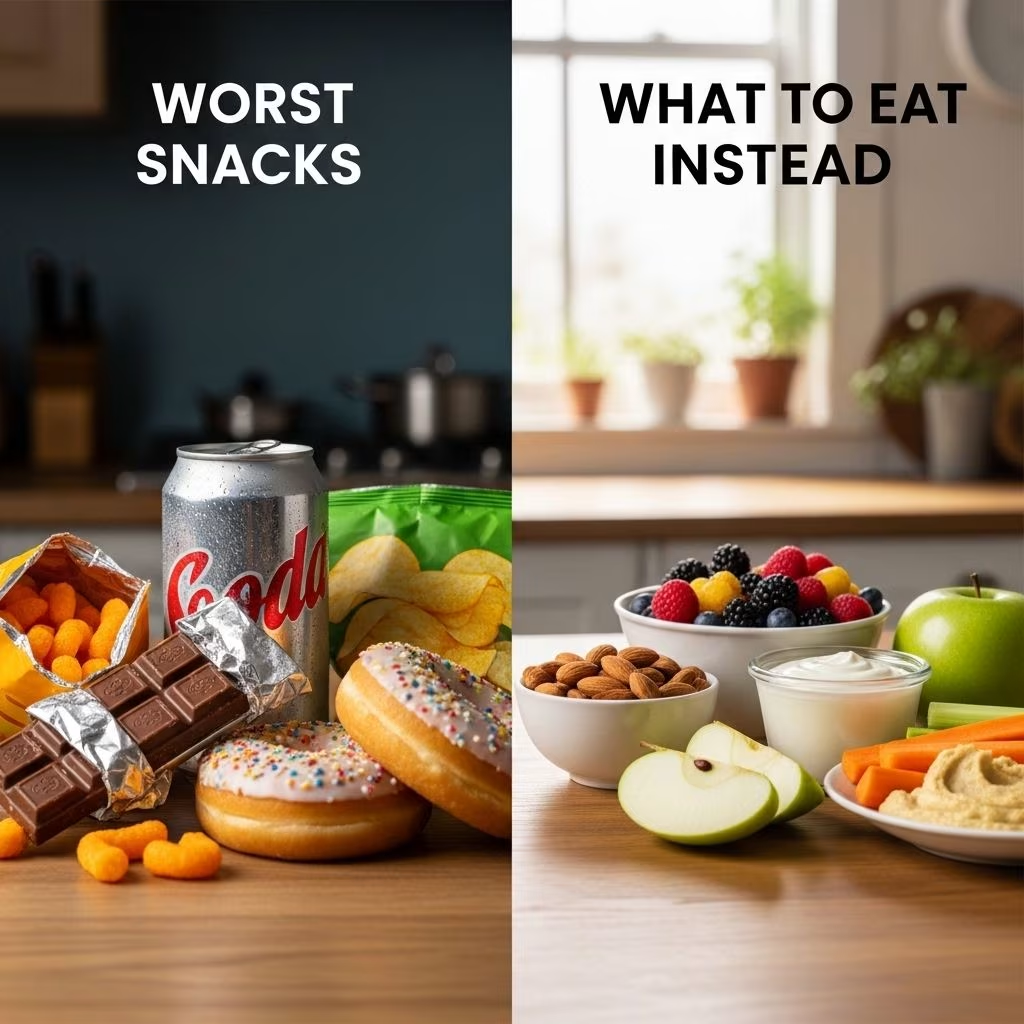
15 Worst Snacks for Weight Loss (And What to Eat Instead)
Snacking is a daily habit for most—whether it’s to curb afternoon hunger, fuel activity, or simply out of routine. But the wrong snacks can easily derail your weight loss journey. While some snacks seem harmless, many are loaded with hidden sugars, unhealthy fats, and empty calories. Even choices labeled ‘healthy’ can work against your goals if you don’t look closely. If you’re aiming for a leaner waistline, it’s vital to know what to avoid and which alternatives can nourish and satisfy without the guilt.
Why Snacking Smarts Matter
According to a University of North Carolina study, the average American consumes about 600 calories daily from snacks—almost a third of daily intake for many adults. Choosing the right snacks can help manage hunger, maintain energy, and deliver key nutrients. The wrong ones, however, are often dense in sugar or fat and lacking in protein or fiber, leading to spikes and crashes in blood sugar, sabotaging weight loss, and setting the stage for overeating.
The 15 Worst Snacks If You’re Trying to Lose Weight
Below, discover fifteen common snacks that can prevent you from reaching your weight goals, including why they’re problematic and what you should try instead.
1. Flavored Yogurt
Why it’s bad: Many fruit-flavored yogurts contain as much sugar as dessert, with little protein to balance it out. The sweet flavoring usually comes from syrup or added sugar, not actual fruit, resulting in empty calories that spike your blood sugar and leave you hungry soon after.
- Average calories per serving: 150–200, with up to 25g added sugar
Better choice: Plain Greek yogurt with real, fresh fruit slices. It’s higher in protein, lower in sugar, and lets you control the sweetness naturally.
2. Granola with Milk
Why it’s bad: Granola often masquerades as health food but is usually packed with sugar and fat, sometimes exceeding 360 calories per cup. It’s easy to over-serve, and the processed grains and sweeteners can undermine satiety.
- Portion pitfall: Advertising as “healthy” can make people eat more, according to research from France.
Better choice: A packet of instant oats. Oats offer slow-digesting fiber and higher protein for about half the calories, keeping you fuller longer.
3. 100-Calorie Cookie Packs
Why it’s bad: These snacks are marketed as diet-friendly, but research from Arizona State University finds that people tend to eat more of these ‘diet’ foods. Most cookies contain little nutritional value, and even small packages promote mindless munching without satiety.
- Downside: Mostly refined carbs and sugars, virtually no protein or fiber.
Better choice: Roasted pumpkin seeds. With good fats, protein, and only 94 calories in a one-third cup serving, they satisfy hunger and support muscle maintenance.
4. Flavored Rice Cakes
Why it’s bad: Rice cakes might seem like a light choice, but they’re essentially empty carbs with a high glycemic index that spikes blood sugar quickly before leaving you hungry. Versions with flavor coatings add sugar and sodium.
- Lacks: Protein, fiber, and fat for lasting fullness.
Better choice: Air-popped popcorn (about 1 cup), which brings fiber and can be topped with a pinch of sea salt or nutritional yeast for nutrition and flavor.
5. Trail Mix with Chocolate Pieces
Why it’s bad: Classic trail mixes are calorie bombs, loaded with added chocolate, sweetened dried fruits, and more nuts than most people need in a snack. One half-cup serving can top 300 calories and includes substantial sugar.
- Caution: Excessive sugar plus fat, and tiny portion sizes.
Better choice: A fruit-and-nut bar with whole ingredients and no added sugars lets you satisfy cravings without overdoing it.
6. Pretzels
Why it’s bad: Pretzels, though fat-free, are almost entirely refined white flour and salt, shooting your blood sugar up then swiftly crashing down. They lack the necessary nutrients for real satisfaction or satiety.
- Minimal nutrition: Nearly zero fiber or protein
Better choice: Roasted, salted pistachios. A serving packs protein, healthy fat, and fiber for more nourishing crunch.
7. Diet Soda
Why it’s bad: Artificially sweetened sodas not only offer zero nutrition, but studies suggest that sweet-tasting, calorie-free beverages may still boost cravings for real sugar or lead to overcompensation later in the day.
- Possible impact: Can disrupt appetite regulation and hydration balance
Better choice: Sparkling water with fruit slices for a refreshing fizz and subtle natural flavor. No sugars, no calories.
8. White Bagels with Cream Cheese
Why it’s bad: A white bagel with a typical serving of cream cheese can easily exceed 350 calories, with little fiber or protein—and loads of refined flour. The high glycemic load leads to hunger soon after.
- Energy crash: Starches digest quickly; the fat from cream cheese brings little lasting satiety.
Better choice: Whole grain English muffin with natural nut butter for lasting energy, fiber, and healthy fats.
9. Candy Bars
Why it’s bad: Candy bars (like Twix or Snickers) are pure sugar, processed fat, and empty calories—often 200–250 calories or more per bar, with little, if any, fiber or protein. These snacks cause sharp blood sugar swings that leave you craving more.
- Addictive combination: Sugar and fat trigger reward centers but offer little energy or satiety.
Better choice: Piece of dark chocolate (70% or higher) for a satisfying treat with antioxidants and less sugar.
10. Energy Bars with Added Sugar
Why it’s bad: Most conventional energy bars are glorified candy bars, loaded with sugar and processed oils, and rarely provide high enough protein or fiber to warrant their calorie hit.
- Sneaky sugars: Look for names like cane syrup, brown rice syrup, or honey near the top of the ingredient list.
Better choice: A homemade or minimally processed bar with whole nuts and natural sweeteners.
11. Packaged Cheese Crackers
Why it’s bad: While cheese offers protein and fat, cheese crackers mix refined flour, processed cheese, and sometimes added sugar. The result: a high-calorie, low-nutrient snack that’s easy to overeat without ever feeling satisfied.
- Problem: Simple carbs plus fat, not enough fiber/protein
Better choice: Slices of real cheese with whole grain crackers—portion-controlled, more fiber, and more real nutrients.
12. Protein Shakes with Added Sugar
Why it’s bad: Many bottled protein shakes or smoothie-shop concoctions are sweetened with syrups and juices, driving up sugar content. Even with protein, they can set off cravings or add excess calories without fullness.
- Overlooked sugars: Some shakes contain 20+ grams of added sugar.
Better choice: Homemade smoothie with fresh fruit, plain Greek yogurt, and a handful of spinach.
13. Processed Frozen Diet Meals
Why it’s bad: Though low in calories, frozen diet meals often contain excess sodium, preservatives, and minimal protein or fiber. Relying on processed entrees can leave you feeling hungry and makeyou crave real food.
- Nutrient gap: Usually lack whole grains, vegetables, or enough protein
Better choice: Freshly prepared leftovers with protein and vegetables, or homemade meal-prep bowls.
14. Fruit Juice or Juice Cocktail
Why it’s bad: While fruit juice may contain some vitamins, it is essentially concentrated sugar. The lack of fiber means it digests rapidly, spiking your blood sugar and failing to actually curb hunger.
- Surprising fact: One cup of juice equates to eating several pieces of fruit, but without the filling fiber.
Better choice: Whole fruit—fiber, nutrients, and lasting satisfaction with far fewer calories.
15. Store-bought Muffins
Why it’s bad: A single bakery or packaged muffin can contain over 400 calories, much of it from white flour, sugar, and oils. These sweet treats offer little nutrition, yet tons of calories and a ‘healthy’ image that can justify overeating.
- Tip: Many contain more sugar than a cupcake and almost no fiber.
Better choice: Homemade oat muffins with minimal added sugar and plenty of whole grains and fruit.
Quick Table: Unhealthy Snacks vs. Healthy Alternatives
| Instead of… | Try… |
|---|---|
| Flavored yogurt | Plain Greek yogurt + fruit |
| Granola & milk | Packet of instant oats |
| 100-calorie cookie packs | Pumpkin seeds |
| Flavored rice cakes | Air-popped popcorn |
| Trail mix with chocolate | Fruit-and-nut bar |
| Pretzels | Salted pistachios |
| Diet soda | Sparkling water with fruit |
| White bagel & cream cheese | Whole-grain muffin & nut butter |
| Candy bar | Square of dark chocolate |
| Sugary energy bar | Homemade whole-nut bar |
| Cheese crackers | Cheese & whole grain crackers |
| Bottled protein shake | DIY smoothie (yogurt + spinach + fruit) |
| Frozen diet meal | Homemade protein & veggie bowl |
| Fruit juice | Whole fruit |
| Store-bought muffin | Homemade oat muffin |
General Tips for Smarter Snacking
- Read labels for hidden sugars and fats, even in ‘healthy’ products.
- Portion control: Pre-portion snacks in advance to avoid overeating.
- Select whole foods: Choose options with minimal ingredients and little processing.
- Pair protein & fiber: Snacks with both will satisfy hunger and maintain energy.
- Watch for ‘health halos’: Don’t be fooled by buzzwords like ‘low-fat’ or ‘natural’—check nutritional quality.
Frequently Asked Questions (FAQ)
What makes a snack ‘bad’ for weight loss?
A snack is typically considered bad for weight loss if it is high in sugar, refined grains, or unhealthy fats, but low in protein and fiber. These factors combine to spike blood sugar, drive hunger soon after, and add unnecessary calories.
Is it better to snack or to avoid snacking entirely?
It depends on your eating habits and daily schedule. Snack wisely on whole, nutrient-rich foods if you need energy between meals, but avoid munching on processed or high-sugar items which can promote more frequent cravings.
How do I satisfy a sweet tooth while losing weight?
Choose whole fruits, dark chocolate, or yogurt with berries to enjoy sweetness while staying within calorie goals and managing hunger.
Can ‘diet’ foods like low-calorie packs or artificially sweetened drinks help weight loss?
Not always; studies show small packs may lead to overeating, and sugar-free sodas might drive cravings or eating compensations later. Whole, minimally processed foods are generally more effective for lasting weight control.
How important is portion size in snacking?
Portion size is crucial; even healthy snacks can undermine your goals if consumed mindlessly. Pre-portion servings or measure out snacks to avoid accidental overeating.
References
- https://www.eatthis.com/unhealthy-snacks/
- https://www.prevention.com/weight-loss/g20433340/15-worst-snacks-for-weight-loss/
- https://bigfrog104.com/15-worst-snacks-for-weight-loss/
- https://www.prevention.com/food-nutrition/healthy-eating/a63423411/foods-you-should-not-eat/
- https://www.prevention.com/weight-loss/a20436600/diet-foods-that-sabotage-weight-loss/
- https://www.prevention.com/weight-loss/g20494587/25-worst-diet-tips-ever/
- https://www.prevention.com/food-nutrition/g29490374/worst-diets/
- https://pmc.ncbi.nlm.nih.gov/articles/PMC7539343/
- https://www.prevention.com/weight-loss/g24805401/fat-burning-foods/


