


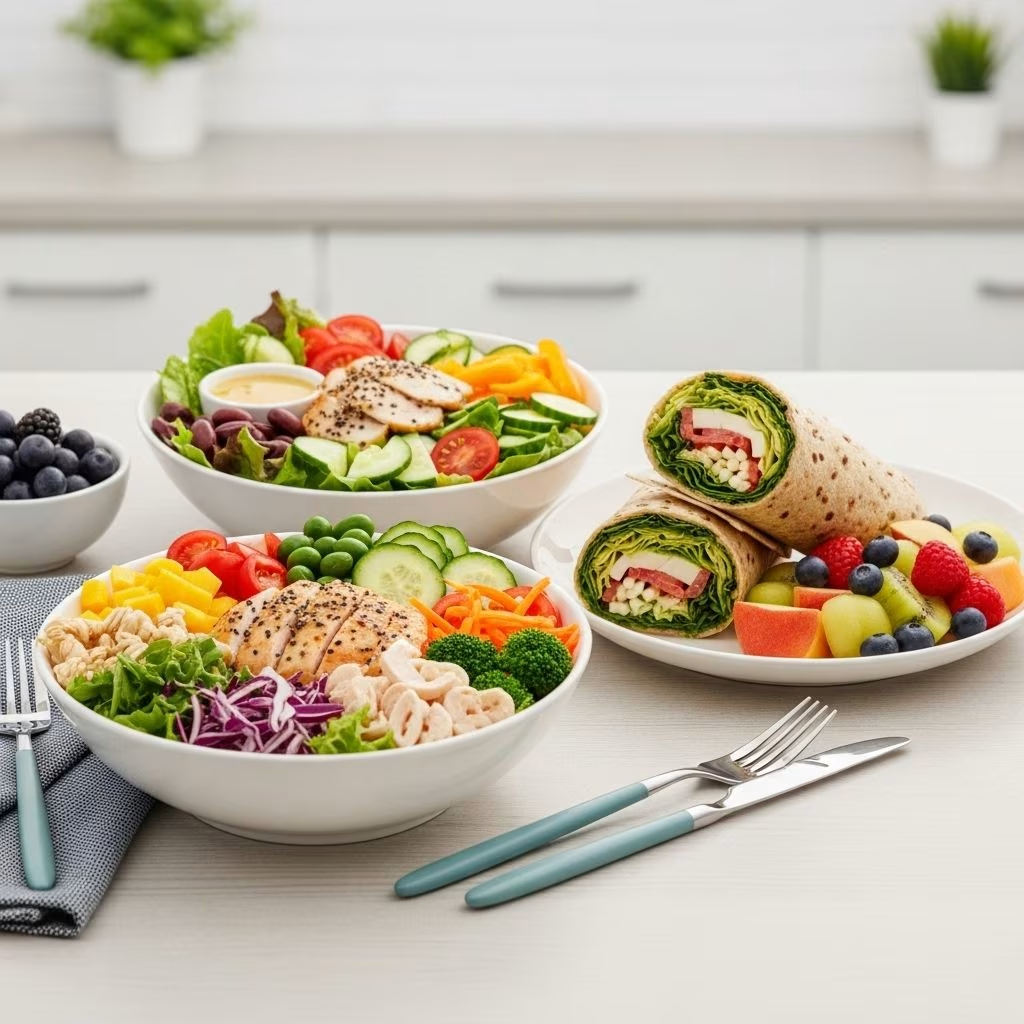
It might sound too good to be true, but you really can eat more food while losing weight—the key is to focus on quality, volume, and nutrition. Instead of restricting yourself to bland diets or skipping meals, nourish your body with filling, nutrient-rich foods that deliver satisfaction, energy, and sustained progress toward your goals. This guide explores actionable strategies, the science behind them, and expert answers to your most common weight loss questions.
Why Eating More Can Support Weight Loss
Traditional dieting tells us that in order to lose weight, we must simply eat less—often leading to hunger, cravings, and unsustainable habits. However, newer research and expert consensus highlight the importance of satiety, nutritional balance, and food quality in weight loss success. Eating more, when it means consuming the right type of foods in recommended amounts, can help you feel full, support your metabolism, keep your energy steady, and prevent binge eating or emotional overeating later in the day.
- Focusing on fiber, lean protein, and healthy fats can fill you up on fewer calories.
- Water- and volume-rich foods stretch your stomach, sending fullness signals to your brain.
- Smart meal timing and mindful eating habits help maintain consistent energy and appetite control.
1. Load Up on Fiber for Fullness and Satiety
Fiber is one of the most critical nutrients for those looking to lose weight while still eating satisfying meals. High-fiber foods require more chewing, giving your brain time to register when you’re full. They also help slow down digestion and stabilize blood sugar levels, which reduces cravings and keeps you satisfied for longer after eating.
- High-fiber foods include fruits, vegetables, legumes, whole grains, nuts, and seeds.
- Aim for at least 25 grams of fiber per day from a variety of sources for optimal appetite control.
- Fiber-rich meals promote gut health and may favorably alter your body’s hunger hormones.
2. Prioritize Water- and Volume-Rich Foods
Foods with high water content—such as cucumbers, salads, soups, and berries—naturally take up more space in your stomach for few calories. This means you can eat visually appealing, generous portions that keep you full and satisfied without exceeding your calorie needs.
- Vegetables: leafy greens, bell peppers, carrots, tomatoes.
- Fruits: oranges, berries, watermelon, apples.
- Soups and stews: broth-based options are filling with fewer calories than creamy alternatives.
Bonus: Water-rich foods help keep you hydrated and may reduce your impulse to snack between meals.
3. Build Every Meal Around Lean Protein
Lean protein is another powerful ally in the quest for weight loss with generous meals. It slows the digestion process, triggers hormones that signal fullness, and takes more energy to metabolize than carbs or fat, meaning you burn more calories just to process it.
- Include 20-30 grams of protein with every meal to maximize satiety.
- Great options: chicken breast, turkey, eggs, Greek yogurt, cottage cheese, fish, beans, tofu.
- Protein is especially important at breakfast to set the tone for reduced cravings and healthy choices all day.
4. Don’t Skimp on Healthy Fats
Despite popular belief, healthy fats are not your enemy. Instead, they’re critical for feeling satisfied, absorbing vital nutrients, and regulating hormones related to hunger and metabolism. Moderate fat intake helps prevent blood sugar spikes and subsequent crashes, which can lead to sudden hunger and poor food choices.
- Choose unsaturated fats from sources like olive oil, avocado, nuts, seeds, and fatty fish.
- Healthy fats should comprise 20-35% of daily calories according to dietary guidelines.
- Pairing fats with fiber- and protein-rich foods helps slow digestion and keeps you full for hours.
5. Make Portion Control Effortless
It is possible to eat larger volumes and still practice portion control. Strategic plate-building and smart dishware choices help your brain interpret your meal as both hearty and satisfying.
- Serve food on smaller plates and bowls to trick your brain into feeling satisfied with less.
- Visualize portions: a clenched fist for carbs, your palm for protein, and half your plate for vegetables.
- At restaurants, try splitting entrees, ordering a salad as a main, or boxing half your meal before you start eating.
6. Never Skip Meals—Especially Breakfast
Contrary to diet trends suggesting you skip breakfast or intermittent fast for long stretches, nutrition experts agree that sticking to regular meals keeps your appetite in check, your metabolism humming, and your mood balanced.
- Eat three balanced meals per day to control hunger and reduce the risk of overeating at night.
- Skipping meals often leads to “catch-up” calories later in the day, undermining weight loss goals.
- Start each day with protein and fiber to stabilize energy and promote healthier decisions as the day goes on.
7. Slow Down and Eat Mindfully
Mindful eating—focusing on the flavors, textures, and enjoyment of your food—can powerfully impact how much you consume and how satisfied you feel. Mindless eating, on the other hand, often leads to overconsumption.
- Take at least 20 minutes for each meal to allow fullness signals to reach your brain.
- Avoid distractions: put away screens, phones, and work while you eat.
- Listen for hunger and fullness cues, and stop eating when satisfied, not stuffed.
8. Watch Out for Liquid Calories
Many people unknowingly sabotage their weight loss with calorie-packed beverages, which provide little satiety or nutritional value. Sweetened drinks can easily add hundreds of calories a day, stalling your progress.
- Avoid sodas, sugary teas, fruit juices, sweetened coffees, and alcoholic cocktails as daily staples.
- Opt for water, sparkling water, herbal teas, or black coffee to stay hydrated and calorie-conscious.
- Keep track of drink calories just as you would food, as they add up quickly.
9. Balance Your Carbohydrates Wisely
You don’t need to cut out carbs to lose weight—focus instead on balance and quality. Whole, unprocessed carbs like quinoa, brown rice, and sweet potatoes provide valuable energy and nutrients when paired with protein and fat.
- Choose complex, high-fiber carbs to help manage appetite and support digestion.
- Aim for 45%-65% of your total calories from carbs—preferably from whole grains, legumes, and produce.
- Pile your plate with veggies and fiber-rich grains rather than refined or sugary options.
10. Maintain Consistency for Lasting Results
Ultimately, eating more to lose weight only works when you’re consistent with habits that build fullness, nourish your body, and support your goals for weeks and months—not just days. Making small, sustainable changes and respecting your body’s signals leads to weight loss that lasts.
Sample Day: A High-Volume, Satisfying Weight Loss Menu
| Meal | Foods | Why it Works |
|---|---|---|
| Breakfast | Greek yogurt with berries, chia seeds, and a sliced apple | High in protein and fiber for morning fullness |
| Lunch | Big salad (mixed greens, roasted chicken breast, chickpeas, colorful veggies, 1/4 avocado, vinaigrette) | Volume, fiber, and healthy fats create lasting satiety |
| Afternoon Snack | Carrot sticks and hummus, or a handful of nuts | Crunchy fiber and protein-rich snack staves off hunger |
| Dinner | Grilled salmon, brown rice, broccoli, and a mixed green side salad | Lean protein, whole grains, and lots of veggies support fullness and nutrition |
Frequently Asked Questions (FAQs)
Q: Can I really lose weight by eating more food?
Yes—as long as you’re eating higher-volume, nutrient-dense foods that are low in calories and high in fiber, protein, or water, you can eat more food by weight or volume and still create a calorie deficit for weight loss.
Q: What are the best foods to eat more of for weight loss?
Focus on non-starchy vegetables, fruits, legumes, lean protein sources (like poultry, fish, eggs, and tofu), whole grains, and healthy fats in moderation. These options help fill you up without overloading your calorie budget.
Q: How can I tell if I’m truly hungry or just bored?
Try the hunger scale: on a scale of 1 (starving) to 10 (stuffed), aim to eat when you’re at 3-4 (physical hunger) and stop at 6-7 (comfortably satisfied). Pausing to ask yourself what you need before eating can help distinguish true hunger from habit or emotion.
Q: Should I avoid all snacking?
Not necessarily. Planned, balanced snacks that combine protein and fiber (like fruit and nut butter, yogurt, or vegetable sticks with hummus) can help you stay energized and prevent overeating at your main meals.
Q: Is it okay to eat carbohydrates if I want to lose weight?
Yes, complex carbohydrates from whole grains, legumes, fruits, and vegetables are recommended. Balance them with protein and fats to support lasting satiety and steady energy.
Quick Recap: Top Tips to Eat More for Effective Weight Loss
- Center your meals on fiber-filled produce and lean proteins.
- Enjoy healthy fats in moderation to boost taste and satisfaction.
- Fill your plate with water- and volume-rich foods.
- Eat regular meals and snacks to prevent cravings and overeating.
- Use mindful eating techniques to reconnect with hunger and satisfaction.
- Watch out for hidden liquid calories and prioritize hydration.
Changing your eating habits doesn’t have to mean deprivation. By choosing foods that fill you up, fuel your body, and keep you happy, you’ll find it easier than ever to eat more and lose weight—while enjoying every meal along the way.
References
- https://www.prevention.com/weight-loss/a20478945/eat-more-and-lose-weight/
- https://www.prevention.com/weight-loss/a30188568/lose-weight-without-exercise-0/
- https://www.prevention.com/weight-loss/diets/a60578947/how-to-lose-weight-fast-safely/
- https://www.prevention.com/weight-loss/g24805401/fat-burning-foods/
- https://www.prevention.com/weight-loss/a20505318/lose-weight-by-eating-more-fat/
- https://www.prevention.com/weight-loss/g20487308/how-to-stop-losing-and-gaining-the-same-10-pounds/
- https://www.prevention.com/weight-loss/diets/g20440614/25-best-weight-loss-tips-ever/
- https://www.prevention.com/weight-loss/a20465042/lose-weight-over-40/
- https://www.prevention.com/weight-loss/g20511161/number-one-major-weight-loss-tip/


