


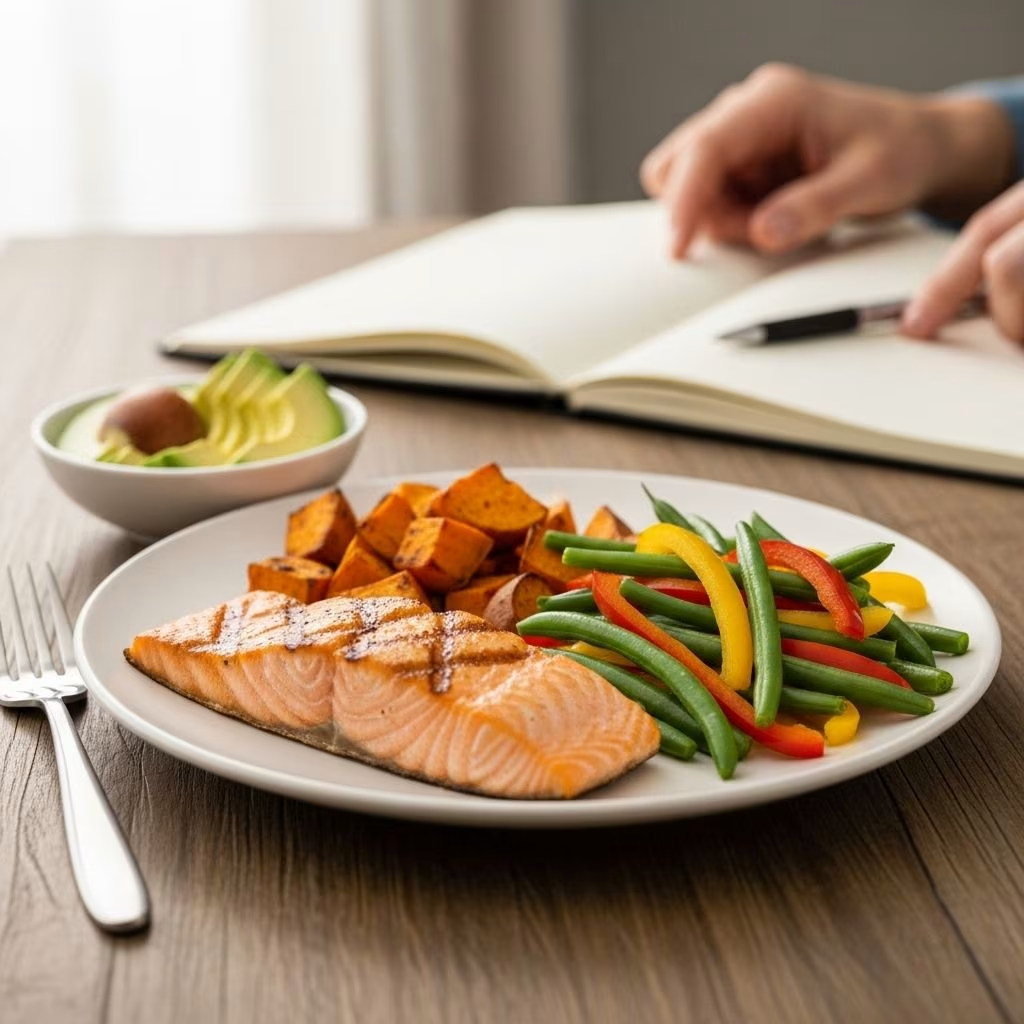
Whole30 is a popular elimination diet promising to reset your eating habits, improve your relationship with food, and boost energy and wellness. But even the most well-intentioned participants can fall into common traps that undermine their progress. This guide unpacks the top mistakes real people make on Whole30 and provides practical tips to help you stay on track and reap the full benefits of the program.
Understanding Whole30: Beyond the Basics
The Whole30 program challenges you to remove added sugar, grains, dairy, legumes, alcohol, and processed foods from your diet for 30 days. The aim isn’t just to eliminate foods but to transform your approach to eating, reconnect with your body’s signals, and identify which foods support or undermine your well-being.
While the rules are simple, the reality of implementing them often brings unforeseen challenges. Recognizing and planning for potential missteps can make all the difference.
Mistake #1: Not Having Compliant Snacks on Hand
Official Whole30 guidance emphasizes three balanced meals per day, discouraging mindless snacking. But for those accustomed to frequent eating—or with medical needs like hypoglycemia—suddenly skipping snacks can be a recipe for frustration and failure.
- Problem: Hunger peaks between meals, leading to temptation or desperate, off-plan choices, especially during afternoon energy slumps.
- Solution: Prep a small collection of Whole30-compliant snacks such as:
- Green apple slices with almond butter
- Nitrate-free turkey slices with lettuce and pickles rolled up like wraps
- Pre-cut vegetables with compliant guacamole or salsa
If you must snack, do so mindfully and choose filling options that support blood sugar and stick to the spirit of the plan.
Mistake #2: Not Planning Out Meals Ahead of Time
Whole30 can quickly feel overwhelming without a meal blueprint. Trying to improvise meals when you’re already hungry often results in stress, missed meals, or accidentally eating something non-compliant.
- Problem: Making last-minute food choices under pressure increases the risk of slip-ups and adds stress to mealtimes.
- Solution:
- Dedicate a set time weekly for meal prep and planning.
- Map out every meal for the coming week and make a visible list for quick reference.
- Shop for all ingredients before the week begins, prioritizing ease and Whole30-approved foods.
Not only does this create structure, it decreases decision fatigue and makes sticking to the plan easier.
Mistake #3: Trying to Re-create Favorite Junk Foods with Whole30 Ingredients
Missing pizza or pancakes? Many try to mimic old favorites using Whole30-compliant versions. However, the program prohibits “recreations” (like banana pancakes or cauliflower pizza crust) because these can trigger old habits and emotional eating patterns.
- Problem: Baking or mixing up compliant ingredients to make “treats” can keep you stuck in your cravings and stunt food relationship progress.
- Solution: Let go of the pursuit for Whole30-ified comfort foods and focus on discovering new, nourishing recipes that highlight whole foods and fresh flavors rather than nostalgia-driven imitations.
Mistake #4: Eating Too Much of Even “Good” Foods
Just because bacon or almond butter is allowed doesn’t mean unlimited quantities are encouraged. Whole30 is about mindful eating; treating compliant foods as if they’re “free” can hinder your progress and mask food issues.
- Problem: Relying heavily on compliant treats to soothe boredom or stress can replace old, unhelpful habits with new ones.
- Solution:
- Stay aware of portion sizes as a means of paying attention to physical hunger and satiety signals.
- Ask yourself before eating: “Am I truly hungry, or is this emotional or habitual eating?”
- Limit potentially triggering foods like almond butter or bacon, using them as condiments or protein accents rather than meal centerpieces.
The goal is food freedom, not simply swapping one crutch for another.
Mistake #5: Not Double-Checking Labels
Even experienced Whole30-ers can be caught off guard by hidden sugars, alcohol, or additives in packaged foods. Vanilla extract, deli meats, and sauces often contain off-limits ingredients that are easily missed.
- Problem: Unintentional consumption of non-compliant ingredients due to hidden alcohols, sweeteners, sulfites, or other additives on labels.
- Solution:
- Scrutinize every ingredient on store-bought foods, even those you assume are safe.
- Avoid shortcuts; when in doubt, choose fresh, whole ingredients over processed options.
- Be especially vigilant with bottled sauces, spice blends, salad dressings, meats, and flavorings.
Creating a habit of reading every label helps prevent mistakes and builds your awareness of what’s really in your food.
Mistake #6: Underestimating the Importance of Healthy Fats
Many participants raised in the “low-fat” era or familiar with strict macro-counting fear eating enough fat. However, healthy fats are crucial for satiety, nutrient absorption, energy, and satisfying meals. Insufficient fat can lead to constant hunger, low energy, irritability, and ultimately make Whole30 unsustainable.
- Problem: Consuming too little fat can lead to persistent hunger, fatigue, and mood swings.
- Solution:
- Add half an avocado to meals
- Use ghee or avocado oil for cooking and dressings
- Snack on chopped nuts or add them to salads
- Experiment with coconut milk, tallow, lard, and avocado oil mayo
Personalize your fat intake according to your body’s signals and activity levels. Embrace healthy fats as allies in your Whole30 success.
Mistake #7: Skipping or Rushing Through Reintroduction
The reintroduction phase, after the 30 days are complete, is where the real learning happens. Skipping it, or rushing through, denies you the insights the elimination period was designed to provide.
- Problem: Diving right back into your pre-Whole30 eating without structured reintroduction erases progress and clouds your ability to identify food sensitivities or triggers.
- Solution:
- Follow a structured reintroduction schedule, adding back one food group at a time (e.g., dairy, then grains, then legumes), spaced several days apart.
- Track physical and mood reactions in a journal for each group as you reintroduce it.
- Avoid preconceived notions; stay objective about your body’s responses.
This careful process helps cement your food insights and guides sustainable long-term eating habits.
Whole30 Mistakes At a Glance
| Mistake | Why It Happens | Simple Fix |
|---|---|---|
| Not having compliant snacks | Old habits, hunger spikes, medical needs | Prep easy, filling snacks like apple with almond butter or deli turkey wraps |
| Lack of meal planning | Underestimating logistical demands | Weekly meal prep with visible schedule |
| Recreating junk foods | Cravings, nostalgia, recipe hacks | Choose new dishes instead of compliant treats |
| Over-consuming compliant foods | Boredom, habit, emotional eating | Eat mindfully; watch portions |
| Forgetting to check labels | Assumptions, complex ingredient lists | Scrutinize all labels; choose whole foods |
| Not eating enough fat | Fear of fat, old diet beliefs | Add healthy fats like avocado, nuts, coconut milk |
| Skipping reintroduction | Impatience, lack of planning | Reintroduce food groups slowly and journal reactions |
Expert Tips for Whole30 Success
- Accept the learning curve. Slips can happen – recognize and learn from them.
- Share your plan. Communicate your goals and guidelines with family or roommates to build support.
- Stock your kitchen. Keep it full of compliant foods to avoid “emergency” temptations.
- Extend grace to yourself. Progress, not perfection, is the true goal.
- Document your journey. Journaling meals, symptoms, and mood changes creates a valuable personal reference for future dietary decisions.
- Get creative. Seek out new recipes and try unfamiliar veggies or proteins to keep meals interesting.
Frequently Asked Questions (FAQ)
What are compliant snacks on Whole30?
Compliant snacks include vegetables, fresh fruit, nitrate-free deli meats, hard-boiled eggs, and nuts. Opt for simple combinations like apple with almond butter or turkey lettuce wraps to keep hunger at bay between meals.
Do I have to give up snacking entirely?
Whole30 encourages limiting snacks to break emotional or mindless eating patterns, but if you need to snack due to blood sugar or genuine hunger, choose nutrient-dense, compliant foods and eat mindfully.
How do I avoid accidentally eating non-compliant foods?
Read every label, even for products you’re familiar with. Watch for hidden sugars, alcohol, sulfites, and soy. When uncertain, cook from scratch with whole ingredients for peace of mind.
Can I lose weight on Whole30?
Weight loss is a common side effect but not the primary goal; the focus is on resetting eating habits and building a healthier relationship with food. Resist the urge to monitor your weight or count calories during the 30 days.
What’s the best way to structure the reintroduction phase?
After 30 days, slowly reintroduce one eliminated food group at a time, spacing each introduction by several days and carefully monitoring your body’s response before moving on to the next.
Final Thoughts
Completing a successful Whole30 is about preparation, self-awareness, and adaptability. Anticipating and addressing these common mistakes can transform your Whole30 from a struggle to a learning experience that jumpstarts a lifelong, healthy relationship with food.
References
- https://www.prevention.com/weight-loss/a20435786/whole30-diet-mistakes/
- https://www.wholekitchensink.com/common-whole30-mistakes/
- https://whole30.com/article/dont-make-these-4-reintroduction-mistakes/
- https://whole30.com/article/dear-melissa-busting-6-common-whole30-misconceptions/
- http://www.laurascholz.com/blog/whole30-ish-the-good-the-bad-and-the-ugly
- https://realsimplegood.com/whole30-reintroduction/
- https://heyitsjulay.com/everything-i-did-right-and-wrong-on-whole30/


