


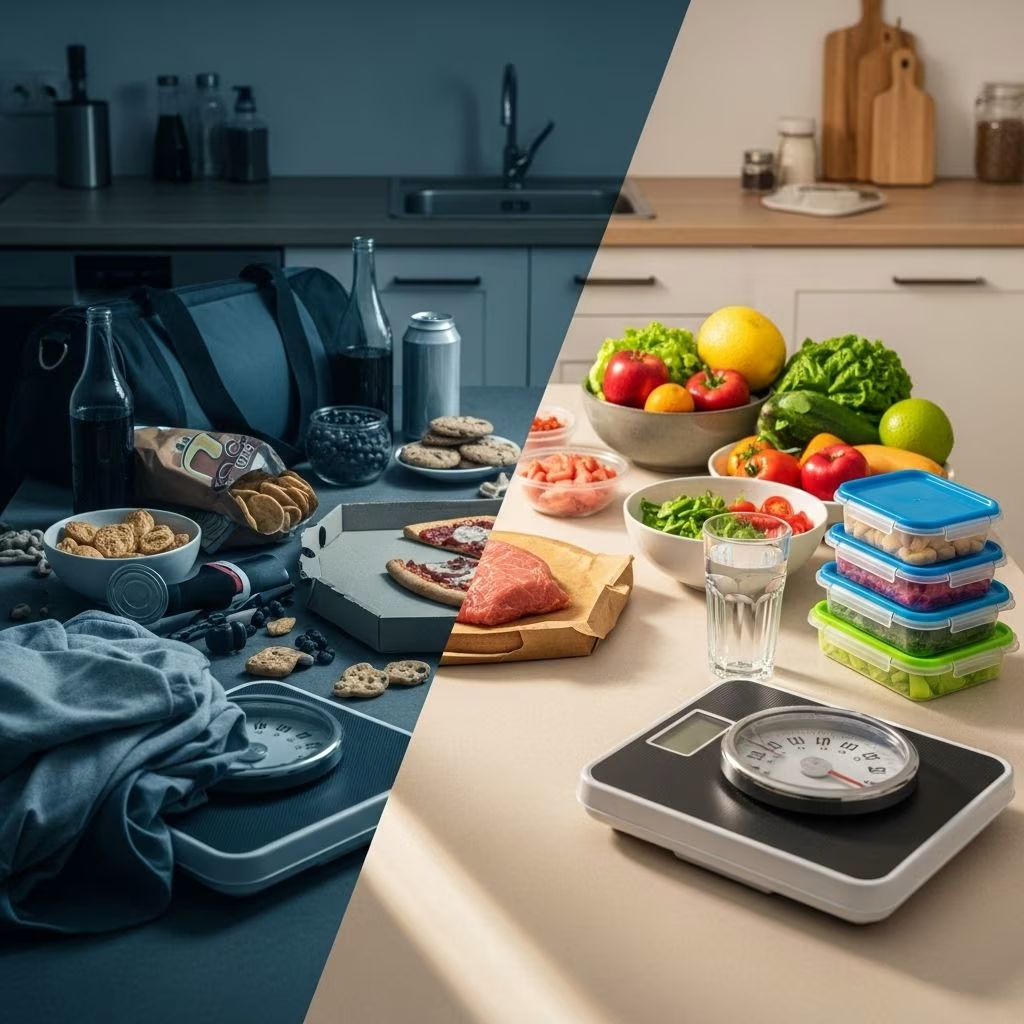
13 Weight Loss Mistakes That Keep You From Losing Fat (And How to Fix Them)
Ever feel like you’re doing everything right but the number on the scale won’t budge? You’re not alone. Losing weight is complex, and even when you’re eating less, exercising more, and making what seem like smart choices, certain habits or blind spots could be undermining your progress. This comprehensive guide exposes the most common mistakes that silently sabotage fat loss—and provides science-backed fixes so you can finally see the results you deserve.
Contents
- Mistake 1: Portion Distortion
- Mistake 2: Skipping Meals or Eating Too Little
- Mistake 3: Drinking Your Calories
- Mistake 4: Choosing Fat-Free or Sugar-Free Foods
- Mistake 5: Not Getting Enough Protein
- Mistake 6: Doing Only Cardio, Not Strength Training
- Mistake 7: Overestimating Calories Burned During Exercise
- Mistake 8: Being Fooled by “Healthy” Foods
- Mistake 9: Lack of Consistency
- Mistake 10: Ignoring Restaurant Nutrition
- Mistake 11: Skipping Water
- Mistake 12: Not Prioritizing Sleep
- Mistake 13: Trying to Out-Diet Chronic Stress
Mistake 1: Portion Distortion
Many people underestimate how much they’re eating. Even healthy foods contain calories that add up quickly if your serving sizes are oversized. Studies show that even nutrition professionals can misjudge portions, leading to unintentional overeating.
- Why It Matters: Consistently large portions—even of healthy foods—can prevent weight loss or even lead to weight gain.
- How to Fix It: Use measuring cups, a food scale, or visual portion cues (like using your hand as a guide). Track your intake with an app or food journal for greater awareness.
Mistake 2: Skipping Meals or Eating Too Little
It might seem logical that eating less or skipping meals speeds weight loss, but drastic calorie restriction often backfires. Your body can respond by slowing metabolism and increasing hunger hormones, making it harder to sustain fat loss and easier to overeat later in the day.
- Skipping meals can lead to cravings, poor energy, and binge eating.
- Consistently eating too little may result in muscle loss, not just fat loss, slowing your metabolic rate long-term.
Fix: Plan balanced meals and snacks with adequate calories, focusing on nutrient-rich foods. Aim for regular meal timing to maintain stable energy and appetite.
Mistake 3: Drinking Your Calories
It’s easy to overlook the calories in drinks. Sweetened coffees, sodas, fruit juices, sports drinks, and alcohol can all add hundreds of “hidden” calories to your daily tally without satisfying your hunger. Even smoothies can pack more calories than a full meal.
- Soda: About 150 calories and 39g sugar per can.
- Alcohol: Each glass of wine or beer averages 120–150 calories.
Fix: Make water your go-to drink. If you prefer flavored drinks, infuse water with citrus or berries, or have unsweetened tea. Reserve high-calorie drinks as occasional treats—and track them like food.
Mistake 4: Choosing Fat-Free or Sugar-Free Foods
The “fat-free” or “sugar-free” label often gives a false sense of permission to eat as much as you want. In reality, these foods can be just as calorie-dense—and sometimes even more—due to added starches or sugars for flavor or texture. Plus, low-fat or sugar-free processed snacks may leave you unsatisfied, encouraging overeating.
- People tend to eat more of foods labeled “low-fat” due to a psychological green-light effect.
- The same or more calories as the full-fat version, but less satisfaction.
Fix: Enjoy reasonable portions of your favorite full-fat treats. You’ll be more satisfied and less likely to overindulge.
Mistake 5: Not Getting Enough Protein
Protein is essential for maintaining muscle mass, feeling full, and burning calories efficiently. Skimping on protein makes it easier to overeat other foods and can slow your metabolic rate.
- Protein boosts post-meal calorie burn by up to 35%.
- Including protein at every meal stabilizes blood sugar and reduces hunger.
Fix: Add a serving of lean meat, fish, eggs, beans, low-fat dairy, or plant-based alternatives at each meal and most snacks.
Mistake 6: Doing Only Cardio, Not Strength Training
While cardio is great for heart health and calorie burn, exclusively focusing on it and skipping strength training is a big mistake. Your muscle tissue is metabolically active—if you lose muscle, your resting calorie burn drops, making it harder to keep the weight off.
- Relying solely on cardio can lead to “skinny fat”: a lower scale weight but still a higher body fat percentage.
- Strength training builds muscle, boosts metabolism, and improves health markers they can’t see on the scale.
Fix: Incorporate at least two sessions of resistance or strength training per week, covering all major muscle groups. Bodyweight, free weights, resistance bands, or machines all count.
Mistake 7: Overestimating Calories Burned During Exercise
It’s tempting to overestimate how much your workout “earns” you in food. Many people think they burn more calories than they do, then use a tough session to justify extra snacking or big meals. This quickly cancels out the calorie deficit created by exercise.
- One hour of moderate exercise may burn 300–500 calories, but a few slices of pizza or a dessert can contain even more.
Fix: Don’t reward exercise with extra food unless you’re genuinely hungry. Stay aware of portions and remember: consistency trumps single efforts.
Mistake 8: Being Fooled by “Healthy” Foods
The “health halo” effect makes people underestimate calories in foods marketed as healthy. Even foods like granola, protein bars, salads (with heavy dressing), smoothies, or avocados can lead to overeating if you don’t keep portions in check.
- Some seemingly “healthy” dishes at restaurants have more calories than a burger and fries.
- “Multigrain” doesn’t mean low-calorie or high in nutrients by default.
Fix: Always check nutrition info when possible, and measure serving sizes—even for healthy foods.
Mistake 9: Lack of Consistency
Weight loss isn’t about being perfect for a week, then falling off. Inconsistent efforts—eating well and working out for a few days, then relaxing for a week—don’t add up to lasting results.
- Regular, repeated healthy habits matter more than short bursts of “perfection.”
- Momentum is key; skipping weeks of workouts or frequent “cheat” days can erase hard-earned progress.
Fix: Build routines that you can maintain over time. Allow modest flexibility, but always return to your healthy habits quickly after any lapses.
Mistake 10: Ignoring Restaurant Nutrition
Dining out is notoriously full of hidden calories: creamy dressings, secret oils, large portions, and toppings can turn a seemingly healthy choice into a calorie bomb.
- Even a turkey sandwich with cheese and mayo on focaccia can rival two slices of pizza in calories.
- “Healthy” swaps, like spinach wraps or grain bread, don’t always reduce calorie content.
Fix: Before you eat out, check for nutrition info online. Ask for sauces and dressings on the side, and be mindful of bread, oils, and hidden toppings.
Mistake 11: Skipping Water
Not drinking enough water can stall fat burning and leave you mistaking thirst for hunger. Water supports your metabolism, helps suppress appetite, and may even boost calorie burn. Even mild dehydration saps energy and mental focus, indirectly affecting dietary choices.
- Studies: Drinking water before meals can help you eat less and lose more weight.
- Aim for at least 100 ounces daily for women, 130 ounces for men—more with activity or heat.
Fix: Carry a water bottle, flavor with lemon or cucumber, and drink a glass before each meal.
Mistake 12: Not Prioritizing Sleep
Sleep deprivation leads to higher appetite, more cravings, and lowered willpower. Research links too little sleep to increased risk of obesity, and a study found our brains light up more in response to junk food when we’re tired.
- Lack of sleep disrupts hunger hormones, making you crave sweets and refined carbs.
- Aim for 7–9 hours per night to support weight loss efforts.
Fix: Create a relaxing bedtime routine, limit screens before bed, and keep a consistent sleep schedule.
Mistake 13: Trying to Out-Diet Chronic Stress
Long-term stress triggers the release of cortisol, a hormone linked to belly fat and increased appetite. Chronic stress makes it very hard to stick to healthy habits, increases emotional eating, and can stall fat loss efforts.
- Daily stressors, lack of sleep, or unresolved emotional issues all contribute.
- Stress eating often leads to high-calorie, low-nutrient food choices.
Fix: Build stress management into your weight loss plan. Try deep breathing, yoga, journaling, or walking in nature to keep cortisol in check.
Frequently Asked Questions (FAQs)
Q: Why am I not losing weight even though I am eating less?
A: Eating too little can trigger your body’s starvation response, lowering your metabolism and increasing hunger hormones. This makes sustained fat loss difficult. Focus on balanced, moderate calorie reductions rather than extreme restriction.
Q: Do “healthy” snacks like protein bars or granola help weight loss?
A: Not always. Many so-called healthy snacks are high in sugar and calories. Check labels and stick to whole, minimally processed foods for snacks.
Q: Can I lose weight with just exercise?
A: While exercise is essential for health and helps with weight maintenance, dietary changes are more important for creating the calorie deficit needed for weight loss. The best results come from combining exercise with healthy eating and lifestyle habits.
Q: How quickly should I expect to see weight loss results?
A: Sustainable weight loss typically averages 1–2 pounds per week. Rapid losses often come from water and muscle, not fat, and rarely last.
Q: What’s the single most important change I can make?
A: There’s no single “magic bullet.” However, tracking your food intake, prioritizing sleep, training consistently, and minimizing stress are among the most powerful changes for lasting results.
Table: Common Weight Loss Mistakes & Their Fixes
| Mistake | What Happens | How to Fix |
|---|---|---|
| Oversized Portions | Unnoticed extra calories add up | Measure food, track intake, use visuals |
| Skipping Meals | Slowed metabolism, later overeating | Eat balanced meals/snacks throughout day |
| Liquid Calories | High calorie intake with little satiety | Drink water; limit juices, sodas, alcohol |
| All Cardio, No Strength | Muscle loss, slower metabolism | Add resistance training twice a week |
| Inconsistent Habits | Slow or stalled progress | Build sustainable routines, minimize lapses |
| Not Enough Sleep | Increase cravings, store more fat | Prioritize 7-9 hours nightly |
| Ignoring Stress | Cortisol spikes, more belly fat | Practice daily stress relief techniques |
Takeaway: Turning Your Mistakes into Momentum
Weight loss is about progress, not perfection. By identifying these common mistakes and adopting the fixes described, you can break through stubborn plateaus and achieve lasting results. Start with the habit that seems easiest for you and build from there—small, consistent changes lead to big transformations over time.
References
- https://www.prevention.com/weight-loss/a20475557/common-diet-mistakes-that-slow-metabolism/
- https://www.prevention.com/weight-loss/g20514318/weight-loss-coaches/
- https://www.prevention.com/weight-loss/g20488204/weight-loss-mistakes-slowing-your-progress/
- https://www.prevention.com/weight-loss/a20441163/common-weight-loss-mistakes/
- https://bilh.org/about/news-and-stories/all-news-and-stories/blogs/2025/03/common-weight-loss-mistakes
- https://www.prevention.com/weight-loss/g29873479/weight-loss-myths/
- https://www.prevention.com/weight-loss/g20496025/your-biggest-mistakes-when-losing-50-plus-pounds/
- https://www.prevention.com/weight-loss/g20498928/mistakes-that-sabotage-weight-loss/
- https://www.prevention.com/weight-loss/a60871663/stopping-weight-loss-drugs-too-early-mistake/
- https://www.prevention.com/weight-loss/a20470409/weight-loss-mistakes-youre-making-at-work/


