


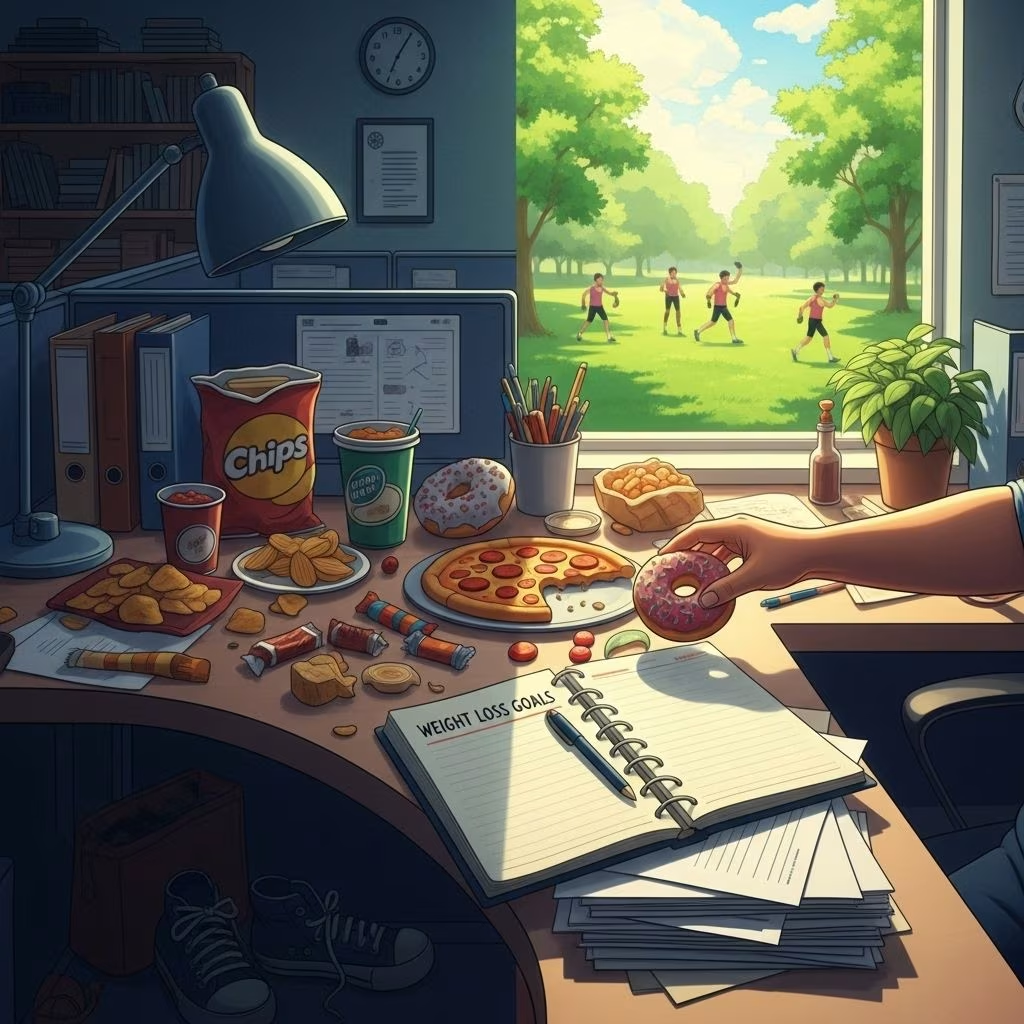
7 Office Habits That Sabotage Your Weight Loss—And How to Break Them
Every workplace seems to have its own set of dietary temptations, whether it’s the weekly birthday cake, constant stream of free office snacks, or back-to-back meetings that leave little time for a mindful meal. While many are aware of the obvious calorie traps, such as donuts in the break room, there are several less apparent habits woven into your daily work routine that can quietly undermine even the best weight loss intentions. If the scale won’t budge despite your efforts outside the office, your office habits may be the missing piece of the puzzle.
This article breaks down seven of the most common weight loss mistakes people make at work—most of them surprisingly subtle—and provides actionable, science-backed solutions for building a healthier workday. From meal timing to activity levels and environmental cues, each section addresses a specific pitfall and arms you with practical, sustainable strategies to break free from the cycle.
You Skip Breakfast to Start the Day Early
Arriving early at your desk may look productive on paper, but bypassing breakfast as a time-saving strategy often backfires. Skipping breakfast can leave you running on empty, increasing cravings and the likelihood you’ll reach for high-calorie, low-nutrient snacks midmorning. This quick fix is also associated with energy crashes that sap both productivity and willpower.
According to nutritionist Rania Batayneh, eating within the first hour or so of waking improves energy levels and helps keep hunger hormones stable. A balanced breakfast should include a mix of protein, complex carbohydrates, and healthy fats—think Greek yogurt with nuts and berries, an egg sandwich with whole grain bread, overnight oats topped with seeds, or a smoothie blending greens, banana, and a protein source.
- If pressed for time, prepare breakfast the night before or opt for portable choices (e.g., hard-boiled eggs, a banana, a portion-controlled granola bar).
- Try not to rely solely on coffee for your morning energy—it can increase jitters and appetite later.
- If you truly don’t feel hungry in the morning, listen to your body, but avoid using busyness as a reason to skip fueling up.
You Eat Lunch at Your Desk Every Day
It may feel efficient to check emails with one hand while eating your sandwich with the other, but “desktop dining” is a recipe for mindless overeating. People who eat while distracted—be it with a computer, phone, or TV—tend to consume more calories and feel less satisfied with their meals compared to those who step away and eat with intention.
Making time for a real lunch break, even if it’s only 15-20 minutes, allows you to truly enjoy your food and register fullness cues. Consider these tips:
- Leave your workspace—head outside, eat by a window, or join a colleague for a shared meal.
- If leaving the building isn’t possible, turn away from your screen and savor each bite without multitasking.
- Use this time to decompress and refocus, which can also increase productivity in the long run.
You Rely on the Office Snack Stash
That drawer of granola bars and the communal candy bowl are magnets for “emergency” snacking, especially when stress runs high or lunchtime gets delayed. The problem: Office snacks are often ultra-processed, high in sugar, and designed to be addictive. Grabbing snacks out of habit or boredom leads to “mindless munching” and a calorie creep that’s easy to underestimate.
Here’s how to get ahead of the craving curve:
- Keep healthy snacks on hand—unsalted nuts, fresh fruit, Greek yogurt cups, or cut veggies with hummus. Place these options front and center in your fridge or desk drawer.
- Set a personal policy to eat only when truly hungry, not just when snacks are visible or offered.
- If company treats are hard to avoid, decide in advance which events you’ll indulge in, and stick to a reasonable portion.
You Work Through the Afternoon Slump Instead of Moving
The post-lunch “slump” is familiar to many and prompts a rush for caffeine or a sweet pick-me-up. But sitting through fatigue without a break can slow your metabolism and increase cravings later, perpetuating a cycle of inactivity and overeating. Prolonged sitting is linked to a host of health risks, including weight gain, insulin resistance, and cardiovascular disease.
Instead of reaching for more coffee or sugar, break the cycle by recharging with movement:
- Set reminders to take a short walk every 60-90 minutes, even if it’s only a quick lap around the office floor or climbing a couple of flights of stairs.
- Use “walking meetings” when possible or stand while on phone calls.
- Simple stretches or desk exercises can also reinvigorate body and mind, helping refocus your energy for the rest of the workday.
You Drink Your Calories Without Realizing
Whether it’s the sugar-laden latte, a bottle of juice, or multiple lightly sweetened teas, liquid calories can quickly add up throughout the day. Unlike solid foods, drinks often fail to register as “filling” in the brain, which means you’re less likely to compensate by eating less later.
Some common workplace beverages that can stealthily increase your daily calorie load:
- Flavored coffees, “light” smoothies, energy drinks, and sweetened teas—all of which can contain 100–400+ calories per serving.
- Diet sodas, while low in calories, may stimulate cravings for sweets or lead to mindless snacking.
| Beverage | Avg. Calories (per 12 oz) | Notes |
|---|---|---|
| Coffee (black) | 5 | Low-calorie unless adding sugar/cream |
| Flavored latte | 250-350 | Check size and added syrups |
| Bottled fruit juice | 150-200 | High in natural and added sugars |
| Regular soda | 140-180 | Empty calories |
| Unsweetened tea | 0-5 | Best calorie-free choice |
- Favor water, herbal teas, or black coffee for hydration during the workday.
- If you enjoy flavored beverages, infuse your water with fruit or opt for sparkling water with a splash of citrus.
You Never Say No to Office Celebrations
Frequent birthday parties, potlucks, and “just because” treat days can mean near-constant access to cakes, cookies, and rich foods that are challenging to pass up. Succumbing to the social pressure or “fear of missing out” (FOMO) makes it easy to accumulate hundreds of extra calories each week—enough to slow or even reverse weight loss progress.
To help strike a balance:
- Politely decline treats when you’re not genuinely interested, or satisfy your craving with a very small serving.
- Offer to contribute lighter options to office gatherings, such as a fruit platter or veggie tray.
- Remember your long-term goals—a momentary indulgence should be a conscious choice, not an automatic one.
Your Environment Encourages Inactivity
The typical office setting isn’t designed to keep you active. Long meetings, comfortable chairs, and an “elevator lobby” all encourage sedentary routines. Many workers now spend upwards of eight hours sitting every day—enough to damage health, regardless of evening gym sessions.
- Choose the stairs over the elevator whenever possible.
- Organize workspace supplies so you have to stand up to retrieve them throughout the day.
- Consider a standing desk or ask if your office supports adjustable workstations.
- Invite colleagues to join you for walk-and-talk meetings or coffee runs instead of email exchanges.
Incorporating movement—even just standing or stretching—offsets some health risks associated with prolonged sitting and can help keep your metabolism firing.
Strategies for Success: Transforming Workday Obstacles into Opportunities
The key to consistent progress is not rigid willpower but smart planning and small environmental tweaks. Here are essential guidelines for lasting success:
- Plan meals and snacks ahead of time: Prepping balanced options makes healthy choices easy and automatic.
- Schedule movement breaks: Use calendar reminders to stand, stretch, or take a few laps around the building.
- Practice mindful eating: Check in with true hunger before reaching for snacks, and savor your food without distractions.
- Set boundaries: Respect your need for breaks, lunch, and personal time even in a busy environment.
Above all, give yourself permission to say no to unhealthy workplace habits and yes to new routines that nurture both your health and productivity.
Frequently Asked Questions (FAQs)
Q: What are the most common work-related habits that hurt weight loss?
A: The most common habits include skipping breakfast, eating at your desk, relying on high-calorie office snacks, sedentary routines, drinking sweetened beverages, never refusing treats at celebrations, and neglecting regular movement breaks.
Q: How can I eat healthier at the office if I am very busy?
A: Prepare portable meals in advance, keep healthier snacks handy (fruit, nuts, yogurt), take a brief mindful lunch break away from screens, and plan movement breaks to recharge energy levels.
Q: Do liquid calories really make a difference in weight loss?
A: Yes, liquid calories from coffee drinks, juices, and sodas can often go unnoticed and quickly add up, impacting your overall calorie intake without making you feel full. Sticking to water, sparkling water, or unsweetened drinks is best for weight loss.
Q: I often feel pressured to join in at office celebrations. How can I manage this?
A: It’s fine to participate occasionally, but be selective and limit portion sizes. Offering to bring a healthier option or declining with a simple “no, thank you” is both appropriate and effective for sticking to your goals.
Q: Will moving more during the workday replace my need for a workout?
A: Regular movement at work complements but does not replace structured exercise. Both daily activity (standing, walking) and scheduled workouts play important roles in health and weight management.
Key Points to Remember
- Identify your personal workday pitfalls—awareness is the first step to making lasting change.
- Create a supportive environment by controlling what you bring to the office and practicing mindful eating.
- Integrate movement throughout the day to counteract sedentary behavior, support metabolism, and reduce stress.
- Consistent, small changes to your workday routine can yield significant, sustainable health benefits over time.
References
- https://www.prevention.com/weight-loss/a20470409/weight-loss-mistakes-youre-making-at-work/
- https://www.club-os.com/blog/13-common-weight-loss-mistakes
- https://www.healthline.com/nutrition/weight-loss-mistakes
- https://www.webmd.com/diet/ss/slideshow-diet-mistakes
- https://www.bbcgoodfood.com/health/weight-loss/common-weight-loss-mistakes
- https://www.spatzmedical.com/blog/weight-loss-mistakes/
- https://www.carilionclinic.org/health-and-wellness/article/5-weight-loss-mistakes-you-may-not-realize-youre-making
- https://www.health.harvard.edu/staying-healthy/5-mistakes-that-will-sabotage-a-healthy-diet


