


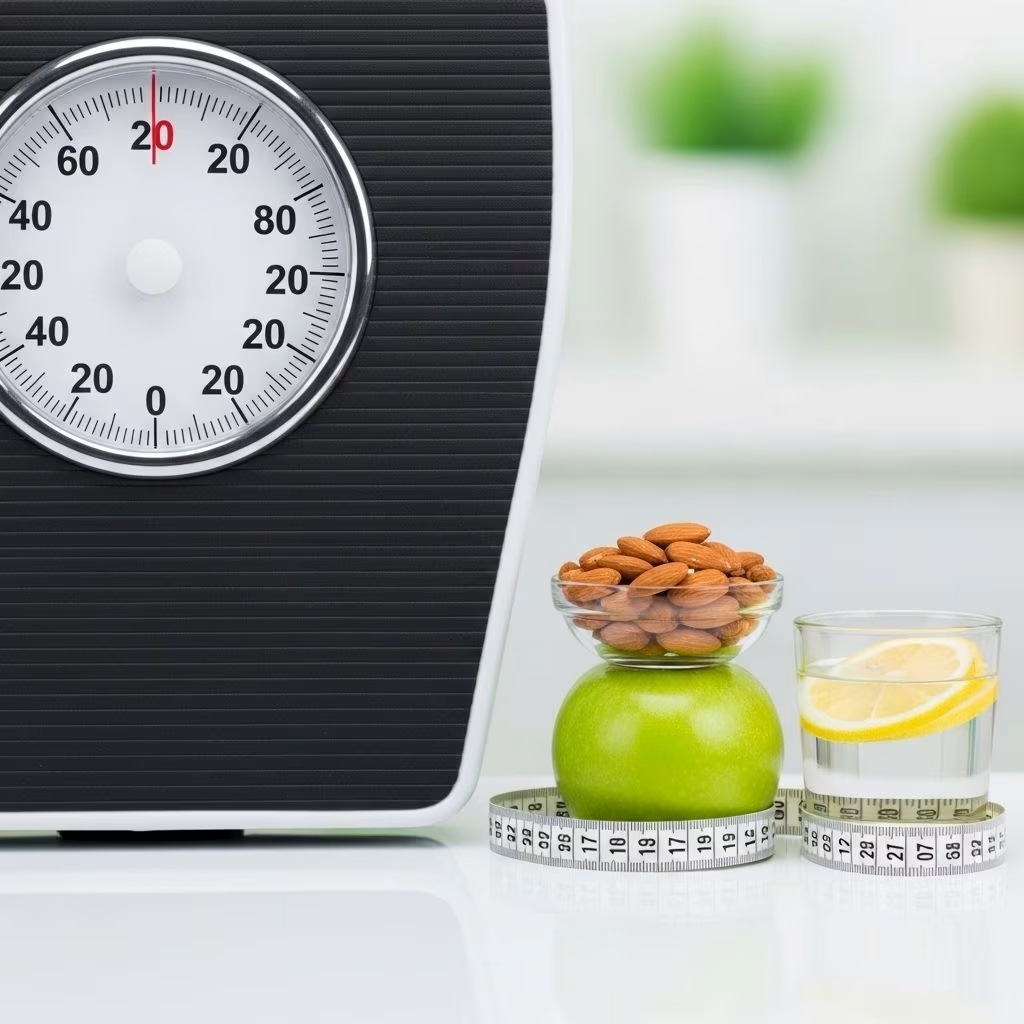
When you’re aiming to lose 20 pounds or more, it’s natural to feel daunted. Crash diets and extreme workout regimens might offer short-term results, but they rarely set you up for lasting success. Instead, experts and real people who’ve transformed their health agree: smart, sustainable changes deliver the most reliable path to a slimmer, healthier you. Here are seven key shifts that can help you hit your weight loss goals—and maintain them for life.
1. Strategize with a Long-Term Plan
Lasting weight loss is built on a foundation of long-term thinking, not quick fixes or highly restrictive diets. Transform how you approach eating, exercise, and self-care by anchoring your motivation in meaningful, long-haul goals. Consider the following:
- Visualize your ultimate why: Link your weight loss goal to better energy, improved health, or confidence, rather than a fleeting target on the scale.
- Anticipate challenges: Acknowledge life events, cravings, or travel as part of your journey—not reasons to quit.
- Adapt gradually: Focus on swappable habits you can stick with, rather than dramatic overhauls.
Planning for a lifestyle shift—and giving yourself grace to navigate setbacks—sets the stage for permanent results.
2. Master the Big Stuff: A Holistic Approach
Rather than micromanaging every calorie, focus your efforts on the “big rock” elements that have the biggest impact over time. This means:
- Consistent, nutritious meals centered on vegetables, lean proteins, whole grains, and healthy fats.
- Mindful portions: Use smaller plates or bowls, and serve only what you realistically intend to eat.
- Movement throughout your day: Aim for regular physical activity, even outside of formal workouts.
This mindset protects against restrictive, joyless eating patterns and helps you foster a positive relationship with food.
3. Don’t Obsess Over the Scale
Daily weigh-ins can zap your motivation by focusing too much on short-term fluctuations rather than real progress. Recognize that weight naturally varies due to hydration, hormones, and other factors. Instead:
- Weigh in weekly at a consistent time for a clearer trend line.
- Track other victories like increased energy, improved sleep, looser clothing, or cholesterol improvements.
- Use photos and measurements to document non-scale changes over time.
This balanced approach keeps you focused on meaningful change rather than chasing a number.
4. Start Weight-Loss-Boosting Habits
Small, repeatable changes can spark significant results. Examples of these micro-habits include:
- Standing while taking calls or working at your computer.
- Parking farther from the store entrance to add extra steps daily.
- Keeping a water bottle on hand and sipping throughout the day to stay hydrated.
- Taking the stairs whenever possible.
These subtle tweaks not only burn extra calories, but also reinforce an active lifestyle and make movement second nature.
5. Progressively Cut Calories—Without Starving
To lose weight, your body must consistently burn more calories than you consume. However, your calorie needs will shift as you slim down. As a smaller person, you naturally burn fewer calories at rest and during activity. Key strategies include:
- Reduce portions gradually as your weight drops to avoid hitting a plateau.
- Prioritize nutrient-dense foods: Foods that are rich in vitamins, minerals, and fiber are more satisfying and keep hunger at bay.
- Avoid drastic calorie slashing: Too few calories trigger the body’s “starvation mode,” slowing metabolism and draining energy.
The healthiest—and most sustainable—way to cut calories is to make strategic adjustments over time, not all at once.
6. Adopt a Flexible, Balanced Food Philosophy
Rigid dieting is rarely sustainable—and often counterproductive. Instead, emphasize flexibility and balance in your eating plan to avoid deprivation and binge cycles:
- Don’t “diet”: Enjoy green veggies and lean proteins as staples, but allow room for fruit or your favorite treat in moderation.
- Eat mindfully: Listen to your body’s hunger and fullness cues. Eat slowly, savoring your meals and stopping when you’re satisfied— not stuffed.
- Plan for indulgences: When cravings hit, choose a controlled portion and enjoy guilt-free, then return to your routine the next meal.
This approach helps you build confidence and a relaxed, sustainable relationship with eating.
7. Stay Consistent and Patient
Healthy weight loss is a marathon, not a sprint. Your success will depend on consistency, patience, and resilience in the face of setbacks. Remember:
- You might have off days—but don’t let one slip become a reason to abandon your efforts entirely.
- Track your progress, but don’t dwell on perfection. Focus on wins, big or small: a healthy lunch, an extra walk, or turning down unneeded snacks.
- Reframe setbacks as learning opportunities, not failures.
Commit to making small improvements daily. Your perseverance will bring results over time—without the stress of restriction or obsession.
Additional Habits for Lasting Weight Loss
- Find every reason to move: Instead of just relying on gym time, sneak more movement into your daily routine—march during TV commercials, take the stairs, or have walking meetings.
- Limit packaged, processed foods: Highly processed foods are high in sodium, sugar, and fat. Swap them out for wholesome snacks like carrots with hummus or Greek yogurt with berries.
- Eat more fiber: Aim for 25 grams each day from vegetables, fruits, beans, and whole grains to help you feel full.
- Get enough protein: Lean proteins like eggs, fish, poultry, and dairy keep you satisfied and boost your metabolism.
- Include healthy fats: Avocados, nuts, seeds, and olive oil keep you satiated and support body functions.
- Balance your carbs: You don’t have to eliminate carbohydrates; instead, combine them with proteins and fats to stay full and energized.
Sample Table: Foods to Emphasize vs. Limit
| Eat More Of | Eat Less Of |
|---|---|
| Leafy greens (spinach, kale) | White bread, pastries |
| Lean proteins (chicken, eggs, fish) | Fried foods, processed meats |
| Whole grains (quinoa, oats) | Sugary cereals |
| Healthy fats (avocado, nuts, olive oil) | Trans fats, margarine |
| Fresh fruits (berries, apples) | Sweetened beverages |
Frequently Asked Questions (FAQs)
Q: How quickly can I lose 20 pounds safely?
A: Experts recommend losing 1–2 pounds per week through a combination of healthier eating and increased activity. That means a 10–20 week timeline is safest for lasting results.
Q: Do I have to give up all my favorite foods?
A: No. The most sustainable approach is to incorporate treats in moderation and focus on an overall pattern of balanced, wholesome eating. Deprivation leads to unsustainable habits and rebound weight gain.
Q: Is intense exercise necessary to lose 20 pounds?
A: While regular movement is important, everyday activity and small bursts of effort are just as valuable as gym sessions. The key is to get moving more often and find activities you enjoy to stay consistent.
Q: What if I have a setback or ‘off’ day?
A: Setbacks are normal. Refocus on your long-term goals and pick up healthy habits at your next meal or opportunity. Consistency over time is what matters most.
Q: Do I need to track calories or macros to succeed?
A: Tracking can be a useful tool for some, especially in the early stages. However, focusing on overall healthful choices and portion awareness may be more sustainable for others. Journaling what you eat, even briefly, can help identify patterns and make positive changes.
Final Thoughts: Small Changes, Big Results
Losing 20 pounds (or more) is absolutely achievable—without misery or endless restriction. Focus on long-term strategies, gradual adjustments, and self-compassion. Replace “dieting” with lifestyle upgrades, and allow yourself to enjoy healthy food, fun movement, and the feeling of steady progress. Your journey starts with a single step—and continues with every smart choice you make.
References
- https://www.prevention.com/weight-loss/g20475674/secrets-to-losing-20-pounds/
- https://www.prevention.com/weight-loss/a20505548/small-changes-that-take-off-big-pounds/
- https://www.prevention.com/weight-loss/a30188568/lose-weight-without-exercise-0/
- https://www.prevention.com/weight-loss/g20433367/tips-for-losing-20-pounds/
- https://www.prevention.com/weight-loss/a20464408/get-fit-in-10-lose-20-pounds-working-out-10-minutes-a-day/
- https://www.prevention.com/weight-loss/g20483052/weekend-habits-for-weight-loss/
- https://www.prevention.com/weight-loss/diets/g20440614/25-best-weight-loss-tips-ever/
- https://www.prevention.com/weight-loss/a20451104/strategies-to-lose-weight-for-good/
- https://www.prevention.com/weight-loss/a20456499/52-simple-weight-loss-tips/
- https://www.prevention.com/weight-loss/g20490240/10-rules-to-live-by-for-long-lasting-weight-loss/


