


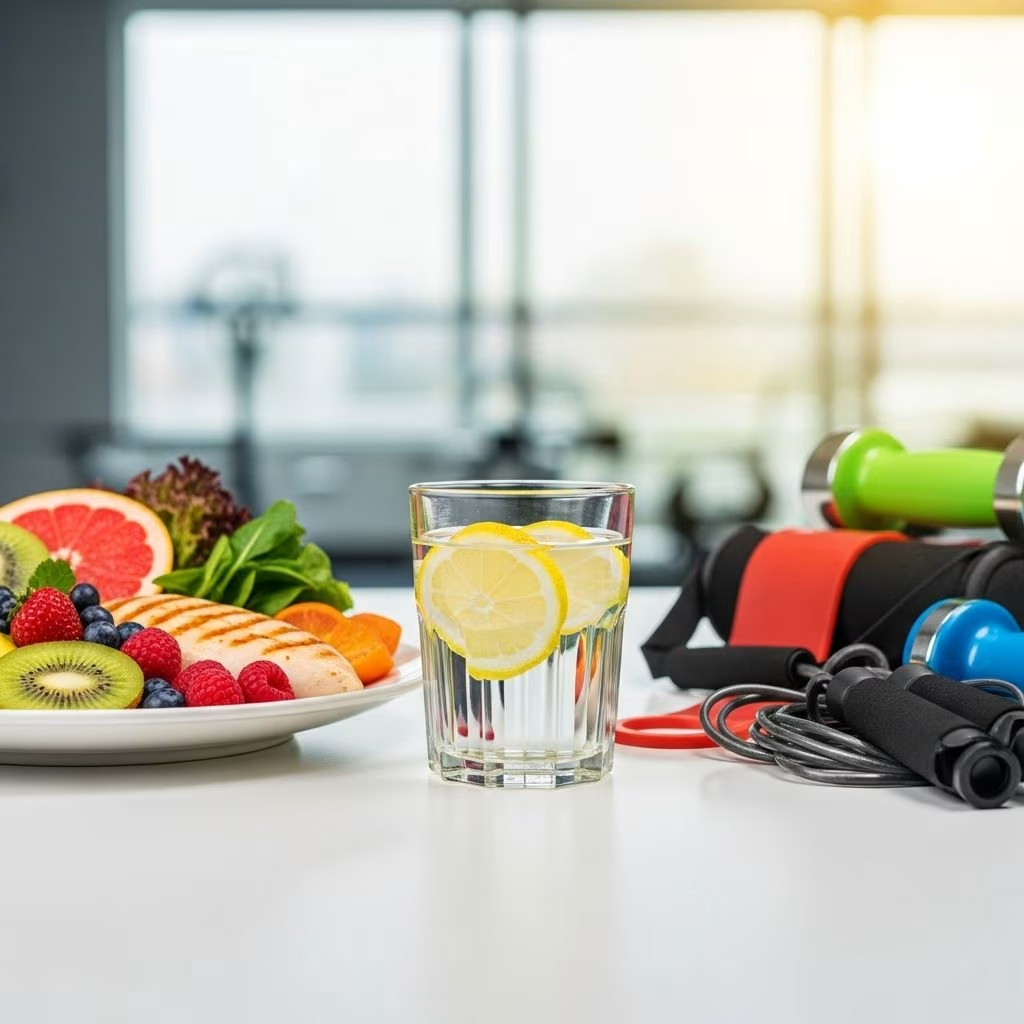
Seeking an effective weight loss plan can be overwhelming, especially with so many diets and commercial programs making bold promises. This comprehensive guide explores sixteen of the most popular weight loss programs, highlighting how each works, potential benefits, drawbacks, and what experts say. Use this insight to find a plan that aligns with your health needs, lifestyle, and long-term goals.
How to Choose the Best Weight Loss Program
Before diving into specific weight loss programs, it’s important to understand the criteria for choosing a diet plan that’s right for you. Registered dietitians recommend considering plans that are:
- Sustainable: Easy to follow for the long term and adaptable to your lifestyle.
- Balanced: Offer a variety of foods from all food groups to prevent nutrient deficiencies.
- Science-Based: Supported by credible research, not just testimonials or marketing claims.
- Customizable: Can be adjusted for underlying health conditions or unique dietary needs.
- Supportive: Provides community, accountability, or coaching, especially if you benefit from external motivation.
Be cautious of any programs that promise rapid weight loss, require extreme calorie cuts, eliminate entire food groups without reason, or rely heavily on meal replacements and supplements. Health experts also advise against “detox” diets and fad plans with little scientific support. The best program is one you can maintain—and enjoy—while nourishing your body for overall well-being.
The 16 Most Popular Weight Loss Programs
1. Weight Watchers (WW)
Method: WW uses a point-based system where foods are assigned values, aiming to encourage healthy choices while allowing flexibility. Members attend meetings (in-person or digital), track their food, and receive support and education.
- Pros: Flexible approach, built-in support community, no foods are off-limits.
- Cons: Membership costs, point calculation can be tedious for some.
- Best for: Those who want accountability, enjoy group support, or prefer a structured–yet flexible–plan.
2. The Mayo Clinic Diet
Method: Designed by medical experts, this diet focuses on lifestyle changes—mainly portion control, healthy swaps, and physical activity. It is divided into two phases: “Lose It!” (jump-starts weight loss for two weeks) and “Live It!” (long-term maintenance).
- Pros: Emphasizes healthy habits, encourages gradual, maintainable weight loss.
- Cons: No community support; may require self-navigation.
- Best for: Individuals preferring an evidence-based, habit-oriented plan over quick fixes.
3. The Volumetrics Diet
Method: Focuses on eating foods with low energy density (lots of water and fiber, fewer calories per bite), like fruits, vegetables, and broth-based soups, allowing for larger, more satisfying meals with fewer calories.
- Pros: No strict calorie counting, encourages more whole foods and high-volume meals.
- Cons: Requires meal planning and prep; might not be ideal for people who dislike vegetables or structured eating.
- Best for: Those who want to feel full while losing weight and are open to high produce intake.
4. The Mediterranean Diet
Method: Modeled after traditional eating patterns of countries bordering the Mediterranean Sea. Emphasizes fruits, vegetables, whole grains, nuts, fish, olive oil, and moderate wine consumption.
- Pros: Linked with heart health, longevity, lower risk of chronic diseases. Foods are flavorful and satisfying.
- Cons: Less structure for those seeking specific meal plans or rapid weight loss.
- Best for: Anyone seeking health benefits beyond weight loss and who enjoys plant-forward meals.
5. The FLEX Diet
Method: Flexitarian (flexible vegetarian) plans promote eating mostly plant-based foods but allow for occasional meat and animal products. The objective is sustainability and environmental consciousness.
- Pros: Encourages a variety of foods; flexible; can aid in weight loss and lower disease risk.
- Cons: Vague guidelines may be difficult for some; must plan protein sources carefully.
- Best for: Those wanting plant-based benefits without strict vegetarianism or veganism.
6. The DASH Diet
Method: Developed to lower blood pressure, this plan emphasizes low-sodium intake, lots of fruits, vegetables, whole grains, and low-fat dairy. Also limits processed foods, sweets, and red meats.
- Pros: Clinically proven for heart health; naturally supports sustainable weight loss.
- Cons: Requires careful sodium tracking; could be restrictive for some palates.
- Best for: Those with high blood pressure, heart concerns, or anyone wanting science-backed nutrition.
7. Nutrisystem
Method: A commercial plan where processed, portion-controlled meals and snacks are delivered to your door. Participants supplement with some fresh produce and dairy.
- Pros: Extremely convenient; removes guesswork; structured.
- Cons: Costly long term; can be high in sodium and lacking in fresh foods; limited cooking skill development.
- Best for: Those needing turnkey solutions or with limited time for shopping and cooking.
8. South Beach Diet
Method: A phased plan initially low in carbs and sugars, gradually reintroducing whole grains and fruits. Focuses on lean proteins, vegetables, and healthy fats.
- Pros: Can yield rapid initial results; encourages balanced meals over time.
- Cons: Restrictive at first; may cause fatigue or headaches during transition phase.
- Best for: Those looking to curb sugar and carb cravings while learning about food choices.
9. Jenny Craig
Method: Like Nutrisystem, Jenny Craig provides prepackaged meals and one-on-one coaching. The structured program gradually transitions users to self-cooked meals.
- Pros: Strong support network and easy-to-follow system; personalized coaching.
- Cons: Pricey; reliance on processed, packaged meals may not fit all lifestyles.
- Best for: Those who thrive on accountability and enjoy convenience.
10. Noom
Method: Noom is a digital app-based plan focused on behavior change. It uses daily lessons on psychology, habit formation, and goal setting, with calorie tracking and support from a digital coach.
- Pros: App-based convenience; emphasizes mindset and long-term habit change.
- Cons: Self-monitoring required; not all users like the digital format or coaching style.
- Best for: Tech-savvy individuals seeking a psychological approach to weight loss.
11. Intermittent Fasting (IF)
Method: Involves cycling between periods of eating and fasting. Popular methods include:
- 5:2 Diet: Eat normally five days a week, restrict calories for two (typically 500–600 calories).
- 16:8 Method: Eat only during an eight-hour window each day.
- Eat Stop Eat: Fast for a full day one or two days weekly.
- The Warrior Diet: Fast for 20 hours daily; eat one large evening meal.
- Leangains: An 8–10 hour eating window, fasting for the remaining hours each day.
Pros: Can promote calorie reduction and metabolic benefits for some; flexible.
Cons: May not be suitable for all lifestyles; can lead to overeating or low energy if not balanced.
Best for: Those seeking a time-restricted approach with periods of fasting.
12. The Best Life Diet
Method: Developed by Bob Greene, focuses on three phases.
| Phase | Focus |
|---|---|
| Phase 1 (4+ weeks) | Increase physical activity, eat regular meals, eliminate alcohol, and prepare for weight loss. |
| Phase 2 | Introduce more changes, track weight, and begin to eliminate trigger foods while boosting metabolism. |
| Phase 3 | Maintain achievements and focus on long-term sustainability and nutrition. |
- Pros: Emphasizes gradual, lasting change; focuses on movement and healthy eating habits.
- Cons: May be slow-paced for those seeking fast results; requires self-motivation.
- Best for: Those interested in lifestyle change over diet quick-fixes.
13. SlimFast
Method: Replaces two meals a day with shakes or bars, plus one 500-calorie meal and snacks. Offers limited food choice but highly convenient.
- Pros: Simple and time-saving; may lead to fast initial weight loss.
- Cons: Highly processed; not designed for long-term maintenance; little focus on whole foods or behavioral change.
- Best for: Short-term solution or meal replacement convenience.
14. Atkins Diet
Method: Low-carbohydrate approach phased in stages. Phase 1 is the strictest with under 20g of carbs daily; later phases reintroduce more carbs.
- Pros: Quick weight loss possible, especially for those who respond well to low-carb.
- Cons: Very restrictive at first; may cause fatigue or “keto flu”; sustainability can be a challenge.
- Best for: People who want a structured program and can adhere to low-carb eating.
15. Raw Food Diet
Method: Consists of uncooked, unprocessed food including fruits, vegetables, seeds, and sometimes raw fish or meats.
- Pros: Emphasizes whole foods, high produce content; some find it energizing.
- Cons: Very restrictive; requires careful planning for nutrition; risk of deficiency in protein, B12, and other nutrients.
- Best for: Those passionate about plant-based and uncooked food who are prepared to supplement as needed.
16. Paleo Diet
Method: Inspired by what hunter-gatherers might have eaten. Excludes grains, dairy, and processed foods; includes lean meats, nuts, fruits, and vegetables.
- Pros: Cuts down processed food intake; often leads to weight loss; full of fiber and protein.
- Cons: Restrictive; eliminates multiple food groups; not always practical.
- Best for: Fans of whole foods and those with gluten or lactose intolerance.
Common Questions: FAQs About Popular Weight Loss Programs
Are commercial weight loss programs more effective than self-planned diets?
Commercial programs such as WW, Nutrisystem, and Jenny Craig offer structure, convenience, and accountability, which can help some people adhere to a weight loss plan. However, self-planned, balanced diets with whole foods can be equally effective when combined with behavior change and accountability. The key is consistency, support, and choosing methods you can sustain long term.
Can I lose weight by just counting calories?
Consistent calorie deficit leads to weight loss, but focusing solely on calories without considering food quality can decrease nutrition, satiety, and overall health. Emphasize whole foods, lean protein, healthy fats, fiber, and plenty of produce for optimal success.
What if I have a medical condition—how do I choose a plan?
Always consult a healthcare provider before beginning any weight loss program if you have chronic conditions (such as diabetes, heart disease, or kidney issues). Some diets may not be suitable for certain medical needs. Registered dietitians can help tailor a plan that fits your unique requirements.
How fast can I expect to lose weight safely?
Experts recommend aiming to lose 1–2 pounds per week through moderate calorie reduction and increased activity. Faster weight loss can put muscle, hydration, and overall health at risk, and is more likely to rebound.
Are processed foods worse for weight loss?
Studies show that diets high in ultra-processed foods can undermine weight loss, increase cravings, and negatively impact gut health. Focus on minimally processed, whole foods—such as fresh fruits, vegetables, whole grains, and lean proteins—to support weight management and well-being.
Final Tips for Sustainable Success
- Choose a plan that fits your taste preferences, lifestyle, and health status.
- Set realistic, achievable goals and track your progress.
- Plan for setbacks and adopt a growth mindset—change takes time!
- Move your body regularly in a way that you enjoy.
- Seek support from family, friends, professionals, or support groups as needed.
- Avoid extreme diets, quick fixes, and any plan that promotes rapid or unsafe weight loss.
Frequently Asked Questions (FAQs)
Q: Do any diets guarantee permanent weight loss?
A: No diet guarantees permanent weight loss—maintaining results depends on ongoing healthy habits and your ability to stick to chosen changes.
Q: Are meal replacement shakes safe long term?
A: They can be helpful short term, but a diet of mostly shakes often lacks important nutrients and fiber. Long-term health is better supported by a diet based on whole foods.
Q: Do you need to exercise on a diet?
A: Physical activity is strongly recommended on any weight loss plan for improved health, mood, and increased calorie burn—but it is possible to lose weight by dietary changes alone.
Q: Which plan is best for people with busy schedules?
A: Commercial meal delivery plans (like Nutrisystem or Jenny Craig), or app-based programs (such as Noom), are designed for maximum convenience and minimal meal prep.
Q: How important is sleep for weight loss?
A: Very important—poor sleep can cause cravings and disrupt hormones that regulate hunger, sabotaging weight loss. Aim for 7-9 hours of quality sleep per night.
References
- https://www.prevention.com/weight-loss/a20500235/intermittent-fasting/
- https://www.prevention.com/weight-loss/diets/a63174975/best-diets-for-weight-loss-2025/
- https://www.prevention.com/weight-loss/diets/a20445270/best-life-diet-weight-loss-program/
- https://www.prevention.com/food-nutrition/healthy-eating/a65664887/ultra-processed-foods-weight-loss-gut-health-study/
- https://www.prevention.com/weight-loss/
- https://www.prevention.com/weight-loss/diets/
- https://www.prevention.com/weight-loss/diets/a60578947/how-to-lose-weight-fast-safely/
- https://www.prevention.com/weight-loss/diets/a63515464/diet-trends-2025/
- https://www.prevention.com/weight-loss/a30188568/lose-weight-without-exercise-0/
- https://www.prevention.com/weight-loss/g24805401/fat-burning-foods/


