


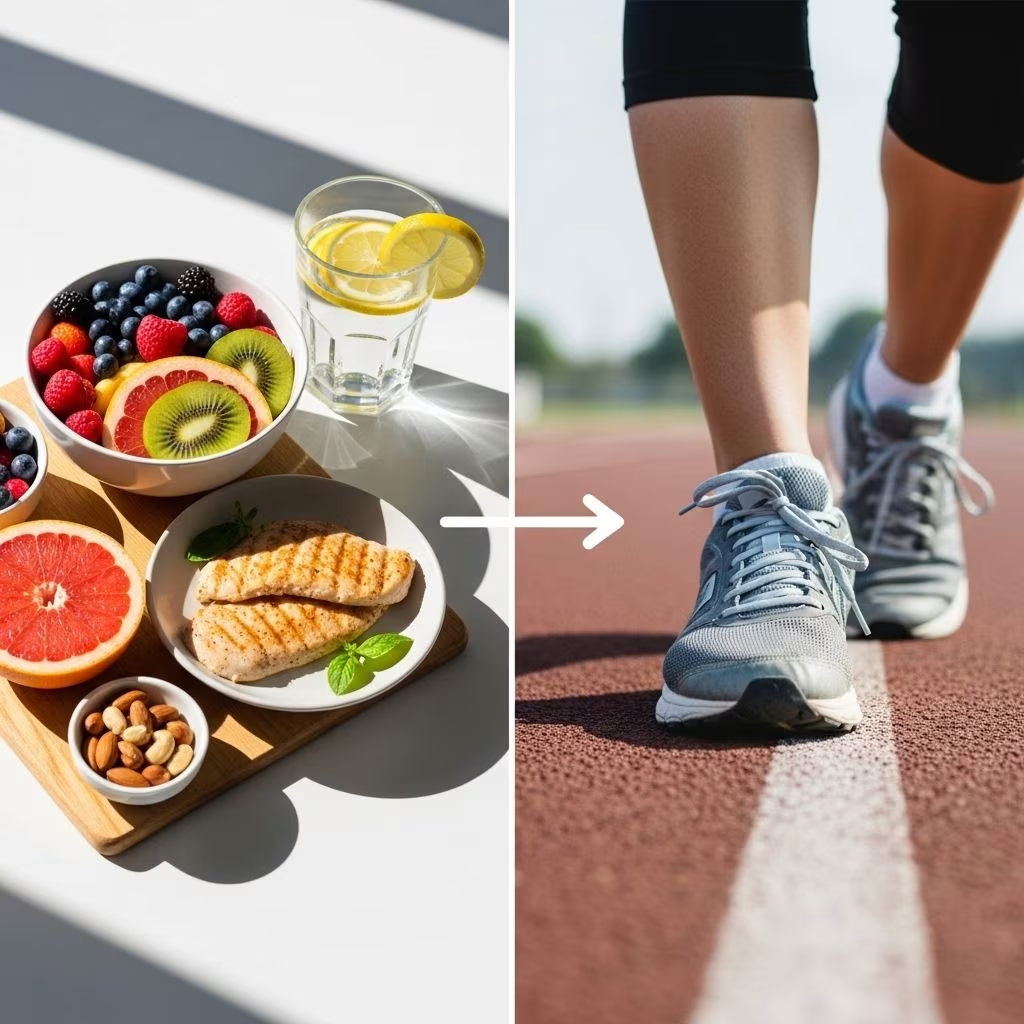
2 Simple Strategies Proven to Boost Weight Loss
Losing weight is often perceived as requiring intense commitment—hours in the gym, rigid meal plans, and endless calorie counting. But research-backed strategies can make the process smoother and more sustainable, focusing on simple behavioral changes that leverage everyday routines. This article explores two powerful yet overlooked habits: increasing non-exercise activity thermogenesis (N.E.A.T.) and practicing mindful eating. Both methods are supported by experts and can enhance fat burning, prevent weight regain, and help you develop a healthier relationship with food.
What Is N.E.A.T. and Why Does It Matter?
Non-Exercise Activity Thermogenesis (N.E.A.T.) refers to all the calories you burn by performing activities outside formal exercise, sleep, and digestion. These movements—walking, fidgeting, doing household chores, standing, or even tapping your feet—are an overlooked opportunity for weight loss.
- Unlike scheduled workouts, N.E.A.T. is the sum total of casual, spontaneous motion throughout your day.
- Experts estimate that N.E.A.T. can account for more than 40% of daily energy expenditure—far higher than calories burned during a typical gym session.
- Small changes can add up quickly, especially for people who are sedentary for much of the day.
How Increasing N.E.A.T. Boosts Your Weight Loss
Simple tweaks to daily habits increase calorie burn over time. Examples include:
- Walking: Take more steps by choosing stairs instead of elevators, parking farther away, or adding a walk after meals.
- Standing: Use a standing desk, stand while folding laundry, or pace during phone calls.
- Household Chores: Activities like vacuuming, gardening, and cooking all contribute.
- Fidgeting: Even seemingly minor motions can burn more calories than sitting still.
Increasing N.E.A.T. is particularly valuable during periods of low physical activity or cold weather, when traditional exercise may decline.
Practical Tips to Raise Your N.E.A.T. Every Day
- Stand up and stretch every hour.
- Do calf raises while brushing teeth.
- Pace or march in place during work calls or TV commercials.
- Set a timer to remind yourself to walk for a few minutes.
- Clean your home regularly—sweeping, mopping, or disinfecting burns calories.
Consistency is key; small efforts over weeks lead to significant cumulative energy expenditure.
The Power of Mindful Eating
Mindful eating is the practice of paying deliberate attention to your hunger, the eating experience, and your body’s satiety signals. Developed from principles used in mindfulness meditation, this approach can profoundly affect your eating patterns and ultimately your weight.
- Helps you distinguish between physical and emotional hunger.
- Encourages slower eating, which gives your brain time to receive fullness signals, making overeating less likely.
- Reduces distracted eating—such as snacking while scrolling your phone or watching TV—that leads to excess calorie intake.
Key Steps to Practice Mindful Eating
- Eliminate distractions: Turn off screens and pause phone use during meals.
- Eat slowly: Chew thoroughly, pause between bites, and savor flavors.
- Notice hunger and fullness: Begin eating only when hungry and stop when comfortably full.
- Engage your senses: Pay attention to odors, textures, and flavors.
- Practice gratitude: Reflect on the source and benefit of your food.
Research shows that people who eat mindfully consume fewer calories and experience greater satisfaction from their meals.
Science Behind These Strategies
Why do N.E.A.T. and mindful eating work? The answer lies in energy balance and appetite regulation:
- N.E.A.T. influences metabolism by increasing daily energy expenditure without triggering compensatory increases in appetite.
- Mindful eating reconnects you with hunger signals, counteracting common patterns of overeating and emotional eating.
| Strategy | Main Effect | Additional Health Benefits |
|---|---|---|
| N.E.A.T. | Burns extra calories without exercise | Improved metabolic health, higher mobility, better mood |
| Mindful Eating | Regulates portion size and prevents overeating | Better digestion, reduced cravings, healthier food choices |
Frequently Asked Questions (FAQs)
What is N.E.A.T. and how is it different from exercise?
N.E.A.T. (Non-Exercise Activity Thermogenesis) refers to all daily movement not classified as structured exercise, such as walking, standing, or fidgeting. Unlike planned workouts, N.E.A.T. is woven into your normal routine.
Can mindful eating help with portion control?
Yes. Mindful eating keeps you attuned to your body’s hunger and fullness signals, helping you consume appropriate portions and avoid unnecessary snacking.
Is boosting N.E.A.T. effective for people who have trouble exercising?
Absolutely. Increasing daily movement is ideal for those unable to engage in regular exercise due to constraints like schedule, injury, or motivation.
How long does it take to see results from these strategies?
Results vary, but consistent application over several weeks typically leads to noticeable changes in energy levels, body composition, and appetite control.
Do these strategies replace the need for a healthy diet?
No. N.E.A.T. and mindful eating are meant to complement, not replace, sound nutritional habits. For best results, combine them with balanced meals and adequate hydration.
Nutritional Habits That Amplify Weight Loss
While movement and mindfulness are crucial, dietary adjustments are the backbone of any weight loss journey. Expert advice suggests focusing on these habits:
- Eat more fiber: Fiber expands in your stomach, suppresses appetite, and promotes gut health. Strive for at least 25 grams daily from whole grains, vegetables, fruits, and legumes.
- Increase protein intake: Protein boosts satiety and burns more calories during digestion. Aim for 20 grams per meal from sources like lean poultry, fish, eggs, and dairy.
- Add healthy fats: Fat supports prolonged fullness and blood sugar stability. Incorporate avocado, olive oil, nuts, seeds, and oily fish, maintaining 20–35% of total daily calories as fat.
- Balance carbohydrate selection: Choose whole, high-fiber carbs and avoid over-reliance on refined grains or sugars.
Foods to Emphasize for Fat Burning
- Berries and citrus fruits
- Leafy greens (spinach, kale)
- Whole grains (quinoa, brown rice)
- Fatty fish (salmon, mackerel)
- Nuts, seeds, and legumes
Habits That Sabotage Weight Loss
For maximum benefit, avoid practices that undermine these strategies:
- Drinking your calories: Sugary beverages and even diet sodas are less filling than solid food and are consistently linked to weight gain.
- Distracted eating: Eating while multitasking leads to higher calorie intake and less satisfaction.
- Skipping meals: Restricting meal frequency often backfires, causing overeating later.
Realistic Goal Setting and Long-Term Success
- Set small, achievable goals. These foster motivation and create momentum over time.
- Track your progress, with food journals or digital apps, to reinforce accountability.
Experts agree: sustainable weight loss is built upon tiny, consistent changes in daily habits, not radical transformations.
Expert Endorsements and Real-World Success
Leading dietitians and personal trainers consistently recommend a combined approach—boosting daily movement and eating mindfully. In studies, participants who practiced both lost more weight and maintained their results longer than those who relied solely on restrictive diets or sporadic exercise.
“It doesn’t seem like much, but these activities add up throughout the day,” says certified dietitian nutritionist, shedding light on the cumulative power of N.E.A.T. Mindful eating, meanwhile, helps you “reconnect intuitively to honor true hunger and fullness.”
Summary Table: Key Factors for Sustainable Weight Loss
| Tip | Primary Benefit |
|---|---|
| Boost N.E.A.T. (Non-Exercise Activity) | Burns more calories effortlessly |
| Practice Mindful Eating | Reduces overeating, increases meal satisfaction |
| Eat More Fiber | Suppresses appetite, improves gut health |
| Increase Protein Intake | Improves satiety, supports muscle mass |
| Limit Liquid Calories | Prevents unnecessary calorie consumption |
| Set Achievable Goals | Supports motivation and long-term adherence |
Final Thoughts
If you’re frustrated by plateaued weight loss or slow results, consider shifting your focus from strenuous exercise or strict diets to these two simple strategies. By increasing everyday movement and practicing mindful eating, you’ll burn more calories, curb mindless snacking, and set the foundation for sustainable changes. Pair these habits with a nutritious diet rich in fiber, lean protein, and healthy fats for extra benefit. Consistency, not perfection, drives lasting success. Start today—your future self will thank you.
References
- https://www.prevention.com/weight-loss/a30188568/lose-weight-without-exercise-0/
- https://www.prevention.com/weight-loss/diets/a60578947/how-to-lose-weight-fast-safely/
- https://www.prevention.com/weight-loss/g24805401/fat-burning-foods/
- https://www.prevention.com/weight-loss/
- https://www.prevention.com/weight-loss/a20478794/boost-metabolism-with-the-high-metabolism-diet/
- https://www.prevention.com/food-nutrition/healthy-eating/a65919516/foods-to-boost-metabolism/
- https://www.prevention.com/weight-loss/a20485086/how-to-boost-metabolism/
- https://www.prevention.com/weight-loss/g20515219/30-simple-ways-to-rev-your-metabolism/
- https://www.prevention.com/weight-loss/a20465042/lose-weight-over-40/
- https://www.prevention.com/weight-loss/diets/a20718413/apple-cider-vinegar-for-weight-loss/


