


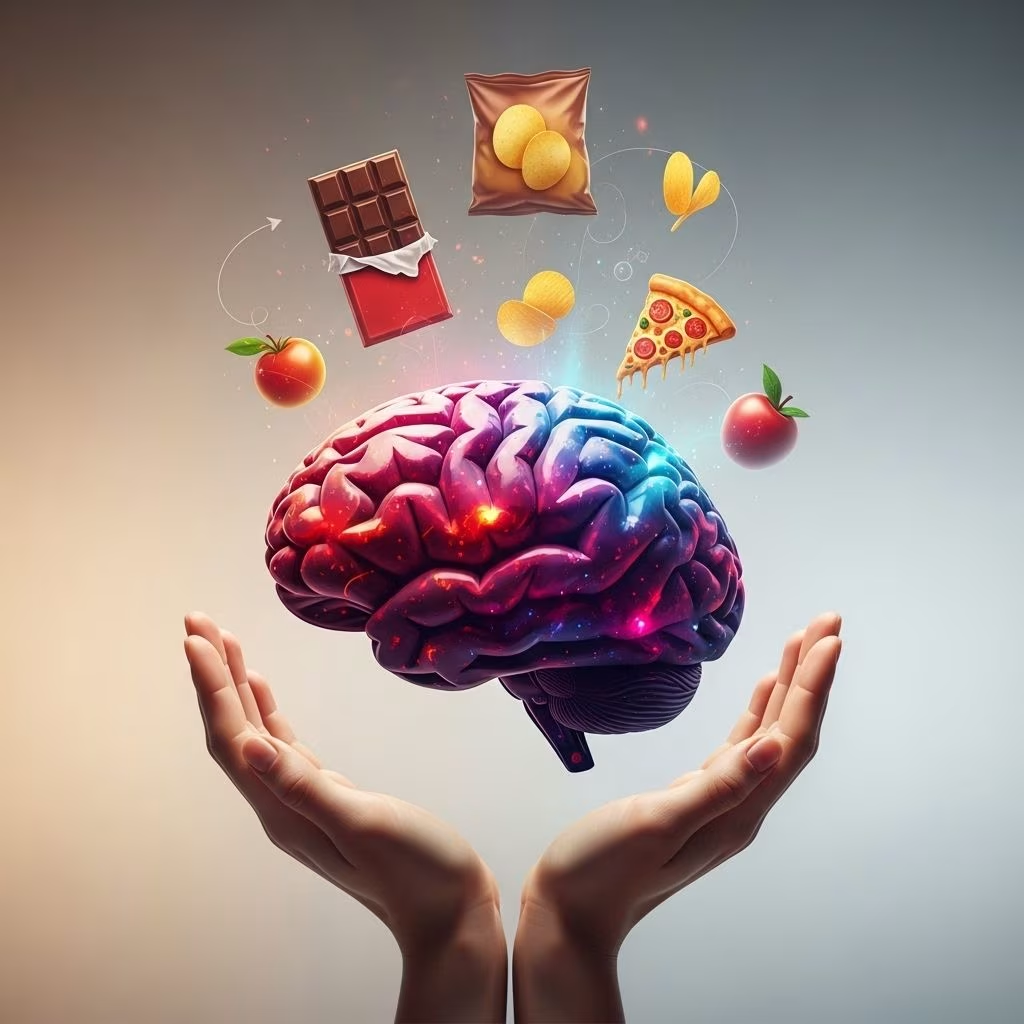
Everyone is familiar with the sudden urge for a chocolate bar at 3 p.m., the desperate search for something salty after a hard day, or the insistence that only a bag of chips will do. Food cravings are common, but few people understand what’s truly driving them. Are they hinting at a nutritional deficiency, emotional need, or something else entirely? This article delves into the most common types of cravings, what science says about their origins, and provides practical, expert-backed advice for responding thoughtfully rather than impulsively.
Understanding Food Cravings: A Scientific Perspective
Food cravings are intense desires to consume specific foods, often unrelated to physical hunger. Unlike regular hunger, which can be satisfied by a variety of foods, cravings tend to be targeted—usually focusing on high-calorie, palatable items such as sweets, salty snacks, or rich, fatty foods. Research indicates these urges are influenced by conditioning, environmental cues, emotions, and sometimes physiological needs.
- Conditioning: Cravings often arise from repeated pairing of certain foods with emotional or situational triggers—like always having dessert after dinner or snacking during stressful moments.
- Cue Reactivity: Exposure to food cues, such as advertisements or seeing others eat, increases the likelihood of craving and, frequently, subsequent eating.
- Nutrition and Physiology: While popular wisdom suggests cravings might signal deficiencies (such as craving chocolate for magnesium), scientific evidence is mixed. Most cravings are more closely tied to habit, culture, and reward-seeking than to a direct lack of a specific nutrient.
- Emotions: Stress, boredom, and sadness can all enhance the urge for comforting foods, particularly those high in sugar, salt, and fat.
Understanding the root of your cravings is the first step to managing them constructively. Now, let’s break down what cravings for specific food types may signify—and the science behind them.
Chocolate Cravings: More Than a Sweet Tooth
Chocolate is one of the most commonly craved foods, especially among women. It’s often associated with emotional comfort and even hormonal fluctuations. But does a craving for chocolate really mean your body needs magnesium or another mineral?
- Emotional comfort: Chocolate stimulates the release of feel-good neurotransmitters like serotonin and dopamine, which makes it especially appealing when you’re feeling stressed or low.
- Habit and reward: If you’ve long relied on chocolate as a treat or reward, your brain is conditioned to crave it during similar moments.
- Hormonal ties: Some evidence links chocolate cravings to hormonal changes, such as those occurring during menstruation.
- Magnesium myth: While chocolate does contain magnesium, research doesn’t support the idea that chocolate cravings are your body’s way of signaling a magnesium deficiency.
Expert Tip: If you enjoy chocolate, opt for a small serving of dark chocolate to satisfy your craving and take note of any patterns related to emotions or stress. If cravings are frequent, consider healthier sources of magnesium, like nuts or leafy greens.
Salty Snack Cravings: Is Your Body Trying to Tell You Something?
Yearning for chips, pretzels, or other salty foods may point to a few potential drivers:
- Hydration issues: Craving salt can in some cases signal dehydration or low electrolyte balance, since sodium helps retain water and balance fluids. However, for most healthy adults, true salt deficiency is rare.
- Stress or fatigue: The crunch and bold flavor of salty snacks often offer distraction and stimulation, particularly during periods of stress or exhaustion.
- Learned pleasure: Habitual consumption of salty snacks as rewards or comfort can make these cravings more about ritual than bodily necessity.
Expert Tip: Drink a glass of water and see if the craving subsides. Pair salty cravings with more nutrient-rich choices—like a handful of nuts—if you find yourself reaching for the chip bag too often.
Sugar Cravings: Biology, Habit, or Both?
Sugar cravings can be notoriously persistent. Are they rooted in biology, or are they mostly psychological?
- Blood sugar swings: Eating refined carbohydrates or sugary foods can create spikes and crashes in blood sugar, leading to repeated cravings for another ‘quick fix.’
- Energy needs: Sometimes, inadequate sleep or missed meals can leave your body seeking fast energy, often in the form of sugar.
- Comfort and routine: Sweet foods are frequently used for soothing emotions or celebrating special occasions, embedding them deeply into daily routines.
Expert Tip: Stabilize your meals with protein, fiber, and healthy fat to help control your blood sugar. If you’re craving sweets, try fruit or a piece of dark chocolate before turning to candy or pastries.
Carb Cravings: Seeking Comfort or Fuel?
Many people crave foods like bread, pasta, or potatoes—especially during colder months or periods of stress. Why?
- Serotonin boost: Carbohydrates promote the release of serotonin, a neurotransmitter that fosters calm and well-being.
- Low energy: If you’re skipping meals or exercising heavily, your body might seek easily accessible energy from starches.
- Emotional associations: Carb-rich foods are classic comfort foods, often tied to childhood or cultural nostalgia.
Expert Tip: Choose complex carbs (like whole grains, beans, and starchy vegetables) over highly refined ones to satisfy cravings while supporting energy and satiety.
Red Meat Cravings: What About Iron?
Cravings for red meat or protein-rich foods sometimes draw attention to possible nutritional needs—most notably, iron or vitamin B12 deficiencies.
- Potential deficiency: If you avoid meat or have heavy menstrual cycles, consider checking your iron and B12 levels. Persistent, intense red meat cravings could signal a need for these nutrients.
- Satisfaction factor: Red meat and protein-rich meals are more filling and may help curb other cravings by promoting satiety.
Expert Tip: Include other iron-rich foods in your diet, such as beans, lentils, spinach, or fortified cereals, alongside lean meat or plant-based sources if needed. Talk to a healthcare provider before self-diagnosing a deficiency.
Cheese and Dairy Cravings: Is It About Calcium?
Cheese, yogurt, and ice cream cravings can be intense. Do these really suggest calcium needs, or is something else at play?
- Creamy comfort: Dairy foods offer rich, comforting textures and flavors that can help soothe emotions or satisfy a need for indulgence.
- Calcium connection: While calcium is essential, cravings for dairy rarely correlate directly with calcium deficits. Instead, they are usually tied to habit and comfort.
- Fat and protein: Cheese and some dairy products also contain protein and fat, which provide both satisfaction and sustained energy.
Expert Tip: Opt for plain Greek yogurt, cottage cheese, or a small amount of flavorful cheese to meet cravings with added nutrition and less excess fat or sugar.
Caffeine Cravings: Is It More Than the Habit?
The daily urge for coffee, tea, or cola is common. Caffeine cravings can indicate dependence, habit, or fatigue—but they’re rarely tied to a biological need.
- Stimulation: Caffeine bolsters alertness, so cravings often emerge during energy lulls or moments of fatigue.
- Ritual and social cues: The cultural and habitual nature of a morning coffee ritual or afternoon tea can fuel cravings through sheer routine, not nutritional need.
Expert Tip: If you crave caffeine, check your sleep hygiene and hydration. Swap in herbal teas or water during some of your usual coffee breaks, or at least reduce added sugars and creamers.
Ice Cravings: A Sign of Pica?
Craving and chewing ice, known as pagophagia, can be a sign of iron deficiency anemia or, rarely, other medical conditions. If you’re regularly compelled to eat ice, consider consulting your healthcare provider.
Fruit and Veggie Cravings: A Healthy Signal?
Much less common, but some people crave fresh fruits or crunchy vegetables—usually when seeking hydration, fiber, or a palate cleanser. While these cravings are typically healthy, pay attention if they’re sudden or intense, as they could also signal an underlying need for water or certain vitamins.
How to Outsmart Cravings: Evidence-Backed Strategies
Regardless of what sparks your craving, it’s possible to manage urges without resorting to deprivation or guilt. Research and clinical practice point to several effective approaches:
- Reduce exposure to trigger foods: The less frequently you consume highly craved foods, the less power cravings tend to hold. Habit-breaking is often more effective than portion control alone.
- Identify emotional triggers: Use a craving log to spot patterns. Are you more likely to crave sweets when stressed or bored? Find alternative ways to address these emotions—like walking, meditation, or calling a friend.
- Practice mindful eating: Pause before acting on a craving. Ask yourself what you’re really seeking—comfort, distraction, or energy?
- Support your body with balanced meals: Regular meals with sufficient protein, fiber, and healthy fats can stabilize blood sugar and curb intense urges.
- Try cognitive strategies: Reappraise the food by focusing on its negative consequences (for unhealthy cravings) or positive benefits (for healthy ones). Such mental training has been shown to reduce cravings and improve food choices.
Table: Common Cravings and What They May Mean
| Craved Food | Possible Meaning | How to Respond |
|---|---|---|
| Chocolate | Emotional comfort, habit, mild magnesium link | Opt for dark chocolate, note triggers, try magnesium-rich foods |
| Salty Snacks | Stress response, dehydration, habitual cue | Hydrate, choose nuts/popcorn, note emotional cues |
| Sweets | Blood sugar swings, habit, emotional soothing | Eat balanced meals, try fruit or small sweets |
| Red Meat | Possible iron/B12 need, satiety | Include other iron sources, seek medical advice if persistent |
| Dairy | Creamy comfort, calorie need, rare calcium need | Choose yogurt, cottage cheese, or small cheese portions |
| Caffeine | Habit, fatigue | Check sleep, hydrate, reduce added sugars |
| Ice | Possible iron deficiency | See a healthcare provider |
Frequently Asked Questions (FAQs) About Food Cravings
Q: Are food cravings always related to nutritional deficiencies?
A: Most cravings are conditioned responses to food cues, emotions, and habits, not deficiencies. Persistent or unusual cravings (like ice) may indicate a deficiency—consult with a healthcare provider if unsure.
Q: Can you reduce cravings by eating small portions of craved foods?
A: Research suggests that reducing the frequency of eating a craved food is more effective than simply eating less of it. Gradual reduction in exposure helps break the habit.
Q: What’s the difference between hunger and cravings?
A: Hunger is a physiological need for energy, eased by any food, while cravings are psychological urges for specific foods, often irrespective of true need.
Q: Do cravings increase during certain times, like menstruation or stress?
A: Yes, hormonal fluctuations, stress, fatigue, and even boredom can amplify cravings—especially for chocolate, sweets, and salty foods. Recognizing these triggers can help you manage responses constructively.
Key Takeaways: Mastering Your Cravings
- Cravings are usually about psychology, patterns, and environment rather than precise nutritional needs.
- Understanding your triggers—emotional, situational, or physiological—can empower you to respond with awareness.
- Balanced nutrition, consistent routines, and mindfulness can reduce the grip of cravings over time.
Food cravings are a normal part of life and don’t have to derail your health journey. With a better understanding of why these urges arise and a few science-backed strategies, you can respond wisely and build a healthier relationship with food.
References
- https://pmc.ncbi.nlm.nih.gov/articles/PMC5529244/
- https://pmc.ncbi.nlm.nih.gov/articles/PMC7321886/
- https://www.frontiersin.org/journals/digital-health/articles/10.3389/fdgth.2023.1163386/full
- https://www.prevention.com/weight-loss/a20466650/how-to-stop-food-cravings-and-overeating/
- https://www.prevention.com/food-nutrition/a64590822/how-to-stop-sugar-cravings-fast/
- https://www.prevention.com/weight-loss/g20508005/7-ways-to-control-cravings/
- https://www.heart.org/en/news/2024/07/26/where-do-food-cravings-come-from-and-can-we-stop-them
- https://nutritionsource.hsph.harvard.edu/cravings/


