


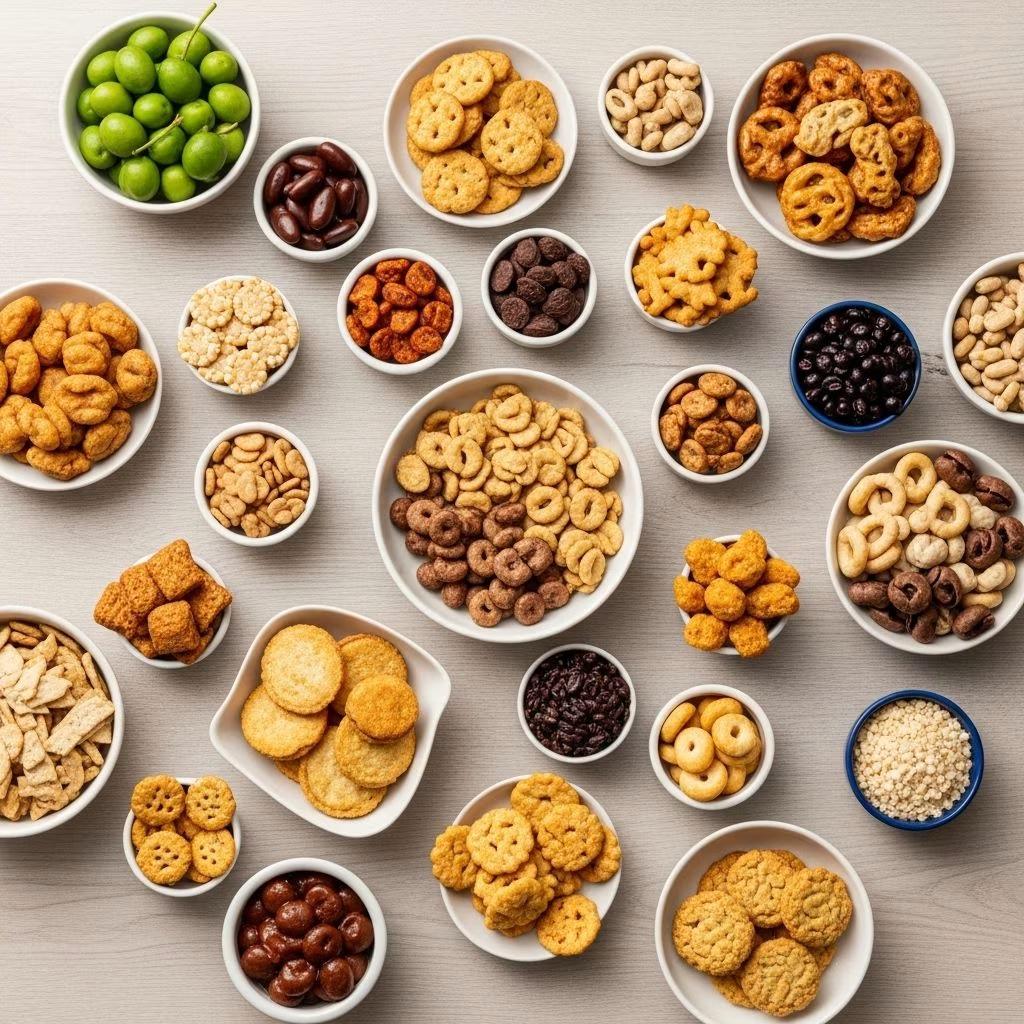
25 Low-Sugar Snack Ideas for Healthier Eating
Snacking often gets a bad rap, but choosing the right snacks—especially those that are low in sugar—can deliver essential nutrients and help you stay satisfied between meals. Whether you’re managing blood sugar, seeking better nutrition, or simply trying to curb your sweet tooth, there are plenty of simple, delicious low-sugar options available.
Why Low-Sugar Snacks Matter
Consuming too much added sugar is linked to weight gain, type 2 diabetes, heart disease, and other chronic health conditions. The Centers for Disease Control and Prevention recommends limiting added sugars to less than 10% of daily calories, which equates to about 6 teaspoons per day for women and 9 for men. Choosing snacks with minimal sugar is a smart way to cut cravings, stabilize energy, and support a healthy lifestyle.
Tips for Choosing Healthy, Low-Sugar Snacks
- Read nutrition labels: Look for snacks with less than 5 grams of sugar per serving. Beware of hidden sugars: organic cane juice, corn syrup, molasses, fructose, maltose, and so on.
- Favor whole foods: Opt for snacks made from nuts, seeds, dairy, eggs, or unsweetened grains over highly processed options.
- Embrace naturally sweet foods: Berries, oranges, and other fruit add flavor and nutrients without added sugars.
- Pair protein and healthy fats: Combine fiber-rich carbohydrates with protein or fat to slow sugar absorption and boost satisfaction.
- Balance convenience and nutrition: Pre-packaged snacks can be healthy; just scan the ingredients for added sugars and preservatives.
The Ultimate Low-Sugar Snack List
Here are nutritious, low-sugar snack ideas featured and recommended by dietitians for better energy and less sugar.
1. Cottage Cheese and Tomatoes
Top half a cup of cottage cheese with sliced tomato. This snack delivers protein, calcium, and filling fats plus disease-fighting lycopene—all with minimal carbohydrates.
- Protein: 12g per serving
- Sugar: ~2g per serving
- Bonus: Hydrating and supports immune health
2. Cheese Crisps (Whisps)
100% real cheese baked into crunchy, bite-sized crisps. These single-ingredient snacks are gluten-free, lactose-free, and contain no preservatives.
- Protein: 6–9g per serving
- Sugar: 0g per serving
3. Raw Veggies with Diabetes-Friendly Dip
Munch on zucchini, cucumber, daikon, radishes, mushrooms, fennel, or sweet peppers paired with a flavorful, low-sugar dip.
- Dip ideas: Guacamole, hummus, bean dip, Greek yogurt dip
- Low in carbs and calories
4. Dark Chocolate Coconut Bars (UNREAL)
Enjoy a small, sweet treat without guilt: these bars contain just 8g total carbohydrates and 3g added sugar, with no sugar alcohols or artificial sweeteners.
- Calories: 70 per bar
- Gluten-free & sodium-free
5. Avocado & Turkey Lettuce Cups
Layer sliced avocado and nitrate-free turkey or ham in crisp lettuce leaves for a portable snack combining healthy fats and lean protein.
- No added sugars
- Supports blood sugar balance
6. Flavored Pumpkin Seeds (SuperSeedz)
Pumpkin seeds are rich in good fats, plant-based protein, and vitamin E. Flavored varieties are available but avoid those with added sugars and opt for spicy, savory, or unsweetened options.
- Fiber and vitamin E boost
- Great for immune and skin health
7. Edamame
A handful of shelled edamame provides plant-based protein, fiber, and phytoestrogens that may help beat PMS or perimenopause-driven sugar cravings.
- Protein: 9g per 1/2 cup
- Sugar: 2–3g per 1/2 cup
8. Fresh Berries
Strawberries, raspberries, blueberries, and blackberries are packed with antioxidants, vitamin C, and fiber while remaining low in sugar.
- Example: 1/2 cup blueberries = 7g sugar
- Excellent choice for a sweet fix
9. Greek Yogurt (Unsweetened)
Rich in protein and calcium, plain Greek yogurt supplies about 5g sugar per 6 oz serving, as opposed to sweetened varieties which can contain 20g or more.
- Mix with nuts or seeds for added crunch
- Boost gut health
10. Nut Butter and Celery Sticks
Natural nut butters (peanut, almond, cashew) without added sugars; pair a tablespoon with celery sticks for fiber and healthy fats.
- Protein: 3–5g per serving
- Sugar: <1g per serving
11. Hard-Boiled Eggs
Convenient, protein-packed, and naturally sugar-free. Season with pepper or paprika for extra flavor.
- Protein: 6g per egg
- Sugar: 0g
12. Roasted Chickpeas
Crunchy, savory legumes provide protein, fiber, and various minerals with minimal sugar.
- Fiber: 3g per serving
- Sugar: 1–2g per serving
13. No-Sugar-Added Jerky
Beef, turkey, or salmon jerky made without sugar offers savory, protein-rich satisfaction on the go.
- Protein: 7–10g per serving
- Sugar: 0g per serving (choose carefully)
14. Nut Mixes and Trail Mix
Make your own mix with unsweetened nuts and seeds (almonds, walnuts, cashews, pumpkin seeds, sunflower seeds). Add unsweetened dried fruit sparingly.
- Healthy fats to slow sugar absorption
- Steady energy, especially when paired with a small amount of fruit
15. Sliced Apple with Almond Butter
Apples offer fiber and vitamins; almond butter adds satisfying fat and a protein boost. Choose nut butters with no added sugars.
- Sugar: Nature’s own, about 10g per medium apple
- Protein: 3g per tablespoon almond butter
16. Chia Pudding
Combine chia seeds with unsweetened almond or coconut milk; let sit overnight and top with strawberries or cinnamon.
- High in fiber, omega-3 fatty acids, and completely customizable
- No added sugars unless you choose to add them
17. Rice Cakes Topped with Avocado
Use plain (unsweetened) rice cakes, pile on mashed avocado, salt, and pepper for a crunchy, creamy snack with healthy fats.
- Sugar: <1g per rice cake
18. Sliced Bell Peppers and Hummus
Bells offer vitamin C and satisfying crunch; hummus supplies protein, fiber, and flavor with little added sugar.
- Sugar: 2–3g per serving
- Great for snacking between meals
19. Seaweed Snacks
Packaged roasted seaweed sheets are salty, crispy, and almost sugar-free. They deliver iodine and minerals, too.
- Sugar: <1g per serving
20. Cherry Tomatoes and String Cheese
Pair sweet cherry tomatoes with a stick of reduced-fat mozzarella for a protein-plus produce snack.
- Protein: 7g per stick
- Sugar: 2–3g per serving
21. Olives and Roasted Almonds
Olives are low in carbs and sugar, rich in healthy fats; roasted almonds provide crunch and extra protein.
- Sugar: <1g per serving
22. Homemade Veggie Chips
Make chips from kale, zucchini, sweet potato, or carrots with olive oil and seasoning, baked until crisp—just beware of pre-packaged options with added sugars.
- Fiber boost
- Sugar varies, but homemade options are lowest
23. Plain Air-Popped Popcorn
Three cups of air-popped popcorn contain about 1g sugar, 90 calories, and 3g fiber, making it a crunchy, filling snack.
- No added sugar if made at home
24. Sliced Cucumber with Tuna Salad
Cucumbers keep snacks hydrating and low in calories; top with tuna salad (made with plain Greek yogurt and mustard) for extra protein.
- Sugar: <1g per serving
25. Ricotta Cheese on Whole-Grain Crackers
Spread a tablespoon of ricotta on one or two small, unsweetened whole-grain crackers for a calcium-rich bite.
- Protein: 2–3g per serving
- Sugar: 1g per serving
Expert Strategies for Managing Sugar Cravings
Cravings for sweets don’t just stem from hunger. Between hormonal fluctuations, low energy, and blood sugar dips, there are many triggers. Here’s how experts recommend combating cravings:
- Eat protein and healthy fats regularly: These nutrients help stabilize blood sugar and maintain satiety.
- Prioritize sleep: Poor rest increases cravings; swap sugar for caffeinated tea or coffee as an energy booster.
- Address hormonal shifts: PMS or perimenopause can drive cravings—snack on edamame for its plant estrogens.
Pair fruit or sweets with nuts to slow sugar absorption. For instance, mix almonds with a handful of unsweetened dried fruit or add grilled chicken to pasta salad.
Key Nutritional Considerations for Low-Sugar Snacks
| Snack Type | Protein (g) | Sugar (g) | Fiber (g) | Calories (approx) |
|---|---|---|---|---|
| Cheese Crisps | 7 | 0 | 0 | 100 |
| Greek Yogurt (plain) | 17 | 5 | 0 | 100 |
| Raw Veggies & Dip | 2 | <2 | 2 | 40 |
| Pumpkin Seeds | 8 | 0 | 2 | 140 |
| Hard-Boiled Eggs | 6 | 0 | 0 | 78 |
| Dark Chocolate Coconut Bar | 1 | 3 | 2 | 70 |
Frequently Asked Questions (FAQs)
Q: What’s the difference between natural and added sugars?
A: Natural sugars appear in fruits, vegetables, and dairy. Added sugars are inserted during processing, like table sugar, honey, agave, and corn syrup.
Q: How much sugar should I eat in a day?
A: Experts suggest keeping added sugars to less than 25g per day for women and 36g for men.
Q: Can low-sugar snacks still be satisfying?
A: Yes. Protein, fiber, and healthy fats play a major role in satisfaction—focus on foods like cheese, yogurt, eggs, nuts, and vegetables.
Q: Are packaged low-sugar snacks healthier than homemade versions?
A: Packaged snacks may contain preservatives, excess sodium, and hidden sugars; homemade options allow full control over ingredients.
Q: What if I have diabetes—can I eat fruit?
A: Fruit can be part of a diabetes-friendly diet. Choose whole, high-fiber fruits and portion carefully. Avoid dried fruits with added sugars.
Actionable Takeaways
- Check food labels for all forms of sugar.
- Prioritize snacks with protein, fiber, and healthy fats for steady energy and stabilized appetite.
- Stock up on easy, portable options like cheese crisps, hard-boiled eggs, and pumpkin seeds.
- Enjoy nature’s sweets in moderation—fresh fruit, dark chocolate—and balance them with savory, nutrient-dense foods.
Conclusion: Smart Low-Sugar Snacking
Choosing low-sugar snacks doesn’t mean giving up flavor or satisfaction. With a little planning and attention to nutrition labels—and prioritizing whole foods—you can find delicious, filling options to support every goal, from better blood sugar control to weight loss and energy management. Try a few new combinations, mix up your choices, and enjoy snacking that’s as good for you as it is tasty.
References
- https://www.prevention.com/food-nutrition/healthy-eating/a22750967/healthy-snacks-for-diabetics/
- https://www.prevention.com/food-nutrition/healthy-eating/a20500668/low-sugar-diet/
- https://www.prevention.com/food-nutrition/healthy-eating/g29995937/healthy-sweet-snacks/
- https://www.prevention.com/weight-loss/g27323543/low-calorie-snacks/
- https://www.prevention.com/food-nutrition/g20433289/no-bake-energy-bites/
- https://www.prevention.com/health/health-conditions/a20478592/low-gi-foods/
- https://www.prevention.com/food-nutrition/a20517400/no-sugar-challenge/
- https://www.prevention.com/food-nutrition/
- https://www.prevention.com/fitness/a20457971/pre-workout-snacks/
- https://www.prevention.com/food-nutrition/healthy-eating/g34125610/healthy-snack-awards-2020/


