


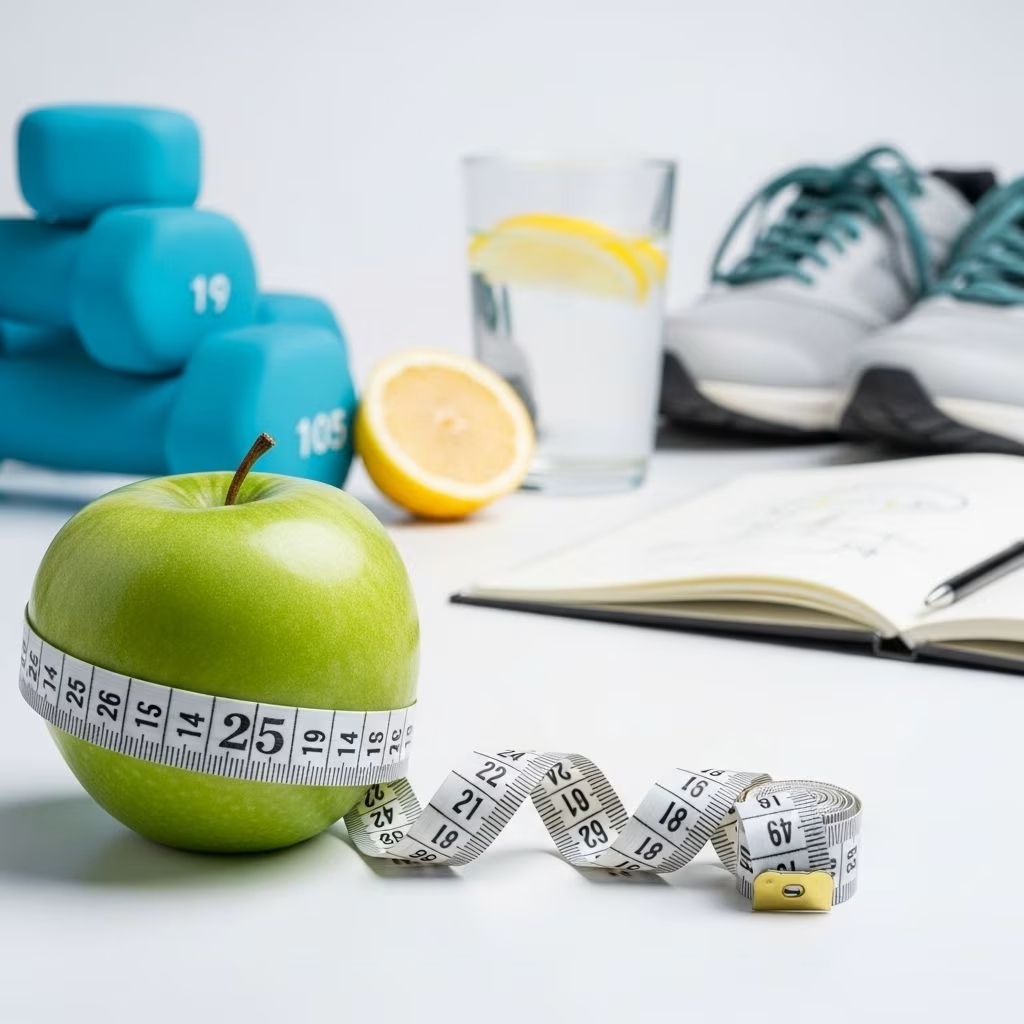
25 Proven Weight Loss Tips for Lasting Success
Losing weight is a major achievement, but the real challenge lies in keeping it off. While diets and quick fixes may offer temporary results, long-term success is rooted in adopting healthy habits and a sustainable approach. Below you’ll find 25 expert-backed weight loss tips covering nutrition, exercise, mindset, and lifestyle, designed to help you not only achieve your weight loss goals but also maintain them for life.
1. Don’t Return to Old Habits
Maintaining weight loss requires sticking to the healthy changes that helped you lose weight in the first place. Whether you cut down on sugar, started exercising regularly, or drink more water, it’s essential to continue these habits for ongoing success. Reverting to old routines often leads to regaining lost weight.
2. Embrace Variety in Your Routine
Sticking to the same foods or workouts can be monotonous and lead to burnout. Vary your meals, try new recipes, and switch up your exercise routines. Explore activities like yoga, dancing, or cycling—enjoyment helps make healthy living sustainable.
3. Practice Lifting Weights
Regular resistance training builds muscle, which boosts metabolism and burns more calories—even at rest. According to research, a brief daily strength workout results in less belly fat accumulation than cardio alone. Incorporate free weights, resistance bands, or bodyweight exercises into your schedule.
4. Don’t Skip Breakfast
Eating a nutritious breakfast kick-starts your metabolism and encourages overall healthier habits throughout the day. Studies show that breakfast eaters are more likely to exercise and maintain their weight loss. Opt for a balanced meal with lean protein and whole grains, such as egg whites in a whole wheat wrap or oatmeal prepared with low-fat milk.
5. Focus on Balanced Meals
Building your diet around nutrient-dense foods—fruits, vegetables, whole grains, lean proteins, and healthy fats—promotes satiety and provides essential nutrients. Minimize added sugars and processed foods, which can sabotage weight loss and overall health.
- Lean proteins: Chicken, fish, tofu, legumes
- Plant-based fats: Avocado, nuts, olive oil
- Whole grains: Brown rice, quinoa, oats
6. Allow Yourself Treats in Moderation
Deprivation rarely works in the long run and can lead to binge eating. Indulge mindfully in foods you love now and then. A conscious approach to treats maintains your willpower and sense of balance.
7. Move Every Day
Regular physical activity helps you burn calories, maintain muscle mass, and boost mental health. To sustain weight loss, aim for daily movement—even walks, stretching, or household chores count. Most successful maintainers burn about 2,000 calories weekly through exercise, equivalent to four hours of running or brisk activity per week.
8. Prioritize Protein
Protein promotes satiety, stabilizes blood sugar, and supports muscle retention during weight loss. Add sources like eggs, Greek yogurt, cottage cheese, fish, or beans to each meal. Increasing your protein intake modestly while reducing carbs can help with fat loss without losing muscle.
9. Don’t Beat Yourself Up Over Slip-Ups
Everyone has days of less-than-ideal eating. Instead of feeling guilty or overcompensating, get back on track the next day and focus on sustainable habits. Studies show food guilt can actually undermine weight loss, so be kind to yourself.
10. Eat High-Fiber Foods
Fiber keeps you fuller for longer and regulates digestion. Natural sources include whole grains, vegetables, fruits, and legumes. A fiber-rich diet also helps prevent calorie overconsumption and promotes gut health.
11. Hydrate Properly
Drinking enough water is essential for metabolism and reducing hunger. Adequate hydration also helps your body efficiently process nutrients and can help prevent mistaking thirst for hunger. Carry a water bottle and aim for 8–10 cups daily.
12. Sleep Well
Lack of sleep interferes with hormone regulation and increases cravings for unhealthy foods. Prioritize 7–8 hours of restful sleep per night—consistent sleep patterns support healthy metabolism and decision-making.
13. Monitor Your Progress—But Don’t Obsess
Track your weight, food intake, physical activity, and emotional triggers, but avoid obsessing over daily fluctuations. Focus on overall trends, and use the information to adjust and stay motivated.
14. Manage Stress Effectively
Chronic stress increases cortisol, which can drive overeating and abdominal fat gain. Use stress-reduction methods such as meditation, deep breathing, exercise, or time in nature to support your mental and physical health.
15. Prioritize Your Mental Health
Mental wellness is as important as physical health. Research shows that depression and anxiety make maintaining weight loss harder. Address emotional challenges with self-care, and seek support from professionals if needed.
16. Limit Screen Time
Spending hours in front of the TV or computer is associated with higher weight regain. Most successful weight loss maintainers watch less than 10 hours of TV per week, freeing up time for activity and social interaction.
17. Load Up on Fruits and Vegetables
Produce provides vitamins, minerals, and filling fiber—at low calorie counts. Healthy weight maintainers include veggies at most dinners and breakfast, and choose fruits as snacks. Try to hit at least five servings of fruits and vegetables per day.
18. Cook More Meals at Home
Home-cooked meals give you control over ingredients, portion size, and nutrition. Regularly preparing food at home is linked with easier weight management, so develop basic cooking skills and create a roster of healthy go-to recipes.
19. Limit Added Sugars
Added sugars contribute to weight gain, especially when consumed frequently in beverages, desserts, and processed snacks. Read labels and limit foods high in added sugars to support weight loss and overall health.
20. Practice Mindful Eating
Slow down and savor each bite—mindful eating improves satisfaction and prevents overeating. Avoid distractions during meals and listen to hunger and fullness cues.
21. Make Physical Activity Enjoyable
Choose exercises and movement you genuinely enjoy, whether it’s swimming, hiking, team sports, or dance. Fun workouts are easier to stick with for the long run.
22. Time Your Snacks Wisely
Strategically choosing snacks keeps your energy steady and curbs hunger. Have a protein-and-carb snack an hour or two before workouts and finish exercise with protein—as simple as a shake or yogurt—to help recover and maintain muscle.
23. Avoid Consuming Extra Calories From Beverages
High-calorie drinks like soda, juice, and alcohol can add up quickly. Opt for water, herbal tea, or unsweetened alternatives to avoid unintentional excess calorie intake.
24. Stay Consistent, Not Perfect
Consistency beats perfection. Focus on small improvements and maintain routines, even after occasional indulgences or setbacks. Building healthy habits that fit your life is more important than striving for flawlessness.
25. Surround Yourself With Support
Share your goals with friends, participate in group activities, or seek guidance from professionals. Positive surroundings foster motivation and make healthy choices easier.
Table: Key Differences Between Short-Term Diets and Sustainable Habits
| Short-Term Diets | Sustainable Habits |
|---|---|
| Restrictive, often monotone | Flexible, diverse |
| Fast initial results | Slower but lasting progress |
| Higher risk of weight regain | Greater chance of maintenance |
| Relies on willpower | Integrates into lifestyle |
| Often unsatisfying | Enjoyable and fulfilling |
Frequently Asked Questions (FAQs)
Q: How much exercise is necessary to maintain weight loss?
A: Most successful maintainers engage in 60–90 minutes of moderate activity daily or aim to burn around 2,000 calories per week through varied movement, which could include walking, biking, or fitness classes.
Q: Is it unhealthy to indulge in favorite foods?
A: Not at all. Allowing yourself occasional treats helps prevent feelings of deprivation and makes your healthy lifestyle more sustainable. Mindful indulgence is key.
Q: Why is muscle mass important during weight loss?
A: Muscle tissue helps keep your metabolism strong. Losing weight through diet alone can result in muscle loss, lowering metabolic rate. Strength training preserves and builds muscle, making it easier to maintain weight loss.
Q: What role does sleep play in weight management?
A: Adequate sleep (7–8 hours) regulates hormones that influence appetite and stress, preventing excess cravings and supporting healthy metabolism.
Q: Should I eliminate all carbohydrates from my diet?
A: No. Whole, unprocessed carbohydrates—such as vegetables, fruits, and whole grains—are vital for energy and health. The key is reducing added sugars and processed carbs while including balanced proportions of healthy carbs in meals.
Start Your Lasting Weight Loss Journey Today
With these expert-backed strategies, you can move beyond temporary fixes and achieve long-term success. Choose the tips that fit your lifestyle and build a routine that supports your health, happiness, and sustainable weight maintenance.
References
- https://www.prevention.com/weight-loss/g20506618/weight-loss-maintenance/
- https://www.prevention.com/health/a65401665/expert-walking-tips-weight-loss/
- https://www.prevention.com/weight-loss/a20461708/weight-loss-tips-3/
- https://www.prevention.com/weight-loss/
- https://www.prevention.com
- https://www.prevention.com/weight-loss/diets/g20440614/25-best-weight-loss-tips-ever/
- https://www.prevention.com/walk-off-weight/
- https://www.prevention.com/weight-loss/g20490240/10-rules-to-live-by-for-long-lasting-weight-loss/
- https://www.cdc.gov/healthy-weight-growth/losing-weight/index.html


