


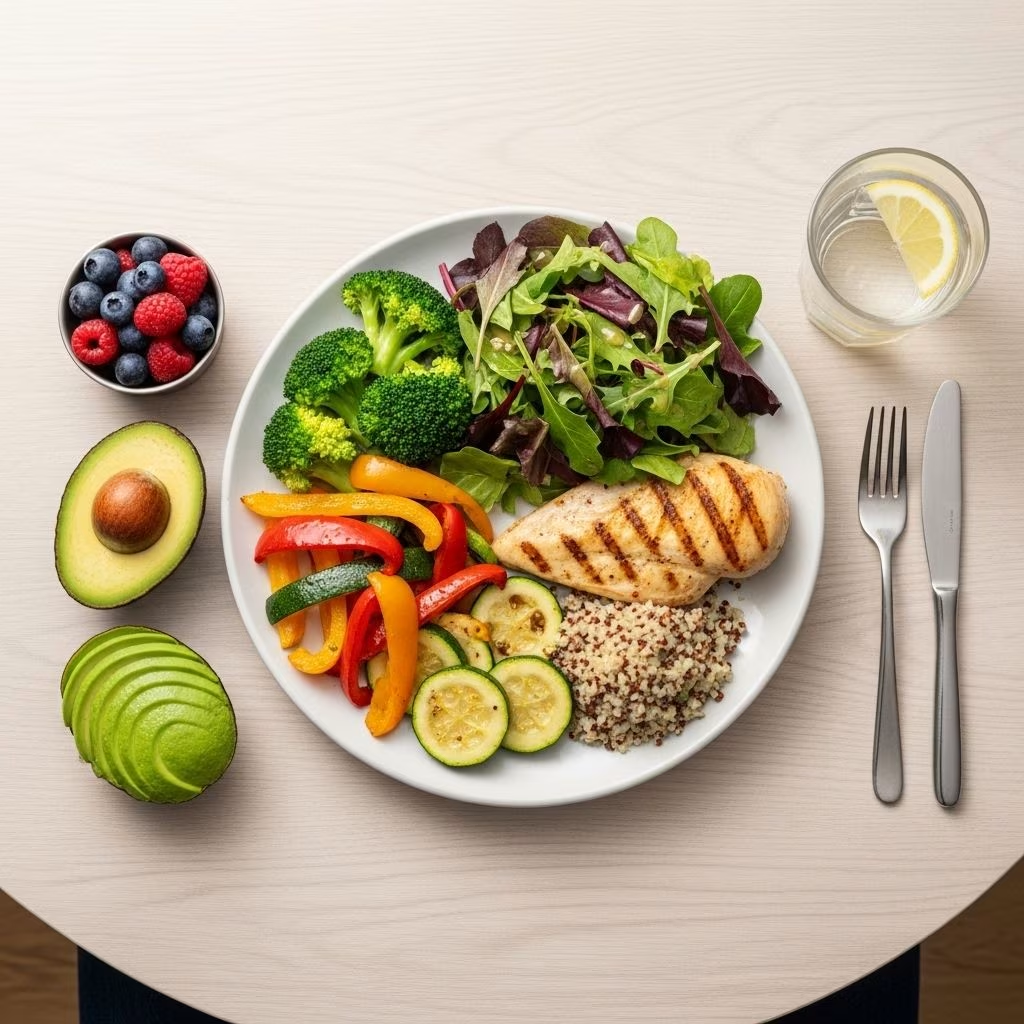
Weight loss can be a complex and overwhelming endeavor, but it doesn’t have to be. The 400-calorie meal plan offers a simple, sustainable solution to calorie control, helping you lose weight without sacrificing satisfaction, variety, or taste at every meal.
Why 400-Calorie Meals Work for Weight Loss
Counting every calorie at every meal is impractical for most people. That’s where the idea of limiting meals to approximately 400 calories comes in. Research and nutrition experts agree this level strikes the right balance between controlling calories and maintaining fullness and nutrition throughout the day. A typical weight loss plan uses three 400-calorie main meals and up to two 150–200-calorie snacks, aiming for a total daily intake of about 1400–1600 calories—a range that allows steady weight loss for most adults.
- Portion awareness: By learning what 400 calories looks like, you develop the skills to assemble balanced meals whether at home or eating out.
- Consistency: 400-calorie meals make calorie budgeting manageable, ensuring you don’t exceed your daily allowance, yet enjoy foods you love.
- Satisfaction: Meals of this size are enough to prevent hunger and keep your metabolism functioning optimally between meals.
This approach was developed with the support of nutritionists like Mindy Hermann, RD. In real-life trials, participants using the 400-calorie meal method lost up to 11 pounds and 3 inches off their waists in just two weeks—and kept losing in subsequent months.
How to Start the 400-Calorie Meal Plan
Transitioning to 400-calorie meals does not require laborious tracking or restrictive eating. Instead, it’s about recognition, substitution, and balance.
- Visualize Your Plate: Use the plate method: half your plate vegetables, one-quarter lean protein, and one-quarter whole grains or starches. Add a small healthy fat serving and flavor with herbs and spices.
- Emphasize Fiber and Protein: Prioritize high-fiber vegetables and lean proteins to help you feel fuller for longer, without excess calories.
- Plan in Advance: Pre-portion snacks and prepare meals ahead of time to avoid calorie creep from grazing or oversized servings.
Use these strategies while eating at home or dining out to keep meals around 400 calories each. Grab-and-go options and restaurant meals can fit the plan with simple modifications, such as skipping cheese, asking for dressing on the side, or halving entries when eating out.
How Many Calories Do You Need?
Most adults unknowingly underestimate their calorie needs. Although the exact number varies, aiming for three 400-calorie meals a day plus one to two snacks brings most individuals into a calorie deficit ideal for gradual, sustainable weight loss (typically, a daily intake of 1200–1600 calories is recommended for women, and 1500–1800 for men, depending on physical activity, age, height, and current weight).
- 400-calorie meals three times a day: 1200 calories
- Snacks (150–200 calories each): 300–400 calories
That brings a daily total to 1500–1600 calories, which supports weight loss for most adults while providing sufficient nutrients and energy. Individual numbers can be tailored with help from a registered dietitian.
What Does a 400-Calorie Meal Look Like?
Building a satisfying, nutritious meal for about 400 calories may be easier than you think. The key is focusing on whole, minimally processed foods, lean proteins, and plant-based ingredients high in fiber and water content.
| Food Group | Examples (per meal) |
|---|---|
| Vegetables | Leafy greens, broccoli, carrots, peppers, tomatoes (fill at least half the plate) |
| Lean Proteins | Chicken breast, tofu, beans, lentils, eggs, fish, cottage cheese |
| Whole Grains/Starch | Brown rice, quinoa, whole-wheat pasta, sweet potato, corn |
| Healthy Fats | Avocado, olive oil (1 tsp), nuts, seeds, hummus (small portions) |
| Fruits | Small apple, berries, orange segments |
Here are some examples of balanced, 400-calorie meals:
- Grilled salmon (3 oz), roasted sweet potato (1/2 cup), and a large mixed green salad with lemon vinaigrette
- Stir-fried tofu (3 oz) with broccoli, carrots, mushrooms, and 1/2 cup cooked brown rice
- Chicken breast wrap with whole-wheat tortilla, lettuce, tomato, peppers, and a small amount of hummus
- Veggie omelet (2 eggs, spinach, tomato), slice of whole-grain toast, and a side of berries
- Lentil soup (1.5 cups) with a slice of whole-grain bread and carrot sticks
For snacks, opt for 150-200 calories of nutrient-dense options like Greek yogurt, a small handful of nuts, sliced vegetables and hummus, or fruit with a cheese stick.
The Best Foods to Include in 400-Calorie Meals
Some foods are more filling, nutrient-dense, and ideal for sustained weight loss than others. Here are star performers to include regularly for variety and satisfaction:
- Berries: Blueberries, strawberries, and raspberries are high in fiber and antioxidants; the fiber helps keep you fuller for longer and balances blood sugar.
- Cruciferous Vegetables: Broccoli, Brussels sprouts, and kale are loaded with fiber and micronutrients, providing volume without many calories.
- Lean Proteins: Chicken breast, fish, beans, lentils, and cottage cheese help preserve muscle mass and enhance satiety.
- Legumes: Beans, lentils, and edamame provide plant-based protein and insoluble fiber which aid digestion and support weight management.
- Whole Grains: Brown rice, quinoa, oats, and whole-wheat pasta are filling and prevent blood sugar crashes.
- Healthy Fats (in moderation): Avocados, nuts, seeds, and olive oil keep meals satisfying and help absorb fat-soluble vitamins.
- Fermented Foods: Greek yogurt and cottage cheese add protein, texture, and gut-friendly probiotics to meals.
Don’t fear a little chocolate: incorporating a square of dark chocolate (with a meal or as a snack) can satisfy sweet cravings, making you less likely to binge later.
Portion Control and Avoiding Hidden Calories
The biggest hurdle in everyday eating is recognizing hidden calories in sauces, oils, restaurant meals, and packaged foods. Here’s how to stay on track:
- Keep sauces, dressings, and oils to a minimum: Measure out small amounts to control calories.
- Avoid bread baskets, chips and dips, and sugary drinks: These add up calories quickly without offering lasting fullness.
- Order smarter when dining out: Ask for grilled instead of fried, skip extra cheese, and request dressings or spreads on the side.
- Double-check serving sizes: Read nutrition labels to accurately estimate calories per portion.
- Add flavor with spices, vinegar, lemon, and herbs instead of heavy fats.
Tips for Sticking to the 400-Calorie Meal Plan
Consistency—not perfection—leads to results. Here are proven ways to stay on track and avoid common pitfalls:
- Prep Ahead: Batch-cook proteins, grains, and veggies in advance for easy meal assembly during the week.
- Use Smaller Plates: Visual cues help prevent oversized portions.
- Befriend the Freezer: Pre-portion meals and snacks so you always have a 400-calorie option ready.
- Mindful Eating: Slow down, chew well, and savor your food; it reduces the likelihood of overeating.
- Listen to Your Body: Check your hunger cues before serving seconds. True hunger, not just appetite or habit, should trigger another meal.
Common Mistakes to Avoid
Even the best plans can be derailed by a few missteps. Watch out for these traps when following a 400-calorie meal strategy:
- Relying too heavily on packaged, processed foods, which often carry added sugars and fats.
- Skipping meals, which can lead to overeating later in the day.
- Neglecting hydration, which can be mistaken for hunger. Drink plenty of water throughout the day.
- Forgetting fiber—meals low in vegetables or whole grains won’t keep you full long.
Sample 3-Day 400-Calorie Meal Plan
Mix and match these sample meal ideas to meet your personal food preferences and schedule. Adjust sides and portions to keep each meal around 400 calories.
| Day | Breakfast | Lunch | Dinner |
|---|---|---|---|
| Day 1 | Greek yogurt (plain, low-fat), a handful of berries, and 1 tablespoon chopped nuts | Grilled chicken salad with mixed greens, cherry tomatoes, cucumber, and balsamic vinaigrette | Baked salmon, steamed broccoli, and 1/2 cup cooked quinoa |
| Day 2 | Omelet (2 eggs, spinach, tomato), whole-grain toast | Turkey and hummus wrap with lettuce, carrot, and bell pepper strips | Lentil soup, small green salad, and 1 slice whole grain bread |
| Day 3 | Overnight oats with skim milk, diced apple, cinnamon, and walnuts | Bean chili with vegetables, topped with a dollop of Greek yogurt | Stir-fried tofu with snap peas, carrots, mushrooms, and brown rice |
Physical Activity Complements Meal Planning
While diet is the cornerstone of weight loss, adding regular activity and strength training accelerates results and helps maintain weight loss long-term.
- Strength training: Build muscle mass at least twice a week. Muscle burns more calories than fat, even at rest.
- Daily movement: Aim for 30 minutes of moderate-intensity activity most days of the week—for example, brisk walking, cycling, or swimming.
Paired with balanced meals, movement amplifies fat loss, toning, and overall well-being.
Frequently Asked Questions
Q: Do I have to count every calorie on the 400-Calorie Plan?
No. Once you learn what balanced 400-calorie meals look like—based on typical portions, simple ingredient swaps, and healthy additions—most meals can be assembled by eye. Focusing on plate balance and wholesome, minimally processed foods makes calorie math almost automatic.
Q: Can I eat out while following the 400-Calorie Plan?
Absolutely. Look for grilled proteins, vegetable-heavy sides, and skip high-calorie extras like creamy sauces or fried toppings. Don’t be afraid to ask for substitutions, half-size portions, or take half the meal home if the serving is large.
Q: Will I be hungry eating just 400 calories per meal?
If you build meals around high-fiber vegetables, lean proteins, and healthy fats, you’ll feel satisfied. Drinking water with meals and eating mindfully further helps fullness. Snack on fruit, vegetables, or yogurt if hunger returns between meals.
Q: What if I have a slower metabolism or higher calorie needs?
The 400-calorie plan is adaptable: add a higher-calorie snack, increase protein, or add more vegetables or whole grains to each meal to meet your unique needs. Speak with a healthcare professional for personalized guidance.
Q: How quickly can I expect to see weight loss?
Most people lose 1–2 pounds per week on a sustainable calorie deficit. Individual results may vary based on factors like activity level, age, and metabolism. Remember, steady loss is easier to maintain long term than rapid weight drops.
Key Takeaways
- 400-calorie meals offer a flexible, sustainable strategy for weight loss, making it easier to budget calories without constant counting or deprivation.
- Fill half your plate with nonstarchy vegetables and balance portions of lean proteins, whole grains, and healthy fats at each meal.
- Practice mindful, consistent eating alongside regular movement for lasting success.
With creativity, preparation, and an eye for balanced nutrition, the 400-calorie meal approach is a proven path to weight loss that keeps you full, satisfied, and energized.
References
- https://www.prevention.com/weight-loss/a20456360/400-calorie-meals-how-to-get-started/
- https://www.prevention.com/weight-loss/g24805401/fat-burning-foods/
- https://www.prevention.com/weight-loss/diets/a60578947/how-to-lose-weight-fast-safely/
- https://www.prevention.com/food-nutrition/g29504714/weight-loss-foods/
- https://www.prevention.com/weight-loss/
- https://www.prevention.com/food-nutrition/healthy-eating/a65664887/ultra-processed-foods-weight-loss-gut-health-study/
- https://www.prevention.com/weight-loss/g20438484/i-photographed-everything-i-ate-for-a-month/
- https://www.prevention.com/weight-loss/a30188568/lose-weight-without-exercise-0/
- https://www.prevention.com
- https://www.prevention.com/food-nutrition/


