


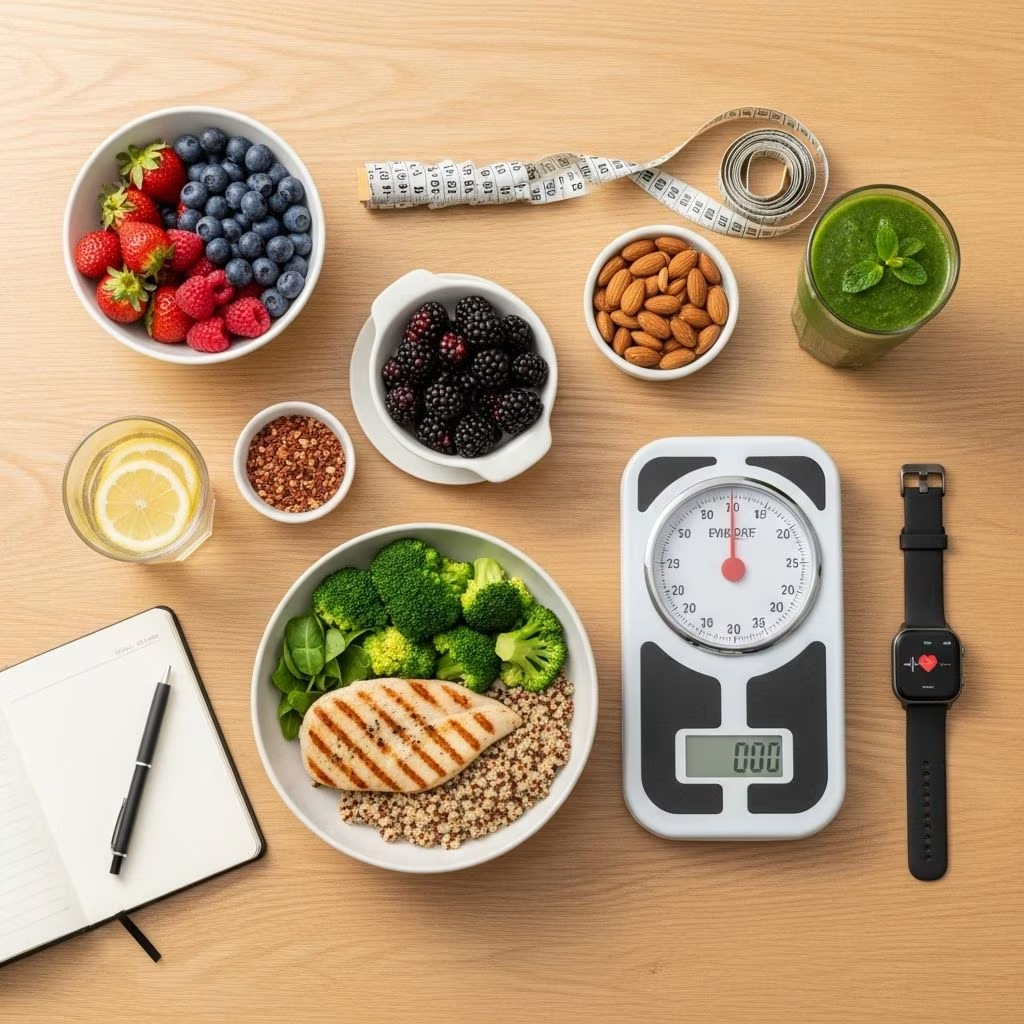
Expert Dieting and Weight Loss Tips for Lasting Results
If you’ve ever tried to lose weight, you’ve likely encountered confusing advice, trendy diets, and quick-fix programs that promise dramatic results. But what truly works for sustainable weight loss? Drawing from the latest research and guidance from nutritionists and fitness professionals, this article distills essential dieting tips and healthy habits that make a lasting difference.
Why Dieting for Weight Loss Is So Challenging
Many people struggle with weight loss because they focus on restrictive diets, quickly cutting out major food groups, or follow plans that are impossible to maintain long-term. Experts emphasize that lasting changes happen with small, sustainable shifts in your everyday habits, rather than overhauling your lifestyle overnight.
- Extreme diets often trigger fatigue, stress, and rebound weight gain.
Dietitians recommend balanced eating over restrictive approaches, suggesting that inflexible rules can harm your relationship with food and prevent lasting progress. - Quick fixes are typically unsustainable.
Rapid weight loss from fad diets can lead your body into starvation mode, promoting muscle loss, water retention, and a slower metabolism.
Healthy weight loss prioritizes overall well-being, nourishment, and emotional health.
Focus on What You Should Eat, Not What You Shouldn’t
It’s natural to stress over foods you “shouldn’t” eat. However, experts recommend flipping this approach:
- Emphasize nourishing foods: Pay attention to fruits, vegetables, whole grains, lean proteins, and healthy fats that you can add to your meals.
- Let healthy choices crowd out the unhealthy ones: By making space for the foods that support your body, cravings for less nutritious foods often decrease naturally.
Instead of making “no junk food” your mantra, focus on ways to enjoy more roasted veggies, fresh fruits, and whole grains. The more you fill your plate with nutritious options, the easier it becomes to manage your weight.
Eat Whole, Real Foods: Avoiding ‘Health’ Product Pitfalls
Choosing foods labeled as ‘healthy’—like diet bars or sugar-free treats—can backfire. Research shows these products are sometimes overeaten and may not provide the natural nutrients your body needs.
- Whole foods are naturally filling and nourishing, helping you manage appetite and avoid hidden sugars or additives found in processed ‘diet’ snacks.
- Examples: Swap out ‘healthy cookies’ for a bowl of berries or homemade veggie soup.
Weight loss tends to happen as a side effect of consistently choosing real foods that fuel your body’s needs.
Move More: Activity Beyond Calorie Counting
While watching calories matters, boosting your calorie expenditure via physical activity is just as vital:
- Government guidelines recommend at least 150 minutes of moderate-intensity activity weekly. This can include brisk walking, swimming, cycling, or group fitness classes.
- Mix strength, cardio, and core work: Engaging different types of exercise prevents boredom and improves results.
- Track your progress: Use an app or keep a journal of your active minutes to stay accountable.
More movement helps preserve muscle mass during weight loss, supports metabolism, and improves overall health.
Eat Balanced Meals and Support Your Metabolism
Nutrition is the cornerstone of effective weight loss. Experts estimate that 70% to 80% of body changes come from what you eat.
- Choose nutrient-dense foods—fresh veggies, whole grains, lean proteins, and healthy fats—that provide lasting satiety and energy.
- Reduce added sugars and processed foods: These can sabotage weight loss by triggering cravings and unhealthy blood sugar swings.
- Stay hydrated: Drinking plenty of water supports metabolism and curbs hunger.
Combining a balanced diet with physical activity provides the fuel and metabolic support you need to succeed.
Timing Meals and Snacks: Maximize Energy for Activity
When you eat is as important as what you eat, especially if you’re active:
- Have a healthy snack before activity: A combination of protein and carbs about 90–120 minutes before exercise ensures usable energy. Examples include nuts and a piece of fruit.
- Refuel post-exercise: Choose a protein-rich snack (like yogurt, cottage cheese, or a protein shake) to encourage your body to burn fat rather than muscle.
- Don’t overeat because you’re more active: Regular, balanced meals prevent excess calorie intake that might counteract your efforts.
Include Healthy Fats to Support Satiety and Metabolic Health
Contrary to old beliefs, cutting fat from your diet isn’t necessary for weight loss. In fact, healthy fats support a slimmer waistline and help you feel fuller, longer.
- Sources of healthy fats: Fatty fish (salmon), avocados, olive oil, nuts, and seeds.
- Benefits: These fats boost satiety, support hormone balance, and help your body absorb key nutrients.
Make a Plan for Meals, Snacks, and Shopping
Planning ahead is a powerful tool for losing weight and keeping it off:
- Map out meals: Take time to decide what you’ll eat for the week, including healthy snacks and how you’ll fit in your favorite treats.
- Prep food: Cook batches of grains, roast vegetables, portion out healthy snacks, and keep your fridge stocked with essentials.
- Shop based on your plan: Avoid impulsive purchases that undermine your goals.
Success comes to those who set themselves up for straightforward choices in busy or stressful moments.
Rework Favorite Meals for a Healthier Approach
Don’t give up foods you love! Modify recipes and dishes so you can still enjoy them while supporting your goals:
- Add veggies and lean protein: Toss extra veggies into pasta dishes, swap heavy sauces for tomato-based ones, or add grilled chicken, shrimp, or beans.
- Reduce portion size: Instead of a big bowl of creamy pasta, enjoy a smaller serving with a salad on the side.
- Find balance: Remember that keeping weight off matters more than losing it quickly.
Eat Mindfully: Slow Down and Pay Attention
Mindful eating means tuning into the sensations and cues your body sends during meals:
- Slow down: Eating slowly helps your brain register fullness, reducing overeating.
- Minimize distractions: Silence your phone, step away from screens, and focus on each bite.
- Check in with hunger and satisfaction: Ask if you’re truly hungry before eating, and stop when you feel comfortably full.
Over time, this strategy can dramatically improve your eating habits and help you tune into needs rather than cravings.
Manage Portions and Avoid Drinking Your Calories
Portion control is crucial—especially when dining out or snacking at home:
- Use smaller dishes: Eating from small plates or bowls tricks your brain into feeling satisfied with less.
- Be cautious with beverages: Sugary drinks and even diet sodas add hidden calories and don’t provide the satiety of solid foods.
Choosing water or unsweetened drinks can significantly reduce your overall calorie intake.
Avoid Diet Sodas and Unproven ‘Detox’ Diets
While diet sodas may seem harmless, research connects them to increased daily calorie consumption, especially among kids and teens. Experts also advise caution with any diet involving ‘detox’ supplements or products.
- Stick to whole foods: Your body naturally detoxifies itself via the liver, kidneys, and skin—nutrient-rich foods support these processes.
- Say no to unproven supplements: These can lead to dehydration and other negative health effects.
How to Choose the Best Diet for Weight Loss
All weight loss diets are not created equal. Here’s what experts recommend when selecting an eating pattern:
- Whole, nutrient-dense foods: Prioritize choices that supply a variety of vitamins, minerals, and fiber.
- Diversity: Avoid plans that eliminate entire food groups or require extreme rules.
- Sustainability: Weight loss plans must fit into your life for the long-term. Extreme restrictions often backfire.
- Medical awareness: Consider any underlying health conditions before starting a diet.
- Support and accountability: Enlist help from professionals or supportive friends and family.
- Take it slow: Meaningful, permanent change takes time. Be patient and focus on sustainable shifts.
Weight Loss Success: Long-Term Habits That Work
- Consistency: Regular behaviors—like eating balanced meals, moving daily, and planning ahead—matter more than occasional “perfect” weeks.
- Self-compassion: Accept slip-ups and keep going. Viewing weight loss as self-care improves long-term results.
- Variety: Mix up both your meals and workouts to stay motivated.
Frequently Asked Questions
- Q: What type of diet is most effective for weight loss?
A: Diets that include whole, unprocessed foods, emphasize balanced nutrients, and avoid drastic restrictions consistently outperform fad diets in both results and sustainability. - Q: Can I lose weight without exercising?
A: Yes, weight loss is possible through dietary changes alone, but physical activity preserves muscle, supports metabolism, and improves health outcomes. - Q: Should I avoid all fats for weight loss?
A: No. Replacing unhealthy fats with options like olive oil, avocados, and fatty fish helps keep you satisfied and supports health. - Q: Are ‘detox’ diets or diet sodas helpful?
A: Experts advise against relying on ‘detox’ products and diet sodas, as neither supports healthy, sustainable weight loss and can cause negative side effects. - Q: Is it okay to indulge in favorite foods?
A: Yes, enjoying favorite foods in moderation is part of a long-term, healthy relationship with food. Planning for treats helps avoid deprivation and bingeing.
Simple Table: Key Habits for Sustainable Weight Loss
| Tip | Why It Works |
|---|---|
| Eat balanced, whole foods | Supplies lasting energy; prevents cravings |
| Move more every week | Burns calories, preserves muscle mass |
| Plan meals and snacks | Makes healthy choices easier and sustainable |
| Practice mindful eating | Improves satiety; reduces overeating |
| Avoid drinking your calories | Keeps hunger cues clear; reduces excess intake |
| Include healthy fats | Boosts satiety and supports metabolism |
With the right mindset and expert-backed habits, healthy weight loss is not about deprivation—it’s about nourishing your body, enjoying food, and building routines you can stick with for life.
References
- https://www.prevention.com/health/a65401665/expert-walking-tips-weight-loss/
- https://www.prevention.com/weight-loss/diets/a63174975/best-diets-for-weight-loss-2025/
- https://www.prevention.com/weight-loss/a20498660/nutritionist-weight-loss-tips/
- https://www.prevention.com/weight-loss/a30188568/lose-weight-without-exercise-0/
- https://www.prevention.com/weight-loss/diets/g20440614/25-best-weight-loss-tips-ever/
- https://www.prevention.com/weight-loss/
- https://www.prevention.com/weight-loss/g24805401/fat-burning-foods/
- https://www.prevention.com/weight-loss/a20501539/how-to-maintain-weight-loss/
- https://www.prevention.com/weight-loss/a20500235/intermittent-fasting/


