


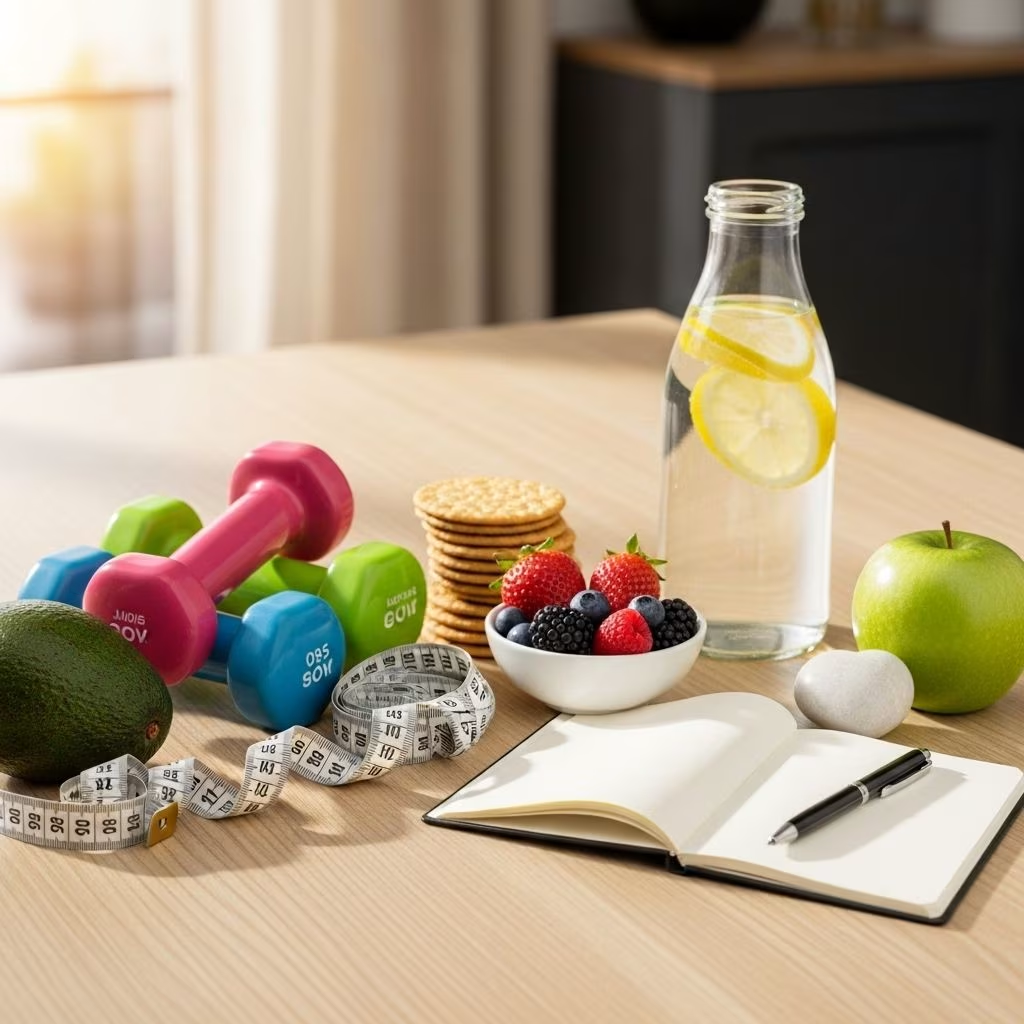
52 Simple Tips for Sustainable Weight Loss Success
Achieving lasting weight loss doesn’t have to mean following restrictive diets or embarking on grueling fitness regimens. Small, sustainable changes—adopted one step at a time—can lead to real results. This comprehensive guide presents 52 research-backed strategies for losing weight, increasing energy, and developing healthy habits that truly last.
Introduction
Losing weight is a common goal for many, but the most effective approach relies on sustainability, not drastic measures. These 52 simple tips focus on manageable lifestyle changes spread across nutrition, activity, mindset, and daily routines to help you shed pounds safely and keep them off for good.
Nutrition and Eating Habits
- Eat Mindfully
Slow down during meals, savor every bite, and pay attention to hunger cues. Mindful eating helps prevent overeating and increases enjoyment of your food.
- Limit Portion Sizes
Check serving sizes using visual cues—a portion of protein should be the size of a deck of cards, pasta fits in a half cup, and veggies fill half your plate.
- Pack Your Own Lunch
Prepping healthy meals saves calories and money—those who regularly dine out eat about 300 extra calories each day compared to those who eat homemade meals.
- Swap Juice for a Spritzer
Mix half your usual amount of juice with water to reduce sugar and calorie intake, easily saving 85 calories per glass.
- Drink More Water
Staying hydrated curbs cravings, helps you feel full, and deters unnecessary snacking.
- Have Chunky Soup
Soups with large vegetable pieces are more filling than puréed versions, helping you eat up to 20% less at meals.
- Sprinkle Flax on Breakfast
Adding high-fiber ground flaxseed to oatmeal, yogurt, or smoothies helps control appetite throughout the day.
- Dip Bread in Olive Oil
Choose olive oil over butter—dippers consume 52 fewer calories on average than butter users.
- Blot the Fat from Pizza
Dabbing off excess oil from pizza slices can remove about 40 calories and 4.5 grams of fat from two slices.
- Choose “Heavy” Low-Cal Foods
Foods with weight and volume—like oranges, strawberries, and broccoli—fill you up with fewer calories.
- Always Read Nutrition Labels
Check serving sizes and calorie counts before eating packaged foods—many contain multiple servings that can double your intake.
- Fill Half Your Plate with Produce
Vegetables are nutrient-dense and help keep you full, so make them the centerpiece of every meal.
- Skip “Light” Processed Foods
Focus on natural, whole foods instead of “light” processed products that often contain extra sugar or additives.
- Plan Healthy Snacks
Stock your pantry and office desk with cut veggies, fruit, and nuts to avoid reaching for cookies or chips.
- Practice the 80/20 Rule
Eat healthy 80% of the time and allow yourself occasional indulgences to prevent feeling deprived.
- Don’t Drink Your Calories
Limit soda, juice, and caloric beverages. Opt for water, herbal tea, or black coffee.
- Cook More Meals at Home
Home-cooked meals allow you to control ingredients, portion sizes, and calories.
- Include Lean Protein in Every Meal
Protein-rich foods such as chicken, fish, beans, and eggs help preserve muscle mass and promote satiety.
- Eat Breakfast Daily
Starting the day with a balanced meal jumpstarts metabolism and curbs cravings.
- Don’t Skip Meals
Skipping meals often leads to overeating later. Aim for regular, balanced meals and snacks.
Building Healthy Movement into Your Day
- Find Activities You Enjoy
Experiment with walking, cycling, dancing, or swimming—fun is the key to consistency.
- Wear a Fitness Tracker
Monitoring your steps or activity visually motivates you to move more.
- Add Short Bursts of Activity
Do ten jumping jacks or sit-ups before opening that snack—physical movement can quash cravings.
- Make Movement Part of Everyday Life
Take the stairs, park further away, or walk while making phone calls to rack up extra daily activity.
- Try Standing Meetings
Stand instead of sitting during work meetings to burn additional calories and boost alertness.
- Set Reminders to Move
Timer alerts every hour remind you to stretch or take a short walk.
- Walk After Meals
A brief stroll after eating aids digestion and keeps your body active.
- Play Outside with Family or Pets
Family games and dog walks offer fun ways to burn calories together.
- Try New Workouts
From yoga to Zumba, variety prevents boredom and challenges different muscle groups.
- Reward Yourself for Milestones
Celebrate activity goals with non-food rewards like a new book, fresh workout gear, or movie tickets.
Mindset, Motivation, and Accountability
- Set Realistic Goals
Aim for losing 1–2 pounds per week to ensure safety and lasting results.
- Write Down Your Motivations
Identify and document your reasons for wanting to lose weight. Review them regularly to maintain motivation.
- Keep a Food Journal
Recording meals increases awareness and accountability, even if you don’t review it every day.
- Download a Food Diary App
Apps like See How You Eat make logging meals easy and visually engaging.
- Share Your Goals
Tell friends or family about your plans—social support correlates with greater success.
- Reward Non-Scale Victories
Focus on improvements in energy, sleep, or endurance as much as on weight changes.
- Be Patient
Sustainable weight loss is a gradual process—trust that progress happens over time.
Behavioral and Psychological Strategies
- Call a Friend Instead of Eating
When boredom or loneliness strikes, fill the void with real connection—not food.
- Pay Cash for Treats
If someone offers sweets at work, put $2 in a jar instead of consuming. Turning treats into literal expenses can reduce impulse eating.
- Take a Whiff Before Eating Sweets
Inhale the aroma of a treat for 30 seconds, then taste a tiny piece—often, just savoring the smell and taste satisfies the craving without overeating.
- Distract Yourself from Cravings
Try sucking on a menthol cough drop or chewing gum to curb sudden hunger pangs.
- Watch a Scary Movie
Emotion affects eating. Fear tends to reduce snacking, while anger or happiness may increase it. Choose your viewing wisely!
Smart Meal Planning and Preparation
- Batch Prep Ingredients
Chop veggies and grill lean protein on weekends for quick healthy meals all week.
- Plan Meals Ahead
Knowing what you’ll eat prevents last-minute poor choices and keeps you on track.
Dining Out and Social Situations
- Study Menus and Nutrition Facts
Investigate calories and ingredients before ordering. Many dishes have hidden sugars and fats.
- Order Sauces and Dressings on the Side
This allows you to control the amount you use and cut back on excess calories.
- Skip Bread Baskets
Bread baskets are tempting calorie traps—focus on your chosen meal instead.
Easy Substitutions for Everyday Eating
| Swap This | For This | Calorie Savings |
|---|---|---|
| Soda | Sparkling Water | ~150 per can |
| Mayonnaise | Avocado or Hummus | ~100 per tablespoon |
| Whole Milk | Unsweetened Almond Milk | ~70 per cup |
| Chips | Baked Veggie Sticks | ~80 per serving |
| Ice Cream | Frozen Yogurt | ~50 per half-cup |
Frequently Asked Questions (FAQs)
Q: How quickly should I expect to lose weight?
A: The healthiest pace is 1–2 pounds per week. Rapid loss from extreme diets is often unsustainable and can harm metabolism.
Q: Do I need to cut out all my favorite foods?
A: No. The key is moderation. Plan occasional treats into your routine to avoid feeling deprived and maintain balance.
Q: How do I handle weight loss plateaus?
A: Plateaus are normal. Try varying workouts, adjusting portion sizes, or increasing non-exercise movement to restart progress.
Q: Is calorie counting absolutely necessary?
A: It’s not essential for everyone. Focus on eating whole, minimally processed foods, watching portion sizes, and limiting empty-calorie choices.
Q: What if I mess up—can I still succeed?
A: Absolutely. One setback doesn’t erase progress. Get back on track with your next meal or activity, and keep moving forward.
Final Thoughts
Weight loss is more than cutting calories—it’s about developing a healthy, mindful relationship with food, movement, and yourself. With these 52 practical tips, you can start building routines that promote weight loss, boost health, and support lifelong wellbeing.
References
- https://www.prevention.com/weight-loss/a20437039/100-easy-tricks-to-move-more-and-lose-weight/
- https://www.prevention.com/weight-loss/g20442982/35-one-minute-weight-loss-secrets/
- https://www.webmd.com/diet/lose-weight-fast
- https://www.prevention.com/weight-loss/a20505824/fit-in-10-belly-fix-paula-derrow/
- https://www.prevention.com/weight-loss/a20462365/weight-loss-tips-4/
- https://www.prevention.com/food-nutrition/g29504714/weight-loss-foods/
- https://www.prevention.com/fitness/a37857801/7-day-weight-loss-preparation-guide/
- https://www.prevention.com/weight-loss/a64979957/today-show-al-roker-weight-loss-maintenance-tip/
- https://www.cdc.gov/healthy-weight-growth/healthy-eating/index.html


