


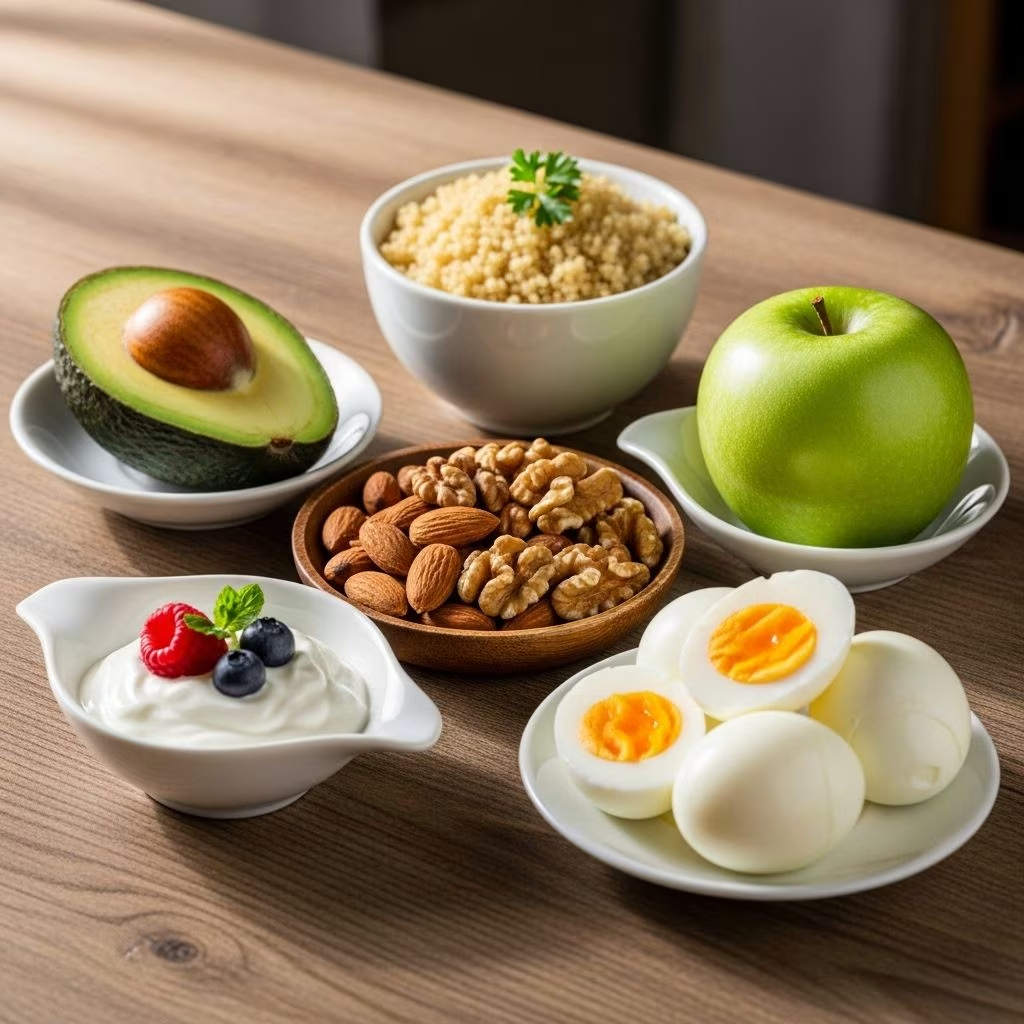
6 Foods That Can Curb Your Appetite Naturally
Controlling your appetite is a crucial part of building a healthy relationship with food and managing your weight effectively. Many people find themselves struggling with hunger between meals or fighting the urge to overeat, even when following strict diets. While willpower and meal planning are important, evidence suggests certain foods can help suppress appetite and keep hunger at bay thanks to their unique nutritional profiles and effects on the body.
This article highlights six science-backed foods that naturally lower appetite and promote feelings of satiety, making it easier to stick to your nutrition goals and reduce unnecessary snacking. Adding these foods to your regular meals can be a delicious and practical way to support weight loss and long-term health.
Why Is Appetite Control Important?
Appetite is regulated by a complex system of hormones and neural pathways. Everyday triggers like stress, lack of sleep, ultra-processed foods, and even dehydration can disrupt these signals, causing you to feel hungry even when your body doesn’t need more fuel. Chronic overeating, driven by persistent hunger or food cravings, is one of the leading drivers of weight gain and metabolic issues.
Choosing foods that keep you full longer can make a significant difference. These foods typically work by:
- Slowing the digestion and absorption of nutrients
- Promoting the release of satiety hormones like GLP-1 and CCK
- Physically expanding in the stomach, triggering fullness signals
- Encouraging healthy gut bacteria that support appetite regulation
1. Eggs: High-Protein Powerhouses
Eggs are among the most filling breakfast foods available. Thanks to their high protein content and balanced amounts of healthy fat, eggs take longer to digest and promote a greater sense of satisfaction after eating.
- Scientific evidence: Studies show individuals who start their day with eggs experience 65% greater weight loss over eight weeks than those who eat higher-carbohydrate breakfasts of equal calories, largely because eggs reduce appetite and subsequent caloric intake.
- How they work: The high-quality proteins in eggs increase the release of fullness hormones such as peptide YY and GLP-1. Protein also minimizes post-meal blood sugar spikes, curbing further hunger.
- How to enjoy: Scramble, poach, or hard-boil eggs as a versatile breakfast. Pair with fiber-rich vegetables or whole-grain toast for even better satiety.
2. Oats: Fiber-Rich and Satisfying
Oats are prized for their high content of beta-glucan, a unique soluble fiber that gels with water in your digestive tract, slowing stomach emptying and triggering robust feelings of fullness.
- Scientific evidence: High-viscous foods like oatmeal significantly suppress appetite compared to low-viscosity, processed cereals. The (gel-like texture) not only keeps you full but also reduces calorie intake later in the day.
- How they work: Fiber in oats stimulates satiety hormones, expands in the stomach, and supports the growth of beneficial gut bacteria that further modulate appetite.
- How to enjoy: Make overnight oats or a warm bowl of oatmeal. Add fruits, nuts, or seeds for added flavor, nutrients, and texture.
3. Greek Yogurt: Creamy, Protein-Packed, and Satiating
Thick Greek yogurt stands out for its high protein concentration and creamy consistency, making it a standout among dairy products for appetite suppression.
- Scientific evidence: Consuming yogurt (especially Greek style) at breakfast or as a snack is linked to reduced subsequent food intake and overall improved satiety relative to lower-protein or more liquid dairy options.
- How it works: The combination of protein and a thicker, more viscous texture slows digestion, enhances the release of satiety hormones, and keeps you full for hours.
- How to enjoy: Choose plain, unsweetened Greek yogurt. Add berries, a dash of cinnamon, or a sprinkle of nuts for extra nutrition and staying power.
4. Legumes: Beans, Lentils, and Chickpeas
Legumes—including black beans, lentils, and chickpeas—are unique for their dual action: rich protein and fiber content. These nutrients synergistically enhance fullness after meals.
- Scientific evidence: Diets high in legumes lead to greater satiation and lower appetite, helping people stick to calorie-reduced meal plans without excess hunger.
- How they work: The mix of soluble and insoluble fibers slows digestion and increases gut hormone responses, contributing to a lasting sense of fullness hours after eating.
- How to enjoy:
- Add lentils or black beans to salads and grain bowls.
- Blend chickpeas into hummus for a high-fiber, high-protein dip.
- Use as a base for soups and stews to boost fiber and minimize cravings.
5. Apples: Crunchy, Hydrating, and Rich in Fiber
Whole apples are an easy and portable way to manage hunger naturally. Their effectiveness comes from a combination of water, fiber, and a crunchy texture requiring more chewing, which increases satiety.
- Scientific evidence: Consuming whole fruits—apples in particular—before meals reduces total calorie intake and promotes a greater feeling of fullness compared to fruit juices or processed snacks.
- How they work: The physical bulk of an apple helps distend the stomach. The pectin fiber also delays gastric emptying and enhances the release of hormones that signal the brain you’re full.
- How to enjoy: Eat an apple as a snack, slice over oatmeal, or dip in a bit of nut butter for a nutrient-packed, hunger-fighting mini meal.
6. Soup: Volume Eating for Satiety
Soups, especially broth-based and vegetable-rich varieties, are a smart choice for appetite management. Their high water and fiber content means you can eat a substantial volume with relatively few calories.
- Scientific evidence: Studies reveal that starting a meal with a low-calorie soup significantly increases satiety and decreases total calorie intake at that meal and throughout the day.
- How it works: The combination of liquid and bulky vegetables enhances stomach distension, which rapidly transmits fullness signals to the brain.
- How to enjoy: Opt for homemade soups loaded with vegetables, beans, or lean protein while limiting heavy creams or excess salt for a lighter option.
How Food Texture Impacts Satiety—The Science
Eating isn’t just about nutrients—the texture of what you eat also makes a difference. Research shows that high-viscosity (thicker, gel-like) foods suppress appetite more effectively than thin, low-viscosity versions.
- Foods that require more chewing (like raw vegetables and whole fruits) prolong oral processing time and boost fullness signals.
- Solid and semi-solid foods generally increase satiety compared to liquids. Oatmeal, chunky soups, and thick Greek yogurt are more filling than clear broth, juice, or regular yogurt.
- Texture complexity—such as grainy, fibrous, or gel-based foods—triggers additional digestive and hormonal responses that support appetite control.
The table below summarizes how different food textures impact satiety and hunger:
| Texture | Impact on Satiety | Examples |
|---|---|---|
| High viscosity (thick, gel-like) | Increases fullness and reduces hunger | Oatmeal, Greek yogurt, bean stews |
| Solid/Crunchy | Slows eating, increases satiety | Raw vegetables, whole fruits, nuts |
| Liquid (watery, thin) | Less filling, minimal impact on satiety | Beverages, clear broths, juices |
Smart Ways to Incorporate Appetite-Reducing Foods
To get the most benefit from these foods, consider these simple strategies:
- Build a protein-rich breakfast from eggs or Greek yogurt with fruit.
- Swap out sugary snacks for crunchy whole fruits like apples or pears.
- Start meals with a small vegetable-based soup to help control portions.
- Incorporate beans and lentils into salads, stews, and even breakfast bowls.
- Replace white bread or processed grains with fiber-rich oats or other whole grains.
While no single food can magically eliminate hunger, building meals around these powerhouses can help promote natural satiety and healthy weight management. These foods not only limit calorie intake but also contribute essential nutrients, supporting your overall health beyond appetite control.
Additional Tips for Appetite Control
- Drink plenty of water throughout the day, as dehydration can sometimes be mistaken for hunger.
- Eat mindfully and slowly—taking time to savor your food can help your body register fullness before you overconsume.
- Prioritize sleep and manage stress, which both have a strong impact on appetite hormones.
Frequently Asked Questions (FAQs)
Q: Can eating more protein help reduce snacking?
A: Yes. Increasing your protein intake can lower overall appetite and reduce the temptation to snack between meals by boosting satiety hormones.
Q: Are liquid meals less filling than solid foods?
A: Generally, yes. Solid and semi-solid foods (like oatmeal or Greek yogurt) increase fullness and reduce subsequent calorie intake compared to thin liquids and clear broths. High-viscosity foods are especially good for keeping you full.
Q: How can I make soup more filling?
A: Add beans, lentils, or chunks of vegetables for fiber and protein. Choose broth-based rather than cream-based recipes for volume and lower calories.
Q: Is it better to eat fruit whole or as juice for appetite control?
A: Eating whole fruits (like apples) is far superior for reducing hunger. Chewing solid fruit increases satiety and slows digestion, while juice spikes blood sugar and doesn’t fill you up as effectively.
Q: Should I avoid fats if I want to control my appetite?
A: Healthy fats can help regulate appetite, especially when combined with protein and fiber. Focus on moderate portions from sources like eggs, nuts, and olive oil.
Key Takeaway
Incorporating high-protein, high-fiber, and high-viscosity foods—like eggs, oats, Greek yogurt, legumes, apples, and soups—into your meals is a simple and effective way to naturally curb your appetite. Pair these dietary approaches with mindful eating, adequate hydration, and lifestyle changes to support your long-term weight management goals.
References
- https://www.nature.com/articles/s41598-020-69504-y
- https://pmc.ncbi.nlm.nih.gov/articles/PMC2771510/
- https://www.vinmec.com/eng/blog/18-science-based-ways-to-reduce-hunger-and-cravings-en
- https://www.healthline.com/nutrition/ways-reduce-hunger-appetite
- https://pmc.ncbi.nlm.nih.gov/articles/PMC6984007/


