


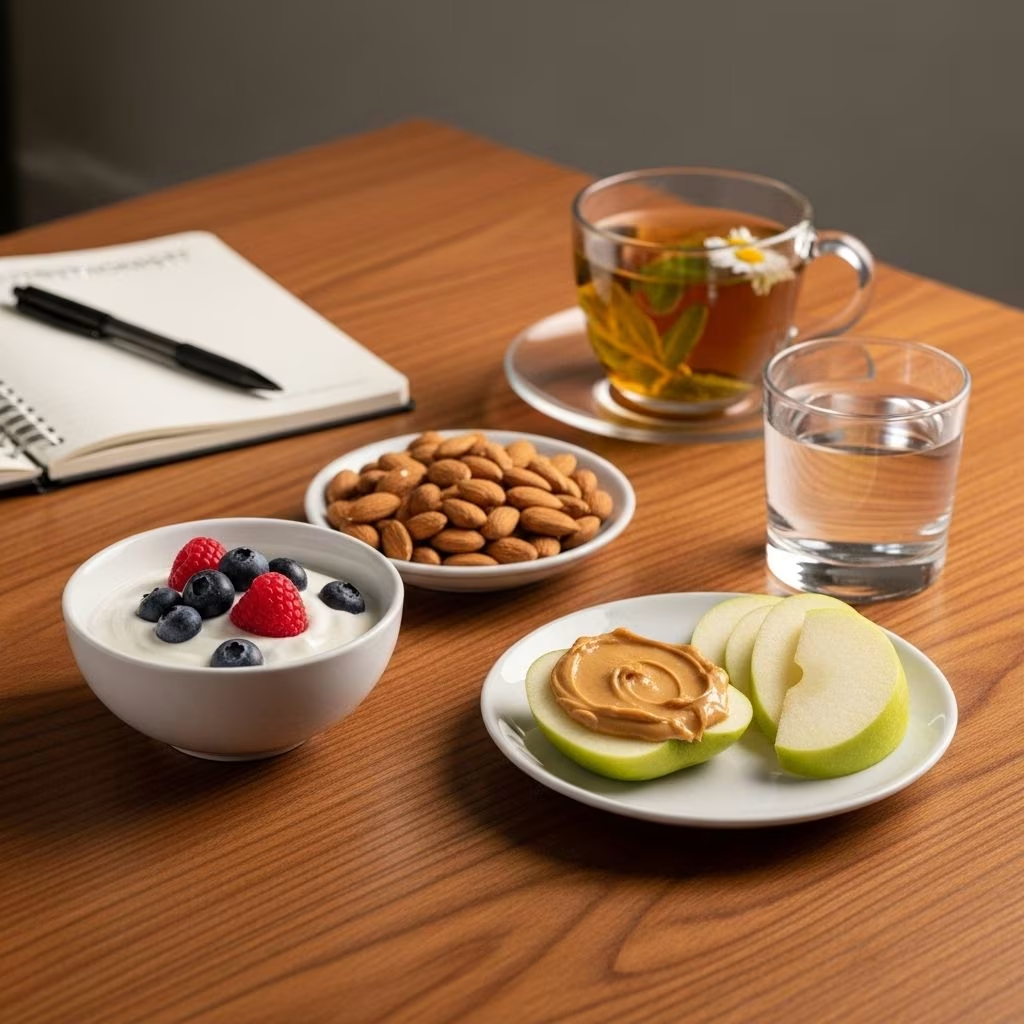
Even if you stick to wholesome meals all day long, nighttime snacking can sabotage your health goals. Cravings often sneak up after sunset, striking hardest when your willpower is low and the kitchen is just steps away. The truth is, even nutritionists face late-night snack temptations, but their expertise helps them stay on track. Want to know their secrets? Explore six proven strategies straight from the experts that will help you tame your own post-dinner cravings and wake up feeling accomplished.
Why Nighttime Snacking Is So Common
Nighttime snacking is a widespread challenge, affecting people who make mindful choices all day long. The struggle often intensifies due to:
- Fatigue-induced cravings: By evening, your mental energy and decision-making resources have been depleted, making it harder to resist treats.
- Environment cues: Watching TV, working late, or relaxing at home often become paired with eating, reinforcing the habit of reaching for snacks.
- Emotional comfort: Stress or boredom commonly triggers unnecessary munching, leading to excess calorie intake after hours.
Even the most dedicated eaters can find this pattern difficult to break. However, nutritionists have developed smart routines and mindset shifts to outsmart the post-dinner snack trap.
1. Have a Protein-Packed Breakfast
A strong defense against evening snacking starts in the morning. Nutritionists recommend beginning your day with a breakfast rich in protein. This approach helps regulate appetite, improves satiety, and can reduce cravings later in the day.
- Studies show that individuals consuming at least 30 grams of protein at breakfast report fewer food cravings in the evening.
- Protein slows digestion and supports steady blood sugar, which stabilizes energy levels throughout the day.
Try these protein-rich breakfast ideas:
- Greek yogurt with berries and nuts
- A veggie omelet with whole grain toast
- Overnight oats made with protein powder or nut butter
2. Eat Enough During the Day
Attempting to ‘bank’ calories by eating less during the day often backfires. Skipping meals or undereating increases the likelihood that you’ll feel overly hungry at night, making unhealthy snacks more tempting and harder to resist.
- Consistent meals and snacks stabilize blood sugar and support appetite control.
- Nourishing your body throughout the day makes post-dinner eating less necessary.
Nutritionist Tip: Rather than drastically cutting daytime calories, focus on balanced meals that include protein, fiber, and healthy fats. Aim to eat every 3-5 hours depending on your needs.
3. Have a Slow Snack
If you do crave a snack after dinner, choose foods that naturally slow down your eating and encourage mindfulness. Nutritionists recommend options that are “self-limiting” by nature—meaning, it takes time and effort to consume them, reducing the risk of mindless overeating.
- Pistachios in the shell: Shelling nuts slows your pace and builds in natural breaks, making you more aware of how much you eat.
- Air-popped popcorn: When eaten slowly and in moderation, popcorn can satisfy the urge to munch with fewer calories.
- Fresh fruit: Biting, peeling, or sectioning fruit, like an orange or kiwi, encourages you to savor each bite.
Nutritionist Insight: “If I’m truly hungry, I’ll eat a 100-calorie pack of pistachios. Because they’re in shells, they take longer to eat, reducing the risk of mindless munching.” Choosing snacks that require more effort naturally limits intake.
4. Consider What You Missed
Before automatically reaching for chips or cookies, take a quick inventory: Did you get sufficient fruits, vegetables, or protein today? Nutritionists advise that cravings may sometimes signal your body seeking nutrients it missed earlier on.
- Reflect on your day’s nutrition: Are you lacking in any food group? If so, make that your evening snack priority.
- Opt for about 100 calories of the missing nutrient-rich food and pair it with a glass of water.
Some smart alternatives might include:
- Baby carrots or cucumber slices if you missed vegetables
- A piece of fruit if you skipped your daily servings
- A small serving of Greek yogurt or a boiled egg for extra protein
5. Make a DIY “Candy Bar”
Cravings for sweets are common at night, especially if you’ve had a stressful or busy day. Instead of denying your sweet tooth (which can backfire), nutritionists recommend making your own healthier version of a treat. This strategy allows you to satisfy cravings without going overboard on sugar, fat, or processed ingredients.
- DIY chocolate bark: Melt dark chocolate and drizzle it over sliced bananas or strawberries. Sprinkle with toasted almonds or coconut flakes for flavor and crunch.
- Nut butter dates: Fill pitted dates with a teaspoon of almond or peanut butter and top with a few dark chocolate chips—rich in nutrients and flavor!
- Fruit parfait: Layer fresh fruit with Greek yogurt and a sprinkle of granola for natural sweetness and a creamy, satisfying texture.
Creating your own treats at home helps you control portions and ingredients, curbing the desire for highly processed candies or cookies.
6. Go to Your Default—Not the Pantry
When hunger hits after dark, it’s easy to make the pantry your first stop. Nutritionists urge building healthy routines or ‘defaults’ to break this habit. Ask yourself:
- Are you truly hungry, or are you tired, bored, or stressed?
- Would a non-food activity satisfy you, like a hot bath, herbal tea, or a quick walk?
Consider setting a clear, non-food-related routine for evenings, such as reading, meditating, or prepping for the next day. This can successfully redirect your energy away from unnecessary snacking.
Smart Snack Ideas for Nighttime
When your body genuinely needs nourishment after dinner, choose snacks that support your health and sleep quality. Here are nutritionist-recommended options that balance satisfaction and nutrition:
- Chia pudding: High in fiber and healthy fats, supports digestion and keeps you full.
- Kiwi and walnuts: Provides soluble fiber and omega-3s to support gut health and stable blood sugar.
- Berries with plain Greek yogurt: Contains tryptophan, which may aid relaxation and improve sleep.
- Cherries or pistachios: Naturally boost melatonin, the sleep hormone.
Foods to Avoid at Night
Certain foods can worsen cravings or disrupt your sleep and digestion if eaten late at night. Nutritionists suggest steering clear of:
- Ultra-processed snacks: Chips, packaged cookies, and sweets often combine high fat and refined carbs, prompting overeating.
- Heavy, high-protein meals: Large portions of meat or rich meals can delay digestion and affect sleep quality.
- Alcohol and excessive caffeine: Both can interfere with restorative sleep and disrupt digestion.
Practical Tips to Make the Change Stick
- Plan ahead: Prep healthy snacks or treat alternatives in advance so you’re not left searching the pantry when hunger strikes.
- Set a kitchen cutoff: Establish a routine to close the kitchen after dinner, maybe after a cup of herbal tea or brushing your teeth, signaling to your body that eating is done for the day.
- Stay hydrated: Sometimes feelings of hunger are actually mild dehydration—drink a glass of water first if cravings hit.
- Assess emotional triggers: If you sense you’re not truly hungry, address underlying emotions with non-food coping strategies.
Frequently Asked Questions (FAQs)
Q: Is it ever okay to snack at night?
A: Yes, if you’re genuinely hungry or haven’t met your nutritional needs for the day, a small balanced snack can be appropriate. Focus on whole foods that provide protein, fiber, or healthy fats to support satiety and minimize blood sugar spikes.
Q: How soon before bed should I stop eating?
A: Ideally, aim to finish eating at least two to three hours before bedtime. This gives your digestive system time to settle and can help improve sleep quality. If you must eat closer to bedtime, keep snacks light and easy to digest.
Q: What are the signs that my nighttime snacking is a problem?
A: If nighttime eating leads to discomfort, disrupted sleep, unwanted weight gain, or you find it hard to control portions, it may be time to reevaluate your habits. Try implementing nutritionist strategies and talk to a healthcare provider if you need personalized guidance.
Q: Will eating protein at breakfast really help with evening cravings?
A: Research suggests that breakfasts high in protein not only boost satiety but may regulate hormones that drive evening cravings. Many nutritionists and clients report positive results from including at least 30 grams of protein with their morning meal.
Q: Are there any healthy sweet snacks I can have at night?
A: Absolutely. Try a fruit parfait with berries and Greek yogurt, dark chocolate-dipped fruit, or frozen grapes for a satisfying but nutrient-dense treat that won’t derail your goals.
Summary Table: Nutritionist Nighttime Snacking Strategies
| Strategy | Benefit | Nutritionist Tip |
|---|---|---|
| Protein-packed breakfast | Boosts satiety and reduces sweet cravings later | Include 30g protein in your first meal |
| Eat enough during the day | Prevents over-hunger at night | Don’t skip meals or snacks |
| Have a slow snack | Reduces mindless eating | Choose in-shell nuts or fruit that takes time to eat |
| Consider what you missed | Fills nutrient gaps you may be craving | Pick a snack from a group you missed during the day |
| DIY healthy treats | Satisfies sweet cravings without excess sugar | Make your own candy bar with fruit and dark chocolate |
| Healthy default routines | Breaks the pantry-snacking habit loop | Substitute with a non-food evening ritual |
Takeaway
Nighttime snacking is a challenge even for experts, but the right strategies—protein-packed breakfasts, balanced daytime meals, mindful snack choices, and healthy routines—can make all the difference. Try integrating these practical nutritionist-endorsed tips and see how you can finally outsmart post-dinner cravings for good.
References
- https://www.menshealth.com/nutrition/g19528287/how-to-control-nighttime-snacking/
- https://www.prevention.com/weight-loss/g20474778/how-nutritionists-curb-nighttime-snacking/
- https://www.prevention.com/health/a64457045/best-late-night-snack-gut-health/
- https://www.prevention.com/food-nutrition/healthy-eating/a65221143/best-time-of-day-to-eat-dinner/
- https://www.prevention.com/weight-loss/g20500524/how-to-lose-weight-after-6pm/
- https://www.prevention.com/food-nutrition/g38083413/healthy-late-night-snacks/
- https://www.prevention.com/health/a41533156/eating-late-hungry-study/
- https://www.prevention.com/weight-loss/a20451323/stop-bedtime-eating/
- https://www.prevention.com/weight-loss/a20482892/late-night-eating/


